
How much does it cost to start a farm? There is no reliable single U.S. startup cost per acre because a leased market garden and a land-owning livestock or row-crop operation have completely different budgets. The most useful starting point is to price land access, infrastructure, equipment, crops or livestock, permits and insurance, and the working cash needed before sales begin.
For land context, USDA’s July 2026 Land Values Summary puts the average U.S. farm real estate value at $4,500 per acre, average cropland at $6,020 per acre, and average pastureland at $2,000 per acre. These figures describe land and farm real estate values; they are not complete farm-startup costs. See the USDA NASS Agricultural Land Values report.
Last updated: September 7, 2026. This revision uses current USDA land-value and Farm Service Agency program information and separates verified national data from costs that must be quoted locally.
Starting a farm is a capital-planning problem before it is a land-buying problem. Your crop or livestock enterprise determines how much land, water, machinery, fencing, storage, labor, and time you need before the farm begins generating cash.
A practical startup budget should therefore be built from your actual farm plan rather than multiplied from one national “cost per acre” number.

A business plan helps connect those startup costs to expected production, selling prices, cash flow, and financing. USDA’s beginning-farmer guidance also identifies access to land and capital as two of the biggest challenges for new producers.
Keep startup purchases separate from recurring expenses such as seed, fertilizer, feed, fuel, maintenance, utilities, payroll, insurance, packaging, and loan payments. A farm can own useful equipment and still run short of cash before harvest.
Quick Answer: How Much Does It Cost To Start A Farm?
There is no trustworthy one-size-fits-all national startup figure. A low-capital operation may lease land and use hand tools or rented equipment, while a farm that buys land, tractors, barns, irrigation, livestock, and storage can require far more capital.
| Budget Item | 2026 Planning Benchmark | What It Means |
|---|---|---|
| Average U.S. farm real estate value | $4,500 per acre | USDA value of land and buildings on farms; not a complete startup cost |
| Average U.S. cropland value | $6,020 per acre | Useful national context when evaluating cropland purchase prices |
| Average U.S. pastureland value | $2,000 per acre | National pasture benchmark; local values can differ sharply |
| Equipment and infrastructure | Quote locally | Depends on enterprise, size, new vs. used equipment, water access, buildings, and installation |
| Working capital | Build from your cash-flow forecast | Must cover expenses until crops, livestock, or other farm products generate cash |
Use this formula instead of a generic cost-per-acre estimate:
Total startup cash needed = land access + site and infrastructure + equipment + initial crops or livestock + permits and insurance + pre-opening expenses + working-capital reserve − financing available.

This hardcover cookbook offers fast, approachable recipes designed for busy days and low-energy nights. Caroline Chambers focuses on simple, flavorful meals that help you get dinner on the table without overthinking it. It's a practical pick for home cooks who want quick weeknight inspiration and minimal-fuss cooking.

Grow a versatile herb garden indoors or outdoors with this 12-packet culinary herb seed collection from Seed Needs. It includes a broad mix of popular cooking and medicinal herbs, making it a practical choice for kitchen gardens, hydroponic setups, and homesteading projects. Packaged for freshness and future planting seasons, these heirloom, non-GMO seeds are designed to help gardeners get started quickly and grow with confidence.

HERITAGE STORE USDA Organic Castor Oil is a versatile beauty and wellness oil designed to support healthier-looking hair, brows, lashes, and skin. Cold pressed and rich in omegas and ricinoleic fatty acids, it helps nourish dry areas while promoting softer, fuller-looking hair with regular use. It also works as a castor pack for targeted wellness routines and comes in earth-friendly dark glass packaging to help preserve oil quality.
The Dream Of Farming: Costs Versus Reality
Farming can begin with a simple idea, but the financial plan must match the production plan. Before buying land or machinery, decide what you will sell, how you will sell it, how much land and water the enterprise needs, and when the first customer payments are likely to arrive.
Initial Dreams Vs. Financial Commitments

Turning land into an operating farm usually requires budgeting for:
- Land purchase, lease, or other land-access costs
- Equipment, tools, and delivery or setup
- Buildings, fencing, water, power, roads, and storage
- Seed, plants, breeding stock, or other livestock
- Licensing, permits, inspections, and professional fees
- Insurance coverage
- Working capital until the farm begins generating enough cash
Do not treat the land purchase as the entire startup budget. A cheaper property can still be expensive to operate if it needs a well, irrigation, fencing, electrical service, drainage, road work, barns, or major repairs.
Why Costs Matter
A new farmer should calculate startup costs and cash flow before committing to land or major equipment.
- Different enterprises need different assets. A vegetable operation, poultry farm, orchard, dairy, and cattle operation do not use the same land or equipment.
- Unexpected costs are normal. Repairs, freight, weather delays, veterinary costs, utility work, and equipment downtime can change the plan quickly.
- Revenue may arrive later than expenses. Seed, feed, labor, fuel, rent, and insurance may be paid months before harvest or sale.
Build the budget around the farm you actually intend to operate, then test whether projected revenue and available financing can support it.
Common Types Of Farms And Their Startup Expenses
The farm type is one of the biggest cost drivers. Equipment, infrastructure, labor, water, storage, and land needs change with the enterprise.
Crop Farms: Land And Equipment
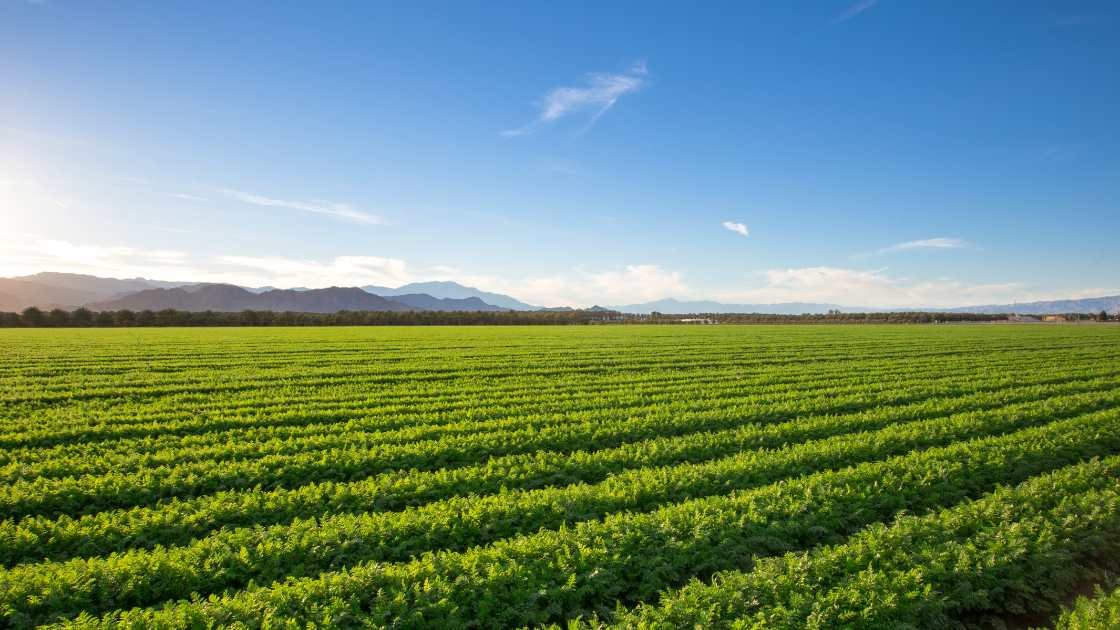
A crop farm budget may include:
- Land: Purchase price, lease payments, deposits, property taxes, or other land-access costs.
- Power equipment: Tractor, walk-behind tractor, utility vehicle, or custom-hire services matched to the acreage and crop.
- Planting equipment: Seeders, transplanters, cultivation tools, and crop-specific implements.
- Harvest and post-harvest equipment: Harvest tools, bins, washing, grading, packing, and cold-storage capacity.
- Irrigation and water: Water source, pump, filtration, pipe, drip or sprinkler equipment, installation, electricity, and maintenance.
Get written quotes for the equipment required by your first production season. Do not buy machinery simply because it is common on larger farms.
Livestock Farms: Animals And Infrastructure
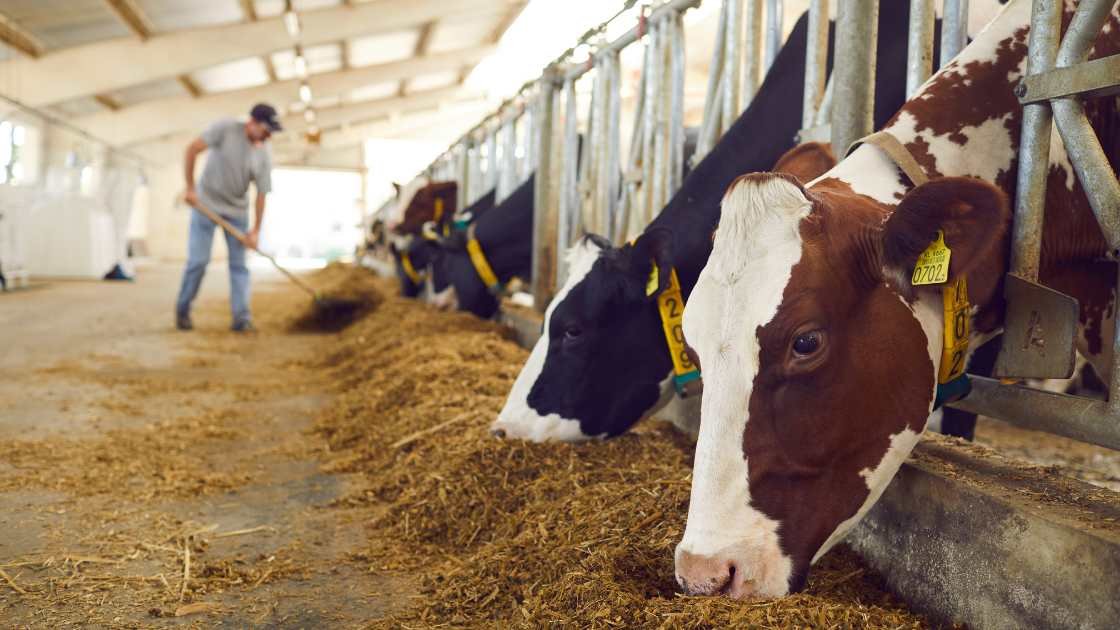
Livestock farms add animal-specific costs that crop-only operations may not have:
| Item | What To Budget |
|---|---|
| Animals (cattle, pigs, poultry, or other livestock) | Purchase price, transport, health checks, replacement stock, and mortality risk |
| Barns/Shelters | Existing-condition repairs or new construction, ventilation, bedding, utilities, and maintenance |
| Feeding Equipment | Feed storage, troughs, feeders, waterers, handling equipment, and recurring feed purchases |
| Waste Management | Storage, handling, manure management, drainage, and any applicable environmental requirements |
| Fencing | Perimeter and interior fencing, gates, energizers where used, installation, and repairs |
Specialty Farms: Unique Considerations

Specialty operations can have different capital and compliance requirements:
- Organic certification adds certification expenses. USDA’s Organic Certification Cost Share Program currently allows eligible certified operations to receive up to 75% of eligible certification costs, up to $750 per certification scope. USDA lists December 31, 2026 as the deadline for 2025 and 2026 program-year applications. See the USDA Organic Certification Cost Share Program.
- Hydroponic or controlled-environment systems require specialized infrastructure. Price the structure, lighting where used, pumps, reservoirs, climate control, monitoring, backup systems, and electricity before choosing the production model.
- Niche crops require a market as well as production capacity. Confirm likely buyers, sales channels, packaging requirements, delivery distances, and realistic selling prices before investing heavily.
Breaking Down The Basics: Land And Capital
Land and fixed capital can consume a large share of the startup budget. Separate the cost of acquiring the property from the money required to make that property productive.
Land Acquisition Costs
USDA’s 2026 national averages are useful context, not property quotes. Farm real estate averages $4,500 per acre nationally, while cropland averages $6,020 and pastureland $2,000. State and local values vary much more than those national figures suggest.
For illustration only, applying the national 2026 cropland average of $6,020 per acre gives these land-only amounts:
| Illustrative Cropland Area | Land Value At $6,020/Acre |
|---|---|
| 5 acres | $30,100 |
| 20 acres | $120,400 |
| 100 acres | $602,000 |
These calculations are not asking-price forecasts and do not include buildings, closing costs, financing, irrigation, equipment, repairs, or working capital.
- Location: Compare actual recent local agricultural-land sales and lease offers rather than relying only on a national average.
- Soil and water: Test whether the property can support the crop, grazing, or livestock plan before purchase.
- Infrastructure: Price wells, pumps, drainage, fencing, power, roads, buildings, and storage separately.
- Size: Buy or lease acreage because the enterprise needs it—not because a generic farm-size rule recommends it.
Machinery And Equipment
The correct machinery budget depends on your enterprise and scale. A new farmer may be better served by hand tools, used machinery, rentals, custom operators, or shared equipment than by buying every machine used on an established commercial farm.
| Equipment Category | How To Estimate It |
|---|---|
| Tractor or power unit | Compare new, used, rental, and custom-hire quotes for the horsepower and attachments your operation actually needs |
| Implements | List only equipment required for land preparation, planting, cultivation, harvest, and material handling in the first season |
| Irrigation | Price water source, pump, filtration, mainline, distribution system, installation, energy use, and repairs |
| Post-harvest equipment | Include washing, grading, packing, refrigeration, storage, scales, containers, and food-safety equipment where applicable |
| Transport | Include vehicle or trailer acquisition, registration, commercial insurance where applicable, fuel, and maintenance |
Add freight, taxes, attachments, installation, repairs, and initial maintenance to the advertised equipment price. Those costs can materially change the real amount required to put a machine into service.
Buildings And Structures
Buildings should match the production model. A livestock barn, greenhouse, machinery shed, wash-pack building, cold room, grain-storage system, and farm stand solve different problems and should be budgeted separately.
- Barns: Price repairs to existing structures before assuming a new building is necessary.
- Silos and storage: Match storage capacity to the feed, grain, or crop volume you expect to handle.
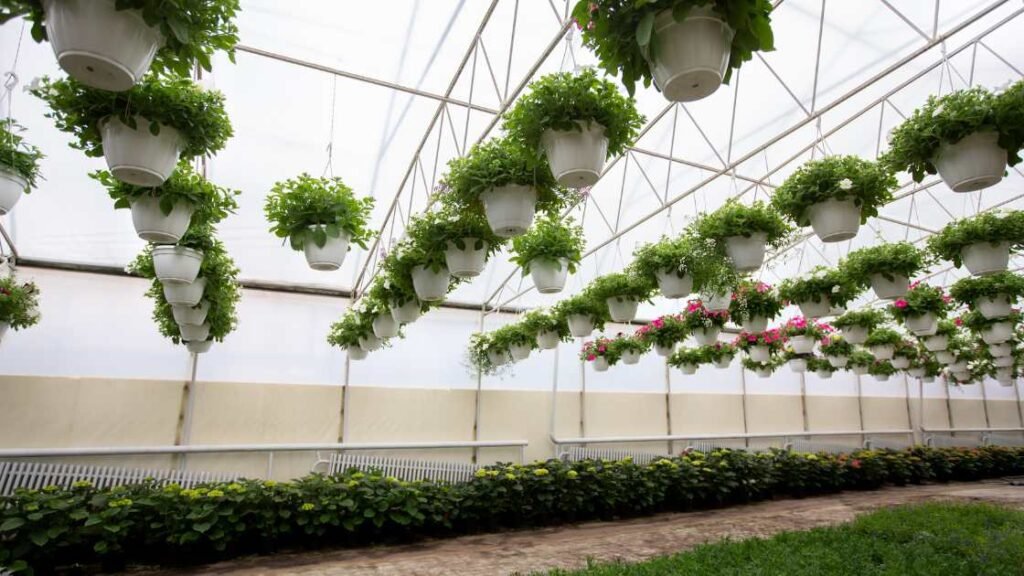
- Greenhouses: Include site work, utilities, heating or cooling where needed, irrigation, coverings, controls, and ongoing energy use.
Operational Costs: Keeping The Farm Afloat
Operating costs matter because many farm expenses occur before the crop or animal generates revenue. Build a monthly cash-flow forecast through at least the first complete production-and-sales cycle.
Seeds, Fertilizers, And Feed
- Seed, plants, and propagation materials: Estimate quantities from the crop plan and current supplier quotes.
- Fertilizer and soil inputs: Base the plan on soil needs, production method, and local input prices rather than a generic per-acre allowance.
- Animal feed: Estimate feed by livestock class, ration, expected consumption, storage losses, and current delivered cost.
Irrigation And Water Systems
Budget both the one-time water-system installation and its recurring operating costs.
- Confirm the water source and legal access before committing to the property.
- Price pumps, filtration, pipe, emitters or sprinklers, installation, energy, and maintenance separately.
- Include repairs and backup plans for critical water equipment.
Energy And Fuel Expenses
- Estimate machinery fuel from expected equipment hours and actual machine use.
- Include electricity for pumps, refrigeration, ventilation, lighting, heating, cooling, and processing equipment.
- Evaluate efficiency or renewable-energy projects on their installed cost, available incentives, maintenance, and realistic payback—not on energy savings alone.
Insurance And Safety Measures
- Crop insurance: Coverage availability and terms depend on crop, county, program, and farming history.
- Liability and property coverage: Obtain quotes based on actual acreage, buildings, equipment, products, visitors, employees, and vehicle use.
- Workers’ compensation and commercial auto: Requirements depend on state law, employees, vehicles, and business structure.
- Safety: Include PPE, machine guarding, fire protection, first aid, training, signage, and other controls required by the operation.
Working Capital Before The First Sales
Working capital is the cash left after the farm buys or finances its startup assets. It pays bills while production is underway.
| Cash Outflow | Questions To Answer |
|---|---|
| Land payment | When are rent, mortgage, taxes, or lease deposits due? |
| Inputs | Must seed, feed, fertilizer, animals, or packaging be paid before production? |
| Labor | How many weeks of payroll occur before harvest or sale? |
| Utilities and fuel | Which costs rise during planting, irrigation, harvest, heating, or cooling seasons? |
| Debt service | When do equipment and operating-loan payments start? |
| Sales delay | Will customers pay immediately, after delivery, or on invoice terms? |
The U.S. Small Business Administration recommends separating one-time expenses from ongoing expenses when estimating startup capital. Its planning resources are available through the SBA business-planning guide.
Hidden Expenses In Farming
The most expensive surprises often come from making land productive rather than simply acquiring it. Inspect the property and obtain quotes before committing to a purchase or long lease.

Die With Zero offers a fresh perspective on personal finance by encouraging readers to use money intentionally to create memorable life experiences instead of simply accumulating wealth. Written by Bill Perkins, this book combines practical guidance with a motivating philosophy to help readers align spending, saving, and life goals for a more fulfilling future.

This hands-on sorting toy helps toddlers build color recognition, counting, sorting, and food identification through imaginative pretend play. It includes realistic fruit and vegetable pieces along with color-coded baskets, supporting early math skills, vocabulary development, and healthy food awareness. Designed for little hands, this versatile set grows with children from simple matching activities to preschool learning and farmers market role play.

This full-coverage concealer delivers a soft matte finish that helps brighten under-eye areas and create an instant lifted look. Its crease-proof, longwear formula smooths the appearance of fine lines while blendable coverage helps blur imperfections for a flawless finish. Vegan and dermatologist tested, it includes skin-nourishing ingredients like shea butter, mango butter, and licorice root.
Compliance And Regulations
Requirements vary by crop, livestock type, processing activity, sales channel, state, and local government. Possible costs include:
- Permits and zoning: Confirm whether the intended farm activities, buildings, farm stand, processing, events, or other uses are allowed.
- Inspections and food-safety requirements: Requirements depend on what you grow, process, package, or sell.
- Insurance: Obtain coverage based on the operation rather than assuming one standard farm policy fits every risk.
- Environmental and water requirements: Wells, water withdrawals, manure, wetlands, pesticide use, drainage, and other activities may trigger additional rules.
Produce-safety note (U.S.): FDA’s FSMA Produce Safety Rule uses product and sales-based coverage rules, including inflation-adjusted thresholds. Farms should check the current FDA coverage guidance rather than assuming they are automatically covered or exempt. See the FDA FSMA Frequently Asked Questions and FSMA inflation-adjusted cutoffs.
Site Preparation And Utility Surprises
- Water: Well drilling, pumps, storage, treatment, irrigation, or utility extensions.
- Electricity: New service, panel upgrades, trenching, generators, or three-phase power for some equipment.
- Access: Driveways, culverts, gravel, gates, loading areas, and delivery access.
- Drainage and grading: Erosion control, field drainage, pads, and site preparation.
- Repairs: Existing barns, roofs, fencing, pumps, refrigeration, tractors, and other inherited infrastructure.
Marketing And Distribution
Getting a product to the customer creates its own operating costs:
- Branding: Labels, signs, photography, website, and sales materials.
- Packaging: Containers, cartons, bags, labels, pallets, and food-safe handling materials.
- Transport: Fuel, delivery vehicles, maintenance, tolls, and driver time.
- Sales channels: Farmers-market fees, online payment fees, wholesale delivery costs, commissions, or distributor margins.
Technology And Automation
Technology can save labor or improve production, but the purchase price is only part of its cost.
| Item | Purpose | Budget Beyond Purchase Price |
|---|---|---|
| Tractors | Fieldwork | Attachments, freight, fuel, maintenance, repairs, insurance, and storage |
| Software | Management | Subscription fees, setup, training, data migration, and support |
| Sensors | Monitoring | Connectivity, batteries, calibration, replacement, and software |
| Drones | Field mapping or imaging | Training, batteries, software, repairs, and applicable operating requirements |
Include training, maintenance, repairs, subscriptions, replacement parts, and downtime when comparing a technology purchase with manual labor or custom-hire alternatives.
Creative Financing For Aspiring Farmers

Financing can reduce the cash required on day one, but it does not reduce the underlying cost of the farm. Borrow only after the business plan shows how the farm will cover operating expenses and scheduled debt payments.
Grants, Cost Share, And Other Assistance
Some USDA, state, conservation, research, energy, and specialty programs provide grants or cost-share assistance for eligible activities. They are not universal startup-money programs, and eligibility, funding, deadlines, matching requirements, and reimbursable expenses vary.
- USDA and state agricultural programs
- Conservation and infrastructure cost-share programs
- Organic certification cost share where eligible
- Energy, market-development, or specialty programs when the project meets program rules
Use Farmers.gov beginning-farmer funding guidance and your local USDA Service Center to identify programs that actually match the operation.
USDA Loans And Credit Options
USDA’s Farm Service Agency offers several current financing paths for eligible farmers:
| FSA Option | Current Maximum / Key Feature | Typical Purpose |
|---|---|---|
| Operating Microloan | Up to $50,000 | Livestock, equipment, feed, seed, supplies, minor improvements, and other eligible operating needs |
| Direct Farm Operating Loan | Up to $400,000 | Equipment, livestock, seed, fuel, insurance, operating expenses, and other eligible uses |
| Direct Farm Ownership Loan | Up to $600,000 | Farm purchase, development, buildings, and eligible improvements |
| Beginning Farmer Down Payment Loan | Minimum 5% borrower down payment; FSA financing is subject to current program limits | Partial financing of an eligible family-farm purchase |
See the current FSA Operating Microloan, Farm Operating Loans, Farm Ownership Loans, and Beginning Farmers and Ranchers Loans pages for eligibility and current terms.
A strong business plan should explain what the farm will produce, where it will sell, expected expenses, available collateral where required, cash flow, and how debt will be repaid.
Crowdfunding And Community Support
Customer-funded and community models can sometimes reduce outside borrowing, but they also create obligations to deliver products or rewards.
- Community Supported Agriculture (CSA) memberships
- Preorders or farm memberships where legally and operationally appropriate
- Local fundraising or crowdfunding campaigns
- Direct-to-consumer sales
Treat customer prepayments as money tied to future production obligations, not as free cash.
Cost-effective Strategies For Startup Farms
The safest cost-cutting strategy is to avoid buying capacity you do not yet need. Protect working capital first, then expand assets as production and sales justify them.
Leasing Vs. Buying Land
Leasing normally requires less upfront capital than purchasing the same property, while buying can provide long-term control and equity. The better option depends on lease terms, financing, planned improvements, expected tenure, and the enterprise’s cash flow.
- Leasing: Can preserve cash for equipment, inputs, and operating expenses. Confirm lease length, renewal rights, water access, permitted improvements, maintenance responsibilities, and what happens to improvements when the lease ends.
- Buying: Provides greater control but adds down payment, closing, financing, property-tax, repair, and long-term capital requirements.
Do not install expensive permanent infrastructure on short-term leased land without written terms that protect the investment.
Purchasing Second-hand Equipment
Used equipment can reduce purchase cost, but price the entire machine rather than the sticker price. Inspect hours and condition, maintenance records, tires, hydraulics, engine, transmission, PTO, safety equipment, attachments, parts availability, and transport. Keep cash available for immediate repairs after purchase.
Renting, Sharing, Or Hiring Custom Work
A machine used only a few days each year may be cheaper to rent, share, or replace with custom-hire service. Compare annual ownership costs—including depreciation, interest, insurance, maintenance, storage, and repairs—with the rental or contractor quote.
Starting Small And Scaling
Start with a production area and product mix that you can manage well with available labor and capital.
- Choose a clear first-year enterprise and sales channel.
- Track actual yield, labor, input cost, selling price, and waste.
- Expand only after the first unit of production demonstrates viable margins and reliable demand.
This approach turns expansion into an evidence-based decision rather than an assumption.
Frequently Asked Questions Of How Much Does It Cost To Start A Farm
How Much Money Do You Need To Start A Farm?
There is no reliable national amount that applies to every farm. Calculate the money you need from land access, infrastructure, equipment, initial crops or livestock, permits and insurance, and enough working capital to reach the first meaningful sales. Buying land and major machinery can raise the requirement dramatically, while leasing land and starting with a focused enterprise can reduce upfront cash.
How Many Acres Do You Need To Start A Farm?
Acreage depends on what you produce, soil productivity, water, climate, labor, production intensity, and target income. Intensive vegetables, herbs, flowers, seedlings, or other high-value products can operate on relatively small areas, while grazing livestock and commodity crops generally require much more land. Build acreage from the production plan instead of choosing acreage first.
Can You Start A Farm With Little Money?
You can reduce upfront cash by leasing land, buying carefully selected used equipment, renting or sharing machinery, hiring custom work, starting with one manageable enterprise, and using appropriate financing. However, even a lean farm needs money for inputs, insurance, transportation, repairs, marketing, and operating expenses before sales arrive.
Which Farming Is Most Profitable?
There is no universally most-profitable type of farming. Profit depends on yield, selling price, direct costs, labor, land and equipment costs, losses, market access, and management. Compare enterprise budgets using your local prices and expected yields, then calculate gross margin and break-even volume before choosing the farm type.
How Profitable Is Owning A Farm?
Farm profitability varies widely by enterprise, acreage, debt, weather, yields, market prices, labor efficiency, and asset costs. Owning valuable land does not automatically mean the farm operation produces strong annual cash profit, so evaluate operating profit separately from changes in land value.
Is It Worth Owning A Farm?
Owning a farm can provide long-term control of land and infrastructure, but it also ties up capital and creates ongoing financial and management responsibilities. Compare the purchase with leasing by looking at down payment, financing, taxes, improvements, expected length of ownership, operating cash needs, and whether the farm enterprise can support the property cost.
Conclusion
Starting a farm does not have one reliable national price tag. Begin with the farm enterprise, then calculate land access, water and infrastructure, equipment, crops or livestock, compliance and insurance, and working capital separately. Use USDA’s current land values only as context, not as a substitute for local land listings and written quotes.
Before committing money, price the land or lease, confirm soil and water suitability, obtain equipment and infrastructure quotes, build a cash-flow forecast through the first complete production cycle, and compare financing with the farm’s realistic ability to repay it. That bottom-up budget will tell you far more than a generic cost-per-acre estimate.

Post-it Super Sticky Easel Pads are designed to keep ideas visible and organized during meetings, training sessions, brainstorming, and project planning. The large premium paper resists marker bleed-through and sticks securely to many surfaces, then repositions without surface damage. A sturdy backcard and portable handle make them easy to move between rooms and use with most easel stands.

Come Eat offers 100 approachable recipes designed to make everyday cooking more enjoyable, nourishing, and sustainable. With a focus on flavorful meals and practical preparation, this hardcover cookbook is ideal for home cooks looking for inspiration for salads, sides, and main dishes. Author Melissa Ben-Ishay shares recipes that encourage consistent, feel-good eating without sacrificing taste.

Miracle-Gro Water Soluble All Purpose Plant Food helps feed a wide range of indoor and outdoor plants, including flowers, vegetables, houseplants, roses, trees, and shrubs. Its water-soluble formula starts working instantly to support bigger, more beautiful growth when used as directed, and the included scoop makes mixing easy for both indoor and outdoor feeding.
