Florida’s youth fishing rules are easier to understand when you separate the state’s under-16 license exemption from its optional resident youth fishing licenses. Most children younger than 16 can fish without buying a recreational license, but a resident age 8 through 15 may purchase a youth freshwater or saltwater license that remains valid until the 17th birthday. The right choice depends on age, residency, fishing location, target species, and whether the angler will fish from shore or a vessel.
Quick Answer
In Florida, anglers under 16 generally do not need a recreational freshwater or saltwater fishing license. Florida residents ages 8–15 may optionally buy a $17 youth freshwater or saltwater license valid until their 17th birthday. At 16, an angler without an active youth license usually needs a regular license unless another exemption applies.
Key Takeaways
- Under age 16: A Florida recreational fishing license is generally not required, but all seasons, bag limits, size limits, and gear rules still apply.
- Ages 8–15: Florida residents may buy an optional $17 youth freshwater license or $17 youth saltwater license, each valid until the 17th birthday.
- Age 16: An active youth license purchased earlier remains valid until age 17; otherwise, the angler generally needs a regular license or a valid exemption.
- Age 17: The youth license has expired, so adult or nonresident licensing rules apply.
- Extra permits: Snook, lobster, tarpon, reef fish, sharks, and recreational traps have separate rules, with some permits carrying no age exemption.
At a Glance
| Time Required | About 5–10 minutes online or in the Fish|Hunt FL app |
| Difficulty | Easy, once age, residency, water type, and fishing method are confirmed |
| Tools Needed | Birth date, identity and residency details, payment method, and the planned fishing activity |
| Cost | Usually $0 for anglers under 16; $17 for each youth freshwater or saltwater license; handling fees may be added |
Who Qualifies for a Youth Fishing License
Florida offers optional resident youth fishing licenses to Florida residents ages 8 through 15. A resident youth freshwater fishing license costs $17, and a resident youth saltwater fishing license also costs $17. Each remains valid until the license holder’s 17th birthday, according to the FWC freshwater license schedule and FWC saltwater license schedule.
The youth license is optional because anglers under 16 are generally exempt from Florida recreational freshwater and saltwater license requirements. Buying one can still make sense because it gives the child documented coverage through age 16 and supports fisheries conservation funding.
Florida’s under-16 exemption and its optional youth license are different rules: one removes the need to buy a license now, while the other can remain active through the angler’s 16th year.
Nonresident children under 16 are also generally exempt from Florida recreational fishing licenses. However, the $17 youth licenses discussed here are resident youth products. A nonresident who is 16 or older must follow Florida’s nonresident license rules unless covered by a specific exemption.
Note: A license exemption does not waive fishing regulations. Young anglers must still follow current seasons, closed areas, legal gear, bag limits, and minimum or maximum size limits.
Age Ranges and Validity Periods
The most important cutoff dates are the angler’s 16th and 17th birthdays. The under-16 exemption ends at 16, while a youth license purchased at age 8 through 15 stays active until the 17th birthday.
Age Eligibility Ranges
- Ages 0–7: Generally exempt from a recreational fishing license, but not eligible for the optional age-8-to-15 youth license.
- Ages 8–15: Generally exempt, but eligible to buy a resident youth freshwater license, resident youth saltwater license, or qualifying Youth Gold Sportsman’s License.
- Age 16 with an active youth license: The youth license remains valid until the 17th birthday.
- Age 16 without an active youth license: A regular resident or nonresident license is generally required unless another exemption covers the activity.
- Age 17 and older: The youth license has expired. Regular adult, senior, military, disability, visitor, or other applicable rules determine what is required.
License Validity Duration
The $17 resident youth freshwater and saltwater licenses do not run for one calendar year. They remain valid until the holder’s 17th birthday. This can make a license bought at age 8 a much longer-lasting purchase than one bought shortly before age 16.
By contrast, the $32.50 resident freshwater/saltwater combination license is an annual resident license. It should not be described as a youth license that lasts until age 17.
Pro Tip: If a Florida resident is 15 and expects to fish at age 16, compare an optional youth license with the regular annual options before the 16th birthday. The youth product can remain valid until age 17.
Cost Breakdown by License Type
Florida’s published license prices include the state-authorized issuance fee, but the seller may add handling or transaction charges. The following base prices are the key options for a young Florida resident.
| Option | Base Price | Coverage |
| Under-16 exemption | $0 | Freshwater and saltwater recreational license exemption until age 16; other rules still apply |
| Resident Youth Freshwater Fishing License | $17 | Freshwater fishing; optional for ages 8–15; valid until the 17th birthday |
| Resident Youth Saltwater Fishing License | $17 | Saltwater fishing; optional for ages 8–15; valid until the 17th birthday |
| Resident Youth Gold Sportsman’s License | $100 | Hunting, freshwater fishing, saltwater fishing, and listed permits; hunter education required; valid until the 17th birthday |
| Annual Resident Freshwater/Saltwater Combination | $32.50 | Regular annual resident coverage for both water types; not the same as a youth-through-age-17 license |
| Resident Annual Saltwater Shoreline License | No cost | Resident saltwater fishing from shore or a structure fixed to shore; important limits apply |
Youth License Pricing
A child who wants both youth freshwater and youth saltwater coverage would normally buy the two $17 youth licenses separately, for a $34 base total before handling charges. The $32.50 freshwater/saltwater combination is a regular annual resident license, not a combined youth license with validity through the 17th birthday.
Youth License Validity
The birthday-based expiration can provide strong value for a younger child. However, a family should not buy a license solely because the child is fishing from a boat. An angler under 16 is generally exempt whether fishing from shore or a vessel, subject to all other regulations and special permit rules.
How to Purchase a Florida Youth Fishing License
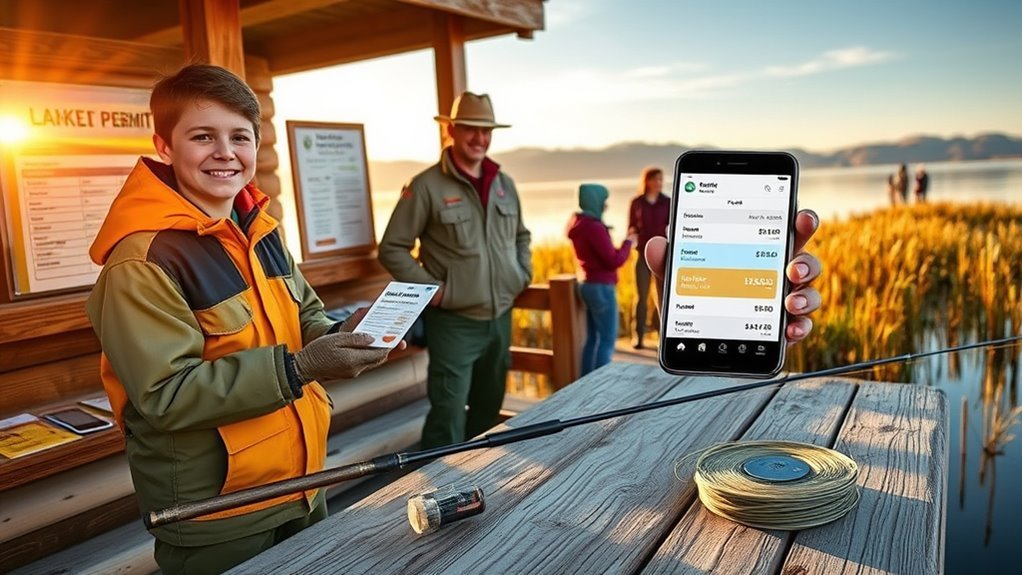
Before paying, use the FWC license exemption guide to confirm whether the young angler needs a license at all.
- Confirm age and residency. The optional $17 youth licenses are for Florida residents ages 8–15.
- Choose freshwater, saltwater, or broader coverage. Base the choice on the species being targeted, not only on how salty the water appears.
- Select a purchase channel. Buy through Go Outdoors Florida, the Fish|Hunt FL app, an authorized license agent, a county tax collector’s office, or by calling 888-FISH-FLORIDA.
- Enter the youth’s information. Be ready to provide the youth’s birth date and the identity or residency information required by the chosen sales channel.
- Save proof of the license. Store it in the Fish|Hunt FL app, print a copy, or obtain an optional hard card. The license belongs to the named youth.
Online sales currently add a handling fee of $2.25 or $1.75 plus a 2.95% surcharge, depending on the transaction. Phone sales add a higher handling fee of $6.25 plus a 2.95% surcharge per person. An in-person vendor may also charge an additional issuance fee.
Warning: FWC license and permit sales are final and nonrefundable. Confirm the angler’s age, residency, water type, and target species before completing the purchase.
Pro Tip: The Fish|Hunt FL app can store licenses and permits on a phone, making it easier to show proof during an enforcement check.
Shoreline-Only vs. Vessel-Compatible Licenses
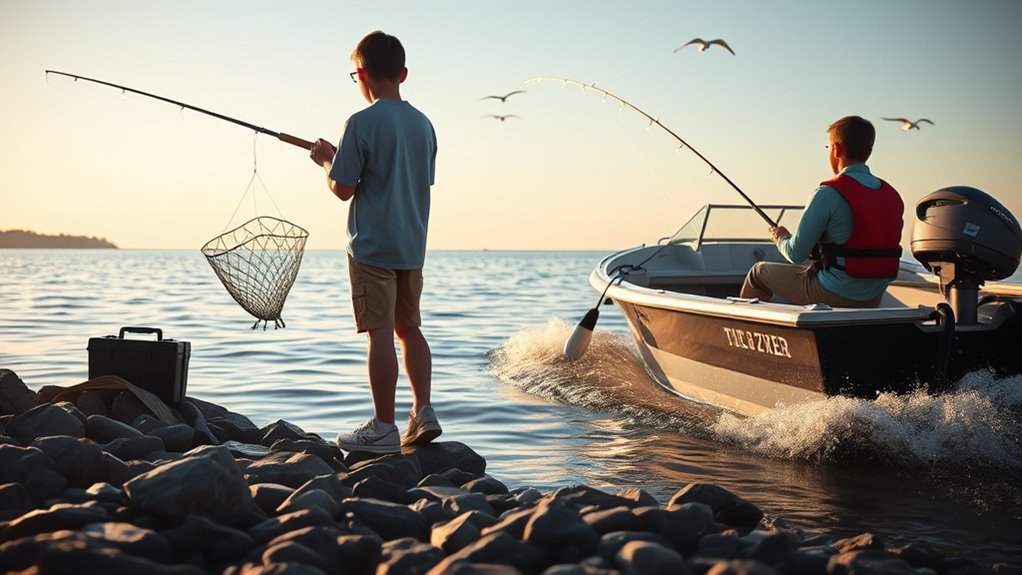
Florida’s no-cost shoreline license is a resident saltwater product. It is useful mainly for residents who are old enough to need a license and plan to fish only from shore. It is not a special youth requirement.
- Anglers under 16: Generally exempt from a saltwater fishing license whether fishing from shore or a vessel.
- Resident age 16 or older fishing from shore: May obtain the no-cost annual shoreline license if no other exemption applies.
- Fishing from a vessel: Requires regular saltwater coverage unless the angler is exempt or the trip is covered by a valid charter, pier, or recreational vessel license.
- Shore reached by boat: The shoreline-only license does not cover a fishing location reached by vessel.
- Swimming or diving: The shoreline-only license does not cover taking saltwater organisms while swimming or diving.
- Freshwater: Florida does not offer a comparable general freshwater shoreline-only license.
A Florida saltwater fishing license is required to land saltwater species in Florida regardless of whether the fish was caught in state or federal waters. Federal rules may also apply beyond Florida state waters.
Note: An angler fishing from a licensed saltwater pier, a properly licensed charter vessel, or a vessel covered by a recreational saltwater vessel license may be exempt from buying an individual saltwater license. Confirm the vessel or pier’s current license before relying on that exemption.
Combined Youth Hunting and Fishing Options
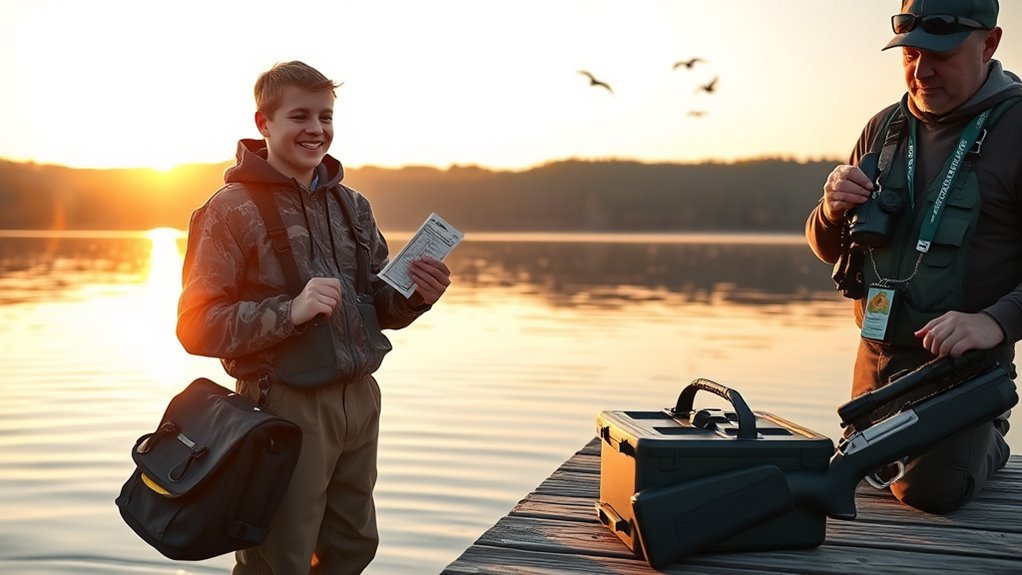
The Resident Youth Gold Sportsman’s License costs $100 and is available to eligible residents ages 8–15 who have completed the required hunter education. It remains valid until the 17th birthday and includes hunting, freshwater fishing, saltwater fishing, wildlife management area access, archery, muzzleloading gun, crossbow, deer, turkey, Florida waterfowl, snook, and lobster privileges listed by FWC.
This license may make sense for a youth who will both hunt and fish. It is usually unnecessary for a child who only takes occasional fishing trips, especially while the under-16 exemption still applies.
The $32.50 annual resident freshwater/saltwater combination is a different product. It covers both fishing categories for one year but does not include hunting privileges or the full permit package included with Gold Sportsman coverage.
When a Lifetime License May Be Better
Florida residents may also consider lifetime licenses. Current base prices for a lifetime freshwater or lifetime saltwater license are $126.50 for age 4 or younger, $226.50 for ages 5–12, and $301.50 for ages 13 and older. A lifetime saltwater license includes snook and lobster permits. Families should compare the long-term price with the child’s likely participation and review the documentation rules on the FWC lifetime license page.
Exemptions and Reduced-Cost Situations
The under-16 exemption is the most important rule for young anglers, but it is not the only exemption. Florida’s official exemption list includes several age, residency, military, disability, property, pier, charter, vessel, and fishing-method situations.
Age-Based Exemptions
- Youth under 16: Exempt from recreational freshwater and saltwater fishing licenses and from many related permits, including snook and spiny lobster permits.
- Florida residents age 65 or older: Generally exempt with proof of age and residency or a no-cost resident senior certificate.
- License-free fishing days: FWC waives recreational fishing license requirements on designated freshwater and saltwater dates, but seasons, size limits, bag limits, and other regulations remain in effect.
Military and Residency Exemptions
A Florida resident serving in the U.S. Armed Forces who is stationed outside Florida and home on leave for 30 days or less may qualify for an exemption when carrying the required orders. The rule is narrower than a general exemption for all service members.
Florida also has limited home-county exemptions for residents using live or natural bait with a pole or line that has no fishing-line-retrieval mechanism. The fishing must be noncommercial, and exceptions such as Fish Management Areas may apply.
Other saltwater exemptions can apply when fishing from a licensed charter or party boat, from a vessel whose operator holds a recreational saltwater vessel license, or from a licensed saltwater pier. Freshwater pond, homestead, disability, and public-assistance rules have their own conditions.
Warning: Some registrations and permits state “no exemptions.” Do not assume that being under 16, over 65, or otherwise license-exempt removes every species, gear, or reporting requirement.
Required Permits for Specific Species and Methods
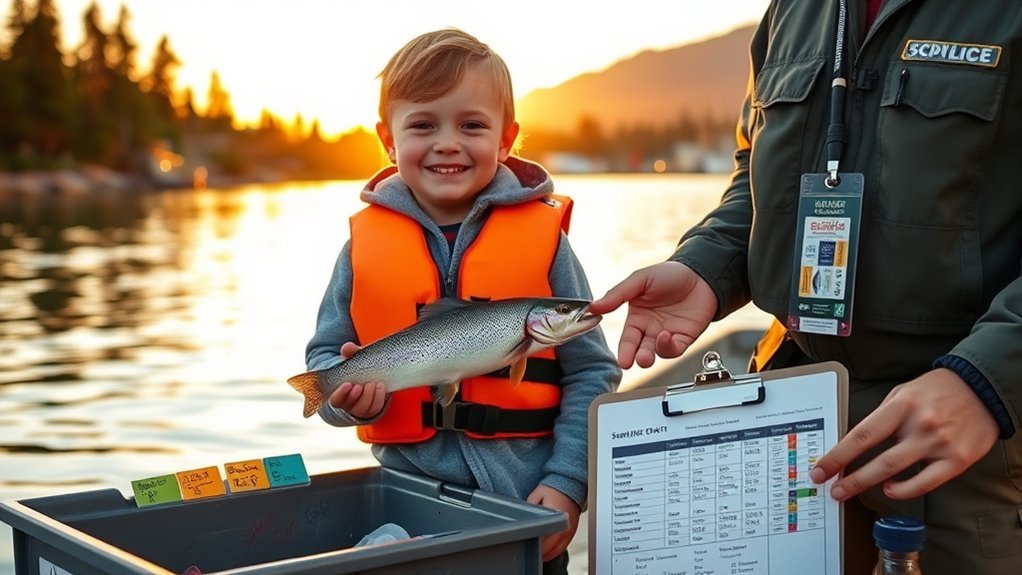
A base freshwater or saltwater license does not automatically cover every species or method. Permit rules also differ by age and exemption status.
| Permit or Registration | Base Price | Youth Rule |
| Annual Snook Permit | $10 | Required when taking or attempting to take snook unless exempt; youth under 16 are generally exempt |
| Annual Spiny Lobster Permit | $5 | Required when taking or attempting to take lobster unless exempt; youth under 16 are generally exempt |
| Tarpon Tag | $51.50 | Required when landing a tarpon; no exemptions; available only through tax collector offices |
| State Reef Fish Angler Designation | $0 | Required for anglers age 16 or older fishing for listed reef fish from a private vessel; no exemptions |
| Shore-Based Shark Fishing Permit | $0 | Required at age 16 or older after completing the education course; no permit exemptions |
| Blue Crab or Stone Crab Trap Registration | $0 | Required for recreational trap users age 16 or older; no permit exemptions |
The Youth Gold Sportsman’s License includes snook and lobster permits. A youth who turns 16 while that license remains active should still check whether a separate no-cost designation or registration is required for the planned species or gear.
Pro Tip: Check the current saltwater regulations or freshwater regulations immediately before the trip. Seasons and regional rules can change after a license is purchased.
Renewal and Transfer Rules for Youth Licenses
A resident youth freshwater or saltwater license does not need annual renewal during its youth validity period. It remains active until the named holder’s 17th birthday, unless suspended or otherwise invalidated under law.
Florida recreational licenses and permits are nontransferable. A parent cannot move one child’s license to a sibling, and a license bought as a gift must be issued in the recipient’s name.
The license or accepted electronic proof should be available while fishing. Florida law allows an officer to request the recreational license, a state-issued identification record showing the license, or another authorized proof tied to the named holder.
After the 17th birthday, the angler must move to the regular license category that matches residency and activity. An expired youth license does not create a grace period.
Tips for Parents and Young Anglers
- Start with age, not price. A child under 16 is usually exempt, so do not buy a license until you understand the benefit of the optional youth product.
- Choose by target species. Freshwater or saltwater licensing depends mainly on what the angler is trying to catch.
- Check the fishing platform. Shore, private boat, charter boat, licensed pier, swimming, and diving can trigger different saltwater rules.
- Review permits separately. A license exemption may not cover a no-exemption designation, tag, course, or trap registration.
- Recheck regulations on trip day. Confirm open seasons, legal sizes, bag limits, closed areas, and gear restrictions.
- Practice safe handling. Use eye protection when casting around others, keep hooks secured during transport, watch weather and lightning, and use a properly fitted life jacket on the water.
Boating Safety Is Separate From the Fishing License
A fishing license does not serve as proof of boating education. Anyone born on or after January 1, 1988, who operates a Florida motorboat with an engine of 10 horsepower or more generally must complete approved boating education and carry the required proof, unless an exemption applies. A person must be at least 14 to operate a personal watercraft in Florida, and everyone on a personal watercraft must wear an approved non-inflatable life jacket. Review the FWC boating education requirements before allowing a young angler to operate a vessel.
Frequently Asked Questions
Are youth fishing license fees deductible on taxes?
A fishing license bought for personal recreation is generally a nondeductible personal expense. A fee connected directly to a qualifying trade or business may be treated differently only when it meets federal tax rules for an ordinary and necessary business expense. Review current IRS business-expense guidance or consult a qualified tax professional.
Can a Florida youth fishing license be purchased as a gift?
Yes. FWC promotes recreational licenses as gifts, but the license must be issued in the child’s own name using the required birth date, identity, and residency information. It cannot later be transferred to another child.
Does a Florida youth license cover fishing in another state?
No. A Florida recreational license applies to Florida licensing requirements. Other states set their own age exemptions, residency definitions, fees, permits, and fishing regulations.
Does Florida offer sibling or family discounts on youth fishing licenses?
The standard FWC fee schedule does not list a sibling or family discount for the $17 youth fishing licenses. Each license is issued to one person. Temporary promotions may occur, so check the current FWC sales portal before purchasing.
Is boating-safety proof required to get a youth fishing license?
No. Fishing-license eligibility and boating-education requirements are separate. Boating-safety proof may be required when the young person operates a motorboat of 10 horsepower or more, depending on the operator and any applicable exemption.
Does a 16-year-old need a Florida fishing license?
Usually, yes. The general under-16 exemption ends on the 16th birthday. However, a resident youth license bought at age 8–15 remains valid until the 17th birthday, and other activity-specific exemptions may also apply.
Does one $17 youth license cover both freshwater and saltwater fishing?
No. The $17 resident youth freshwater license and $17 resident youth saltwater license are separate products. A youth who wants both may buy both, or an eligible youth may choose the broader Youth Gold Sportsman’s License after completing hunter education.
Conclusion
Most Florida anglers under 16 can fish without buying a recreational license, but the optional $17 resident youth freshwater or saltwater license may be valuable because it remains active until the 17th birthday. At age 16, confirm whether an earlier youth license is still active; at age 17, move to the regular license category. Always check residency, fishing method, target species, special permits, handling fees, and current regulations before paying or heading to the water.
Sources
- FWC Saltwater Recreational Licenses and Permits and FWC Freshwater Recreational Licenses and Permits — youth ages, validity, base prices, combinations, and permit fees.
- FWC License and Permit Exemptions — under-16, senior, military, pier, charter, vessel, and method-based exemptions.
- FWC How to Order — official purchase channels and current online and phone handling fees.
- FWC Saltwater Recreational Fishing Regulations and FWC Freshwater Fishing Regulations — current species, season, size, bag, and gear rules.
- FWC Boating Safety Education FAQs — motorboat operator education and proof requirements.
- Florida Statute 379.354 — nontransferability and personal possession of recreational licenses.