
Michigan does not sell or require a separate trout stamp. If you are 17 or older and fish for trout in Michigan public waters, you generally need a valid all-species fishing license and must follow the current trout and salmon rules for the water you plan to fish. The license covers trout without an extra species fee.
Quick Answer
Michigan’s trout stamp costs $0 because the state does not require or sell a separate trout stamp. For 2026, trout fishing is included in the all-species license: $26 for residents, $76 for nonresidents, or $11 for eligible senior or legally blind residents, plus the stated $1 surcharge. A $10 daily license is also available.
Key Takeaways
- Michigan has no separate trout stamp or trout endorsement.
- Anglers age 17 and older generally need an all-species fishing license for trout.
- The 2026 annual license is $26 for residents and $76 for nonresidents, plus a $1 surcharge.
- A license does not replace water-specific rules for trout seasons, size limits, gear, or possession limits.
What Is the Trout Stamp and Who Needs It?
Some states require a trout stamp, endorsement, or special trout permit in addition to a basic fishing license. Michigan does not. The Michigan Department of Natural Resources license list uses one all-species fishing license that covers trout, salmon, and other legal species.
You must purchase a fishing license if you are 17 or older and fish public waters in Michigan, unless a specific exemption applies. Anglers younger than 17 may fish without a license, but they must follow all fishing regulations. An adult who actively assists an unlicensed minor must have a fishing license.
The license is only one part of legal trout fishing. Michigan classifies inland trout and salmon waters by type, and the season, minimum size, possession limit, and permitted tackle can change by waterbody. Check the current Michigan Fishing Regulations and the inland trout and salmon maps before fishing.
Note: Search results may use “trout stamp” as a general term because other states sell one. In Michigan, the correct current purchase is an all-species fishing license, not a separate trout stamp.
Products Worth Considering

1.25" x 3.25" Stamp Block
Approximate Size: 3/4" x 2"
1" x 2.5" Stamp Block
Michigan Trout Stamp Cost and License Options

The separate Michigan trout stamp fee is $0 because no trout stamp is offered or required. For the 2026 season, the DNR lists the following fishing license prices. The annual resident, nonresident, and senior licenses carry an additional $1 surcharge.
| License or Permit | 2026 Cost |
| Separate trout stamp | $0; not offered or required |
| Annual all-species resident | $26 plus $1 surcharge ($27 total) |
| Annual all-species nonresident | $76 plus $1 surcharge ($77 total) |
| Annual all-species senior or legally blind resident | $11 plus $1 surcharge ($12 total) |
| Daily all-species resident or nonresident | $10 for 24 hours |
| Voluntary youth license, age 16 or younger | $2 |
A daily license can be practical for a short trip because it covers all legal species for the selected 24-hour period. The annual license is usually the better value for anglers who expect to fish on several days. Prices can change, so confirm the amount shown at checkout on the official DNR system.
Pro Tip: Buy through the official DNR eLicense system or Hunt Fish app before traveling to a remote stream. Confirm your name, license year, and effective date before leaving cellular coverage.
How Fishing License Fees Support Trout Conservation
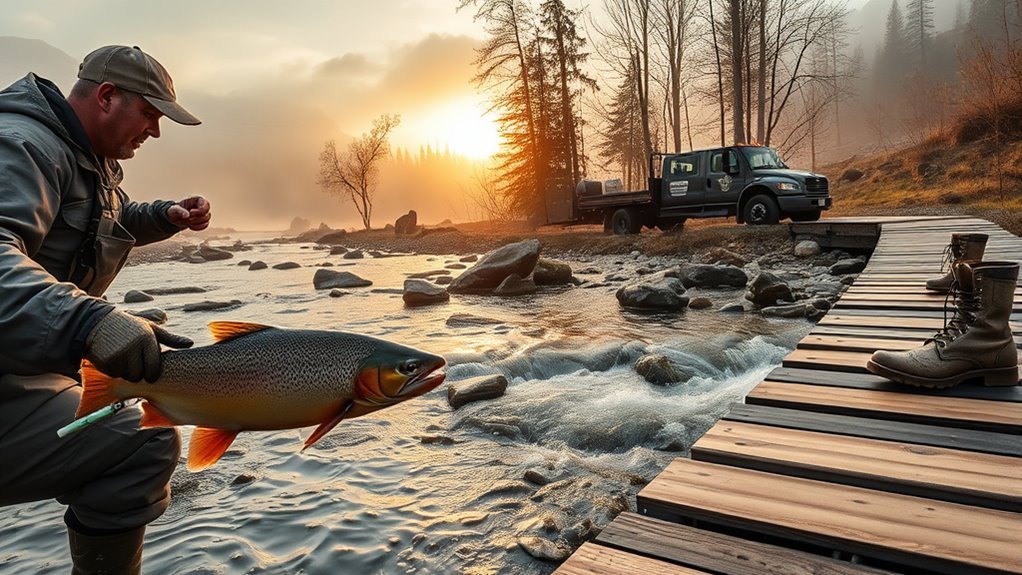
Michigan does not earmark a separate trout stamp fee. Instead, the DNR says its Fisheries Division is supported largely by fishing license revenue and federal Dingell-Johnson funding. Those funds support fish hatcheries, stocking, habitat work, research, regulations, and public fishing opportunities.
The DNR uses stocking when it can create or restore fishing opportunities, support populations in decline, or reintroduce native species. It also avoids stocking where wild fish populations are already meeting management goals. Habitat projects may include dam removal, improved fish passage, stream restoration, and resource assessments.
Michigan DNR reports stocking more than 20 million fish, weighing more than 350 tons, in public waters during a typical year; stocked species include several trout and salmon species.
| Program Area | How It Supports Fisheries |
| Habitat restoration | Improves stream function, fish passage, and cold-water habitat |
| Stocking | Creates opportunities and supports selected fish populations |
| Monitoring and research | Guides stocking, harvest rules, and long-term management |
| Fisheries Habitat Grants | Helps eligible partners complete habitat, dam, and access projects |
Exemptions, Discounts, and Special Provisions
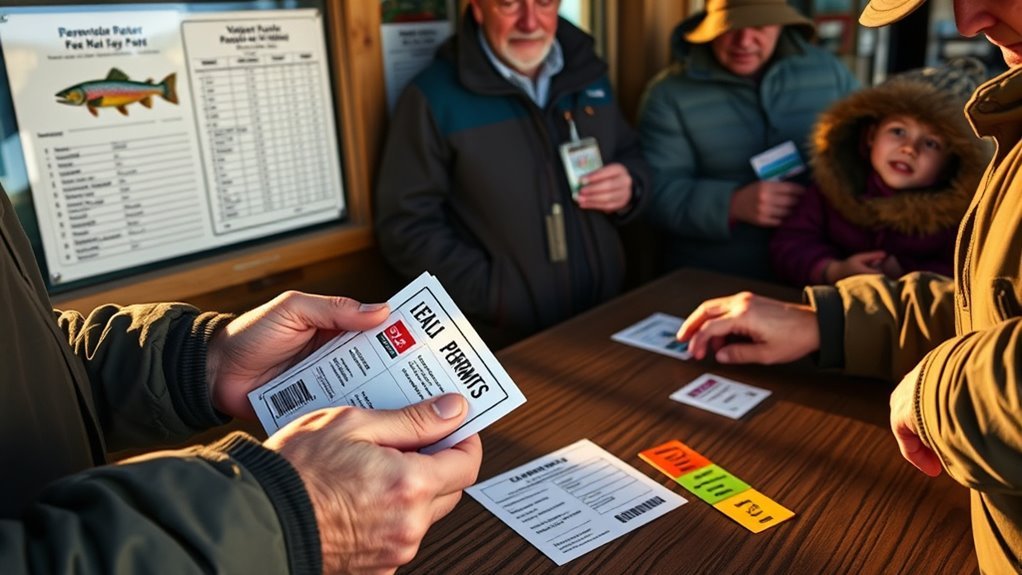
Because Michigan has no trout stamp, exemptions and discounts apply to the fishing license itself. Eligibility depends on age, residency, military status, disability status, or a specific legal authorization.
Products Worth Considering

Product Material: Our license plate frame is made of premium quality aluminum, which ensures that the plate frame will never wear out. Corrosion resistant, Personalized Car Frame Can Perfect to Put on Your Front of Car,Decorate your car to make it look more beautiful and unique.

Express yourself with the front license plate design that fits your sense of humor, political views, or promotes your cause and beliefs.
Veterans and Active-Duty Exemptions
Michigan resident veterans may receive qualifying hunting and fishing licenses free of charge when the U.S. Department of Veterans Affairs has found them permanently and totally disabled at the 100% rate for a service-connected disability other than blindness, or individually unemployable. The veteran should carry the required VA eligibility documentation when obtaining and using the license.
Full-time active-duty members of the U.S. military who maintain Michigan resident status can also have fishing license fees waived. They must provide military documentation and proof of Michigan residency. The current rule does not create a trout-fishing exception because trout are included in the all-species license.
Senior, Disability, and Youth Rules
- Michigan residents age 65 or older may buy the annual all-species senior license for $11 plus the $1 surcharge.
- Michigan residents who are legally blind qualify for the same senior-priced annual license.
- Anglers younger than 17 do not need a fishing license, but all seasons, limits, and gear rules still apply.
- An adult who actively assists an unlicensed minor must hold a valid fishing license.
- Michigan law allows the DNR to issue permits for certain qualifying groups that include people with developmental disabilities; this is not a blanket exemption for every individual or outing.
Warning: Do not assume that age, disability, military service, tribal affiliation, or accompanying another angler automatically waives the license requirement. Verify the exact eligibility rule and carry any required documentation.
Purchasing Process and Validity Period
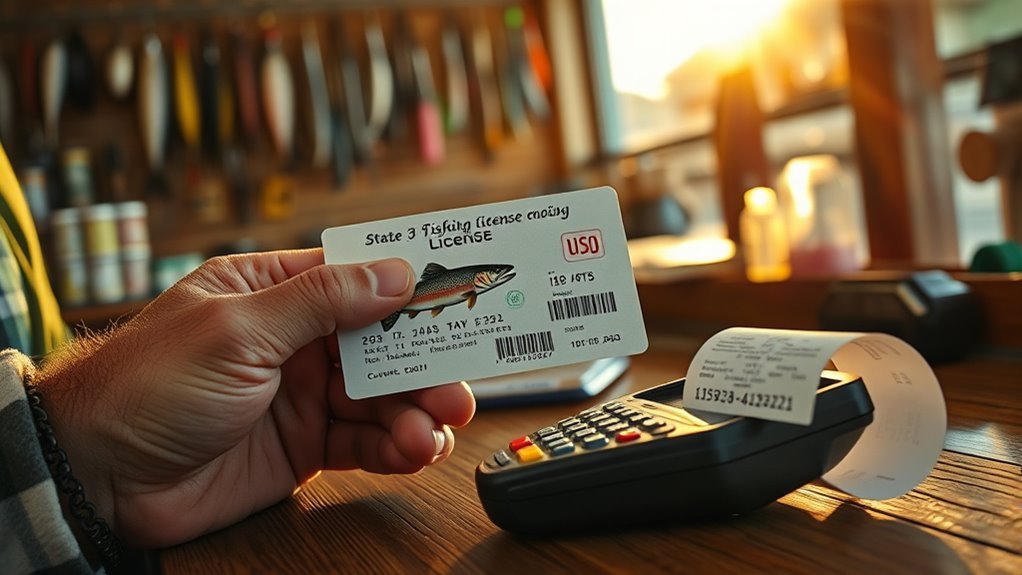
You can buy the all-species fishing license online, through the official Michigan DNR Hunt Fish app, or from an authorized license agent. You do not need to add a trout stamp at checkout.
Products Worth Considering

【MATERIAL】: oFloral License plate frame is made from premium quality aluminum, which can provide long-lasting protection from corroding, rusting and aging, durability for long lasting usage.Personalized Car Frame Can Perfect to Put on Your Front of Car or for Decorative Purposes Around the House Like in Your Bedroom, Garage, Basement, Ect.

UNIQUE DESIGN: Display your license plate with a frame as unique as you are. Designed to show off your one-of-a-kind style, our lightweight and durable frames are made to withstand all driving conditions.

☞.Aluminum Alloy License Plate Frame The Holder Measures 12" x 6" and Fits Standard US and Canada License Plate.
Where to Buy
Use the identification requested by the licensing system. Resident buyers must meet Michigan’s residency rules to claim the resident rate. Review the receipt immediately and correct any name, date, or license-year error before fishing.
Validity Dates
The 2026 Michigan fishing and regulation season began April 1, 2026. A 2026 annual fishing license is valid through March 31, 2027. A daily license is valid for 24 hours from the date and time selected by the purchaser.
| Item | Detail |
| 2026 annual license | Valid through March 31, 2027 |
| Daily license | Valid for 24 hours from the selected start time |
| Trout stamp validity | Not applicable; Michigan has no separate trout stamp |
Displaying Your License
When fishing, carry your fishing license and the identification used to purchase it. You must show both when requested by a Michigan conservation officer or other authorized officer. The Hunt Fish app can store and display licenses on a mobile device, and an online license can also be printed.
If you rely on a phone, make sure the license is available in the app before entering an area with weak service and keep the device charged. A printed copy is a useful backup, but it does not replace the required identification.
Pro Tip: Open the Hunt Fish app and confirm that your current license appears before you leave home. This avoids login or connectivity problems at the water.
Alternatives for Supporting Cold-Water Fisheries
You do not need a voluntary trout stamp to support Michigan’s cold-water fisheries. Buying a fishing license already helps fund Fisheries Division work. You can also support established watershed organizations, participate in stream cleanups, volunteer on habitat projects, and follow invasive-species prevention practices.
The DNR’s Fisheries Habitat Grant Program supports eligible projects such as fish habitat conservation and dam removal or repair. Anglers can learn which organizations are completing funded projects and support credible local partners with clear goals and public reporting.
On every trip, clean plant material and mud from gear, drain water from boats and equipment, and dry or disinfect gear before moving to another waterbody. These steps help reduce the spread of aquatic invasive species and fish diseases that can harm trout habitat.
Frequently Asked Questions
Do nonresident anglers need a separate Michigan trout stamp?
No. Michigan does not require a separate trout stamp for residents or nonresidents. A nonresident age 17 or older generally needs an all-species annual license for $76 plus the $1 surcharge, or a $10 daily all-species license.
Can I get a refund if I do not fish after buying a license?
There is no Michigan trout stamp to refund. The DNR does not publish a simple, universal fishing-license refund promise on its license information page. For a duplicate purchase, incorrect license, or other transaction problem, contact DNR licensing assistance promptly at 517-284-6057.
Are electronic fishing licenses accepted on remote trips?
Yes. The Michigan DNR Hunt Fish app can store and display fishing licenses. You must be able to present the license and the identification used to buy it when requested, so confirm the license is available and keep your phone charged. A printed copy is a sensible backup.
Does the all-species license allow ice fishing for trout?
The all-species license covers legal trout fishing, including ice fishing where the water is open to that activity. The license does not override season dates, waterbody classifications, size limits, possession limits, or gear restrictions.
Are there group or family trout stamp discounts?
Michigan has no trout stamp and therefore no trout-stamp group discount. Each angler age 17 or older generally needs an individual fishing license. Anglers age 16 or younger may fish without a license, and daily licenses can reduce the cost of a short family trip.
Can I fish for trout with a Michigan daily license?
Yes. The $10 daily license is an all-species license valid for 24 hours from the selected start time. You must still follow the trout regulations for the exact stream, lake, or Great Lakes water you fish.
Conclusion
A Michigan trout stamp costs $0 because the state does not sell or require one. Trout fishing is included in the all-species fishing license. For 2026, the annual price is $26 for residents, $76 for nonresidents, or $11 for eligible senior or legally blind residents, plus the stated $1 surcharge. Buy through the official DNR system, carry your license and identification, and check the rules for the exact trout water before fishing.
Sources
- Michigan DNR Fishing and Hunting License Information — license requirements, prices, validity, age rules, military benefits, and replacement guidance.
- Michigan DNR: 2026 Fishing Licenses Now Available — current 2026 fees, surcharge, season, and expiration date.
- Michigan Fishing Regulations — current trout and salmon rules, maps, seasons, and waterbody restrictions.
- Michigan DNR Hunt Fish Mobile App — purchasing, storing, and displaying licenses.
- Michigan DNR Funding — how fishing license revenue and federal funds support Fisheries Division work.
- Michigan DNR Fish Stocking Program — stocking scale, species, and management purpose.
