
A Florida saltwater fishing license usually costs $17 per year for a resident or $47 per year for a nonresident. Visitors can also buy a three-day license for $17 or a seven-day license for $30. Florida residents who fish only from shore may qualify for a no-cost shoreline license, while species such as snook and spiny lobster require extra permits.
Quick Answer
A Florida resident saltwater fishing license costs $17 annually, while a nonresident annual license costs $47. Nonresidents can choose a $17 three-day or $30 seven-day license. Florida residents may obtain a free shoreline-only license, but fishing from a vessel, targeting certain species, or using traps may require additional licenses or permits.
Key Takeaways
- Florida residents pay $17 for an annual saltwater license or $79 for a five-year license.
- Nonresidents pay $17 for three days, $30 for seven days, or $47 for one year.
- The free resident shoreline license does not cover fishing from a boat, swimming, diving, or shore reached by boat.
- Children under 16 and Florida residents age 65 or older are generally exempt, although proof and special permits may still be required.
- Snook, spiny lobster, reef fish, shore-based shark fishing, tarpon, and crab traps can trigger additional requirements.
Types of Florida Saltwater Fishing Licenses
The right Florida license depends on your residency, trip length, fishing location, and whether you also want freshwater fishing or hunting privileges. The Florida Fish and Wildlife Conservation Commission lists the following base saltwater fishing options:
| License | Price | Best For |
|---|---|---|
| Resident annual saltwater | $17 | Florida residents fishing from shore or a vessel |
| Resident five-year saltwater | $79 | Residents who expect to fish regularly |
| Resident shoreline-only | No cost | Residents fishing only from land or a structure fixed to land |
| Nonresident three-day | $17 | A short Florida fishing trip |
| Nonresident seven-day | $30 | A weeklong vacation |
| Nonresident annual | $47 | Several trips or an extended stay |
A saltwater license is required to take or attempt to take saltwater fish, crabs, clams, marine plants, and most other saltwater organisms unless an exemption applies. Casting a line for catch-and-release fishing normally counts as attempting to take fish.
Florida also requires an appropriate license when you land saltwater species in Florida, even when the fish were caught outside Florida state waters.
Pro Tip: A resident who might fish from a boat should consider the regular $17 annual license instead of the free shoreline license. The full license covers both shoreline and vessel fishing and avoids having to upgrade later.

This daily devotional helps parents pray purposefully for their children through a full year of Scripture readings, reflections, and guided prayer prompts. Written to encourage faithful family discipleship, it offers practical, biblically grounded support for parents who want to shape their prayers around God's Word. A foreword by Sinclair B. Ferguson adds trusted theological insight and encouragement.

This kid-friendly cookbook helps young chefs build confidence in the kitchen with more than 100 recipes designed for fun, learning, and delicious results. Created by America's Test Kitchen Kids, it offers approachable instructions, helpful guidance, and a wide range of dishes that make cooking and eating an engaging family activity.

Stay organized with a durable 1-subject notebook set designed for school, note-taking, and digital study support. The college ruled pages resist ink bleed, tear out cleanly, and work with the Five Star Study App to create flashcards and sync notes to Google Drive. Tough pockets, a water-resistant cover, and Spiral Lock wire help protect your work throughout the year.
Florida Residency and Age Qualifications
Resident prices are available only to people who meet Florida’s residency rules. Age can also determine whether you need to buy a license at all.
Residency Eligibility Rules
For recreational fishing and hunting licenses, Florida generally treats you as a resident when you have declared Florida as your only state of residence and can provide accepted proof. The main form of proof is a Florida driver license or Florida identification card with a Florida address and residency verified by the Florida Department of Highway Safety and Motor Vehicles.
If you do not have a Florida driver license or identification card, accepted alternatives may include:
- A current Florida voter registration information card
- A declaration of domicile
- Proof of a current Florida homestead exemption
Active-duty U.S. military personnel stationed in Florida, along with spouses and dependent children living in the same household, can qualify as residents by presenting military orders. Youths under 18 may use a Florida school identification card or a parent’s proof of residency when accompanied by that parent.
Review the complete documentation rules on the official FWC Florida residency page before purchasing a resident license.
Age-Based Exemptions and Youth Licenses
Children under age 16 do not normally need a Florida recreational saltwater fishing license. However, Florida offers an optional Resident Youth Saltwater Fishing License for $17 to youths ages 8–15. It remains valid until the holder’s 17th birthday.
The optional youth license can prevent a coverage gap when the angler turns 16. It also provides a license record even during years when the child would otherwise be exempt.
Florida residents age 65 or older generally do not need a recreational saltwater fishing license or common snook and lobster permits. They should carry proof of Florida residency and age, such as a Florida driver license or identification card. An optional no-cost Resident 65+ Hunt/Fish Certificate is also available.
Qualifying Florida residents with disabilities may apply for a no-cost Persons with Disabilities Resident Hunting/Fishing License. Eligibility is based on specific FWC criteria and documentation, not simply on having any disability. Eligible veterans may qualify with an honorable discharge and a certified service-connected disability rating of 50% or greater.
Note: Some no-cost permits and registrations have no exemptions. For example, the State Reef Fish Angler designation and certain shore-shark or trap registrations may still be required even when an angler is exempt from the normal license fee.
Florida Saltwater License Fees and Price Breakdown
For most Florida residents, the choice is between the $17 annual license, the $79 five-year license, and the no-cost shoreline-only license.
At $79 for five years, the resident five-year saltwater license averages $15.80 per year, compared with $17 per year when five annual licenses are purchased separately.
The five-year license saves $6 over five years at the currently listed base prices. Its larger advantage is convenience because you do not have to renew annually.
For nonresidents, compare the license length with the number of days you will actually fish:
- One to three consecutive days: $17 three-day license
- Four to seven consecutive days: $30 seven-day license
- More than seven days or several trips: $47 annual license may offer better value
The license price may not be the final checkout amount. Vendors can charge an additional issuance fee, and online or telephone purchases include handling charges. A hard, credit-card-style license card also costs extra and is optional.
Short-Term and Youth License Options
Florida’s short-term recreational saltwater licenses are for nonresidents. The state offers a three-day nonresident license for $17 and a seven-day nonresident license for $30. Florida does not list a standard resident ten-day recreational saltwater license.
A visitor planning two separate trips may find the $47 annual license cheaper than buying two seven-day licenses for a total of $60. The annual license can also be useful when fishing dates are spread throughout the year.
The $17 resident youth saltwater license is optional for ages 8–15 because children under 16 are otherwise exempt. Once purchased, it remains valid until the youth’s 17th birthday.
Nonresident children under 16 are also generally exempt from Florida’s individual recreational fishing license requirement. Special registrations with no exemptions may still apply to certain activities.
Combination and Gold Sportsman Packages
Florida residents who also fish in freshwater or hunt can reduce the number of separate licenses they manage by choosing a combination or Gold Sportsman license.
Combination Package Benefits
The Annual Resident Saltwater Fishing and Freshwater Fishing Combination License costs $32.50. Buying separate $17 annual freshwater and saltwater licenses would cost $34, so the combination saves $1.50.
The Annual Resident Saltwater Fishing, Freshwater Fishing, and Hunting Combination License costs $48. It provides the three basic privileges but does not automatically include every species or hunting permit.
- Saltwater and freshwater combination: $32.50 annually
- Saltwater, freshwater, and hunting combination: $48 annually
Gold Sportsman Coverage
The Annual Resident Gold Sportsman’s License costs $100. The five-year version costs $494.
Gold Sportsman coverage includes:
- Saltwater fishing
- Freshwater fishing
- Hunting
- Wildlife Management Area permit
- Archery, muzzleloading gun, and crossbow season permits
- Deer, turkey, and Florida waterfowl permits
- Snook and spiny lobster permits
The Annual Resident Military Gold Sportsman’s License costs $20 and is available to qualifying active-duty or retired military Florida residents. Proof of residency and current military identification or online verification is required.
Cost Versus Value
The $32.50 fishing combination is usually the practical choice when you regularly fish in both saltwater and freshwater but do not hunt. The $100 Gold Sportsman package becomes more useful when you actively use several hunting seasons and the included snook and lobster permits.
The five-year Gold license costs $494, or an average of $98.80 per year. That is only a small discount from buying five annual Gold licenses for $500, so convenience is a larger benefit than the $6 direct savings.
Florida residents can also purchase lifetime licenses. Current lifetime saltwater fishing prices are:
- Age 4 or younger: $126.50
- Ages 5–12: $226.50
- Age 13 or older: $301.50
The lifetime saltwater license includes saltwater fishing privileges plus snook and spiny lobster permits. Review documentation requirements on the FWC lifetime-license page.
Special Florida Saltwater Permits and Registrations
A basic saltwater license does not cover every species, gear type, or activity. Check the following requirements before your trip:
| Permit or Registration | Price | When It Is Needed |
|---|---|---|
| State Reef Fish Angler designation | $0 | Anglers age 16 or older targeting designated reef fish from a private vessel; no exemptions |
| Shore-based Shark Fishing permit | $0 | Anglers age 16 or older targeting sharks from shore, bridges, jetties, or piers; educational course required |
| Snook permit | $10 annual; $50 five-year resident | Taking or attempting to take snook when a license is required |
| Spiny lobster permit | $5 annual; $25 five-year resident | Taking or attempting to take spiny lobster |
| Tarpon tag | $51.50 per tag | Landing a tarpon under the limited circumstances allowed by Florida regulations |
| Blue crab trap registration | $0 | Recreational harvesters age 16 or older using blue crab traps; no registration exemptions |
| Stone crab trap registration | $0 | Recreational harvesters age 16 or older using stone crab traps; no registration exemptions |
Warning: A valid license or permit does not guarantee that a species is open to harvest. Seasons, regional closures, bag limits, vessel limits, size limits, and gear rules can change. Check the current FWC species regulations immediately before fishing.

Push Pop Candy Lollipops offer a fun, shareable treat with 24 individually wrapped lollipops in a portable push-up case that lets kids enjoy now or save for later. This variety pack includes fruity favorites like strawberry, blue raspberry, berry blast, and watermelon, making it a great choice for party favors, gifts, celebrations, and holiday candy bowls. Shelf-stable and easy to hand out, it’s a convenient bulk candy option for birthdays, Valentine’s Day, and family events.

These colorful answer buzzers turn lessons, review games, and family activities into lively game-show style challenges that boost participation and make learning more interactive. Each buzzer has a distinct sound to clearly identify who buzzed in first, while the durable, palm-sized design makes them easy for kids and adults to use in classrooms, homeschools, and group settings.

Celebrate birthdays, anniversaries, and other special moments with this handcrafted set of number candle holders from 1 to 10. Made from recycled aluminum in Mexico, each piece offers a distinctive handmade finish and lasting keepsake quality. Presented in a petite box, it makes a thoughtful gift and a charming addition to home décor.
Where and How to Purchase a Florida License
You can purchase most Florida recreational fishing licenses and permits through any of the following official channels:
- GoOutdoorsFlorida.com
- The Fish|Hunt FL mobile app
- A Florida county tax collector’s office
- An authorized license agent, including many tackle shops and sporting-goods retailers
- By calling 888-FISH-FLORIDA at 888-347-4356
Go Outdoors Florida is the state-authorized online licensing system. After purchasing, you can store and display licenses through the Fish|Hunt FL app. You should still make sure your phone is charged and that the license is accessible in areas with limited service.
FWC currently lists additional handling charges for online and telephone sales. Online orders may include a $2.25 charge or a $1.75 charge plus 2.95% of the sale. Telephone orders include a $6.25 charge plus 2.95% per person.
Note: Florida recreational license and permit sales are final. License fees, permit fees, processing charges, and convenience charges are generally nonrefundable, so confirm the species season and correct license type before paying.
Rules, Limits, and Legal Requirements
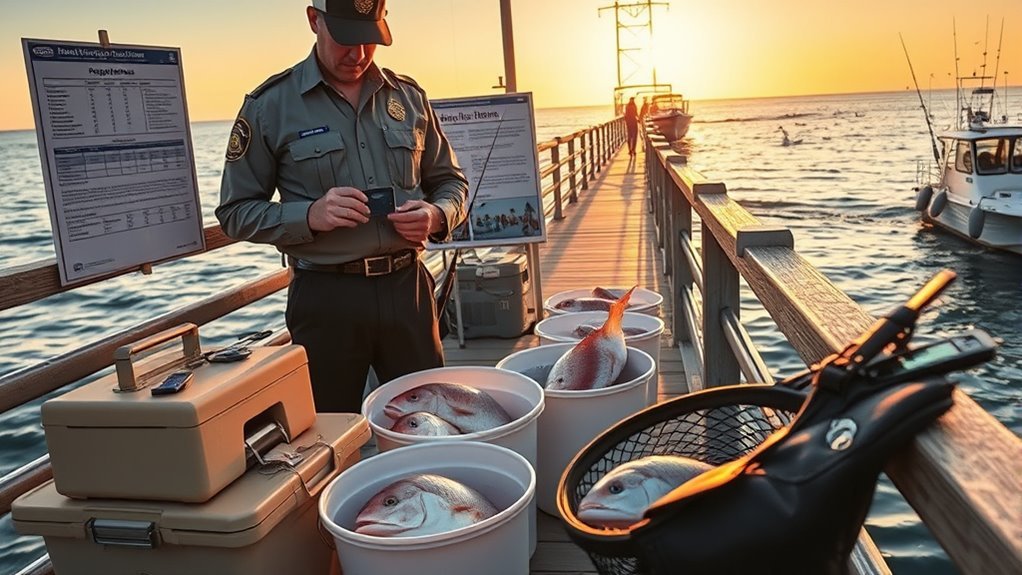
A Florida fishing license is generally required when you take or attempt to take saltwater organisms. That includes casting a line for catch-and-release fishing and helping another angler in a way that assists with the take, such as baiting hooks, reeling in fish, or netting a catch.
A passenger who only watches and does not fish or help with fishing does not normally need an individual license. However, officers may look at the number of active lines and the conduct of everyone aboard when determining who is participating.
Individual anglers may not need their own saltwater license when fishing from:
- A properly licensed Florida charter, guide, or party boat
- A vessel covered by a valid recreational saltwater vessel license
- A pier covered by a valid saltwater pier license
Confirm that the vessel or pier license is current before relying on this exemption. A U.S. Coast Guard captain’s credential by itself does not replace the required FWC charter or vessel coverage.
In tidal rivers and estuaries, the required license can depend on the species being targeted rather than only on whether the water looks fresh or salty. When freshwater and saltwater species overlap, review both sets of FWC regulations or carry a combination license.
Florida state saltwater regulations generally apply from shore to three nautical miles in the Atlantic and from shore to nine nautical miles in the Gulf. Federal rules may apply beyond those boundaries. Some Florida requirements also apply when a fish caught in federal waters is landed in Florida.
Before fishing, check the official Florida saltwater recreational regulations for current seasons, size limits, bag limits, regional rules, prohibited species, and gear restrictions.
Florida Tournament and Event Requirements
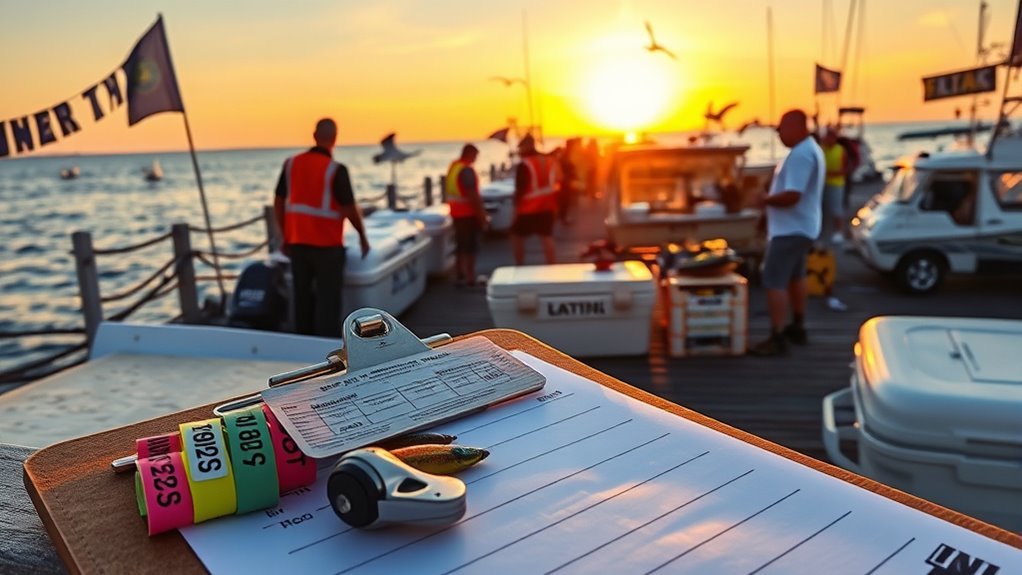
Taking part in a Florida fishing tournament does not automatically exempt an angler from normal license and permit requirements. Unless participants are covered by a licensed charter, licensed pier, vessel license, free fishing day, or a specific event exemption, each active angler must have the licenses and permits required for the activity.
Florida offers limited event exemptions for qualifying programs. For example, an organizer may apply for a Fishing Education Event License Exemption Permit for an approved educational event. Applications must meet FWC requirements and be submitted within the agency’s application window.
FWC also offers a Military/Disabled Veteran Event License Exemption Permit for qualifying events serving disabled veterans and active or reserve military service members. An organizer must receive approval before relying on the exemption.
Ordinary tournament organizers should:
- Confirm the licenses and permits required for each targeted species
- Check whether participants will fish from licensed or unlicensed vessels
- Publish current size, bag, vessel, gear, and season rules
- Confirm whether any federal permits apply outside state waters
- Keep weigh-in, handling, release, and reporting procedures consistent with FWC rules
Recreationally caught fish generally cannot be sold. Commercial harvest and sale require the proper commercial licenses, reporting, and dealer arrangements. Limited species-specific tournament donation programs may have separate FWC permits and conditions, but organizers should not assume that a recreational tournament authorizes a sale.
Frequently Asked Questions
Do I need a separate shellfish or crab license in Florida?
A regular Florida saltwater license generally covers recreational harvest of crabs, clams, and many other saltwater organisms. Additional requirements apply to some activities. Spiny lobster requires a $5 annual permit, while recreational blue crab and stone crab trap users age 16 or older need the appropriate no-cost online trap registration.
Are boat guests required to carry their own fishing license?
A guest who fishes or assists with taking fish generally needs a license unless an exemption applies. A passenger who only watches and does not bait hooks, reel, net fish, or otherwise help normally does not need a license. Passengers on a properly licensed Florida charter may be covered by the operator’s charter license.
Does a Florida saltwater license cover tidal rivers?
It can cover fishing for saltwater species in tidal and estuarine waters. Where freshwater and saltwater species overlap, the required license may depend on the species you target or possess. A freshwater and saltwater combination license is the simplest option for anglers who regularly fish mixed waters.
Do children need a Florida saltwater fishing license?
Children under 16 are generally exempt from Florida recreational fishing license requirements. Florida residents ages 8–15 may purchase an optional $17 youth saltwater license that remains valid until their 17th birthday. Certain no-exemption registrations may still be required for specialized activities.
Do Florida residents age 65 or older need a license?
Florida residents age 65 or older are generally exempt from recreational saltwater and freshwater fishing licenses and common snook and lobster permits. They should carry proof of Florida residency and age. Some registrations, including the State Reef Fish Angler designation, can still apply.
Can I get a refund for an unused short-term license?
Florida recreational license and permit sales are final and nonrefundable. This includes normal license fees and related handling charges. Check your fishing dates, residency status, target species, and season before completing the purchase.
Do I need a license for catch-and-release fishing?
Yes, in most cases. Florida requires a license to take or attempt to take fish, and casting a line for catch-and-release fishing is normally considered an attempt to take fish. An exemption may apply based on age, residency, location, event, or licensed charter or pier coverage.
Conclusion
A Florida saltwater fishing license costs $17 annually for a resident and $47 annually for a nonresident. Short-term nonresident licenses cost $17 for three days or $30 for seven days, while qualifying Florida residents can obtain a no-cost shoreline-only license.
Choose your license based on residency, trip length, shoreline or vessel access, and the species you plan to target. Then check for extra snook, lobster, reef-fish, shark, tarpon, or trap requirements. Because seasons and harvest rules can change, review the official FWC regulations immediately before every trip.
Sources
- Florida Fish and Wildlife Conservation Commission — Recreational Saltwater Licenses and Permits — current base fees, combination licenses, Gold Sportsman packages, and special permits
- Florida Fish and Wildlife Conservation Commission — License Exemptions — age, senior, disability, military, charter, pier, and vessel exemptions
- Florida Fish and Wildlife Conservation Commission — Florida Residency — accepted proof of resident status
- Florida Fish and Wildlife Conservation Commission — How to Order — official purchase methods, handling charges, and refund policy
- Florida Fish and Wildlife Conservation Commission — Saltwater Recreational Regulations — current species, season, size, bag, and gear rules
- Florida Fish and Wildlife Conservation Commission — Lifetime Licenses — current lifetime saltwater and Gold Sportsman prices

Aegend Swim Goggles are designed to help swimmers enjoy a clear, comfortable, and secure fit in the pool. Built for adults and youth, they aim to reduce leaking and provide full eye protection for training, recreation, and water sports. Their versatile design makes them a practical choice for men and women looking for dependable swim eyewear.

BIC Cristal Xtra Smooth Blue Ball Pens deliver dependable everyday writing with a medium 1.0mm point and fluid Easy-Glide System Ink. Designed to create clear, dark lines, these pens are ideal for notes, lists, journaling, schoolwork, and office tasks. The convenient 10-count pack offers reliable performance for home, work, or classroom use.

These Rawlings practice baseballs are built for young players ages 8 and under, offering an easy grip and consistent feel for recreational play. Each ball features a synthetic leather cover with a solid cork and rubber center, plus official size and weight for reliable training. The set includes a durable bucket for convenient storage and transport, making it a smart choice for coaches, parents, and teams.
