

Replacing carpet with hardwood can transform your home. It adds elegance and increases property value.
But how much does it actually cost? The answer depends on a few key factors: the type of hardwood, the size of the area, and local labor rates. On average, U.S. homeowners spend between $6 and $12 per square foot, covering both materials and installation.
This guide breaks down every cost factor so you can budget accurately and make a confident decision.
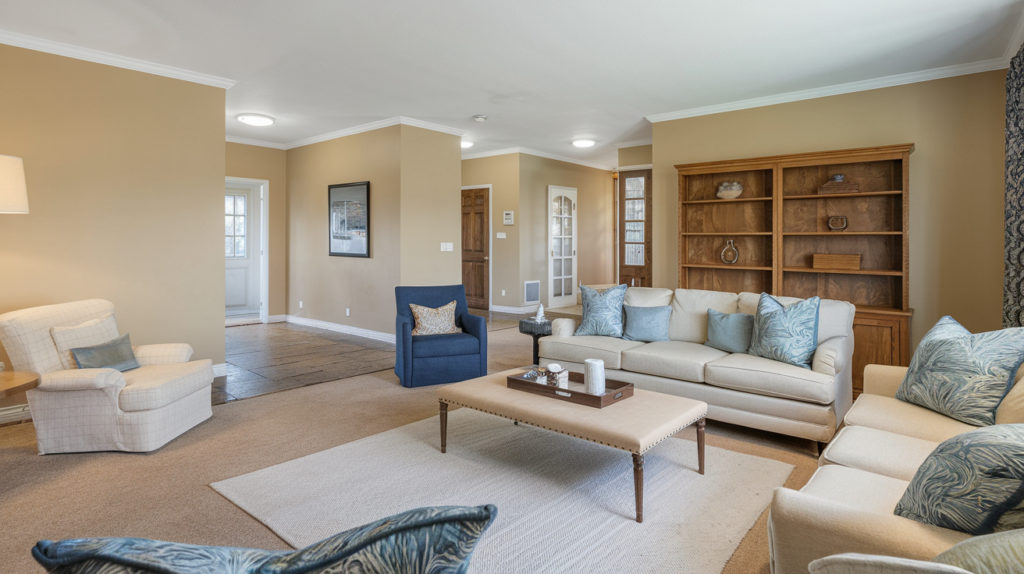
“Hardwood flooring not only enhances the aesthetics of your home but also adds value that lasts a lifetime.” — Sarah McAllister, Interior Designer
Quick Answer
- Replacing carpet with hardwood typically costs $6 to $12 per square foot, including materials and labor.
- Material costs range from $5 to $15 per square foot depending on wood species.
- Labor runs $3 to $8 per square foot, with complexity and subfloor condition affecting the final number.
- Engineered hardwood is a budget-friendly alternative to solid hardwood and works in more spaces.
- Hardwood adds long-term home value and is easier to maintain than carpet.
Introduction To Carpet Replacement
Replacing carpet with hardwood flooring can genuinely change how a room feels. The process involves several steps, and understanding the costs upfront helps you plan without surprises.
Why Consider Hardwood?
Hardwood floors offer a timeless look and add real value to your home. Carpets wear out and need replacing every 5 to 15 years. Hardwood, with proper care, can last a lifetime.
- Durable
- Easy to clean
- Increases home value
Benefits Of Switching
The appeal goes beyond appearance. There are practical, day-to-day reasons to make the switch.
| Benefit | Description |
|---|---|
| Durability | Hardwood lasts longer than carpet. |
| Health | Reduces allergens in your home. |
| Maintenance | Easy to clean and maintain. |
Types Of Hardwood Flooring
Hardwood flooring comes in two main types: solid hardwood and engineered hardwood. Each has its own strengths, limitations, and price points. Knowing the difference helps you pick the right fit for your space and budget.
Solid Hardwood
Solid hardwood planks are cut from a single piece of wood. They are highly durable and can be sanded and refinished multiple times, which helps them stay beautiful for decades. Common species include oak, maple, and cherry, each with distinct grain patterns and color ranges.

Solid hardwood is sensitive to moisture and temperature swings. For that reason, it works best in above-ground rooms. It is also the more expensive option. The National Wood Flooring Association offers detailed guidance on choosing the right species for your climate and lifestyle. Installation costs vary by location and job complexity.
Engineered Hardwood
Engineered hardwood is built from several layers of wood bonded together. The top layer is real hardwood, so it looks identical to solid wood. The lower layers are typically plywood or high-density fiberboard, which gives the plank better stability and moisture resistance.

Engineered hardwood works in spaces where solid hardwood would not hold up well, such as basements or rooms with fluctuating humidity. It is generally more affordable and supports multiple installation methods: glue-down, nail-down, or floating.
One thing to keep in mind: engineered hardwood can only be sanded and refinished a limited number of times. How many depends on the thickness of the top hardwood layer. Factor that in when comparing it to solid hardwood over the long run.
Cost Factors
Two main costs drive the total price: materials and labor. Both vary depending on your choices and your home’s specific conditions.
Material Costs
Wood species is the biggest variable in material pricing. Oak tends to be the most affordable option, while walnut sits at the higher end. Here are average costs per square foot:
| Type of Wood | Cost per sq. ft. |
|---|---|
| Oak | $5 – $10 |
| Maple | $6 – $12 |
| Walnut | $8 – $15 |
You also need to budget for underlayment, which provides stability and sound insulation. Expect to pay between $0.25 to $2.00 per square foot depending on the quality you choose.
Labor Costs
Professional labor typically runs between $3 and $8 per square foot. According to Angi’s hardwood floor installation cost guide, the final number depends on several variables:
Factors affecting labor costs include:
- Room size and layout complexity
- Removing existing carpet
- Preparing the subfloor
A simple rectangular room will likely come in at the lower end. Unusual layouts or a damaged subfloor can push costs higher.
DIY installation can save on labor, but it does require time, the right tools, and some hands-on skill.
“Hiring a professional ensures precision and saves time, which is invaluable during home renovations.” — John Riley, Flooring Specialist
Carpet Removal Costs
Carpet removal is often overlooked when budgeting, but it adds to the overall cost. Most flooring contractors charge between $1 and $2 per square foot to remove and dispose of old carpet and padding. For a 300-square-foot room, that adds $300 to $600 before any new flooring goes down.
If you remove the carpet yourself, you can skip this charge. It is one of the easier DIY steps in the process and requires only basic tools: pliers, a utility knife, and a pry bar.
Preparing For The Transition
Good preparation is what separates a lasting floor from one that squeaks, buckles, or unravels after a few years. Take these steps seriously before any new hardwood goes down.
Removing Existing Carpet
Removing the existing carpet is the first step. Start by moving all furniture out of the room. Use pliers to pull up a corner of the carpet, then work along the edges, pulling it away from the tack strips. Roll it up and carry it out.

Remove the carpet padding the same way. Then use a pry bar to carefully lift the tack strips around the perimeter of the room.
Subfloor Preparation
With the carpet gone, inspect the subfloor before doing anything else. Look for water damage, squeaks, or uneven spots. Fix any issues now. They only get harder to address once the new floor is installed.
For squeaky areas, drive screws through the subfloor into the joists below. Use a leveling compound to correct any uneven surfaces.
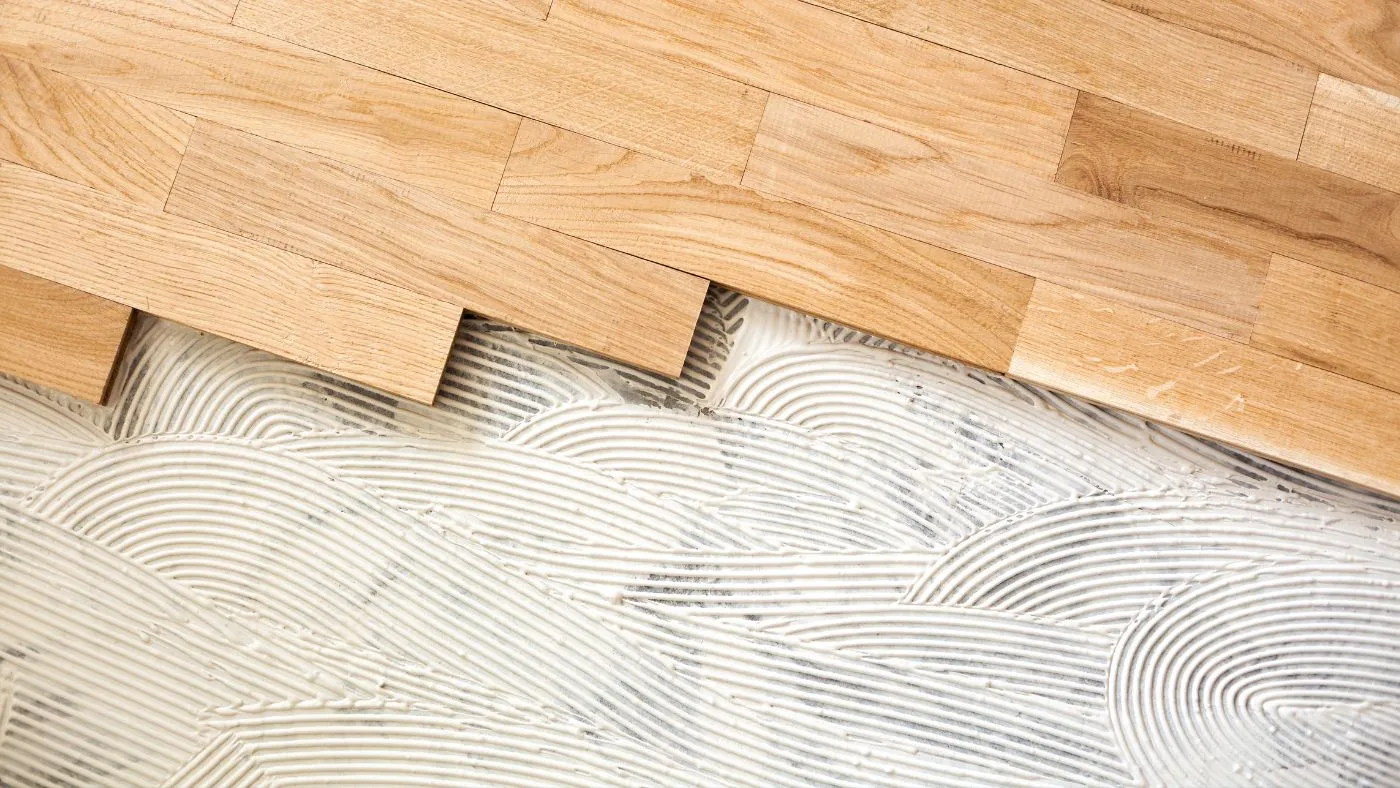
Clean the subfloor thoroughly. Remove all debris, nails, and staples. Sweep and vacuum the surface. In many cases, you will also need a moisture barrier to protect the hardwood from warping over time. Follow the manufacturer’s instructions for proper installation.
| Step | Description |
|---|---|
| 1. Remove Carpet | Pull up and roll away the carpet and padding. |
| 2. Remove Tack Strips | Use a pry bar to lift and remove tack strips. |
| 3. Inspect Subfloor | Check for damage, squeaks, or uneven areas. |
| 4. Clean Subfloor | Remove debris, nails, and staples. Sweep and vacuum. |
| 5. Install Moisture Barrier | Follow instructions to protect the hardwood from moisture. |
Installation Process
Once the subfloor is ready, the actual installation can begin. How you approach it depends on your budget, your skill level, and how fast you need the job done.
Diy Vs. Professional Installation
Both paths have real trade-offs. DIY saves money but takes time and requires confidence with the tools and steps involved. Professional installation costs more but delivers a cleaner result faster.
| Option | Pros | Cons |
|---|---|---|
| DIY Installation |
|
|
| Professional Installation |
|
|
Timeframe And Steps
Most projects take two to five days from start to finish. Here is a simplified breakdown of the steps:
- Preparation: Remove the old carpet and clean the subfloor.
- Acclimation: Let the hardwood sit in the room for 48 to 72 hours to adjust to the temperature and humidity.
- Installation: Lay down the hardwood planks and secure them in place.
- Finishing: Sand and finish the floor if needed.
Skipping acclimation is a common mistake. Without it, planks can expand or contract after installation, causing gaps or buckling.
Additional Expenses
A few extra costs come up in nearly every project. Budget for these from the start to avoid surprises.
Underlayment
Underlayment sits between the subfloor and the hardwood. It smooths out minor surface imperfections and helps with sound insulation. Costs vary by quality:
- Basic foam underlayment: $0.25 to $0.50 per square foot
- Premium underlayment: $0.75 to $1.25 per square foot
Higher-quality underlayment pays off in quieter, more comfortable floors over time.
Finishing And Sealing
If your hardwood arrives unfinished, or if you want a custom stain, finishing and sealing adds another cost layer. The process includes sanding, staining, and applying a protective topcoat. Total costs typically run $2 to $5 per square foot:
| Task | Cost per Square Foot |
|---|---|
| Sanding | $1 – $2 |
| Staining | $0.50 – $1 |
| Finishing | $0.50 – $2 |
A high-quality finish protects the wood from scratches and moisture. It is worth investing in good products here.
Cost-saving Tips
You do not have to spend top dollar to get great-looking floors. A few smart moves can bring the total cost down without cutting corners on quality.
Choosing Affordable Materials
Not all hardwood options are expensive. Consider these alternatives:
- Engineered Hardwood: Looks like real wood but costs less and installs in more areas.
- Bamboo: Durable and often cheaper than traditional hardwood.
- Laminate: Mimics the look of wood at a fraction of the price.
Check for sales at local flooring stores and compare online prices before committing. Buying slightly more material than you need (about 10% extra) protects against waste and future repairs.
Bundling Services
Many contractors offer a discount when you hire them for multiple tasks at once. Ask for a bundled quote that covers:
- Removing old carpet
- Preparing the subfloor
- Installing new hardwood
Get quotes from at least three contractors before deciding. And if you are willing to handle the carpet removal yourself, that alone can cut labor costs noticeably.
Long-term Value
Hardwood flooring is an investment. The upfront cost is higher than carpet, but the long-term math often works in its favor.
Durability And Maintenance
With proper care, hardwood floors can last for decades. Carpet needs replacing every 5 to 15 years. Hardwood simply needs regular sweeping and occasional polishing to look its best. That means less money spent over time on replacements and deep cleaning.
Impact On Home Value
Hardwood flooring consistently ranks as a feature buyers prefer. Homes with hardwood floors tend to sell faster and at higher prices than comparable homes with carpet. That makes the initial investment easier to justify, especially if you plan to sell within the next decade.
Frequently Asked Questions
How Much Does It Cost To Replace Carpet With Hardwood?
The cost ranges from $6 to $12 per square foot in the U.S. That figure covers both materials and labor.
What Factors Affect The Cost Of Replacing Carpet With Hardwood?
The main variables are the type of hardwood you choose, the size and layout of the room, the condition of the subfloor, and local labor rates.
Is It Cheaper To Install Hardwood Or Carpet?
Carpet costs less upfront. Hardwood costs more initially but lasts much longer and holds its value better over time.
How Long Does It Take To Replace Carpet With Hardwood?
Most projects take 2 to 5 days. Larger rooms or more complex layouts can push that timeline out further.
Conclusion
Replacing carpet with hardwood involves real costs: materials, labor, removal, and finishing. It is a bigger upfront investment than most flooring alternatives. But hardwood adds lasting value, holds up better over time, and is far easier to keep clean.
Run the numbers for your specific space, get multiple contractor quotes, and weigh the long-term benefits against the initial cost. For most homeowners, it is a decision they do not regret.
