
If you’re 16 or older and not a California resident, you’ll need a sport fishing license. The full non-resident annual license costs $174.14. Short-term options run $21.09 for one day, $32.40 for two days, and $64.54 for ten days. You may also need extra validations like the Ocean Enhancement Validation at $7.30 or species report cards that add a few more dollars. Reduced-fee licenses are available for eligible veterans and recovering service members. California residents have additional free or reduced options for seniors and people with severe disabilities. Continue for details on purchase, eligibility, and cost trade-offs.
Quick Answer
Non-residents age 16 and up need a license to fish in California waters (except from public ocean piers). Here’s the quick breakdown:
- Annual non-resident license: $174.14
- Short-term: 1-day $21.09, 2-day $32.40, 10-day $64.54
- Extras like Ocean Enhancement Validation ($7.30) or report cards may apply
- Reduced fees available for qualifying veterans and recovering service members
- Buy online, at license agents, or CDFW offices — carry it while fishing
Who Needs a Non-Resident Fishing License in California
Non-residents age 16 and older need a license to fish in California waters. The only big exception is fishing from public ocean piers — no license required there.
Non-residents under 16 fish free. Everyone 16 and up follows the same rules on bag limits, size limits, and reporting, whether resident or not.
Non-residents under 16 are exempt; ages 16+ require a license—standard non-resident sport fishing license $174.14.
That keeps enforcement simple. Just check the local limits before you cast a line so you stay legal and avoid fines.
Non-Resident License Types and Short-Term Options
California gives you choices that match how long you’ll be fishing. The full-year non-resident license costs $174.14. Short-term options include one day for $21.09, two days for $32.40, or ten days for $64.54.
Pick the one that saves you money based on your trip. One- or two-day licenses work great for quick visits. The ten-day option often gives the best daily rate if you’re staying longer but under two weeks.
Short-term permits also skip the Ocean Enhancement Validation that ocean anglers sometimes need. Buy online, through a license agent, or at a CDFW office, and keep the license with you while fishing.
Fees, Validations, and Report Card Requirements
Once you choose the license length, add in any extra validations or report cards you might need.
The base non-resident license runs $174.14 for the year or $64.54 for ten days. If you fish ocean waters south of Point Arguello, add the Ocean Enhancement Validation for $7.30. Certain species also require report cards — for example, the North Coast Salmon Report Card costs $9.21.
These fees support conservation and data collection. Failing to return some report cards, such as the spiny lobster one, can mean extra penalties or higher costs next time. Plan ahead so everything adds up correctly and you stay compliant.
Where and How Visitors Can Purchase Licenses
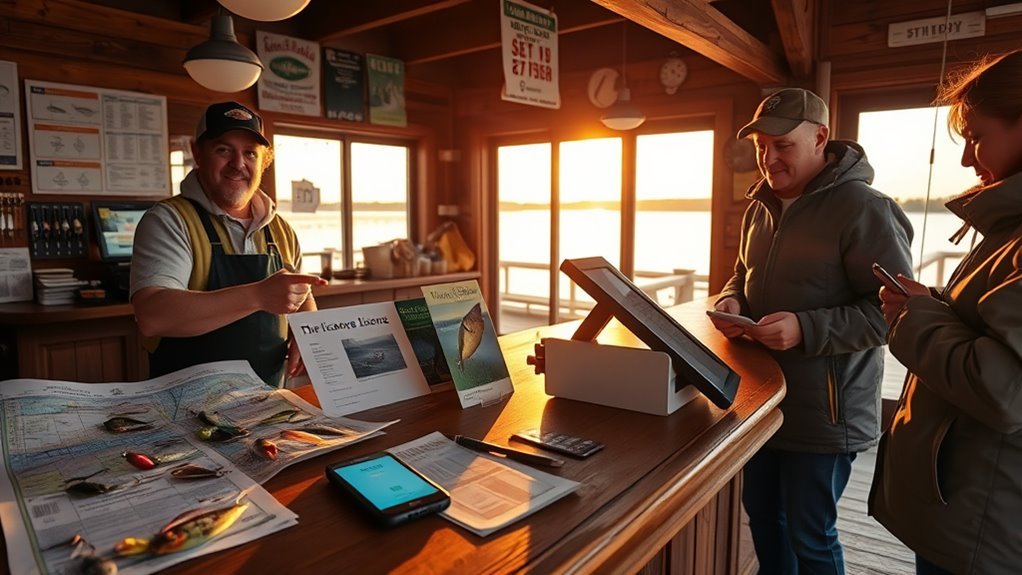
You can buy your non-resident fishing license online, at sporting goods stores and tackle shops that act as license agents, or at CDFW offices.
Choose the length that fits your stay — annual $174.14, ten-day $64.54, two-day $32.40, or one-day $21.09. CDFW offices do not take cash; bring a check, money order, or Visa/Mastercard. Agents may have different payment rules, so call ahead.
If you lose the physical copy, request a duplicate online or at an office for a small replacement fee. Keep your receipt or transaction number handy in case you get checked on the water. For the easiest way to purchase, head to the CDFW Online License Sales site.
Reduced-Fee, Free Licenses and Special Eligibility Criteria
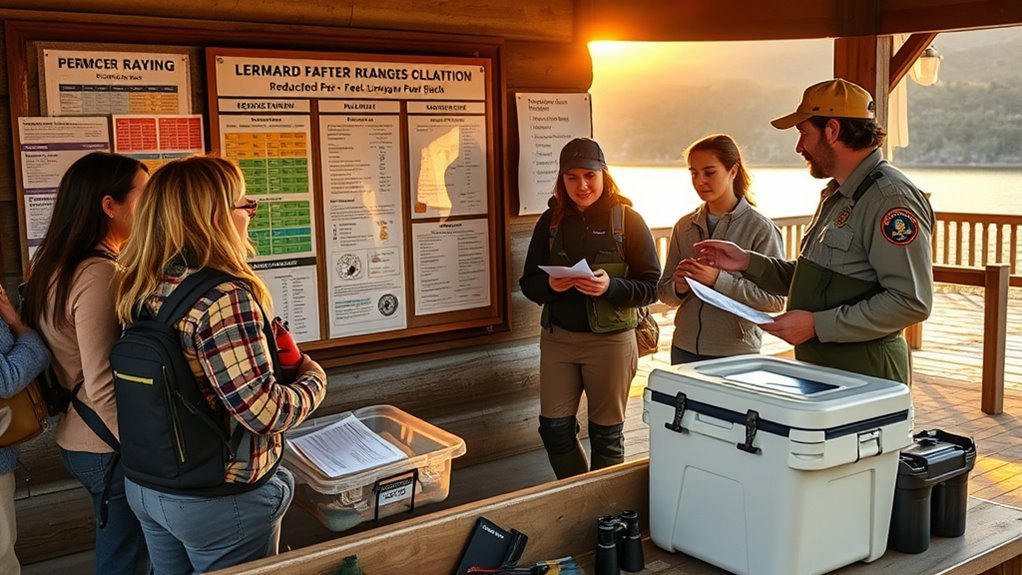
If cost matters, eligible non-residents can get a reduced-fee license. Honorably discharged veterans with a 50 percent or greater service-connected disability and recovering service members qualify for roughly $10 ($10.04 at CDFW offices or $10.54 from agents). The recovering service member version is renewable until your documented recovery date.
Low-income seniors and people with certified severe disabilities (including blindness) can get free or reduced licenses, but those options are available only to California residents. You’ll need to submit an application plus supporting documents such as a VA letter for veterans or physician records for recovering service members. Processing usually takes up to 15 business days.
Keep these points in mind: gather the exact paperwork, know the timelines, and understand how these programs open fishing to more people. For full details and current fees, see the CDFW Sport Fishing Licenses page.
Frequently Asked Questions
Are There Age Restrictions for Non-Resident Fishing License Buyers?
Yes — you’ll face age restrictions: most states set minimums and grant age exemptions for very young anglers, while youth licenses cover defined younger cohorts; check specific state policy tables for exact ages and exemption criteria.
Can I Use a Non-Resident License for Commercial Fishing?
No — you can’t use a non-resident license for commercial fishing. 72% of jurisdictions separate recreational and commercial licensing; you’ll need commercial permits, comply with commercial fishing regulations, and obtain specific non resident permits where allowed.
Do Non-Resident Licenses Cover Saltwater and Freshwater Both?
Yes — you generally get both saltwater and freshwater coverage, but you’ll need to verify local fishing regulations and species restrictions; policies vary by state, so check license specifics, bag limits, and endorsed species lists before fishing.
Are Refunds or Transfers Allowed After Purchase?
No, refunds are generally limited and transfers are prohibited; you’ll face strict refund policies and clear transfer restrictions, with exceptions documented for administrative errors or statutory allowances, so review agency policy and transaction records carefully.
Is Catch-And-Release Policy Different for Non-Residents?
No — you follow the same catch-and-release rules; catch limits and fishing regulations apply equally to non-residents, and you’ll be subject to identical bag limits, seasonal restrictions, and reporting requirements per agency data and policy frameworks.
Conclusion
Weigh the costs against how many days you’ll fish. Compare short-term and annual options, add any validations or report cards, and check if you qualify for reduced fees. Buy the permit that keeps you legal without overspending, keep your paperwork handy, and enjoy your time on the water. A little planning goes a long way toward a smooth, worry-free trip.
