

Your monthly housing budget should include rent plus utilities like electricity, water, gas, internet, and trash so you know your true cost of living. In Nashville, utilities average about $300 a month, with electricity often the biggest bill at around $190. A one-bedroom may run about $103 in electric alone, while larger homes cost more. Seasonal weather and daily habits can raise bills, but energy-saving steps can help, and there’s more to compare below.
What Counts as an Apartment Utility?

When you rent an apartment, utilities usually refer to the essential services that keep the unit livable: electricity, gas, water, sewer, and waste disposal. Those utility definitions help you separate true basics from optional apartment amenities, like internet, cable, and phone service.
You may see those extras listed with utilities, but they aren’t always required for habitability. Knowing what counts as a utility lets you read your lease with confidence and protect your budget.
Knowing what counts as a utility helps you read your lease with confidence and protect your budget.
Your apartment may include some services in rent, while others stay in your name. Always check who pays for heat, power, and water before you sign. In colder places, heating can raise costs fast, so clarity matters.
If you understand the categories, you can compare offers, avoid surprise charges, and choose housing that supports your freedom instead of trapping you in confusion.
How Much Do Nashville Utilities Cost?
Nashville utilities can run higher than you might expect, so it helps to budget carefully before you sign a lease. On average, you’ll spend about $300 a month on utilities like electricity, water, and internet.
Electricity is the biggest piece, averaging around $190, so it deserves close attention in your planning. Water usually adds about $36, while internet runs near $70 monthly.
If you also count mobile phone service, an unlimited plan often costs about $45, which can tighten your cash flow even more. These numbers show why utility payment trends matter when you’re deciding what you can truly afford.
In Nashville bill comparisons, you’ll often see higher totals than the national average, driven by strong housing demand and a growing city. Knowing these figures gives you power to set limits, negotiate wisely, and protect your freedom.
How Do Utilities Compare With Rent?
Utilities can take a surprisingly large bite out of your budget, especially when you compare them with Nashville rent. If you’re paying about $1,660 for a one-bedroom, utilities can add another $300 to $400 a month, so your rent implications go beyond the lease alone.
Strong utility comparisons show that these bills can represent 15% to 25% of your total housing costs, which isn’t small when you’re trying to keep more freedom in your budget.
- Electricity often leads the charge at about $190 monthly.
- Water and internet push the total higher.
- Shared housing can lower your per-person cost.
- Seasonal spikes may raise bills 20% to 50%.
If you live in a larger apartment, shared expenses can ease the load; in a three-bedroom, utilities may average around $101.38 per person.
That kind of planning helps you stay prepared, avoid surprises, and protect your money.
Products Worth Considering
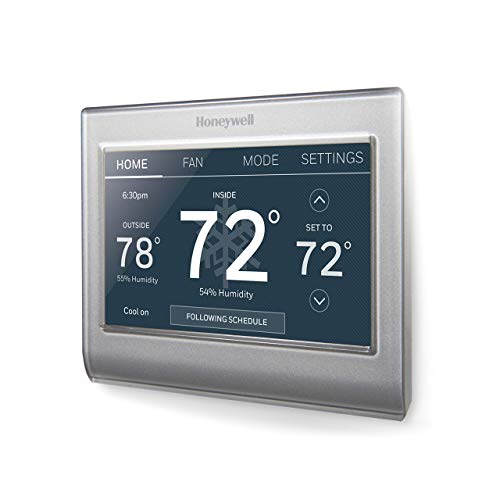
COMFORT COMES IN YOUR COLOR. Personalize your Wi-Fi Smart Color Programmable Thermostat to fit your décor.

ENERGY STAR certified smart thermostat for home that helps you save energy and stay comfortable.Product note: You can also check your system’s compatibility before purchasing a Nest thermostat with our online Nest Compatibility Checker on the Google Nest support page.Connectivity Protocol : Wi-Fi.Connectivity Protocol : Wi-Fi

VERSATILE WARMTH COVERAGE - The Home Comfort 1500 Infrared Heater warms up to 2000 sqft, ensuring every inch of your home, from chilly basements to spacious living rooms or workshops, feels the embrace of steady, comforting heat. Perfect for year-round use in well-insulated spaces.
Average Electric Bills by Apartment Size

Electric bills often change a lot based on apartment size, so it helps to know what to expect before you budget.
If you live in a studio, you’ll usually see a bill around $55 to $85 because lower electricity consumption comes with less space to light, cool, and heat.
In a one-bedroom, the average climbs to about $102.62, and a two-bedroom runs near $141.78.
Bigger apartment size means bigger demand: three-bedroom units average $201.33, while four-plus-bedroom homes can reach $370.17.
Your bill can also jump during extreme heat or cold, since heating and cooling work harder.
If you share a three-bedroom apartment, you may cut your cost to about $101.38 per person, which can free up money for savings, rest, or the life you want to build.
Average Water, Gas, and Internet Costs
You’ll usually pay about $20.40 a month for water in a one-bedroom apartment and about $32.38 in a two-bedroom, though drought-prone areas can push those costs much higher.
Gas often runs close to $20.42 for a one-bedroom and $35.94 for a two-bedroom, and cold weather can raise both gas and water use.
Internet service typically adds another $60 to $80 a month, with the national average at $71.90.
Products Worth Considering

Compatible with Gerber 99-788: This 3-inch toilet flapper is designed for 3-inch toilet flush valves and is fully compatible with the Gerber 99-788 model.
![Plumbing Bible: [7 IN 1] Save Big on Home Plumbing: The Complete DIY Guide to Safe Fixes, Water-Saving Basics, Quick Wins, and Fewer Service Calls](https://m.media-amazon.com/images/I/51rctiVI80L._SL500_.jpg)

Built to last – A solid metal shower head made from stainless steel and brass with a commercial-grade finish that won't flake or rust. No more wasting money on cheap plastic that cracks and leaks!
Water Bill Averages
Water, gas, and internet can make up a meaningful share of your monthly bills, even in a small apartment. For water alone, you’ll usually see modest charges, but your location and habits matter. A one-bedroom averages about $20.40 monthly, while a two-bedroom lands near $32.38.
In drought-prone areas, tiered pricing can push bills above $70, so watch local water usage trends and act early.
- Fix leaks fast
- Run full loads only
- Install efficient fixtures
- Track usage monthly
These water conservation tips help you keep control without sacrificing comfort. When you know what you’re using, you can budget with more confidence and keep more of your money where it belongs: in your hands.
Gas And Internet Costs
Gas and internet can quietly push your monthly utility total higher than you’d expect, especially when heating needs rise in colder months.
If you live in a one-bedroom, you’ll usually pay about $20.42 for gas; a two-bedroom can run near $35.94. Seasonal demand can drive gas price fluctuations, so plan for winter spikes.
Internet typically adds $60 to $80 a month, with the average bill around $71.90. Compare internet service options before you sign up, because speeds, bundles, and contract terms can change what you owe.
When you add water, gas, and internet together, your monthly utilities may land between $150 and $300, depending on your apartment size and location.
How Nashville Affects Utility Bills
When you live in Nashville, your utility bills can run higher because electricity often averages about $190 a month, while water stays relatively low at around $36.
You’ll also see seasonal swings, especially when summer heat pushes cooling costs up, and your rent can leave less room in your budget for utilities.
To keep costs in check, you can compare providers, cut peak usage, and use local saving strategies that fit your home.
Nashville Cost Factors
Nashville’s utility bills can run higher than you might expect, especially if you’re dealing with the city’s hot summers and chilly winters.
In Nashville housing, you’ll notice utility trends that push monthly costs above many Tennessee spots, so budget with intention and freedom in mind.
- Electricity: about $190 a month
- Water: about $36 a month
- Internet: about $70 a month
- Total costs: often exceed state averages
Your electric bill usually takes the biggest hit, since cooling and heating demand more power.
Water stays fairly moderate, but your usage still matters.
Internet adds another steady expense.
If you’re renting or owning here, plan ahead so you can protect your choices and keep more cash for what matters.
Seasonal Bill Swings
Seasonal swings can push your Nashville utility bills up or down faster than you might expect, so it helps to plan for both summer heat and winter cold.
Your average electricity bill sits near $190, but heavy air conditioning can raise it fast when the temperature climbs.
Water bills average about $36, yet outdoor watering can lift them in hotter months.
In winter, heating can drive electricity and gas costs to $100 or more.
Internet usually stays near $70, but it still adds to your monthly load.
Smart seasonal budgeting means you track each bill’s temperature impact and build room for those spikes.
That way, you stay in control and keep your living costs from surprising you.
Local Saving Strategies
Even if Nashville’s utility costs feel steady month to month, you can still lower them with a few local habits. Your biggest target is the $190 electric bill, especially in summer, so lean on energy efficiency and smart technology.
You can also use behavioral changes to trim waste without losing comfort.
- Set programmable thermostats to reduce AC use.
- Ask about utility audits and local incentives.
- Join community programs for cost sharing on upgrades.
- Explore renewable options for long-term savings.
Water averages about $36, and internet runs near $70, so small cuts across services add up.
Nashville’s climate brings seasonal spikes, but you don’t have to absorb them alone. Take advantage of local support, track your usage, and build habits that keep more money in your pocket.
What Makes Utility Bills Go Up?
Utility bills usually go up when you use more heating or cooling, especially during extreme weather, and that can push winter heating costs above $120 a month.
You’ll also see higher bills when your home lacks energy efficiency: old appliances waste power, and weak insulation lets conditioned air slip away. Heating and cooling can make up 40% to 50% of your total utilities, so weather impacts matter a lot.
Seasonal adjustments in rates can add more pressure, because demand climbs in winter and summer. Local rate hikes from your utility company can raise electricity and gas costs too.
Your usage habits matter as well; long showers, constant thermostat changes, and leaving lights on all add up. If you live in shared living spaces, you may split costs, but total bills won’t always halve because larger homes often use more energy.
Appliance upgrades and insulation improvements can reshape your monthly load.
How to Lower Your Utility Bills
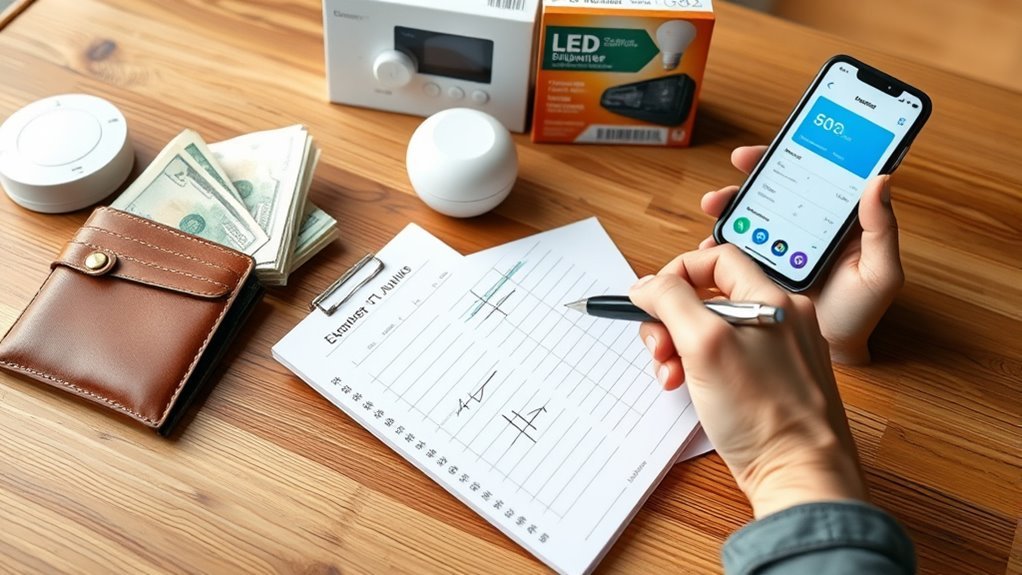
Trim your utility bills by tackling the biggest drivers first: heating, cooling, water, and lighting. You can cut costs without giving up comfort or control. Start with energy audits to find leaks, waste, and quick wins. Then use utility rebates to offset upgrades that free your budget.
- Set a programmable thermostat and adjust it a few degrees.
- Fix dripping faucets and running toilets right away.
- Install low-flow fixtures to slash water use.
- Use daylight, then switch to LED bulbs at night.
Heating and cooling often eat 40%-50% of your bill, so small changes matter. Better thermostat habits can trim those costs by about 10% a year.
Water repairs can save you $35-$60 annually, and low-flow fixtures can cut use by 25%-60%. When you track usage closely, you stay ahead of surprises and keep more money in your pocket.
Products Worth Considering

·High Compatibility: Forced air (gas, oil or electric), Electric furnace, Hot water steam or gravity radiant heat, Heat only systems, Heat pump w/o auxiliary or emergency heat, Millivolt, Gas fireplaces (24V), Floor or wall furnaces, Cool only systems.(TIP: Before purchasing, check to see if this thermostat is compatible with your system.)

Easy to Install: It takes less than 30 mins to install your smart thermostat, compatible with the Electric Baseboard, Convector, Fan-Forced Heater and In-Ceiling Radiant. Electric Baseboard is NOT included in package. 𝗡𝗼𝘁𝗲: 𝗿𝗲𝗾𝘂𝗶𝗿𝗲𝘀 𝟰 𝗼𝗿 𝗺𝗼𝗿𝗲 𝘄𝗶𝗿𝗲𝘀 𝗶𝗻 𝗲𝗹𝗲𝗰𝘁𝗿𝗶𝗰 𝗯𝗼𝘅 𝘁𝗼 𝗶𝗻𝘀𝘁𝗮𝗹𝗹.
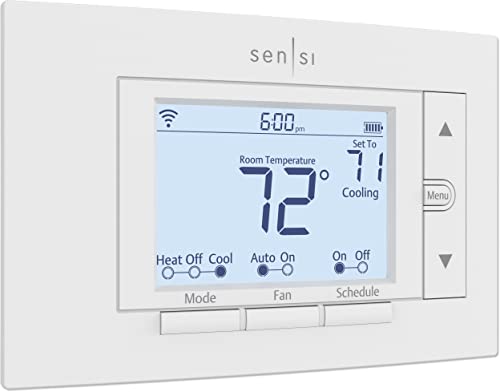
PRIVACY PROTECTION*: Sensi won’t sell your personal information to third parties
How to Budget for Seasonal Utility Changes
Because utility costs rise and fall with the seasons, you’ll want to budget for higher bills in summer and winter rather than averaging every month the same.
Use seasonal budgeting to set aside extra money when heating or cooling pushes costs up. Since HVAC use can make up 40%-50% of your total utilities, track your usage during extreme weather and apply utility forecasting to estimate the next bill.
Plan for the high end of your estimate, then add a 10-15% buffer so a cold snap or heat wave doesn’t trap you. In colder months, heating can top $120; in summer, air conditioning may add $80-$90.
You can reduce the strain by using a programmable thermostat, sealing drafts, and adjusting habits early. This way, you stay prepared, protect your cash flow, and keep more freedom in your monthly budget.
Frequently Asked Questions
What Runs Your Electric Bill up the Most?
Heating and cooling usually run your bill up most, especially when appliance usage spikes. Poor energy efficiency, old appliances, and extreme weather can drain you fast, so upgrade insulation and cut waste wherever you can.
Is 250 for Utilities a Lot?
Yes, $250 for utilities can feel high, like a summer storm hitting your budget. You should compare utility expenses against your local cost comparison, because your actual burden depends on home size, usage, and shared costs.
Can I Afford 1000 Rent if I Make $3,000 a Month?
Yes, you can, but it’ll stretch you. Your rent affordability is slightly above the 30% guideline, so use budgeting strategies, cut nonessentials, and track utilities closely to keep more freedom in your monthly choices.
How Much Is a Typical Electric Bill per Month?
You’ll usually pay about $75–$120 monthly; a one-bedroom averages $102.62. Like a thermostat in July, your bill can climb with usage. Use energy saving tips, and remember average bill variations depend on climate, habits.
Conclusion
Now that you know what counts as an apartment utility and how Nashville compares to other costs, you can budget with confidence instead of guessing. Even if you think bills are too unpredictable to plan for, a simple average for electric, water, gas, and internet gives you a solid starting point. Track seasonal changes, watch your usage, and adjust early. That way, you’ll keep rent and utilities manageable without getting caught off guard.
