
If you’re an Alaska resident, you may qualify for free lifetime fishing privileges instead of buying a new license every year. The state gives eligible people a permanent plastic identification card. You still pay separate fees for specific tags, stamps, and some harvest record cards. These credentials are nontransferable and require residency verification.
Quick Answer
Alaska gives free lifetime fishing access through a permanent ID card to qualifying residents. Here are the key facts:
- Completely free for residents age 60+ or disabled veterans (50% or higher rating).
- Younger residents pay only $20 a year for a basic sport fishing license.
- Apply once online or in person with proof of age, disability, and residency.
- The card covers fishing (and often hunting and trapping) with no annual renewals, but you still need extra tags for certain species.
Who Is Eligible for a Lifetime Fishing License in Alaska
Lifetime fishing privileges in Alaska are available free to specific groups of resident Alaskans. Residents age 60 or older and disabled veterans qualify for the permanent identification card. This card replaces any need for annual renewals.
Alaska offers free lifetime fishing privileges for residents 60+ and disabled veterans
You qualify if you meet the residency rules and fall into one of these groups. The free lifetime card for seniors and disabled veterans stays in place. The rules focus on these groups to encourage long-term participation in fishing and other outdoor activities.
You receive a permanent plastic card and certificate. You still buy any required tags or permits for specific fisheries.
The goal is steady funding for fish and game management plus higher participation from people who stay active for decades.
How Much Does a Lifetime Fishing License Cost and What It Includes
For qualifying residents the lifetime option costs nothing. You get the permanent plastic card and certificate with one application. This ends annual renewal fees forever.
Younger residents pay just $20 a year for a basic sport fishing license. See current license prices on the ADF&G site for full details. The permanent card covers fishing, hunting, and trapping privileges for those who qualify.
You still need species-specific tags and permits when required. The card brings simple, lifelong access while supporting state wildlife programs.
Use this to compare the free lifetime card against the low annual fees for everyone else.
Products Worth Considering

"Welcome To Adventure" Alaska License Plate features a beautiful mountains and pine trees background scene.
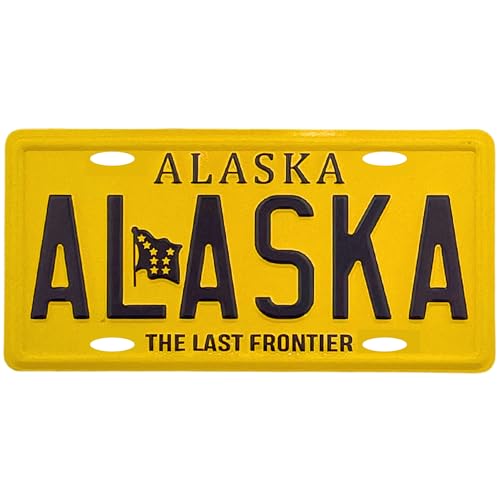
Features a replica of an Alaska license plate, capturing the unique beauty and spirit of the state in a miniaturized form.

For emergencies and travel, Christmas, birthdays, and as complementary gifts for children receiving ride-on electric cars or wallets; available as a novelty driver license or identification card
How to Apply for and Receive Your Lifetime License
Ready to get your free lifetime fishing privileges? Start with the Alaska Department of Fish and Game. Apply online through their store or submit a paper form in person at an office.
The permanent identification card is free once approved. You must prove you are an Alaska resident and meet the age or disability rules. The agency checks your documents during processing.
Turnaround times appear on the department website. Fill out every field correctly with your personal info, residency proof, and any disability documentation to avoid delays.
After approval you receive the plastic card and certificate by mail. Keep both with you while fishing. Specific activities may still need separate tags or permits.
Track your application through the methods listed on the site and confirm you have the permanent card so you stay legal for freshwater and saltwater fishing under state rules.
Products Worth Considering

Material: Metal

12"x6" metal embossed plate made from aluminum MADE IN U.S.A.

FISHING LICENSE HOLDER W/ZIP CLOSURE
Additional Permits, Stamps, and Ongoing Fees to Know

The permanent card covers your basic fishing privilege. You still buy stamps, tags, or permits for certain species, gear, or fisheries. Holders of the card do not need the King Salmon Stamp.
Treat the card as your core access. Other mandatory items and reporting rules stay in place. The fishing regulations show that harvest record cards may apply in some areas (free for qualifiers). Commercial or subsistence permits have their own fees.
Plan a small annual budget for any extra stamps or tags even with the lifetime card. Check the permit process for deadlines, paperwork, and quotas so you avoid violations.
- King Salmon Stamp: Not required for permanent card holders; $10 for other residents.
- Commercial/subsistence permits: Variable fees and rules.
- Harvest Record Cards: Required in some fisheries; free for card holders.
Products Worth Considering

DURABLE IDENTIFICATION: Made from water-resistant Silicone, these luggage tags withstand baggage handling with your contact details clearly displayed.

Fishing Silicone Stamps: Our fishing silicone stamps are designed with 16 patterns, including 6 different species of fishes, a fishing rod, several different fishing equipment and 3 greeting words and phrases. These patterns are perfect for making cards to record your fishing memories or adding to your stamps collection.
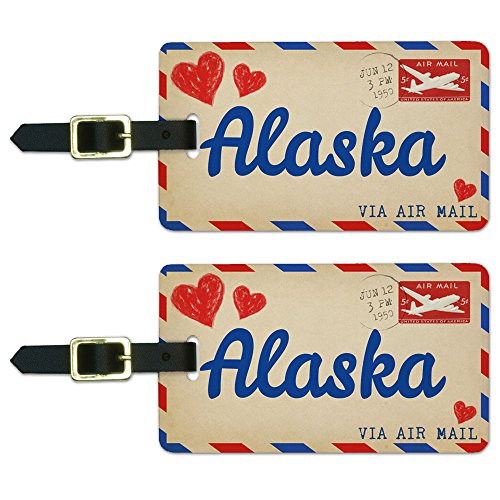
Set of two plastic luggage tags with the design shown
Situations That Affect Eligibility, Transfers, and Replacements
When you look at eligibility and after-purchase rules for Alaska’s lifetime fishing privileges, the guidelines stay clear. Residents generally qualify at age 60+ or as a disabled veteran. You prove residency plus age or disability status at application. The card needs no annual renewal, but you buy any required tags or stamps.
You meet the rules by sending two residency documents and government ID that shows date of birth or veteran status. Lifetime cards cannot transfer to anyone else. They stay tied to the original holder only.
If you lose your card, replacements cost a $5 fee plus normal processing time. The replacement restores your legal status without a new qualification step. Check the state site for exact steps and fees. Budget for tags and stamps each year even with the free card. Use the table below for quick policy comparisons.
| Item | Policy metric |
|---|---|
| Eligibility age/veteran | 60+ or disabled veteran |
| Transferability | Not permitted |
| Lost license replacements | $5 fee + processing time |
Frequently Asked Questions
Can I Sell or Gift My Lifetime License to Someone Else?
No. You cannot transfer or sell the permanent card. State rules prohibit reassigning it to another person.
Are Nonresident Lifetime Licenses Available for Visitors?
No. Nonresidents cannot get a lifetime card. Only Alaska residents qualify. Visitors follow standard nonresident permit rules and pay the listed fees.
Does the License Cover Fishing in Federal Waters or National Parks?
No. The card works only in state waters. You follow federal rules and park policies, and you may need extra permits for those areas.
Are There Discounts for Veterans, Seniors, or People With Disabilities?
Yes. Qualifying veterans and seniors receive the full permanent card at no cost. Exact rules appear in state policy tables on the ADF&G site.
Will the License Be Honored if I Move Out of Alaska and Return?
Yes, as long as you re-establish Alaska residency. The card ties to your resident status. You must show proof of residency again to regain the privileges.
Conclusion
So you want lifetime access to Alaska’s fishing spots. If you qualify as a senior or disabled veteran, the free permanent card makes it simple and zero-cost after approval. Younger residents enjoy very low annual fees instead. Submit your ID, run the numbers for your situation, and get out on the water. Your next catch is waiting.
