
The cost to start a farm can range from $600 to $10,000 or more per acre (U.S.; range varies widely by scale and whether you lease or buy land). For context, USDA reports the 2025 U.S. average farm real estate value at about $4,350 per acre and average cropland value at about $5,830 per acre (NASS Land Values 2025 Summary).
Starting a farm is a big step that takes careful planning and real money.
Thinking about farming? First, check land prices—they differ based on location and size. You’ll also need equipment, structures, and supplies. If you want animals, factor those in too!
When you start thinking about a farm, the first big question is usually “How much does it cost to start a farm?” The answer changes a lot depending on how big you want to go and what kind of operation you plan.

Whether it’s a small urban plot or a full commercial setup, a solid business plan helps you figure out the real expenses and line up funding or loans.
Besides the startup money, you also have to plan for day-to-day costs—seeds, fertilizer, maintenance, utilities, and labor. These keep the farm running and profitable over time.
By looking at all of this carefully, you can set a realistic budget and take the first steps toward a successful farm.
Quick Answer
Starting a farm in the U.S. typically costs $600 to $10,000 or more per acre, depending on whether you buy or lease land and how large you go. Average farm real estate sits at about $4,350 per acre, with cropland around $5,830. Major one-time expenses include land, equipment, buildings, seeds or livestock, and permits. Ongoing costs cover seeds, feed, utilities, labor, and insurance. Grants, USDA loans, and starting small with used gear can make it more affordable.
The Dream Of Farming: Costs Versus Reality
Farming often begins as a dream. A dream filled with open fields, healthy crops, and bountiful harvests. Yet, dreams need a strong foundation to grow just like seeds. That foundation is often the reality of financial costs. The finances behind starting a farm matter a lot. Costs can make or break the dream of farming.
Initial Dreams Vs. Financial Commitments

Imagining a farm gets many people excited. The vision includes land, animals, and time outdoors. But there’s more underneath. Turning soil into a working farm means paying for:
- Land acquisition
- Equipment purchases
- Building infrastructure
- Seed and livestock costs
- Licensing and legal fees
- Insurance coverage
The bill for these basics adds up fast. Dreams turn into real dollars and cents.
Why Costs Matter
Every new farmer should figure out start-up costs early. Good planning keeps surprises small. A realistic budget is essential. Here are the key reasons:
- Farming is a business. Like any business, expenses shape what you can grow.
- Unexpected costs pop up. You need some extra cash set aside.
- Investments come first. Real profits may take years to show up.
Success in farming comes from clear eyes and solid planning for these costs. Dreams meet reality when the price tags are faced head-on.
Common Types Of Farms And Their Startup Expenses
Ready to start farming? The costs depend on the type of farm you choose. Let’s look at the most common ones and what you’ll typically spend.
Products Worth Considering


High Yield and Quality: Soilless cultivation with nutrient film can meet the production potential of crops; Compared with traditional soil cultivation, the yield can be doubled with requiring less water and less space

Crop Farms: Land And Equipment
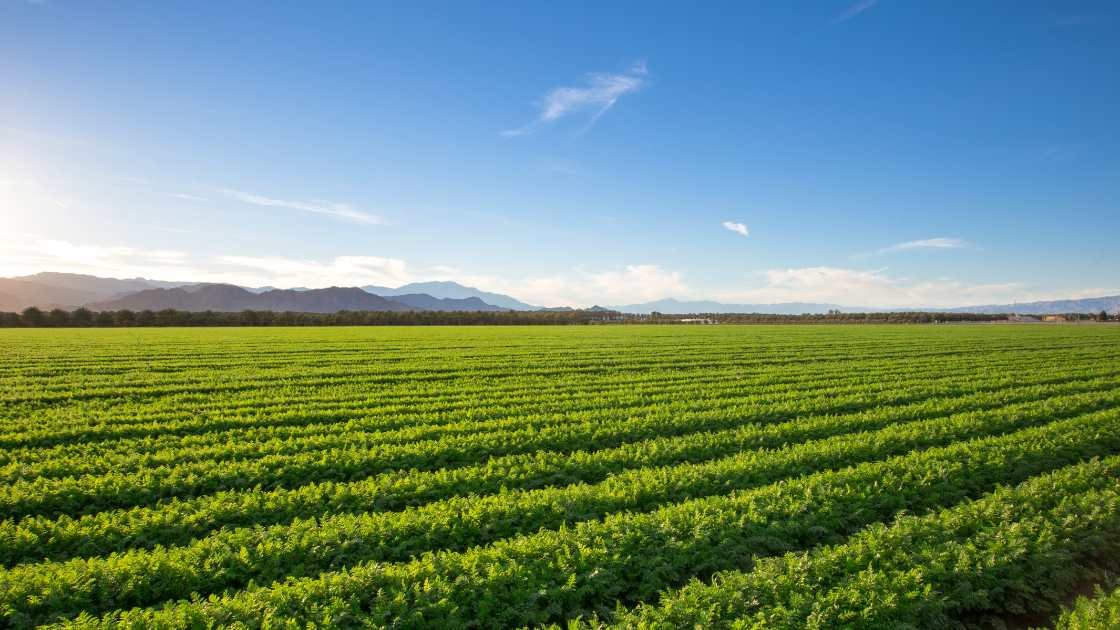
Crop farms need plenty of land and the right tools. Here’s a quick breakdown of typical costs:
- Land: Price varies a lot by location.
- Tractors: Essential for working the soil. Expect a big chunk of your budget.
- Seeders: Help plant evenly for better yields.
- Harvesters: Speed up harvest; cost depends on your crops.
- Irrigation systems: Keep crops growing steadily.
Livestock Farms: Animals And Infrastructure
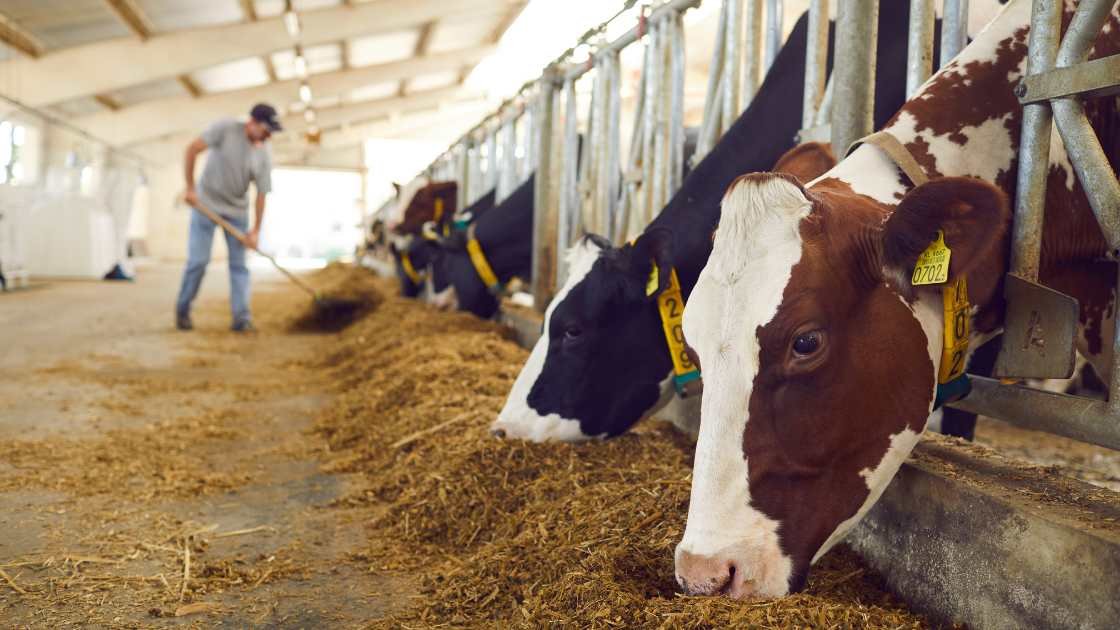
Livestock farms need healthy animals and solid shelters. Common expenses include:
| Item | Cost Estimate |
|---|---|
| Animals (cows, pigs, chickens) | Varies by species and quantity |
| Barns/Shelters | Essential for animal protection |
| Feeding Equipment | Includes troughs and automated systems |
| Waste Management | Crucial for maintaining farm hygiene |
| Fencing | Protects livestock, varies with acreage |
Specialty Farms: Unique Considerations

Specialty farms, such as organic or hydroponic, have extra requirements:
- Certifications for organic produce can be expensive. In the U.S., USDA’s Organic Certification Cost Share Program can reimburse 75% of eligible certification costs, up to $750 per certification scope (as of 2026).
- Hydroponic systems demand advanced equipment and technology.
- Market research is vital to ensure demand for niche products.
Breaking Down The Basics: Land And Capital
Thinking of starting a farm? Knowing the main costs up front helps you begin strong. Land and equipment usually take the biggest bite. Let’s break it down.
Products Worth Considering

Value Farm Toys: This 1:64 scale farm playset comes with a total of 70 pieces that kids and collectors will love, including tractors, trucks, farm tools, farm animal toys, and more
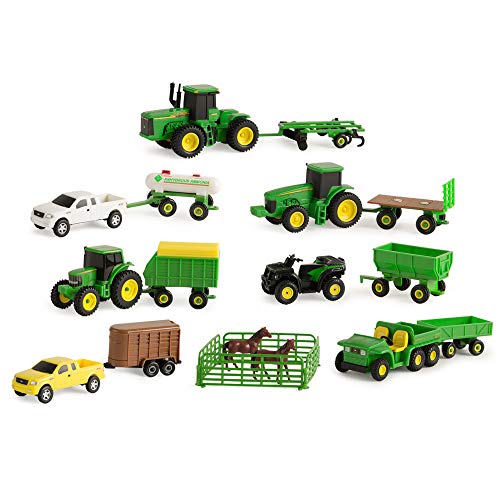
VALUE SET: Variety of tractors, trucks and implements and measures approximately 3" long

Imaginative Play: Tractor toy sets can encourage imaginative play, allowing children to create their own farming scenarios, build and repair their tractors, or load and transport farm goods. They can also help children learn about farm life and how different farm vehicles work.
Land Acquisition Costs
Land is the foundation of any farm. Prices swing widely depending on location, soil quality, and size. You might pay a few thousand dollars or millions. Buying land is often the single largest expense.
- Location: Being near markets or good roads raises the price.
- Quality: Fertile soil with water access costs more.
- Size: Larger parcels can bring economies of scale but need more cash at the start.
Machinery And Equipment
You need the right tools to plant, harvest, and maintain the farm. Costs depend on whether you buy new or used. Tractors, plows, and irrigation systems are common must-haves. Plan on tens of thousands of dollars here.
| Machinery | Typical Cost Range |
|---|---|
| Tractors | $10,000 – $200,000 |
| Plows | $500 – $20,000 |
| Irrigation Systems | $1,500 – $50,000 |
Buildings And Structures
Strong buildings protect animals and store gear. Barns, silos, and greenhouses vary in price by size and materials. Budget from a few thousand up to six figures. These structures keep your operation safe and efficient.
- Barns: Essential for livestock and equipment shelter.
- Silos: Essential for grain and feed storage.
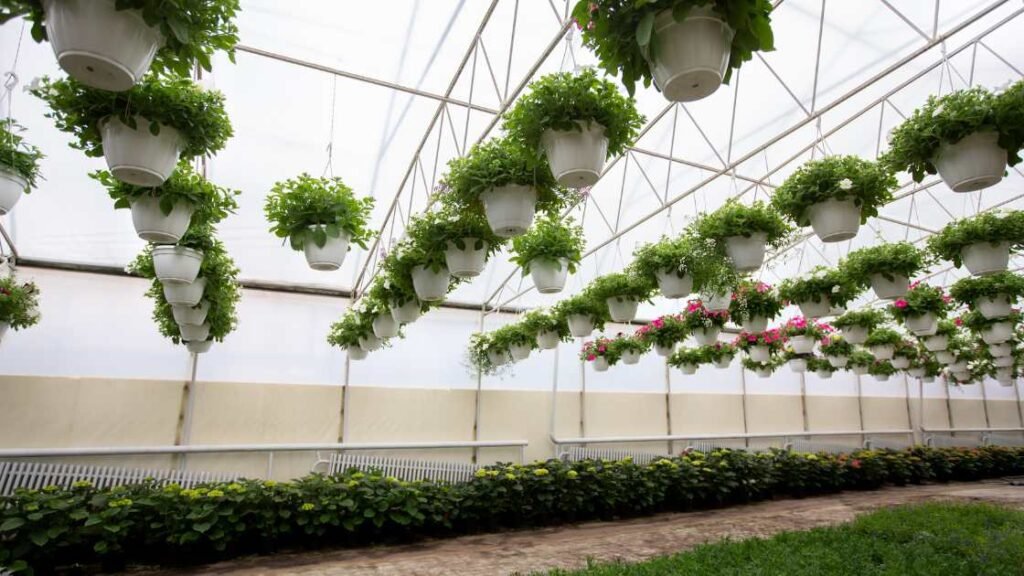
- Greenhouses: Extend growing seasons for certain crops.
Operational Costs: Keeping The Farm Afloat
Operational costs keep everything running from planting to harvest. These regular expenses are just as important as the startup money. Here are the big ones.
Products Worth Considering

Fully Automatic Solar-Powered Garden Watering System Experience ultimate convenience with our solar irrigation system. This automatic watering system harnesses the sun's energy, featuring a high-efficiency solar water pump and a 2000mAh panel that provides up to 5-8 days of operation on cloudy days. It's the perfect vacation plant watering device, ensuring your garden thrives effortlessly. Simply set it and forget it!

Comprehensive Irrigation Package: our drip tape irrigation kit includes 1000 ft long 5/8 inch irrigation tube that offers 6 inches between each drip for effective irrigation coverage, and irrigation accessories, which including tape end plugs, drip irrigation coupling, drip irrigation 3 way tee, drip irrigation elbow, and tubing coupling valves, having everything you need bundled in one package ensures smooth installation and efficient watering

Comprehensive Irrigation Package: our drip tape irrigation kit includes 500 ft long 5/8 inch irrigation tube that offers 6 inches between each drip for effective irrigation coverage, and irrigation accessories, which including tape end plugs, drip irrigation coupling, drip irrigation 3 way tee, drip irrigation elbow, and tubing coupling valves, having everything you need bundled in one package ensures smooth installation and efficient watering
Seeds, Fertilizers, And Feed
These are the everyday basics of farming.
- Seeds cost varies by crop and quantity
- Fertilizers build soil fertility and crop yields
- Animal feed is a recurring expense for livestock
Irrigation And Water Systems
Water is essential for crops.
- Irrigation systems cost depends on farm size
- Maintenance prevents costly breakdowns
- Efficient water use lowers bills and conserves resources
Energy And Fuel Expenses
Energy powers machines and buildings.
- Machinery operation demands fuel
- Electricity powers facilities and equipment
- Renewable options can reduce long-term costs
Insurance And Safety Measures
Insurance protects against surprises.
- Crop insurance secures against weather damage
- Liability coverage protects against legal issues
- Safety protocols prevent accidents
Hidden Expenses In Farming
If you’re dreaming of your own farm, look beyond the obvious costs. Hidden expenses can catch even experienced farmers off guard. Here are some you should budget for.
Compliance And Regulations
Every farm has to meet legal standards for safety and the environment. These add up:
- Permits: Most farms need several to operate legally.
- Inspections: Regular checks often come with fees.
- Insurance: Required coverage against disasters and liability.
- Environmental measures: Sometimes you need upgrades to protect the land.
Note (U.S.): Produce farms may be subject to the FDA’s FSMA Produce Safety Rule based on sales thresholds, which can add required training and recordkeeping obligations.
Marketing And Distribution
Getting your products to buyers costs money too:
- Branding: A good logo and name help sales.
- Packaging: Safe, attractive packaging adds expense.
- Transport: Fuel and delivery fees add up.
- Sales channels: Farmers markets or online platforms charge fees.
Technology And Automation
Modern tools boost output but aren’t cheap:
| Item | Purpose | Cost Estimate |
|---|---|---|
| Tractors | Fieldwork | High |
| Software | Management | Varies |
| Sensors | Monitoring | Medium |
| Drones | Field mapping | Medium to High |
Don’t forget training, maintenance, and software updates when you plan for tech.
Creative Financing For Aspiring Farmers

Starting a farm can feel expensive, but creative financing options exist to help. These can lower the money you need at the beginning.
Grants And Subsidies
Grants and subsidies are money you don’t repay. They often support new farms and innovation. Look for:
- Government agricultural grants
- Private foundation offerings
- State-specific farm incentives
- Renewable energy grants for farms
Check with your local agricultural office for current opportunities.
Loans And Credit Options
Loans give you the cash to get going. Good choices include:
- Traditional bank loans
- Agriculturally-focused credit institutions
- Government-backed loans from the USDA (for example, USDA Farm Service Agency Microloans up to $50,000 and Direct Operating Loans up to $400,000, subject to eligibility and current limits).
A strong business plan helps you qualify. Pay attention to interest rates and repayment terms.
Crowdfunding And Community Support
Crowdfunding platforms like Kickstarter can bring in funds. Community options include:
- Community Supported Agriculture (CSA) memberships
- Local fundraising events
- Direct-to-consumer sales
Strong community ties create both money and loyal customers.
Cost-effective Strategies For Startup Farms
Starting a farm doesn’t have to break the bank. Smart choices help you grow without overspending. Here are proven ways to keep costs down.
Leasing Vs. Buying Land
Leasing versus buying land is a key decision. Each has upsides.
- Leasing: Lower upfront cost and more flexibility—ideal for beginners.
- Buying: Builds long-term equity but needs more cash at first.
Look at local prices and your budget before you decide.
Purchasing Second-hand Equipment
You don’t need brand-new machines. Used equipment can save thousands. Check auctions and online farm marketplaces. Always inspect carefully and ask for warranties when possible.
Starting Small And Scaling
Begin with just a few crops or animals that sell quickly. Master the basics, then grow.
- Focus on high-demand items first.
- Use early profits to expand.
- Grow at a pace that matches your skills and the market.
This approach lowers risk and builds a stable business over time.
Frequently Asked Questions Of How Much Does It Cost To Start A Farm
How Profitable Is Owning A Farm?
Owning a farm can be profitable, but results depend on your crops, market prices, and how efficiently you run things. Good management and sometimes government programs help boost earnings.
Which Farming Is Most Profitable?
Specialty crops, organic produce, and greenhouse growing often bring the highest returns. Selling fruits, vegetables, or herbs straight to local customers or markets also pays well.
Do Farmers Make A Lot Of Money?
Income varies a lot. Some farmers earn a solid living; others face tight years because of weather, prices, or costs. Farm size and smart practices make a big difference.
Is It Worth Owning A Farm?
A farm can give you independence and satisfaction, plus income from crops or livestock. It also takes major investment, hard work, and know-how. Weigh your goals and resources before you jump in.
Conclusion
Starting a farm takes realistic budgeting and a clear picture of the costs. From land and equipment to livestock and daily operations, expenses add up. With passion, good planning, and smart financing, your agricultural dream can become a thriving reality.
