
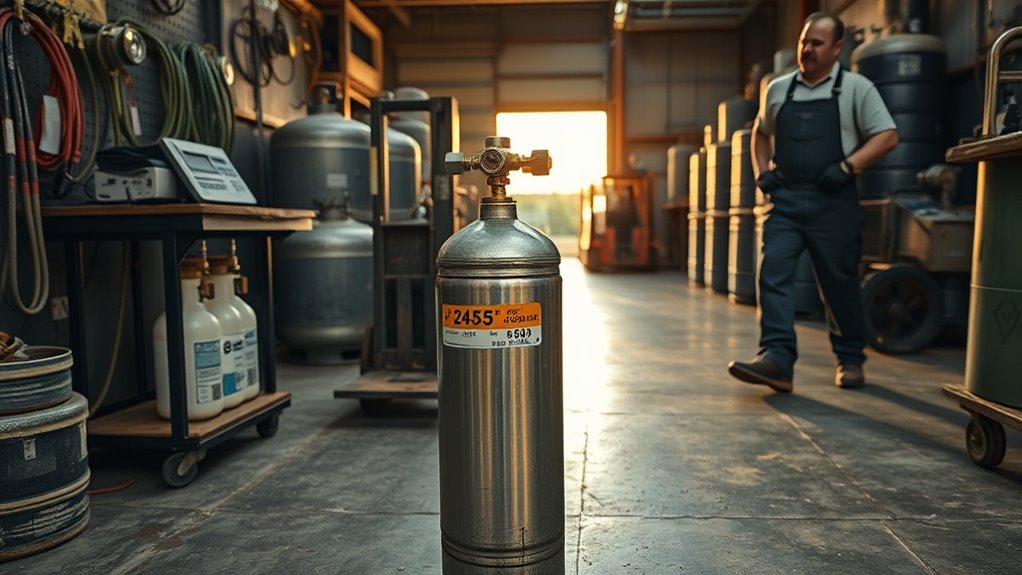
If you weld regularly, you’ll want to know your welding gas cost — how much refilling your shielding gas will hit your budget. Costs vary by gas, tank size, and whether you buy or lease.
Expect CO2 and small argon tanks to be cheapest. Specialty mixes and larger cylinders cost more. Refill vs. exchange changes the math.
Understanding unit cost per hour and tank options helps you pick the most economical route. But first, you need the numbers.
Quick Answer
- Welding gas refill costs in 2026 range from $40 for small 20 CF tanks to $180 for large 300 CF mixes like C25.
- CO2 is the cheapest at $65 for 40 CF or $75 for 80 CF; pure argon 125 CF runs about $100.
- Buying a tank costs $310–$350 for 80 CF or $370–$420 for 125 CF, with refills around $100.
- Leasing can be $75/year for 150 CF tanks, with refills near $120.
- Calculate cost per hour by dividing refill price by usage hours at your flow rate to optimize spending.
The Cost Breakdown of Common Welding Gases
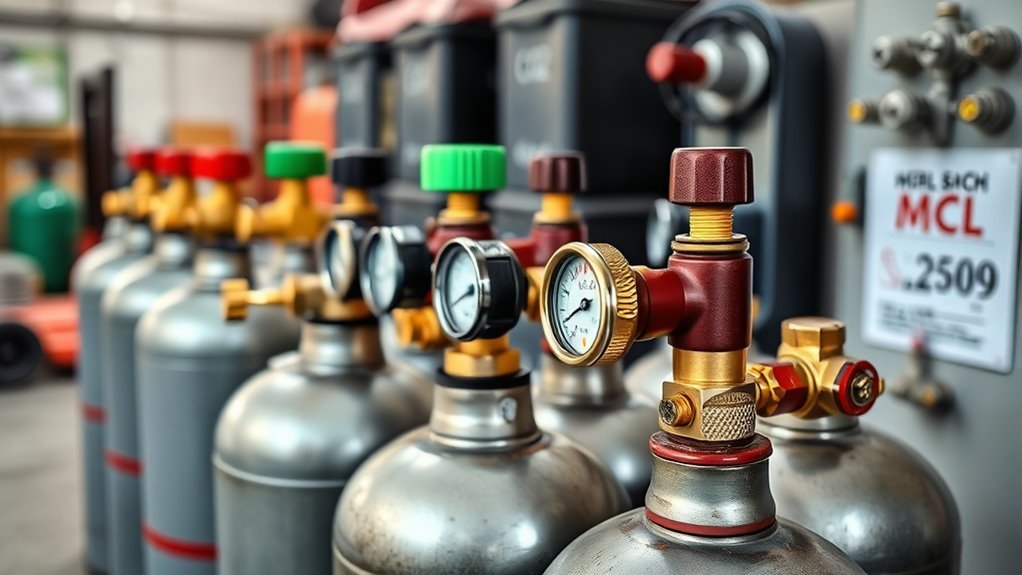
When you shop for welding gas refills, expect prices to vary by gas type, tank size, and supplier.
As of 2026 in the U.S., CO2 refills run about $65 for 40 CF and $75 for 80 CF. A 125 CF pure argon refill is roughly $100. A 300 CF C25 (75% Ar/25% CO2) can climb to about $180.
You’ll compare welding gas types by composition and cost-per-CF. CO2 is cheapest per refill for short runs. Argon has mid-tier pricing. Mixed C25 costs more for larger volumes. See the American Welding Society guide on shielding gases for more on choosing the right one.
Tank size drives unit economics — small tanks like 20 CF refill around $40. Mid sizes near $120 for 150 CF. Larger 300 CF mixes approach $180.
Local supplier variation and HAZMAT fees affect total spend. Independent vendors may undercut national chains.
Track refill frequency based on your consumption rate and project load. Higher frequency raises annual gas expense even if per-refill price is low.
Plan purchases against usage to optimize cost. For more detail on one-off fills across common sizes, see our welding tank fill cost breakdown.
Products Worth Considering

Package include: 6 Pcs propane tank caps

ITEMS INCLUDED – Refillable Empty 1LB Propane Tank, Cap, and 2mm (5/64") Allen Key

HIGH QUALITY: Standard Propane with purity > 95%;
Tank Purchase, Lease, and Refill Prices Explained
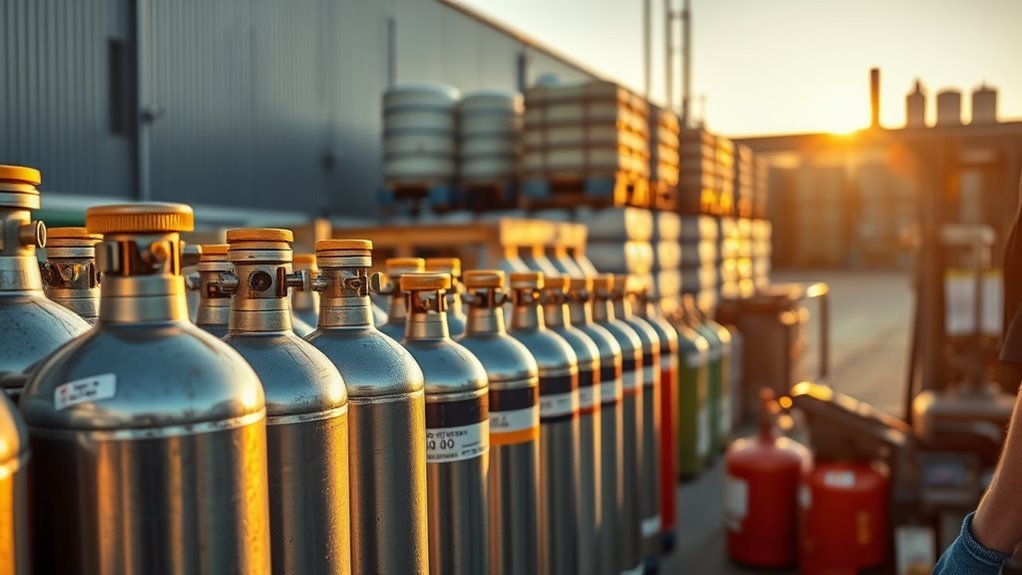
Buying a tank outright often costs more up front. But it usually lowers your per-refill expense over time.
An 80 cu/ft argon cylinder runs about $310–$350 to buy. Refills cost roughly $100. A 125 cu/ft tank costs $370–$420 with similar refill pricing. For a deeper look at cylinder purchase pricing by size, check our welding gas cylinder cost guide.
You’ll weigh purchase versus lease. Leases for larger cylinders (150 cu/ft) might be about $75/year with refills near $120.
Tank size drives both initial outlay and refill frequency. Smaller cylinders need more frequent service but cost less to replace.
Smaller cylinders lower upfront cost but require more frequent refills, while larger tanks cost more initially and last longer.
Do a supplier comparison before committing. Independent vendors can undercut chains, sometimes offering refills as low as $25 for small bottles.
Watch for supplier policies that restrict refills to tanks bought from them. That can force exchanges or higher rates for non-exchange bottles.
Choose based on your usage profile. Buy if you run steady volumes and want lower per-refill costs. Lease or exchange if you prefer lower up-front expense and predictable vendor service.
Products Worth Considering

All HP cylinders come with a 10 year hydrotest date stamped.
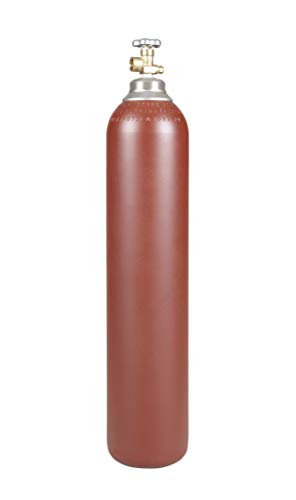
80 CU FT INERT GAS CYLINDER - Mid-size steel cylinder for professional welding, HVAC, beverage, and industrial applications. 2015 PSI service pressure. 7" diameter x 31" height, 47 lb tare weight. Letter designation: Q. Ideal balance of capacity and portability for commercial operations and serious hobbyists

All HP cylinders come with a 10 year hydrotest date stamped.
Calculating True Cost Per Hour of Shielding Gas
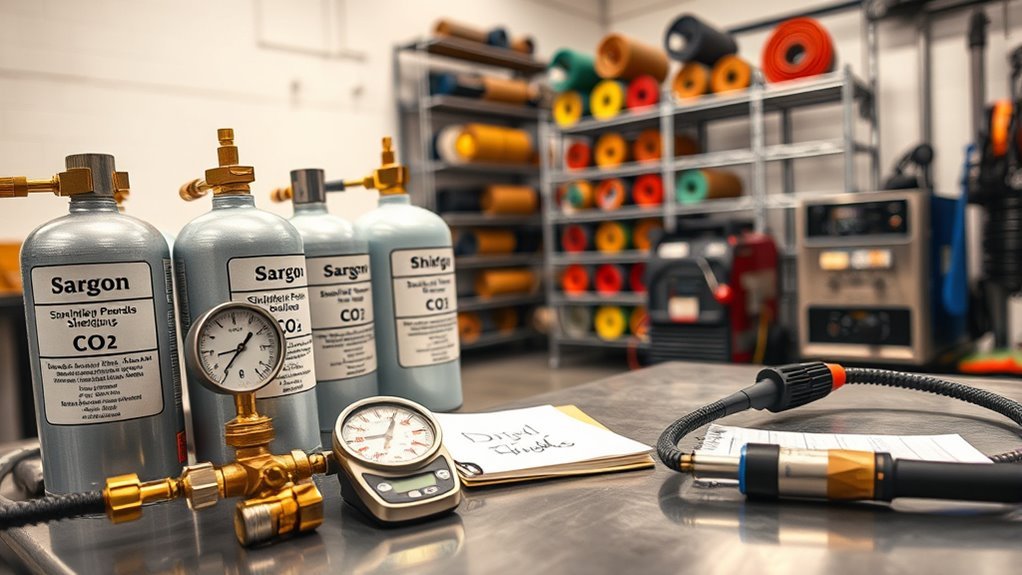
To know the true cost of shielding gas, divide each refill price by the actual hours it supplies at your working flow rate.
For example, an 80 cu ft argon refill at $100 that lasts 8 hours costs about $12.50 per hour. The same tank at 20 CFH (≈4 hours) doubles the hourly cost.
| Tank / Mix | Cost per Hour |
|---|---|
| 80 CF Ar (8h) | $12.50 |
| 80 CF Ar (4h, 20 CFH) | $25.00 |
| 125 CF Ar/CO2 (12h) | $8.33 |
| 40 CF O2 (6h) | $25.00 |
Calculate per-hour costs for your typical flow rates to measure gas efficiency and compare processes.
Track refill frequency and operating CFH to budget accurately. Use the table values as templates. Plug actual refill prices and measured hours into the same formula.
Monitoring flow rates and usage patterns lets you reduce waste. Choose the right cylinder size. Optimize cost per productive welding hour.
Products Worth Considering
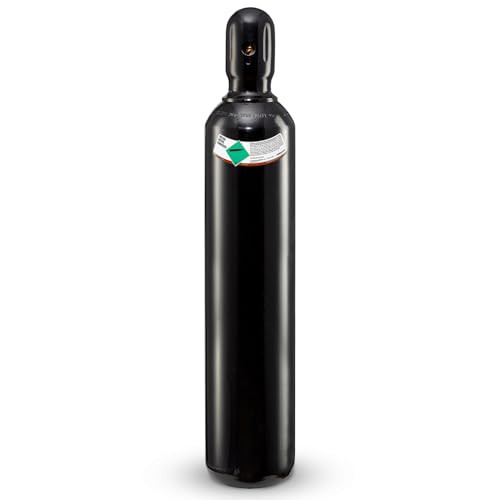
Welding Gas to Your Door - Get PrimeWeld's industrial grade Argon welding gas delivered right to your door. We offer different mixtures for any application, and you can purchase a tank without worrying about costly rental fees or wasted trips out to your local welding supply shop.
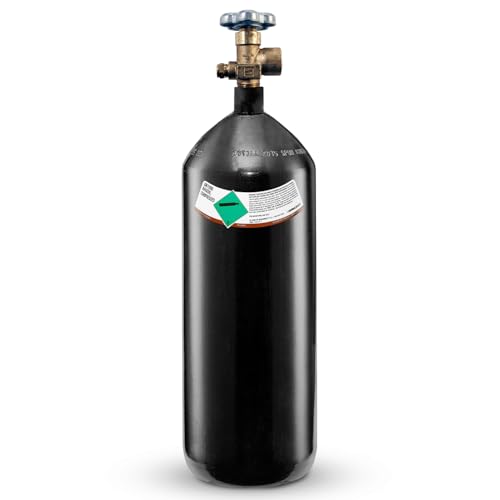
Welding Gas to Your Door - Get PrimeWeld's industrial grade Argon welding gas delivered right to your door. We offer different mixtures for any application, and you can purchase a tank without worrying about costly rental fees or wasted trips out to your local welding supply shop.

60 CU FT ARGON CAPACITY - Mid-size cylinder for welding, metal fabrication, and more. Balances generous capacity with portability at 29 lbs for professional welders, fabrication shops, and mobile repair
How Long Will a Gas Cylinder Last and How to Monitor It
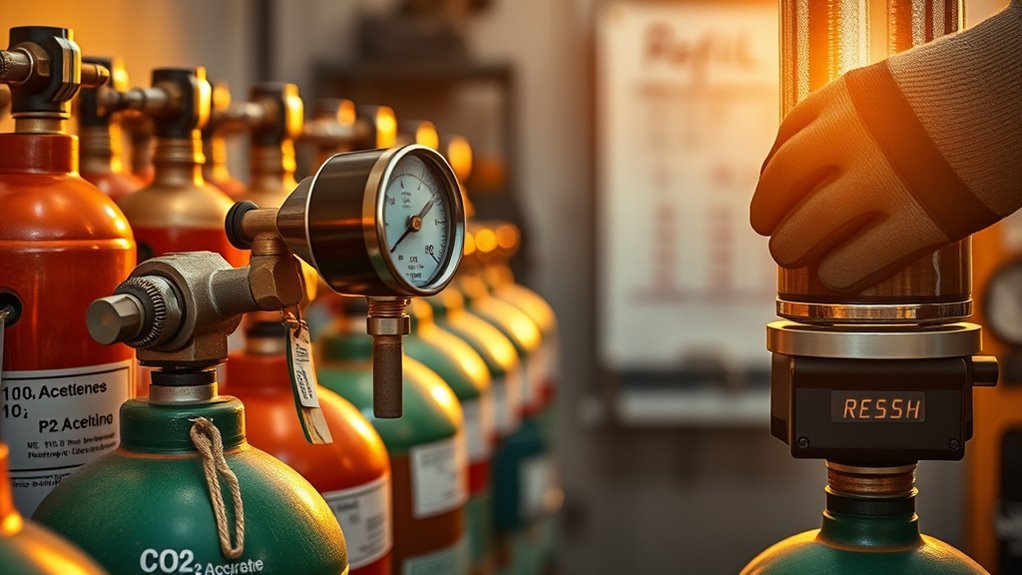
Cylinder life depends directly on tank volume and your set flow rate.
Predict run time by dividing cubic feet in the cylinder by cubic feet per hour (CFH). For example, an 80 cu ft tank at 10 CFH gives about 8 hours of welding.
Cylinder life equals tank cubic feet divided by CFH; e.g., an 80 cu ft tank at 10 CFH lasts about 8 hours.
Use that formula to estimate cylinder longevity for any tank size and flow.
Check regulator gauges before and during work. A full cylinder reads ~2015 psi. ~1000 psi indicates roughly half remaining.
Always follow OSHA compressed gas safety guidelines for handling and securing cylinders. Also, check the U.S. Department of Transportation cylinder safety regulations for testing requirements.
Monitor flow rate and regulator settings continually. Incorrect pressure or CFH compromises shielding and weld quality.
If a tank sits for a long time, rely on the supplier’s mixing and quality controls. Properly filled shielding gas blends stay homogeneous in storage.
Keep cylinders secured upright. Do not roll or drag them just to “mix” gas. That conflicts with compressed gas cylinder safety guidance.
Under light, intermittent hobby use, a 50 scf argon tank can last for several months. Adjust estimates by your actual CFH and welding frequency.
Rely on pressure monitoring and math, not guesswork, to schedule refills and avoid downtime.
Where to Buy, Refill, or Replace Your Welding Gas Tanks
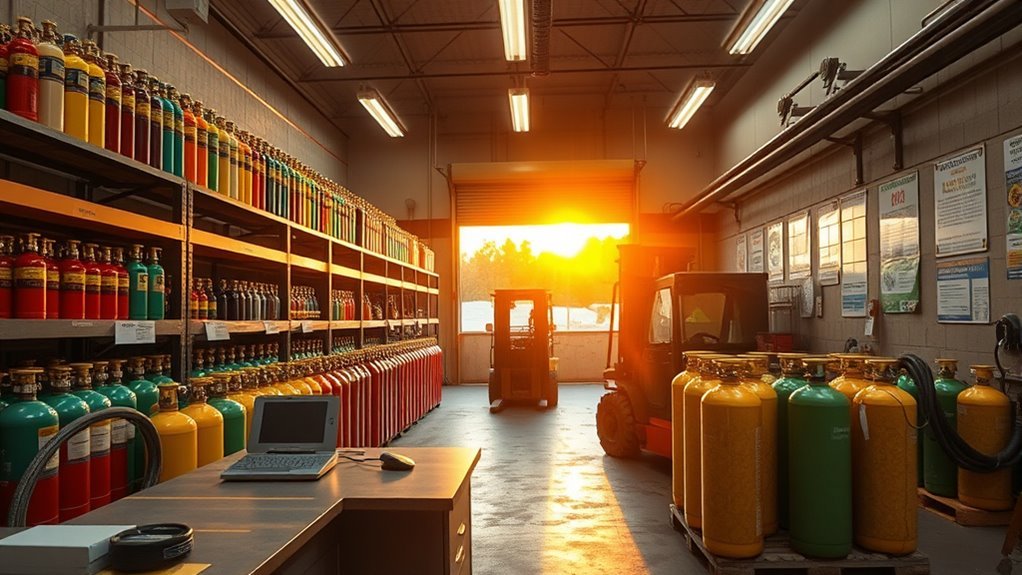
When you need gas, start by calling local welding suppliers and independents. Compare purchase, refill, and lease options.
Many welders find leasing cylinders cheaper upfront. Exchanges can cut refill costs.
You’ll get different rates for refills. They range from $25 on small bottles to $120+ for large cylinders. Supplier comparisons matter.
Ask about exchange programs, non-exchange penalties, and premium rates from national chains.
Leasing benefits include lower initial cost, maintenance, and predictable replacements. Buying gives you control but can raise refill fees on non-exchange bottles.
Shop several vendors. Note regional price variance. Document cylinder certification dates before switching providers.
- Call multiple local suppliers for quotes and terms
- Verify exchange vs. refill pricing and penalties
- Compare lease agreements, deposit, and return policies
- Check independent shops for lower refill rates than some majors
- Inspect certification/age of tanks before purchase or exchange
Products Worth Considering
All HP cylinders come with a 10 year hydrotest date stamped.

Welding Gas to Your Door - Get PrimeWeld's industrial grade 75 %Argon 25% CO2 gas cylinder delivered right to your door. We offer different mixtures for any application, and you can purchase a tank without worrying about costly rental fees or wasted trips out to your local welding supply shop.

All HP cylinders come with a 10 year hydrotest date stamped.
Tips to Save on Welding Gas Costs
To keep your welding gas expenses down, focus on efficiency.
Set your flow rate to the minimum needed for good shielding, usually 10-20 CFH.
Choose the right tank size for your workload to minimize refills.
Shop around for suppliers and ask about bulk discounts.
Monitor usage closely to avoid waste from leaks or overuse.
Consider exchange programs if they offer lower rates.
Products Worth Considering

Compatible with CGA-580 tanks: Easily attach this Gas Pressure Regulator/Flowmeter to your Argon, Helium, and CO2 tanks with its CGA-580 inlet connector

Wide Application: Effortlessly connect to Argon, Helium, and Argon/CO2 mixed gas tanks with the CGA-580 inlet nut. No adapters are necessary, ensuring a secure and leak-free setup right out of the box. Ideal choice for MIG TIG welding, chemical, industrial applications and electronics industry

Brand New BETOOLL Argon / CO2 regulator and flow meter.
Frequently Asked Questions
Can I Refill Welding Gas Myself at Home Safely?
You shouldn’t. DIY refilling welding gas isn’t safe or compliant for typical home or small-shop users.
You’ll need professional equipment, training, strict safety precautions, leak testing, and DOT/OSHA–compliant cylinder certification.
Attempting home refills risks explosion, injury, regulatory violations, and costly liability. Use licensed welding-gas suppliers instead.
Do Welding Gas Refills Have Expiration Dates?
Yes. You’ll see service dates and hydrostatic test stamps on cylinders.
They don’t spoil like food. But welding gas safety depends on gas cylinder maintenance, inspection, and adhering to stamped retest intervals and storage/handling protocols.
Are There Discounts for Bulk or Recurring Refills?
Yes. You’ll often get discounts.
Suppliers offer bulk purchase pricing and loyalty programs. These reduce per-cylinder cost, provide priority service, or issue points/credits.
Negotiate volume tiers and recurring refill contracts for best rates.
Can I Mix Different Gases in One Cylinder?
Improper or contaminated gas mixtures cause weld defects and safety issues.
Don’t mix gases yourself in one cylinder or transfer gas between cylinders.
Use dedicated, clearly labeled cylinders and approved mixing systems. Get them filled by professional suppliers to stay within welding procedures and compressed gas safety rules.
What Certifications Should Welding Gas Suppliers Have?
Require suppliers to meet certification requirements like ISO 9001, ISO 14001, DOT/TPED cylinder approvals, and gas-specific standards.
That verifies supplier credibility, traceability, safety management, and compliance with transport and quality controls.
Conclusion
You’ve seen the price spread for CO2, argon, and mixed gases. Tank choices, refills, and leases affect cost.
Pick the path that fits your work. Treat gas like fuel for a precision engine.
Smaller tanks save upfront cash but increase refill trips. Bigger cylinders cut per-hour cost but need storage and capital.
Monitor pressure, calculate runtime, and shop suppliers to balance convenience, uptime, and your bottom line.
