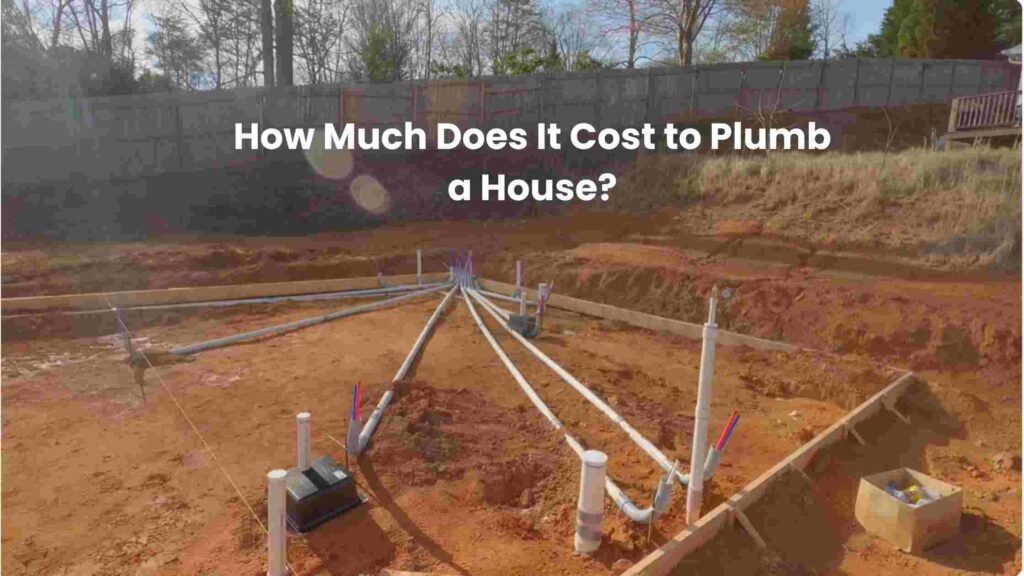
The cost to plumb a house ranges between $3,000 and $18,000 for repiping or basic systems, while new-home rough-in plumbing often runs $8,000 – $20,000+. The exact price varies based on size, materials, and labor.
Plumbing a house is an essential part of any residential build or renovation. It takes up a big chunk of the budget. Costs depend on the home’s size, number of bathrooms and fixtures, and whether you go with standard or premium materials.
The process means installing pipes, fixtures, and hardware for clean water in and waste out. You have to follow local codes, pick the right pipes, and plan an efficient setup for a system that’s safe, reliable, and built to last.
Getting these costs right upfront helps you set a solid budget and hire the right pros.
Quick Answer
Plumbing costs for a typical U.S. home in 2026:
- New construction rough-in: $8,000–$20,000 (about $4–$10 per sq ft)
- Full repipe or renovation: $3,000–$18,000
- Labor: $50–$200 per hour, or $450–$1,800 per fixture
Smaller homes and basic materials keep things cheaper. Bigger layouts or premium pipes push the total higher.
Introduction To Plumbing Costs
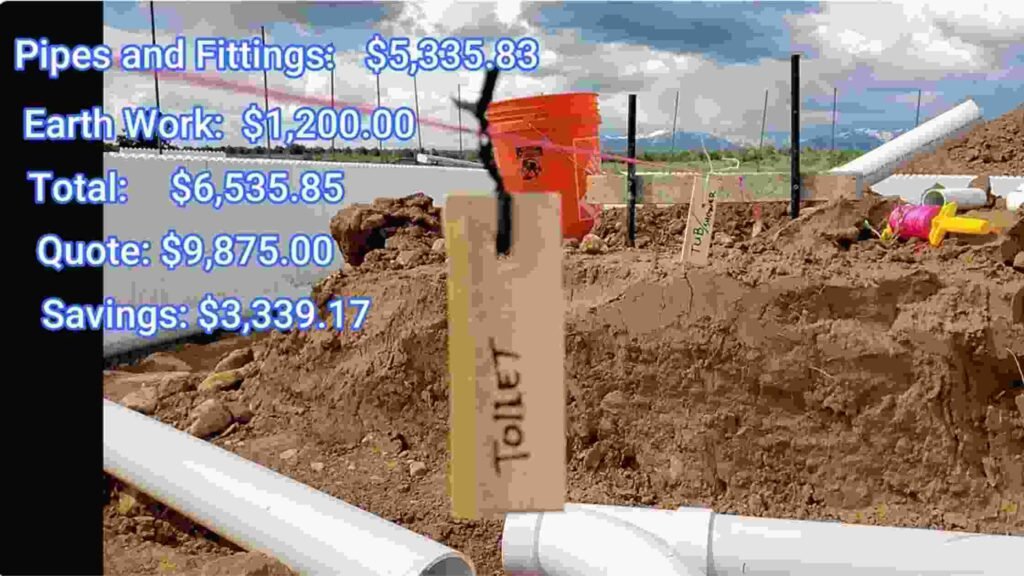
Plumbing a new house gets your home up and running. It’s exciting, but the numbers can sneak up on you. A clear budget keeps surprises away. Here’s what shapes these costs.
The Importance Of Accurate Budgeting
A tight budget keeps your project on schedule. It helps you line up the cash you need. Every step—from pipes to permits—stays under control.
Factors Influencing Plumbing Expenses
Costs swing based on a few key things:
- House size: Bigger homes need more pipes and work.
- Complexity of layout: Extra rooms mean extra labor.
- Plumbing materials selected: Basic or top-shelf changes the price.
- Regional labor rates: Where you live matters a lot.
- Permits and codes: Local rules can add fees.
Nail these down early. You’ll make smarter calls and finish strong.
Types Of Plumbing Systems
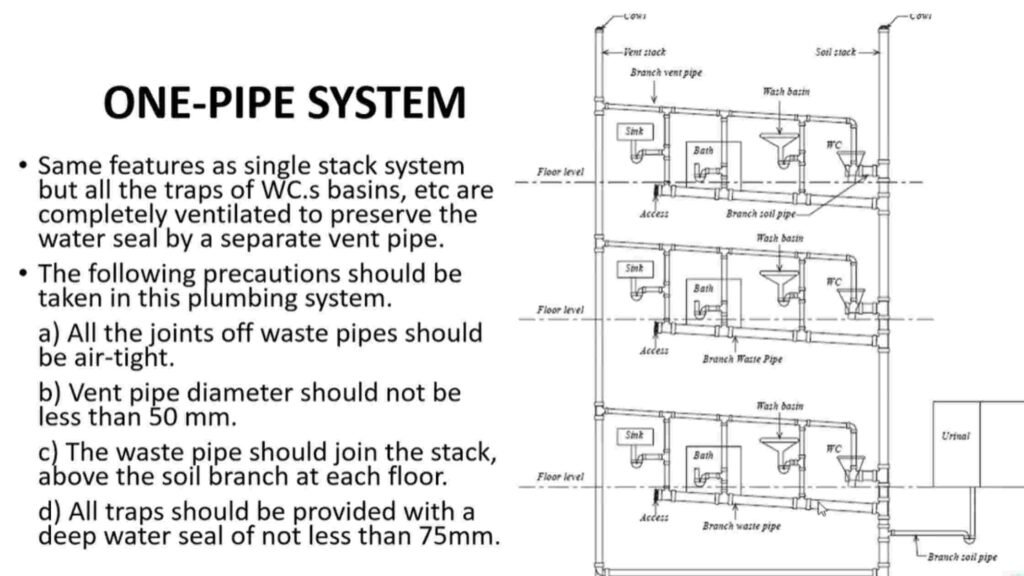
The type of system you choose drives a big part of the bill. Pipe materials and old-school versus new tech play the biggest roles.
Materials And Their Costs
Each material has its price tag.
- Copper: Tough and long-lasting, but costs more.
- PVC: Lightweight and budget-friendly.
- PEX: Flexible and mid-range in price.
Your choice adds up fast on a full-house job.
| Material | Cost per Foot |
|---|---|
| Copper | $2 – $8 |
| CPVC | $0.50 – $2 |
| PEX | $0.50 – $2.50 |
The bigger the project, the more these numbers matter.
Traditional Vs. Modern Systems
Traditional systems use metal pipes. They’re solid but pricier to put in. Modern setups lean on PEX. These go in quicker and usually cost less.
| System Type | Installation Complexity | Estimated Cost |
|---|---|---|
| Traditional | High | $8,000 – $15,000+ |
| Modern | Low | $4,000 – $10,000 |
Pick based on what fits your home and wallet.
Average Costs For New Plumbing
New plumbing costs can feel overwhelming at first. Prices vary a lot. Knowing the averages helps you plan. The sections below break it down by house size and by fixture.
Pricing By House Size
Size drives the total. Smaller homes use less material and time. Larger ones need more of everything. Here’s the typical range.
| House Size | Average Cost |
|---|---|
| 1,500 sq. ft. | $6,000 – $12,000 |
| 2,500 sq. ft. | $10,000 – $18,000 |
| 3,500+ sq. ft. | $15,000 – $25,000+ |
Per Fixture Installation Rates
Many plumbers charge per fixture—sinks, toilets, showers. Rates differ by type. Common figures look like this.
- Sink: $250 – $700
- Toilet: $300 – $800
- Bathtub: $700 – $2,000
- Shower: $1,000 – $2,200
Note: Pros often charge $450 – $1,800 per plumbing fixture including labor, depending on type and complexity.
House Renovation Plumbing Costs
Renovating? Plumbing can catch you off guard. Get the budget right so everything flows smoothly.
Upgrading Existing Systems
Modern upgrades often include:
- New fixtures like sinks, toilets, and showers.
- Improved piping materials such as PEX or copper.
- Water-saving technology for a greener home.
Upgrades run $3,000 to $18,000 on average. It depends on materials and home size.
Dealing With Old Pipework
Old pipes create headaches. You might need:
- Complete replacement to meet today’s standards.
- Inspection to catch hidden problems.
- Removal of hazardous materials, like lead or asbestos.
Full replacement adds up. Expect $8,000 to $25,000, depending on the job and house layout.
Labor Expenses
Labor makes up a good slice of the total. Plumbers set rates based on skill, job size, and where you live. Knowing the numbers helps you plan.
Professional Plumber Rates
Plumbers bill by the hour or a flat fee. Hourly works for time-based work. Fixed rates suit defined jobs. Expect hourly rates to range from $50 to $200.
Master plumbers charge more for tough jobs. A full-house project might need multiple days or a crew. Angi tracks these rates closely.
Cost Differences By Region
Your location changes the math. Urban spots and high-cost areas pay more. Here’s how rates stack up.
| Region | Average Hourly Rate |
|---|---|
| Midwest | $60 – $110 |
| South | $55 – $120 |
| West | $80 – $180 |
| East Coast | $75 – $160 |
Big cities run higher than small towns. Get quotes from a few locals to lock in the best deal.
Additional Plumbing Cost Factors
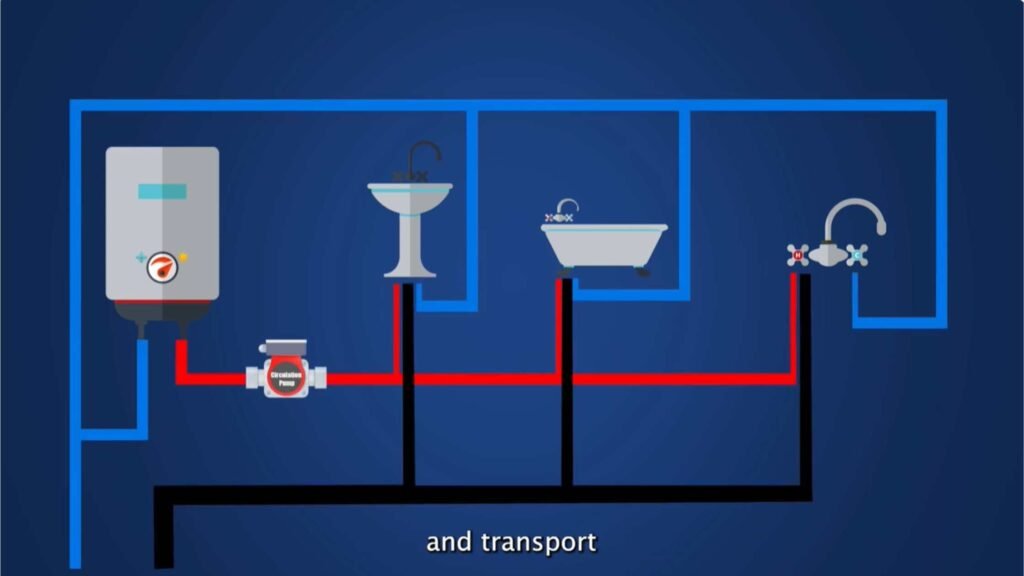
Look past the basics for the real total. Permits, inspections, and surprise fixes all play in. Let’s break them down.
Permitting And Inspection Fees
Every job needs local approval. Permits keep work up to code. Fees depend on your area and project scale.
- Local Regulations: Rules change by town.
- Scope of Plumbing Work: Bigger jobs need more paperwork.
These fees add up but keep things legal. Inspections follow and add a bit more.
Unexpected Complications
Jobs sometimes uncover old issues. Hidden damage or worn pipes can spike costs.
| Complication | Additional Cost |
|---|---|
| Replacing Old Pipes | Varies with materials and labor |
| Repairing Hidden Damage | Depends on damage extent |
Catch these early. Fixing them prevents bigger headaches later.
Saving Money On Plumbing
Plumbing isn’t cheap, but smart choices help. You can keep quality high without overspending.
Diy Vs Professional Plumbing
DIY might save on small jobs. But big work needs pros. You need the skills—and the right tools.
- Simple tasks like swapping a faucet are fine.
- Mistakes lead to leaks and bigger bills.
- Pros know codes and get it right first time.
Weigh your experience. Sometimes a pro is the cheaper route in the end.
Choosing Cost-effective Materials
Price doesn’t always mean quality. Match materials to the job.
| Material | Pros | Cons | Cost |
|---|---|---|---|
| Copper | Durable, reliable | Expensive, needs skill | High |
| PVC/PEX | Cheaper, flexible | Not for every spot | Low |
Go with what your home needs. Blending types can stretch your budget.
Planning Your Plumbing Budget
A good budget keeps the project moving. Break everything down so nothing slips through.
Creating A Cost Breakdown
List every expense: materials, labor, permits. This stops surprises. Here’s a simple way to do it.
- Research materials: Figure quantities and types.
- Estimate labor hours: Rates vary by crew.
- Permits: Check your town’s fees.
A table makes it easy:
| Item | Estimated Cost |
|---|---|
| Pipes and Fittings | $0.50–$8 per foot of pipe (PEX to copper) |
| Labor | –0 per hour, or 0–,800 per fixture |
| Permits | Check your town’s fee schedule |
| Total | Typically ,000–,000 (repipe) or ,000–,000+ (new rough-in) |
Prices shift by area and timing, so check locally.
Allocating Funds For Contingencies
Surprises happen. Build in a buffer.
- Set aside 10-15% of the total for extras.
- Use it for hidden damage or price jumps.
This keeps stress low and the job on track.
Conclusion: Investing In Quality Plumbing
Good plumbing means fewer headaches down the road. It saves money over time and keeps your home running right.
Long-term Benefits Of Proper Plumbing Investment
- Durability: Better materials last longer and need fewer fixes.
- Efficiency: Modern systems cut water and energy bills.
- Home Value: Solid plumbing boosts resale price.
- Safety: Less chance of leaks, mold, or damage.
Summary Of Key Cost Considerations
Smart planning covers the main drivers.
| Factor | Impact on Cost |
|---|---|
| Materials | Quality options cost more but pay off long-term. |
| Labor | Skilled crews charge more but deliver clean work. |
| Size of House | Larger spaces mean more pipes and time. |
| Complexity | Tricky layouts take extra effort. |
| Location | Rates and availability differ by region. |
The upfront price might sting, but quality work lasts. It keeps your home comfortable for years.
Frequently Asked Questions How Much Does It Cost to Plumb a House?
How Much Does It Cost To Run A Water Line 500 Feet?
Running a 500-foot water line costs $25,000 to $75,000+ for new work. That’s roughly $50–$150 per linear foot. Terrain, materials, and digging all factor in.
How Much Is A Plumber In Austin?
Plumbers in Austin charge $70 to $150 per hour. Complex jobs or expert crews can go higher.
Is It Worth It To Replumb A House?
Yes, replumbing often pays for itself. It stops leaks, improves flow, and raises home value. Swap out old, rusty pipes for peace of mind.
How To Quote New Construction Plumbing?
Start with the full scope. Tally materials, labor, and permits. Factor in challenges. Add your margin and you’re set.
Conclusion
Plumbing costs shift with materials, labor, and home details. Get local quotes, plan for extras, and hire solid pros. A smart investment now means fewer repairs later and a home that works the way it should.