
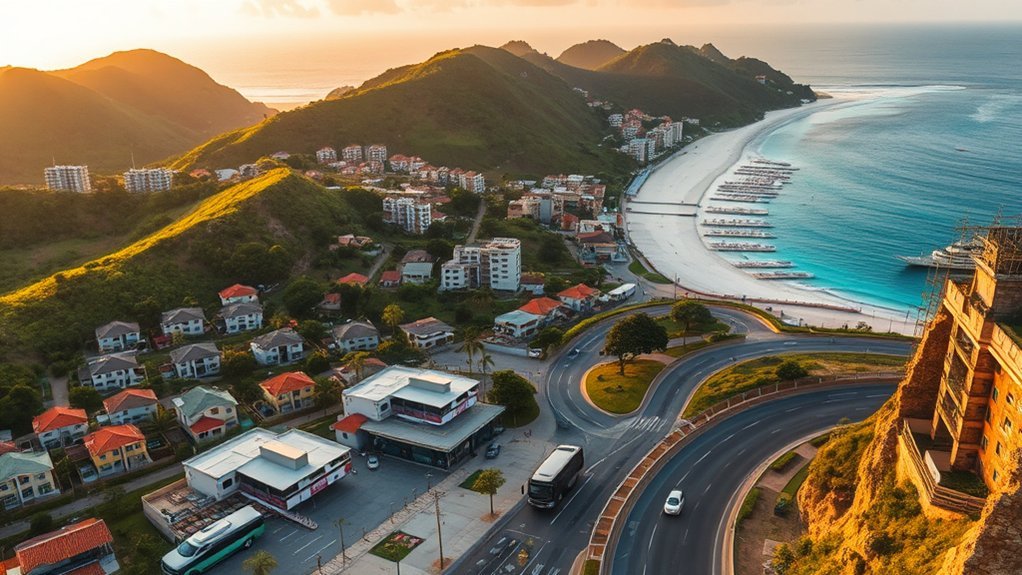
You’ll need roughly €1,650 a month as a single person and about €5,550 for a family of four. Rent takes up around two-thirds of the average gross salary. One-room city-center apartments cost close to €800, grocery and dining prices run high due to imports, buses are cheap but taxis and ferries add up fast, and private GP visits start at about €50. Utilities and internet add a significant chunk each month, so plan carefully. Below you’ll find detailed line-item costs and practical saving tips.
Quick Answer
- A single person needs roughly €1,650 per month; a family of four needs about €5,550 per month.
- The average gross salary is only around €1,200, so most expats need savings or supplemental income to get by.
- Rent is the biggest expense: a one-room city-center apartment averages €800 per month.
- Food costs are high due to imports; cooking at home and buying locally caught fish saves a lot.
- Buses cost about €0.70 per trip, but inter-island ferries run around €60 one-way.
- Private healthcare starts at €50 for a GP visit and can reach €150 for an emergency consultation.
Overview of Average Monthly Expenses for Individuals and Families
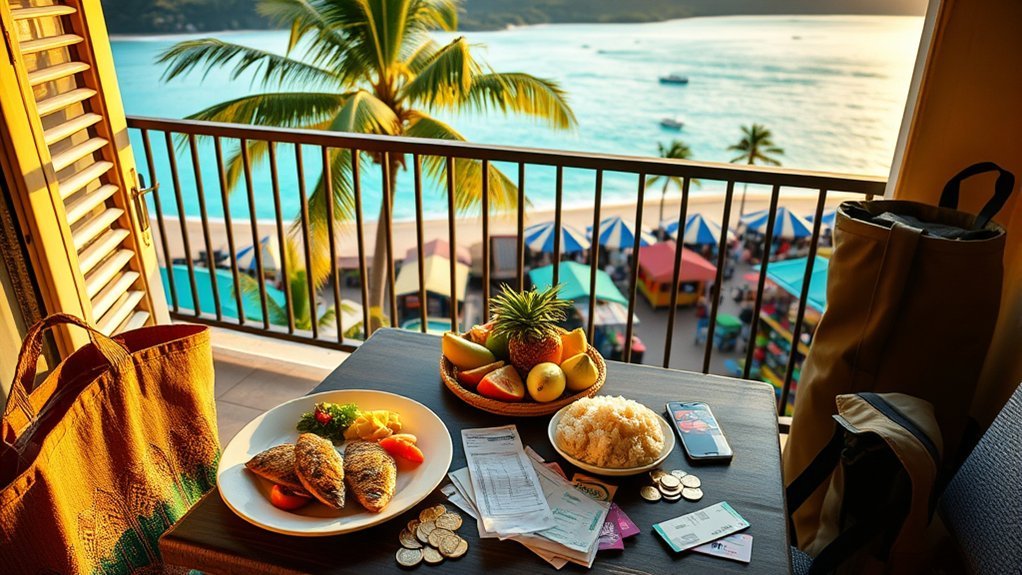
The Seychelles’ island lifestyle appeals to many, but the price tag is real. A single person typically spends about €1,650 per month, while a family of four needs roughly €5,550. See Numbeo’s Seychelles cost of living index for regularly updated comparisons.
Island life in the Seychelles comes at a cost. Budget around €1,650 monthly for one person and €5,550 for a family of four.
The gap becomes clear when you compare those figures to the average gross salary of about €1,200. The cost of living outpaces typical local income, so you’ll need savings or extra earnings to cover the difference.
Accommodation will dominate your budget. A one-room city-center apartment averages €800, with other areas ranging from €710 to €1,650. Transport adds more: bus trips cost about €0.70, while taxis start at €6.
Healthcare is another notable line item. GP visits run about €50 and specialists around €100.
For a family of four, allocate roughly a third of your budget to housing, a fifth to food and utilities, and keep an emergency buffer to cover the income-to-cost shortfall.
Housing and Rental Prices Across the Islands
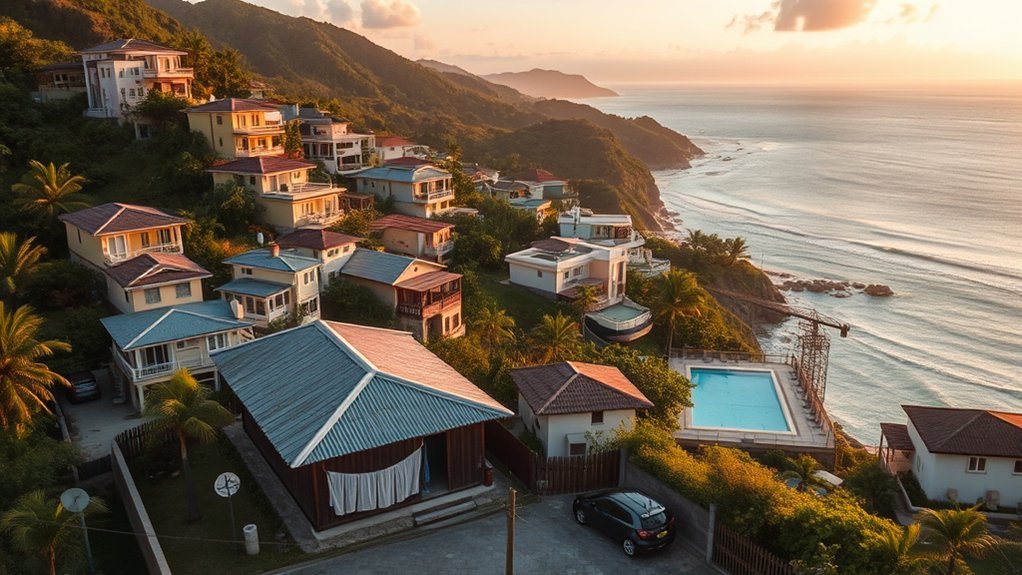
Expect to pay around €800 a month for a one-room apartment in Victoria’s city center. Mahé generally commands the highest rents across the islands because of stronger infrastructure and expat demand.
If you’re budgeting for Living in Seychelles, know that Mahé’s premium reflects better roads, services, and employer hubs. That rent pressure is predictable and unlikely to ease soon.
Apartments outside Victoria are noticeably cheaper, giving budget-conscious renters practical alternatives without losing access to basics.
Purchase prices average 9,700 to 13,000 SCR (€600 to €800) per square meter. That’s a useful benchmark if you’re weighing buying vs. renting in a long-term plan.
Expats tend to cluster on Mahé, which keeps demand and market liquidity higher there. For tighter budgets, non-central Victoria units or smaller islands can cut monthly housing costs substantially.
Food, Groceries and Dining Out Costs

Lunch runs about €15 per person and dinner for two comes to around €44. Dining out here is pricier than in most nearby countries.
Grocery bills are higher because most goods are imported. Buying local fish, shopping at markets, and cooking at home can cut costs significantly.
Compare menus and shop local to stretch your food budget without sacrificing quality.
Dining Out Price Ranges
A typical lunch runs about $15.30, a fast-food meal averages $11.80, and dinner for two sits around $43.80. Fish and takeaway options are often the most budget-friendly. Eating at local markets costs less than tourist restaurants, and venues using local produce tend to charge less because imported ingredients push prices up. Here’s a quick snapshot:
| Item | Typical Price (USD) | Cost Signal |
|---|---|---|
| Lunch (single) | 15.30 | Moderate |
| Fast food | 11.80 | Affordable |
| Dinner (two) | 43.80 | Higher |
| Fish/takeaway | 8–12 | Budget-friendly |
Grocery Shopping Tips
Grocery prices in Seychelles skew high because many items are imported. Compare prices between supermarkets and local markets. You’ll often save on fresh produce and seafood at markets; locally caught fish and seasonal fruit can undercut supermarket prices by a noticeable margin.
Fast food sits at around $11.80, which is fine occasionally but expensive as a daily habit. Cooking at home with staples from local shops brings per-meal costs down well below restaurant dining.
Talk to residents. They’ll point you to the best stalls and market days. Plan weekly menus around market bargains and you’ll reduce food spending reliably.
Transportation and Inter-Island Travel Expenses

Buses are the cheapest option at 13 SCR (€0.70) per trip. Taxis start at 97 SCR (€6) plus 29 SCR (€1.80) per kilometer, with 290 SCR (€18) per hour for waiting time. Convenience costs money here.
Inter-island travel is considerably pricier. Ferries between Mahé and Praslin run about 965 SCR (€60) one-way. Even with resident discounts on Air Seychelles flights, compare total door-to-door cost and travel time before booking.
A 10 km taxi trip works out to 97 + (10 x 29) = 387 SCR (€24). That’s the same as many bus rides combined, so save taxis for off-hours or group trips.
- Short commutes: bus at 13 SCR vs. taxi at 97+29/km. Take the bus when the schedule works.
- Island hops: ferry is roughly 965 SCR one-way. Check Air Seychelles resident fares for savings.
- Time vs. money: add up fare, waiting time, and transfers before you book.
Healthcare, Insurance and Medical Costs
Private care costs substantially more than public options. Budget for medical costs and insurance before you move. A GP visit in private practice runs about 800 SCR (€50), specialists can reach 1,600 SCR (€100), and emergency consultations cost around 2,400 SCR (€150). By comparison, a public hospital GP visit is about 250 SCR (€15.50).
Save money by using public facilities for routine care. Private clinics and teleconsultations (around 1,600 SCR / €100) are useful when you need convenience or specialist access quickly.
For budgeting, assume a mix: two private GP visits and one specialist or emergency reserve per year pushes out-of-pocket costs to roughly 3,200 to 4,800 SCR (€200 to €300) without insurance.
Health insurance reduces unpredictability and caps high-cost events. Expatriates are advised to compare plans that cover private providers and medical evacuation if needed. Factor in premiums, co-pays, and network limits when building your annual cost model.
Utilities, Internet and Household Services
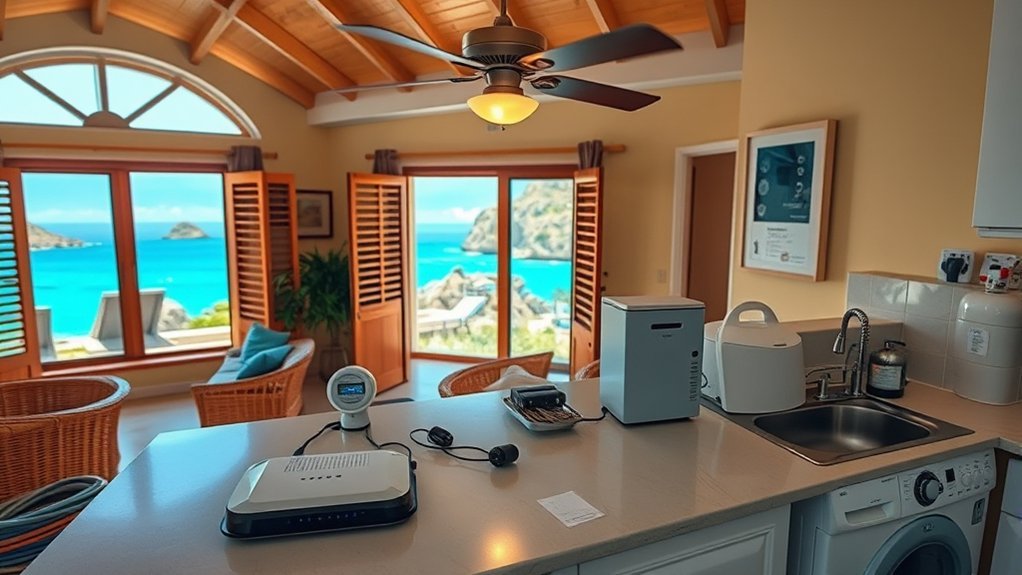
Budget about $126 monthly for electricity, water, and garbage. Electricity can spike during peak usage months.
Internet (50 Mbps and above) runs roughly $137 a month. Urban areas generally offer more reliable and competitive options than remote islands.
Also factor in domestic help and household services. Costs vary, but they can add a meaningful line item to your monthly expenses compared with similar-sized economies.
Products Worth Considering

【N-Type Technology, Up to 25% Efficiency】The Callsun 100 watt solar panel features advanced N-type monocrystalline cells that deliver up to 25% conversion efficiency, offering higher power output and more stable performance than standard solar panels 100 watt, making it an excellent choice for solar energy systems.

[23% Efficiency] Daily output reaches 800wh under the condition of 4 hours of sunlight. PERC technology boosts cell efficiency to 23% by enhancing sunlight reflection, greatly improving sunlight utilization

【N-Type Technology, Up to 25% Efficiency】The Callsun 400 watt solar panel (4pack 100w)features advanced N-type monocrystalline cells that deliver up to 25% conversion efficiency, offering higher power output and more stable performance than standard solar panels 100 watt, making it an excellent choice for solar energy systems.
Electricity and Water Costs
An average monthly bill for electricity, water, and basic services runs about $126. Electricity rates are noticeably higher than in many countries, and water is usually bundled into that total, though extra usage can add charges.
That’s below the US average utility bill of about $193, but higher per-unit electricity rates push costs up relative to many places.
Three things to watch:
- Monitor electricity closely. Air conditioning and hot water drive most of the variance.
- Treat water as bundled but cap usage. Overages cost extra, especially for irrigation or leaks.
- Consider energy-efficient appliances or solar options to reduce your $126 baseline and limit exposure to rate increases.
Internet Speed and Pricing
Internet in the Seychelles runs at a premium. A 50+ Mbps plan averages about $137 per month, versus roughly $67.50 in the U.S. Expect to pay roughly double for comparable speeds. Budget accordingly: internet is essential for work and staying connected, but speeds vary and outages occur more often than on the mainland.
Monthly utilities for a family average around $126 and typically include internet, so factor that into your housing cost estimate. If you need reliable high-speed service, compare providers and consider mobile data as a backup. Cheaper plans may struggle with video conferencing or streaming.
| Metric | Value |
|---|---|
| 50+ Mbps cost (Seychelles) | $137/mo |
| 50+ Mbps cost (U.S.) | $67.50/mo |
| Avg family utilities (incl. internet) | $126/mo |
| Reliability | Variable, occasional outages |
Domestic Help and Services
Plan for two predictable monthly costs: utilities (electricity, water, garbage) at about $126, and a 50+ Mbps internet plan at around $137. That’s roughly double U.S. prices for comparable speeds.
Domestic help varies widely by task and hours. Cleaning or gardening from local providers is common, but rates depend on availability and location. Internet reliability also varies by island and neighborhood, which affects the value you actually get.
- Budget baseline: plan roughly $263/month for utilities and internet combined, then add service costs.
- Variability: domestic help rates fluctuate. Get local quotes before budgeting a fixed number.
- Trade-offs: paying more often buys reliability or convenience, not just speed.
Salaries, Purchasing Power and Budgeting for Expats

The average gross salary is only about €1,200 per month, while a modest single-person budget requires close to €1,650 and a family of four needs roughly €5,550. That gap is real. For context, World Bank Seychelles data confirms the country’s relatively high income levels within the region, yet local wages still fall short of typical living costs.
With average wages below a single-person budget, you’ll likely need supplemental income, savings, or employer-provided housing. Rent is a major drain: a one-room city-center apartment at €800 already consumes two-thirds of average gross pay.
Purchasing power is limited. Overall costs run up to 180% higher than in Madagascar and about 38% higher than in Mauritius. Your euros simply won’t stretch as far here.
For realistic planning, itemize fixed costs (rent, utilities, insurance) and variable costs (food, transport, leisure) separately. Target a buffer of 20 to 30% for price volatility. Assess employer benefits like housing allowances, school fees, or health coverage before accepting any offer. Compare neighborhoods and salary packages in detail before committing.
Cost of Living Compared to Nearby Countries and the United States
Once you understand the local salary picture, it helps to see how Seychelles costs stack up regionally and against the U.S. That context makes it easier to negotiate pay, set savings targets, and plan a realistic budget.
The picture is mixed. Rent drives a roughly 38% higher overall cost than Mauritius (a studio in Victoria runs about £750 vs £400 in Mauritius). Seychelles can be up to 180% costlier than Madagascar, even though Madagascar’s average salary (roughly €3,000 per year) is far below Seychelles (roughly €14,500 per year).
Use these specifics to guide decisions:
- Housing and rent: Accommodation costs are substantially higher in Seychelles versus nearby islands. Prioritize rental stipends or shared housing in your budget.
- Daily expenses and dining: Lunch averages $15.30 in Seychelles vs $19.50 in the U.S., making casual eating more affordable for visitors but still significant for locals.
- Utilities and transport: Monthly utilities (about $126 for a family) and local bus fares ($0.74) are lower than U.S. equivalents ($193 and $2.35 respectively), which eases some recurring-cost pressure.
Frequently Asked Questions
How Much Money Do I Need to Live in Seychelles?
You’ll need about €1,650 monthly as a single person and roughly €5,550 for a family of four. Both figures exceed the €1,200 average salary, so savings or a higher income are essential to cover rent and essentials.
Can a US Citizen Live in the Seychelles?
Yes. US citizens can live in the Seychelles, but you’ll need a visa or residence permit. Living costs run high (about €1,650 per month), rent averages €800, and budgeting in SCR often gives better exchange rates.
How Much Is a Bottle of Coke in Seychelles?
A bottle of Coke costs about 25 SCR (€1.55) in stores and often more at restaurants. That’s roughly 20% costlier than in the U.S. Supermarkets and local brands offer cheaper bulk or alternative options.
Is Seychelles a Good Place to Live?
For many people, yes. The island lifestyle is genuinely appealing, but costs are high. Single residents typically need €1,650 a month and families need €5,550. Mahé offers the best services, but rents and dining prices strain most budgets.
Conclusion
Living in the Seychelles costs more than most nearby Indian Ocean islands. Groceries run about 30 to 40% higher than in Mauritius, and overall consumer prices are roughly 20 to 25% above Mauritius and about 15% higher than the U.S. (excluding rent). One number to keep front of mind: average monthly rent for a one-bedroom in Victoria sits at roughly SCR 9,000 to 12,000 (about USD 650 to 870). Prioritize housing and food when building your budget, and keep a buffer for the unexpected.
