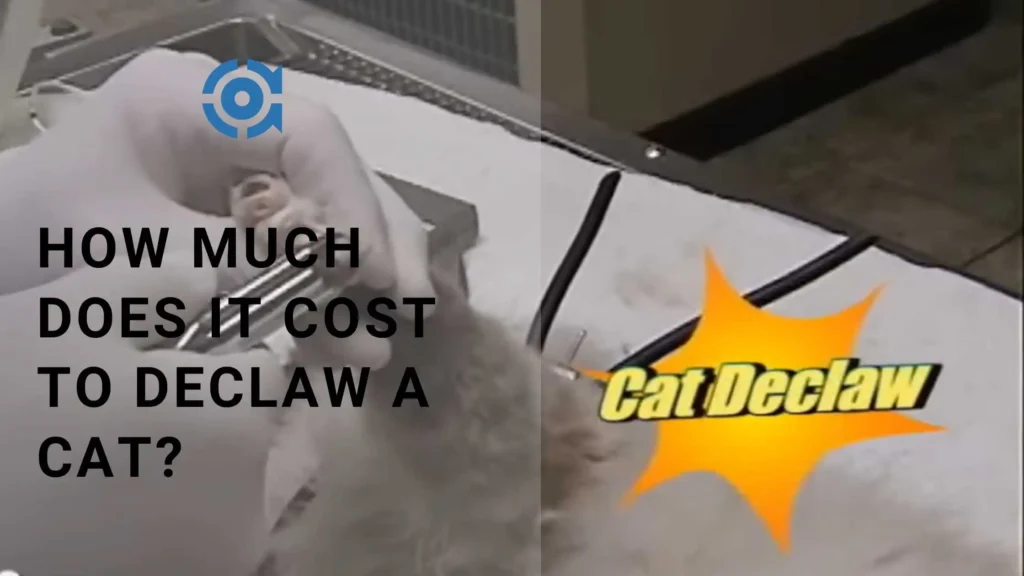
The cost to declaw a cat in the U.S. typically ranges from $200 to $800+ depending on the veterinary clinic, method (laser often costs more), and what’s included. For example, some U.S. clinics list front-paw packages around $500–$750 (clinic price lists accessed Jan–Aug 2025; see sources), and pet insurers note estimates in this band as well (Aug 2025).
Declawing a cat is a controversial and significant surgical procedure. It removes the last bone in each toe from which the claw grows. This is comparable to amputating each fingertip at the last joint in a human.
Pet owners often consider declawing to prevent furniture damage or personal injury. But it’s important to weigh the ethical implications and potential health risks to the cat. Many veterinarians advocate for alternatives such as regular nail trimming or nail caps, which are less invasive and preserve the cat’s paws. Consult with a veterinarian before making any decision.
Quick Answer
- Total cost (front paws): $200–$800+ in the U.S., with many clinics quoting $500–$750 as a package price.
- Main cost components: Consultation ($40–$100), pre-op bloodwork ($70–$200), anesthesia ($60–$150), surgery ($150–$400), and pain medication ($30–$100).
- Laser declawing typically costs more due to equipment; evidence on faster recovery is mixed.
- Elective declawing is banned in New York, Maryland, Virginia, Massachusetts, Rhode Island, Washington D.C., and several California cities. Check your local law.
- Most pet insurance policies exclude elective declawing. Payment plans (e.g., CareCredit) may help.
- Alternatives like scratching posts and nail caps are widely recommended by major veterinary organizations.
Introduction To Cat Declawing
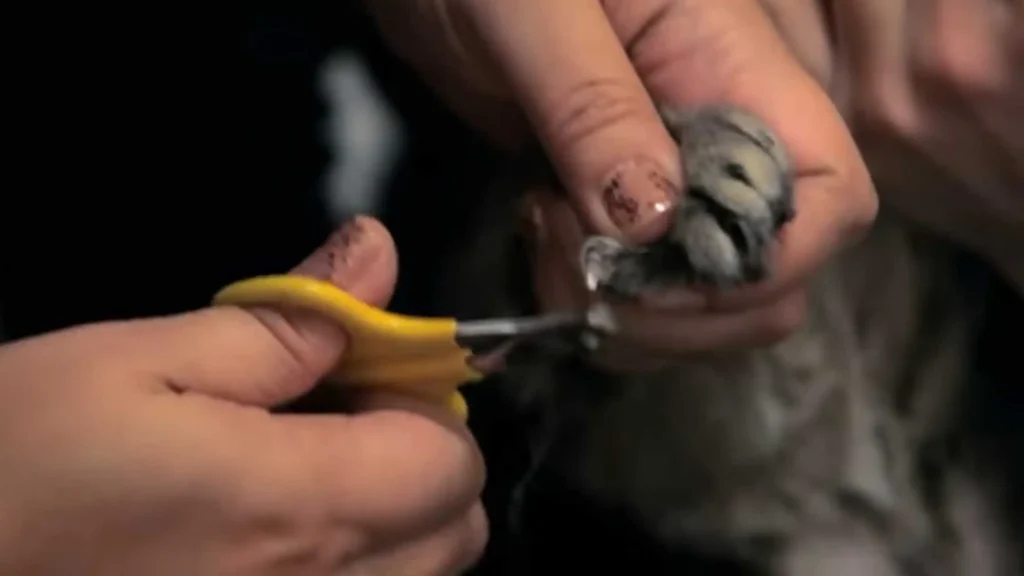
Declawing removes a cat’s claws through surgery. It can be painful for cats. Owners typically choose it to stop cats from scratching furniture or people. Understanding the full picture is essential before deciding. Note: In some U.S. jurisdictions, elective declawing is illegal or restricted; see the FAQ for current statewide and local bans.
Reasons For Declawing
Owners declaw cats for several reasons:
- To protect furniture from scratches.
- Prevent injuries to people, especially kids.
- Due to landlord requirements.
Ethical Considerations
Declawing raises ethical questions. It can change a cat’s behavior and long-term health. Many vets and animal rights groups oppose it. They suggest other ways to manage scratching instead. Consider alternatives like trimming nails or using scratch posts before committing to surgery.
Understanding The Procedure
Before discussing costs, it’s worth understanding what declawing actually involves. It’s not a nail trim. It’s a surgical procedure that can affect your cat’s health and behavior for the rest of their life.
Surgical Methods
Declawing removes both the claw and the bone it grows from, which prevents the claw from regrowing. Vets perform this under general anesthesia so the cat doesn’t feel pain during the operation.
Laser Declawing
Laser declawing uses a CO2 laser to remove the claw. It can improve intraoperative bleeding control, but evidence on postoperative pain is mixed. Some studies show only modest early differences compared with scalpel methods. Recovery time is often similar to traditional surgery, and the cost is usually higher due to the equipment involved.
Tendonectomy
A tendonectomy cuts the tendons that control claw movement. The cat keeps its claws but cannot extend them. This procedure carries its own risks and may lead to abnormal claw growth. Discuss this option carefully with your vet. Note: Some recent U.S. laws prohibit tendonectomy alongside declawing (see FAQ for details).
Pre-surgery Considerations

Before scheduling declawing, there are important steps to take. These protect your cat’s safety and help you prepare financially. Each step has its own cost.
Consultation Costs
The first step is a consultation with a vet. The vet will assess your cat’s health, explain the procedure, and outline the aftercare required. Consultation fees typically range between $40 and $100, depending on the vet’s experience and location.
Pre-operative Bloodwork
Before surgery, your cat needs blood tests to check for hidden health issues such as anemia or infection. Catching these early reduces the risk of complications. Pre-operative bloodwork generally costs between $70 and $200, depending on which tests the vet orders.
Budget for both the consultation and bloodwork upfront to avoid surprises when the final bill arrives.
Breakdown Of Declawing Costs
The total bill covers several components. Here’s what each one typically costs.
Anesthesia Fees
Anesthesia keeps your cat pain-free and still during surgery. The cost depends on the cat’s weight and overall health. On average, expect to pay $60 to $150 (U.S.).
Surgical Expenses
The surgery itself is the core expense. It requires precision and specialized care. This part typically costs between $150 and $400, with laser procedures usually at the higher end.
Pain Management And Medication
After surgery, your cat will need pain relief medication and antibiotics to prevent infection. These generally range from $30 to $100.
| Expense Category | Cost Range |
|---|---|
| Anesthesia Fees | $60 – $150 |
| Surgical Expenses | $150 – $400 |
| Pain Management and Medication | $30 – $100 |
- Total cost (U.S.) often ranges from $300 to $800+ for front paws, depending on clinic, region, and method. Some clinics quote $500–$750 packages (see sources for examples and dates).
- Costs vary by location, vet, and your cat’s individual needs.
These are average figures. Your final bill may differ. Always ask your vet for a detailed written estimate before proceeding.
Post-surgery Care
Proper post-surgery care is critical. A smooth recovery depends on close monitoring and scheduled follow-up visits. With the right attention, most cats return to normal activity in time.
Recovery Monitoring
Watch your cat’s behavior closely after surgery. Changes in appetite or activity often signal discomfort. Check bandaged paws for signs of bleeding or swelling.
Keep the living area clean and quiet. Avoid standard litter, which can irritate healing paws. Use shredded paper or a paper-based litter product instead.
Follow-up Visits
Schedule follow-up visits with your vet after surgery. These appointments allow the vet to check for proper healing, remove sutures if needed, and reassess pain management. Follow the vet’s instructions closely and don’t skip any scheduled appointments.
Potential Complications And Additional Costs
Declawing doesn’t always go smoothly. Some cats experience complications that add to the total cost. It’s important to plan for these possibilities.
Infection Treatment
Infections are a common post-surgery risk. Signs include redness, swelling, and discharge. Treating an infection means more vet visits and more bills. Here’s a rough breakdown of possible extra costs:
- Antibiotics: $20-$50
- Follow-up vet visits: $50-$100 per visit
- Pain medication: $10-$30
These costs can add up quickly if the infection is severe.
Behavioral Therapy
Some cats change their behavior after declawing. They may stop using the litter box or start biting more. Behavioral therapy can help them adjust. Costs may include:
- Consultation with a pet behaviorist: $100-$200
- Behavior modification plans: $50-$150
- Follow-up sessions: $50-$100 per session
Rates vary depending on the cat’s needs and the specialist you work with.
Both infection treatment and behavioral issues add to the total cost of declawing. Factor these potential expenses into your decision. Your cat’s long-term health and comfort matter as much as the upfront price.
Alternatives To Declawing
Given the cost and ethical concerns, many pet owners look for gentler solutions. These options protect furniture without putting your cat through surgery. The Humane Society guide to scratching alternatives is a good starting point for practical tips.
Scratching Posts
Scratching posts meet a cat’s natural need to claw. Offer a variety of materials and shapes. Sisal fabric, carpet, and cardboard are common favorites. Place posts near sleeping areas and furniture. Make sure they are sturdy and tall enough for a full stretch.
Nail Caps
Nail caps are small plastic covers applied to a cat’s claws with safe adhesive. They’re a non-surgical option that protects against scratches. A vet or careful owner can apply them at home. They last 4-6 weeks and come in many colors. Cats can still extend and retract their claws normally while wearing them.
Training
- Use positive reinforcement when cats use scratching posts.
- Start training early for best results.
- Redirect from furniture to posts with toys or catnip.
Consistent training can teach cats where to scratch. This protects your home and keeps your cat’s claws intact.
Financial Assistance And Insurance
Vet bills can be a real strain. Knowing your financial options ahead of time makes the process less stressful.
Pet Insurance Policies
Most pet insurance policies classify declawing as an elective procedure and exclude it from coverage. Coverage for medically necessary claw removal (for example, due to a tumor or severe injury) varies by plan. Check the fine print and ask your insurer for written confirmation before assuming anything is covered.
- Check coverage limits and deductibles before proceeding.
- Compare different insurers to find the best fit for your cat’s needs.
- Expect that elective onychectomy is not covered on most policies.
Charitable Organizations
Several charitable organizations help with veterinary bills, but most focus on necessary medical care such as illness or injury. Most do not fund elective procedures like declawing. Local animal shelters may have referrals or recommendations for low-cost care.
Payment Plans
Some veterinary clinics offer payment plans. These spread the cost of declawing into manageable monthly installments.
- Ask your vet about in-house financing options.
- CareCredit is a healthcare credit card that can be used for pet health services.
Declawing is a major procedure. Explore all financial options and consult your vet to understand the full implications before moving forward.
Frequently Asked Questions of How Much Does It Cost to Declaw a Cat?
Will Vets Still Declaw Cats?
Some vets may still declaw cats where legal, though it’s increasingly uncommon. Major veterinary organizations discourage elective declawing, and many practices, especially those designated as “Cat Friendly,” do not offer it. The AVMA’s official policy on declawing outlines the profession’s current stance in detail. Always consult with your own veterinarian.
Is It Okay To Declaw An Indoor Cat?
Elective declawing is generally discouraged by leading veterinary bodies because of pain and potential behavioral changes. Alternatives like scratching posts and nail caps are recommended instead. Laws in some areas restrict or ban elective declawing regardless of whether the cat lives indoors.
What Is The Best Age To Declaw A Cat?
There is no recommended “best age” for elective declawing under current veterinary guidance. Major organizations discourage the procedure regardless of age. In rare cases of medical necessity, timing is determined by a veterinarian based on the individual cat’s situation.
What States Is It Illegal To Declaw A Cat?
As of August 2025 (U.S.): statewide elective declaw bans are in New York (2019), Maryland (2022), Virginia (effective July 1, 2024), Massachusetts (effective April 8, 2025), and Rhode Island (signed July 2, 2025). Washington, D.C. also prohibits elective declawing (2023). Multiple cities in California, including Los Angeles, San Francisco, Berkeley, and West Hollywood, have local bans as well. Always check your local law before proceeding.
Conclusion
Deciding to declaw a cat involves both ethical considerations and real financial costs. Prices vary widely based on location, the vet’s experience, and the procedure chosen. Before proceeding, weigh the pros and cons carefully and explore alternatives that protect both your pet’s wellbeing and your home.
A well-informed decision is the kindest thing you can do for your cat.