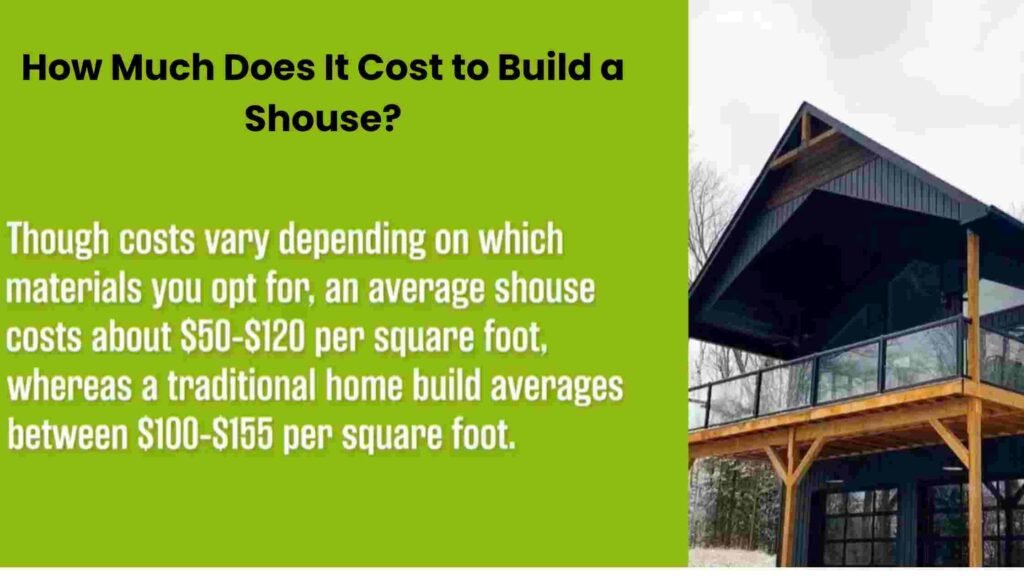
Updated July 28, 2026. Building a finished shouse in the United States commonly requires a preliminary budget of about $110–$200 per enclosed square foot before land. The most accurate early estimate prices the finished living area and the simpler shop area separately, then adds site work, utilities, design, permits, financing costs, and a contingency fund.
Quick Answer
As of July 2026, plan on roughly $110–$200 per enclosed square foot for a finished U.S. shouse before land. A better estimate separates living space, often $140–$220+ per square foot, from basic conditioned shop space, often $45–$100. Site work, utilities, design, permits, financing, and contingency are additional.
Key Takeaways
- Price the living area and shop area separately. They require very different levels of plumbing, HVAC, electrical work, insulation, cabinetry, and finish.
- A weather-tight shell price normally excludes some combination of the foundation, utilities, interior walls, mechanical systems, permits, and site work.
- Land, grading, driveway access, utility extensions, septic work, design fees, and permits can add tens of thousands of dollars.
- Set aside a 10%–15% construction contingency after the scope is defined, rather than using the contingency to cover known missing items.
- Confirm zoning, financing, appraisal, and insurance feasibility before buying a building kit or committing to custom plans.
A shouse, also called a shop house, combines residential living quarters with a substantial workshop, garage, storage area, or business space under one roof. It can provide more functional space than a conventional home, but it is not automatically cheaper. The savings depend on a simple building shape, modest residential finishes, efficient structural spans, suitable land, and a shop that does not require expensive commercial-grade systems.
The National Association of Home Builders reported a 2024 median of $166 per square foot for contractor-built custom homes, with substantial regional differences. A shouse may lower its blended rate by using simpler finishes in the shop, but its finished living area still carries normal residential construction costs.
How to estimate the cost of a shouse
A single advertised price per square foot can hide more than it reveals. Build a preliminary shouse budget with three separate calculations:
- Finished living area: Multiply the residential square footage by an estimated local residential construction rate.
- Shop area: Multiply the shop square footage by a rate that matches its actual condition, such as an unconditioned bay, insulated workshop, or fully heated and cooled workspace.
- Project-level costs: Add land, surveys, engineering, site preparation, utilities, permits, professional fees, financing expenses, exterior improvements, and contingency.
| Project scope | Preliminary allowance | What it generally means |
|---|---|---|
| Weather-tight shell | About $35–$80 per sq ft | Frame, roof, exterior cladding, and basic openings. The slab, erection, insulation, windows, overhead doors, or engineering may be excluded from a quoted shell price. |
| Basic conditioned shop | About $45–$100 per sq ft | Durable floor, electrical service, lighting, insulation, basic heating or cooling, and limited finished surfaces. |
| Finished living area | About $140–$220+ per sq ft | Code-compliant residential space with kitchen, bathrooms, HVAC, plumbing, electrical work, insulation, drywall, flooring, cabinetry, fixtures, and appliances. |
| Blended finished shouse | About $110–$200 per enclosed sq ft | A combined planning range that depends on the ratio of finished living area to simpler shop area. |
These are preliminary national planning allowances, not contractor bids, appraisals, or lending estimates. High-cost labor markets, difficult sites, premium interiors, large overhead doors, commercial electrical loads, tall clear spans, and remote utility extensions can push the total above these ranges.

The Armor All AA255W wet/dry utility vac delivers strong 2 peak HP suction in a compact, portable design for quick cleanup of wet and dry messes. Its 2.5-gallon tank, wheel base, top handle, and built-in storage make it easy to move, organize, and use around the garage, car, or jobsite. It also converts to a blower and comes with multiple accessories for versatile cleaning tasks.

This DEWALT 20V MAX combo kit delivers reliable drilling and fastening power in a compact, jobsite-ready package. The lightweight drill/driver and impact driver are built to fit into tight spaces, while integrated LED work lights help improve visibility in dim areas. With two batteries, a charger, and a storage bag included, it is a convenient solution for professionals and DIY users alike.

The Danco Lift and Turn Bathtub Drain Stopper provides an easy replacement for worn or non-functioning tub stoppers while helping keep debris out of your drain. Its lift-and-turn design makes filling and draining the tub simple, and the reversible thread sizes support flexible installation without removing the drain. The chrome finish adds a clean, updated look to your bathtub trim, while the durable metal and plastic construction is built for everyday use.
Example budget for a 2,000-square-foot shouse
Consider a 2,000-square-foot building with 1,200 square feet of finished living space and an 800-square-foot conditioned shop:
| Budget item | Calculation | Planning range |
|---|---|---|
| Finished living area | 1,200 sq ft × $140–$220 | $168,000–$264,000 |
| Conditioned shop area | 800 sq ft × $45–$100 | $36,000–$80,000 |
| Base building subtotal | Living area plus shop area | $204,000–$344,000 |
| Site work, utilities, design, engineering, and permits | Property-specific allowances | $30,000–$90,000+ |
| Construction contingency | About 10%–15% of defined construction scope | $20,000–$52,000 |
| Preliminary project total before land and financing | Combined planning allowance | About $254,000–$486,000+ |
The wide range is intentional. A national article cannot know the property’s soil, utility distance, permit fees, local wages, snow and wind loads, finish level, or shop equipment requirements.
Pro Tip: Ask every contractor to separate the living area, shop area, site work, utilities, allowances, and exclusions. A low total is not useful when it leaves out the slab, utility connections, overhead doors, insulation, or interior finish.
Defining the shouse concept
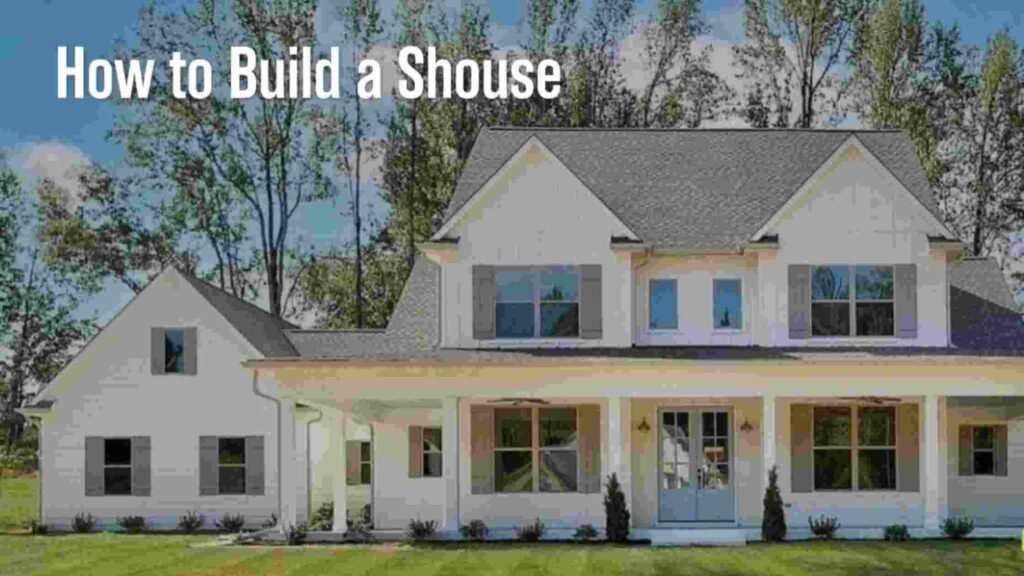
A shouse combines a shop and a house. The shop may be used for vehicle storage, woodworking, equipment repair, farming, inventory, hobbies, or a small business. The residential portion functions like a conventional home and must meet the locally adopted residential, energy, plumbing, mechanical, electrical, and fire-safety requirements.
The shouse aesthetic
A shouse can look rustic, industrial, agricultural, or fully residential. Many use metal siding and roofing, but a shouse can also use post-frame, wood-frame, masonry, or mixed construction. High ceilings and wide structural spans make the shop flexible, while windows, porches, varied rooflines, and residential cladding can soften the exterior.
Each visual upgrade has a cost. Dormers, valleys, covered porches, mixed cladding, large glass openings, and complex roof intersections require more material, flashing, engineering, and labor than a simple rectangle with a straightforward roof.
Functional aspects of a shouse
- Combined living and working areas: One structure can reduce duplicated walls, roofs, driveways, and utility runs.
- Flexible floor plans: Clear-span shop construction can leave room for lifts, equipment, storage, or future partitions.
- Durable exterior options: Properly detailed steel roofing and siding can provide a long service life.
- Separate environmental controls: The living area and shop should normally have separate ventilation and well-planned heating or cooling zones.
- Future adaptability: Door locations, ceiling height, slab thickness, electrical capacity, and plumbing rough-ins can be planned for later equipment or expansion.
The most successful design treats the home and shop as two different environments connected by a carefully planned structure. That approach improves budgeting, comfort, safety, and code compliance.
Cost variables for shouse construction
The total shouse cost depends on much more than floor area. Geometry, structural loads, shop equipment, finish quality, utility capacity, site access, contractor availability, and local code requirements can each change the final price.
Size and complexity
Larger buildings cost more overall, although a simple larger rectangle may have a lower cost per square foot than a small design with many corners and custom features.
- Simple rectangles generally reduce foundation corners, roof transitions, framing labor, and material waste.
- Multi-level layouts add stairs, structural support, fire separation, and accessibility concerns.
- Mezzanines may require engineered columns, beams, guards, stairs, and greater foundation capacity.
- Large overhead doors need engineered openings and may increase heating, cooling, and air-sealing demands.
- Long clear spans can require heavier steel frames, engineered trusses, or deeper structural members.
- Porches and lean-tos add roof area, foundations, drainage details, and labor even when the enclosed square footage does not change.
Material and structural-system choices
| System | Potential advantages | Cost and planning concerns |
|---|---|---|
| Pre-engineered steel | Large clear spans, predictable structural package, durable frame, and efficient shop layouts. | Engineering, freight, crane or lift access, erection labor, thermal bridging, condensation control, and interior attachment details must be included. |
| Post-frame | Common in rural construction, flexible bay spacing, and efficient installation on suitable sites. | Post foundations, uplift resistance, embedded-column durability, diaphragm design, local residential approval, and finish attachment need careful review. |
| Conventional wood frame | Familiar to residential contractors and straightforward for windows, insulation, drywall, and interior finishes. | Large shop spans may require engineered trusses, beams, posts, or interior bearing points. |
| Hybrid construction | Allows an efficient steel or post-frame shop with a familiar residential framing system. | Connections between systems, rooflines, movement, air sealing, fire separation, and engineering can add complexity. |
Do not compare a material-only steel package with a fully installed wood-frame quote. Request total installed prices that include engineering, delivery, erection, fasteners, bracing, sheathing or cladding, openings, equipment, taxes, and contractor overhead.
Finish level
Residential finishes often create the largest gap between a basic and premium shouse. Kitchens, bathrooms, cabinetry, tile, lighting, appliances, trim, and specialty windows can quickly move a project out of the budget category.
| Category | Budget-conscious choice | Higher-cost choice |
|---|---|---|
| Flooring | Sealed concrete, sheet vinyl, or standard laminate | Site-finished hardwood, premium tile, or specialty coatings |
| Cabinetry | Stock cabinets with standard hardware | Full custom cabinetry and built-ins |
| Countertops | Laminate or entry-level solid surface | Premium quartz, granite, porcelain, or custom stone |
| Shop walls | Exposed approved structure or limited durable panels | Fully insulated, drywalled, painted, and acoustically treated surfaces |
| Lighting | Standard LED fixtures | Architectural fixtures, controls, task systems, and exterior feature lighting |
Location and market conditions
Local wages, subcontractor availability, delivery distance, taxes, wind and snow design requirements, code adoption, and material supply all affect cost. NAHB’s analysis of homes started in 2024 found substantial regional differences in median square-foot prices. Review the NAHB regional square-foot data as a benchmark, but use current local bids for the actual project.
Site preparation and land costs
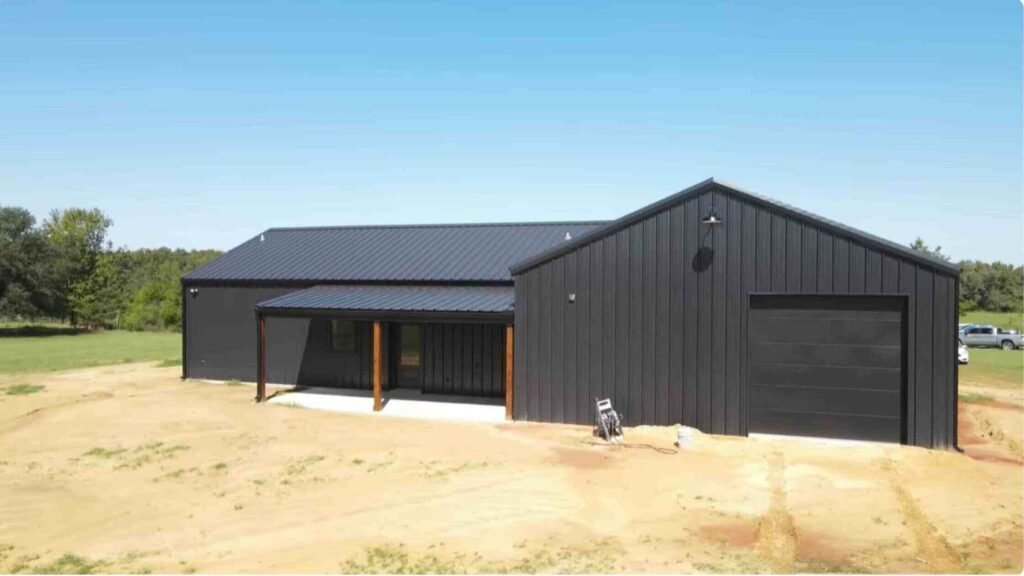
Land can make an otherwise affordable shouse impractical. Complete basic due diligence before purchasing property or paying a nonrefundable building deposit.
Land due-diligence checklist
- Zoning: Confirm that a residence with the proposed shop use is permitted.
- Deed restrictions: Review covenants, architectural rules, minimum dwelling sizes, and restrictions on metal buildings or commercial activity.
- Flood risk: Review the property through the FEMA Flood Map Service Center and ask the local floodplain administrator about elevation or development requirements.
- Survey and boundaries: Confirm legal access, easements, setbacks, rights-of-way, and usable building area.
- Soils: Investigate bearing capacity, expansive soil, rock, groundwater, drainage, and septic suitability.
- Utilities: Obtain written availability and extension information for electricity, water, sewer, gas, internet, and fire protection.
- Driveway access: Confirm that concrete trucks, cranes, delivery trailers, and emergency vehicles can reach and turn around at the site.
- Topography: Estimate clearing, grading, retaining, erosion control, and stormwater work.
Warning: Do not assume that rural or agricultural zoning automatically allows a home-based commercial shop. Welding, auto repair, customer traffic, employees, outdoor storage, signs, noise, or hazardous materials may trigger additional land-use, fire, environmental, or occupancy requirements.
Pricing land and utility access
Recent comparable land sales can help estimate the purchase price, but a cheaper parcel may require more spending on access, utilities, foundations, or drainage. Request written estimates rather than relying on national utility averages.
| Service | Information to obtain |
|---|---|
| Electricity | Available voltage and phase, service size, transformer responsibility, trenching distance, meter location, shop-equipment loads, and extension charges. |
| Water | Public tap fee and meter cost, or well depth, drilling conditions, pump, pressure tank, treatment, testing, and backup requirements. |
| Wastewater | Public sewer tap and line-extension fees, or soil evaluation, septic design, reserve field, permit, tank, drainfield, and maintenance access. |
| Gas or propane | Main availability, meter and trench requirements, or tank size, placement, piping, delivery access, and appliance demand. |
| Internet and communications | Service availability, trench sharing, conduit requirements, and whether a business-grade connection is needed. |
Preparing the plot for construction
Site work can include:
- Surveying and staking: Locating boundaries, easements, setbacks, and the approved building position.
- Clearing: Removing trees, brush, stumps, rocks, and unsuitable soil.
- Grading and drainage: Shaping the site so water moves away from the building and driveway.
- Construction access: Building a stable entrance and equipment route.
- Excavation and fill: Replacing unsuitable material and compacting structural fill.
- Erosion control: Installing required temporary and permanent measures.
- Utility trenching: Coordinating power, water, communications, gas, and wastewater routes.
Flat, cleared land with nearby utilities is generally easier to develop than a steep, wooded, rocky, wet, or remote parcel. A survey, soil investigation, utility review, and preliminary site plan can uncover expensive problems before construction contracts are signed.
Design and architectural planning fees

Design costs depend on the building system, project complexity, local submission requirements, and how much work is provided by the kit manufacturer. A complete plan set may require architectural drawings, structural engineering, foundation design, energy documentation, mechanical layouts, electrical information, plumbing plans, site plans, drainage work, and septic documents.
Hiring an architect or residential designer
A qualified design professional can help with:
- Turning the living and shop requirements into an efficient floor plan.
- Coordinating structural grids, overhead doors, windows, stairs, plumbing, and mechanical rooms.
- Reviewing zoning, setbacks, height limits, and permit requirements.
- Creating separation between noise, fumes, dust, vehicles, and sleeping spaces.
- Reducing wasted circulation and unnecessary building corners.
- Preparing documents contractors can price consistently.
An architect may charge a fixed fee, hourly rate, or percentage of construction cost. Ask which consultants, revisions, permit responses, site visits, and construction-administration services are included.
Ready-made versus custom designs
| Ready-made design | Custom design |
|---|---|
| Lower initial drafting cost | Higher professional-design cost |
| Can shorten early planning | Designed around the site, equipment, workflow, and household |
| May limit structural and layout changes | Greater flexibility for spans, doors, mezzanines, and future expansion |
| Usually still needs local engineering and code adaptation | Can coordinate local structural, energy, zoning, and permit requirements from the start |
Note: A stock plan or metal-building drawing is not automatically permit-ready. The local authority may require a site-specific foundation, local wind or snow design, energy calculations, stamped structural work, and changes to meet the adopted code.
Separate the shop from the living environment
An attached shop needs more planning than a large residential room. Discuss the following with the designer and local code official:
- Required wall and ceiling separation between the dwelling and garage or shop.
- Protected, self-closing, and self-latching doors where required.
- Restrictions on openings directly into sleeping rooms.
- Protection of ducts, pipes, wiring, and other penetrations.
- Dedicated ventilation for exhaust, fumes, dust, moisture, batteries, and equipment.
- Separate HVAC zones so shop air is not circulated through living areas.
- Acoustic walls, isolated equipment pads, and door seals for noise control.
- Floor drains, wash bays, paint, fuel, welding, compressed gas, or hazardous-material rules.
The 2024 International Residential Code building-planning chapter includes dwelling-garage separation provisions, but your city, county, or state may use a different edition or local amendments.
The price of permits and legal requirements
Permit costs cannot be estimated reliably with one national table. Some jurisdictions charge fixed fees, some use project valuation, and others add plan-review, impact, utility, road, fire, stormwater, school, or development fees.
Navigating zoning and building codes
Contact the planning and building departments before finalizing the design. Ask for written answers to these questions:
- Is a residence with an attached shop permitted in the zoning district?
- Is the proposed shop considered an accessory residential garage, a home occupation, or a commercial occupancy?
- Are employees, customers, deliveries, outdoor storage, signs, or business vehicles allowed?
- What are the setbacks, height limit, lot-coverage limit, and parking requirements?
- Which residential, building, energy, electrical, plumbing, mechanical, fire, and accessibility codes apply?
- Are engineered plans or professional stamps required?
- Are sprinkler, fire-alarm, hydrant, fire-flow, or emergency-access improvements required?
- What inspections and certificates are required before occupancy?
Build a local permit allowance
| Approval or fee | What to verify |
|---|---|
| Planning or zoning | Use approval, home-occupation permit, conditional use, variance, site review, or design review. |
| Building permit | Plan review, structural valuation, inspections, and certificate of occupancy. |
| Trade permits | Electrical, plumbing, mechanical, fuel-gas, solar, fire-alarm, or sprinkler permits. |
| Site permits | Driveway, grading, stormwater, erosion, floodplain, septic, well, or utility work. |
| Impact and connection fees | Water, sewer, roads, schools, parks, fire service, or other locally assessed charges. |
Request a current fee schedule and a written preliminary calculation from the responsible agencies. Include professional time for permit revisions and responses, not only the application fee.
Foundation and structure costs
The foundation and structural shell determine the building’s durability, clear spans, ceiling height, door openings, and future flexibility. Their costs depend on soil, frost depth, wind, snow, seismic design, drainage, slab loads, and the selected structural system.
Foundation options
| Foundation type | Preliminary installed allowance | Important cost drivers |
|---|---|---|
| Concrete slab | About $8–$18 per building sq ft | Thickness, reinforcement, insulation, vapor control, frost protection, equipment pads, drains, radiant heat, and soil preparation. |
| Crawl space | About $10–$25 per building sq ft | Excavation, stem walls, footings, access, drainage, insulation, air sealing, and moisture control. |
| Basement | About $30–$60+ per basement sq ft | Excavation, rock, groundwater, waterproofing, drainage, retaining loads, stairs, egress, and interior finish. |
These ranges are only early allowances. Obtain a site-specific foundation design and contractor quote after the building loads and soil conditions are known.
Design the shop slab for its real loads
A standard residential slab may not be suitable for every shop. Tell the engineer about vehicle lifts, heavy machinery, storage racks, tractors, concentrated wheel loads, masonry heaters, floor anchors, drains, radiant tubing, and future equipment. Thickened areas or isolated equipment foundations are cheaper to plan before the pour than to retrofit later.
Doors, windows, roofing, and insulation
Once the frame is selected, request separate prices for:
- Exterior entry doors and required fire-protection ratings.
- Overhead-door size, wind rating, insulation, tracks, openers, and high-lift hardware.
- Residential windows, safety glazing, egress windows, flashing, and installation.
- Roof panels, underlayment, clips or fasteners, gutters, snow retention, and penetrations.
- Wall and roof insulation, condensation control, air sealing, thermal breaks, and interior liners.
Metal buildings require careful thermal and moisture detailing. Insulation alone does not stop air leakage or condensation. Use a complete enclosure strategy suited to the property’s climate zone. The U.S. Department of Energy provides residential climate-zone guidance for choosing appropriate building practices.
Interior finishing and aesthetics
Interior finishing turns the residential shell into a code-compliant home and can become one of the project’s largest cost categories. Establish allowances for every major finish before accepting a contract.
Choosing cost-effective interior materials
- Flooring: Use sealed concrete, sheet vinyl, or standard laminate where they fit the room’s moisture and wear conditions.
- Cabinetry: Stock or semi-custom cabinets usually cost less than fully custom millwork.
- Trim and built-ins: Painted MDF can work in dry interior locations, while moisture-prone areas need more suitable materials.
- Tile: Standard ceramic or porcelain products can create a durable finish without specialty-stone pricing.
- Countertops: Compare installed laminate, solid surface, quartz, granite, and porcelain quotes rather than assuming one category is always cheaper.
- Shop surfaces: Spend on durability, cleaning, moisture resistance, fire performance, and impact resistance rather than decorative residential finishes.
Balancing style and budget
| Category | Cost-control approach |
|---|---|
| Lighting | Use standard efficient LED fixtures and add task lighting only where the work requires it. |
| Cabinetry | Choose standard box sizes and personalize them with hardware, paint, or a limited number of feature cabinets. |
| Walls | Use durable paint in living areas and reserve specialty wall treatments for one or two focal locations. |
| Flooring | Use premium materials in high-visibility living areas and simpler durable products in utility, storage, and shop spaces. |
| Plumbing fixtures | Select readily available fixture lines with replaceable parts instead of numerous specialty finishes. |
Make finish selections before construction whenever possible. Unresolved allowances can hide major differences between bids and create expensive change orders later.
Utilities and service installation
Water, wastewater, electricity, gas, heating, cooling, ventilation, and communications make the shouse usable. They must be sized for both the residence and the shop.

This cordless mini dehumidifier helps keep small spaces dry, fresh, and odor-free without spills, cords, or batteries. Its rechargeable silica gel design is ideal for closets, cabinets, cars, bathrooms, boats, and gun safes, with a moisture indicator that shows when it is ready to recharge. Compact and easy to place or hang, it offers a simple low-maintenance solution for controlling humidity in tight areas.

BioSilk Hydrating Therapy Pure Moisture Leave-In Spray helps replenish moisture in dry, coarse hair for a softer, smoother feel. This daily styling spray also helps control frizz, boost shine, and improve manageability while supporting hair against environmental stressors. Formulated with silk and maracuja oil, it is suitable for all hair types, including color-treated hair.

This silky, lightweight K-beauty face primer visibly smooths skin and minimizes the appearance of pores for a refined, velvety look. Its soft-matte finish helps reduce shine and creates a smooth base that supports longer-lasting makeup wear without feeling heavy. Suitable for all skin types, it works well under powder, liquid, or cream foundation and is designed to glide on evenly for a flawless finish.
Electrical planning
List every expected shop load before the electrical design is completed. Examples include welders, compressors, lifts, machine tools, vehicle chargers, dust collection, HVAC equipment, pumps, freezers, and exterior equipment. The utility may need to review service size, transformer capacity, voltage, or phase requirements.
Ask the electrician to price the service, panels, feeders, receptacles, lighting, equipment circuits, trenching, grounding, surge protection, emergency shutoffs, and future capacity separately.
Water and wastewater planning
Shop sinks, wash bays, floor drains, restrooms, process water, or vehicle work may be regulated differently from ordinary household plumbing. Confirm what may discharge to a septic system or public sewer before installing drains.
For an onsite septic system, budget for soil evaluation, design, permits, tank and drainfield installation, inspection, reserve area, access, and any required advanced treatment. For public service, obtain written tap, capacity, meter, inspection, and line-extension fees.
Heating, cooling, and ventilation
Residential and shop areas often perform better with separate HVAC zones or systems. A large overhead door can release conditioned air quickly, while welding, painting, sanding, vehicle exhaust, moisture, or chemical storage may require dedicated ventilation.
- Calculate residential loads rather than sizing equipment by floor area alone.
- Account for the shop’s ceiling height, door use, equipment heat, and ventilation air.
- Do not use the residential return-air system to pull air from a garage or contaminated shop.
- Plan makeup air when exhaust fans remove large volumes of air.
- Control humidity and condensation as part of the wall and roof design.
Hiring qualified contractors
- Verify licenses, insurance, and experience with metal, post-frame, or mixed-use shop-home projects.
- Request itemized bids based on the same drawings and specifications.
- Confirm who coordinates utility-company work, inspections, trenching, and equipment startup.
- Ask which fixtures, equipment, allowances, taxes, permits, and testing are excluded.
- Use written contracts and change orders.
Financing, appraisal, and insurance
Confirm financial feasibility before buying land, ordering a kit, or completing expensive plans. Some lenders are comfortable with shop houses, while others may have difficulty with unusual layouts, large nonresidential areas, owner-builder arrangements, or limited comparable sales.
Construction financing
Construction-to-permanent financing may use one closing or separate construction and permanent-loan closings. Draws are normally released as work is completed and inspected. Fannie Mae’s construction-to-permanent financing overview explains that completion documentation and the resolution of construction-related liens are important parts of conversion to permanent financing.
Ask prospective lenders about:
- Maximum permitted shop-to-living-area ratio.
- Owner-builder and kit-home policies.
- Required contractor qualifications.
- Appraisal requirements and comparable-property availability.
- Land-equity treatment and down-payment requirements.
- Draw schedules, inspections, retainage, and interest payments.
- Contingency requirements and change-order approval.
- Certificate-of-occupancy and completion requirements.
Insurance and business use
Tell the insurer exactly how the shop will be used. Welding, auto repair, customer visits, employees, business inventory, commercial vehicles, fuel, compressed gas, or rented workspace may not fit an ordinary homeowners policy. Obtain written confirmation of coverage before construction and again before occupancy.
Note: Financing, insurance, zoning, and tax treatment depend on the property and its actual use. Review the project with qualified local professionals rather than relying on the building’s informal “shouse” label.
Exterior amenities and landscaping
Driveways, drainage, parking, patios, porches, fencing, exterior lighting, and landscaping are frequently excluded from the main building quote. These items can be postponed or completed in phases, but required access, erosion control, drainage, and parking should be included in the initial budget.
Creating curb appeal on a budget
- Exterior color: Use a coordinated siding, roofing, trim, and door palette instead of adding multiple cladding systems.
- Native planting: Choose plants suited to the site’s climate, soil, sunlight, and maintenance level.
- Gravel and edging: Use simple, well-drained paths and parking areas where paving is not required.
- Lighting: Place efficient fixtures at entries, work areas, and walking routes rather than lighting every exterior surface.
- Phased landscaping: Complete drainage and final grading first, then add decorative planting as the budget allows.
The cost of outdoor living spaces
| Feature | Basic planning range | Higher-cost conditions |
|---|---|---|
| Patio or deck | About $10–$30+ per sq ft | Elevated structures, premium decking, roofs, railings, stairs, complex foundations, and outdoor utilities. |
| Outdoor kitchen | About $5,000–$20,000+ | Masonry, counters, appliances, gas, electrical work, plumbing, refrigeration, and a roof. |
| Fire pit | About $300–$3,000+ | Custom masonry, gas piping, seating walls, paving, drainage, and local fire restrictions. |
| Driveway and parking | Requires a site-specific quote | Long distance, poor soil, steep grades, drainage structures, paving, heavy vehicles, and emergency-access standards. |
Verify local fire, setback, permit, and utility-location rules before installing outdoor kitchens, fuel lines, fire features, retaining walls, or large paved areas.
How to compare shouse contractor bids
The lowest bid is not necessarily the lowest final cost. Give bidders the same plans, specifications, finish schedule, and scope sheet, then compare each line item.
| Bid item | Questions to ask |
|---|---|
| Plans and engineering | Who provides architectural, structural, foundation, energy, mechanical, electrical, plumbing, and site documents? |
| Site work | Are clearing, grading, fill, compaction, driveway access, erosion control, drainage, and utility trenches included? |
| Foundation and slab | What thickness, reinforcement, insulation, vapor barrier, finish, drains, and equipment pads are included? |
| Building package | Do the price and freight include engineering, frame, panels, trim, fasteners, bracing, erection, equipment, and taxes? |
| Openings | Are windows, entry doors, overhead doors, openers, high-lift tracks, flashing, and installation included? |
| Interior work | Which walls, ceilings, insulation, drywall, paint, cabinets, flooring, fixtures, appliances, and allowances are included? |
| Utilities | Where does the contractor’s scope stop, and who pays utility-company or authority fees? |
| Permits | Who prepares applications, pays fees, attends inspections, and corrects plan-review comments? |
| Schedule and payment | What milestones trigger payments, what retainage applies, and how are delays or stored materials handled? |
| Changes and exclusions | What is specifically excluded, and how are change-order labor, material, overhead, and markup calculated? |
Final thoughts on shouse budgeting
A shouse can combine a comfortable home with valuable work and storage space, but the project should be budgeted as more than a metal shell. Price the living area, shop area, property development, utilities, professional services, permits, and exterior work separately.
Keeping costs under control
- Use a simple building shape: A straightforward rectangle and roof normally cost less than numerous corners, valleys, dormers, and attached wings.
- Keep plumbing compact: Group kitchens, bathrooms, laundry, and mechanical equipment to reduce long utility runs.
- Use standard dimensions: Coordinate structural bays, doors, windows, cabinets, and material sizes.
- Control the living-to-shop ratio: Finished residential space usually costs more per square foot than a basic shop.
- Make selections early: Cabinets, flooring, fixtures, doors, and equipment should not remain undefined allowances for long.
- Compare complete bids: Normalize exclusions before deciding which contractor is less expensive.
- Phase optional work: Decorative landscaping, premium shop finishes, and some outdoor amenities may be completed later.
- Limit DIY work to appropriate tasks: Painting, simple finish work, and landscaping may reduce labor, but structural, electrical, gas, fire-separation, and major mechanical work should meet licensing and inspection requirements.
Anticipating unexpected expenses
- Set aside a 10%–15% contingency: Apply it after known scope items are included.
- Investigate the land: Soil, rock, water, drainage, floodplain, and access problems can create major overruns.
- Confirm utilities in writing: Do not assume nearby lines mean inexpensive service.
- Allow for financing costs: Interest, inspections, draw fees, appraisals, title work, and extensions may sit outside the construction contract.
- Budget for temporary needs: Storage, rent, security, portable toilets, dumpsters, temporary power, and cleanup may be necessary during construction.
- Track changes: Maintain a current budget showing the original contract, approved changes, committed costs, paid amounts, and remaining contingency.
As of July 2026, a blended allowance of approximately $110–$200 per enclosed square foot is a useful starting point for a finished shouse before land. The dependable number, however, comes from site-specific plans, utility information, code review, and itemized local bids. Recheck all pricing before signing a contract because labor and material markets continue to change.
Frequently Asked Questions
Is building a shouse cheaper than building a house?
A shouse can cost less than building a conventional home and a separate finished workshop because the two spaces may share a foundation, roof, walls, driveway, and utility infrastructure. It is not guaranteed to be cheaper. Complex plans, premium residential finishes, remote land, large clear spans, commercial shop requirements, or limited local contractor experience can remove the savings.
How much does an average shouse cost in 2026?
A preliminary national allowance is about $110–$200 per enclosed square foot before land. A 2,000-square-foot finished shouse may therefore require roughly $220,000–$400,000 for the building scope, but site work, utilities, design, permits, financing expenses, and contingency can push the project total higher.
How much does a 2,000-square-foot shouse cost?
For a shouse with 1,200 square feet of finished living area and an 800-square-foot conditioned shop, a reasonable early base-building allowance is about $204,000–$344,000. Adding property-specific site work, utilities, design, permits, and a 10%–15% contingency may bring the preliminary total to roughly $254,000–$486,000 or more before land and financing.
Does a shouse price include land?
Most per-square-foot building estimates do not include land. They may also exclude surveys, clearing, grading, driveways, utility extensions, wells, septic systems, impact fees, landscaping, financing costs, and contingency. Ask for a written inclusions and exclusions list with every quote.
What is included in a shouse shell?
A shell commonly includes the structural frame, roof, exterior wall panels, and trim. However, suppliers differ. The foundation, concrete slab, erection, freight, engineering, windows, entry doors, overhead doors, insulation, gutters, interior framing, utilities, and permits may be separate. Never compare shell prices without matching their written scopes.
Can you finance a shouse?
Yes, some lenders offer construction-to-permanent or other construction financing for qualifying shouse projects. Approval depends on the borrower, contractor, plans, land, appraisal, intended use, local market, and lender policies. Speak with lenders before purchasing a kit because a large shop area or business use can affect underwriting and appraisal.
What is the difference between a barndominium and a shouse?
The terms overlap and are used differently by builders. A shouse usually emphasizes a substantial dedicated shop, garage, or work area attached to the residence. A barndominium is a broader term for a barn-inspired or metal-building home and may have little or no working shop space.
About the author
This article was written by Weston Harrison, founder of Get Cost Idea. Weston focuses on simplifying complex pricing so readers can understand what real-world projects may cost, from building a shouse to tackling automotive repairs. The estimates in this guide are preliminary national planning allowances and should be replaced with current site-specific plans, agency fees, utility information, and local contractor bids.
Learn more on our About Us page or get in touch through our Contact Us page.
Related articles
Sources
- National Association of Home Builders: Regional square-foot prices — national and regional benchmarks for new contractor-built and for-sale homes.
- U.S. Bureau of Labor Statistics: June 2026 Producer Price Index — recent construction-price movement and the need to refresh contractor quotes.
- International Code Council: 2024 IRC Chapter 3 — dwelling-garage opening, penetration, and separation guidance.
- U.S. Department of Energy: Climate Zones — climate-specific residential building and energy guidance.
- FEMA Flood Map Service Center — official federal flood-hazard map access.
- Fannie Mae: Construction-to-Permanent Financing Overview — construction-loan conversion, completion, and documentation considerations.

This hardcover edition by Eric Metaxas offers a compelling look at the origins of the United States during the Colonial Period. It blends historical narrative with engaging storytelling, making it appealing for readers interested in American history, early nation-building, and the ideas that shaped the country. A strong choice for history enthusiasts, students, and anyone exploring the foundations of the nation.

Windex Outdoor Glass & Window Cleaner makes it easy to refresh exterior surfaces with a simple spray, rinse, and dry process. The hose-attached bottle is designed for fast cleaning of outdoor windows, patio furniture, doors, lamps, brick, and other surfaces while leaving a streak-free shine. Its ammonia-free, phosphorus-free formula is made to clean tough dirt and grime without harming plants, siding, grills, plastics, or synthetic decks.

Post-it Super Sticky Easel Pads are designed to keep ideas visible and organized during meetings, training sessions, brainstorming, and project planning. The large premium paper resists marker bleed-through and sticks securely to many surfaces, then repositions without surface damage. A sturdy backcard and portable handle make them easy to move between rooms and use with most easel stands.