
In Dallas-Fort Worth in 2026, a useful construction-only planning range is about $120 to $180 per square foot for production-style construction, $180 to $250 per square foot for semi-custom construction, and $250 to $400+ per square foot for a fully custom home. That puts a 2,000-square-foot house at roughly $240,000 to $360,000, $360,000 to $500,000, or $500,000 to $800,000+ respectively. Land and some site, design, permit, utility, financing, landscaping, and upgrade costs may be separate, so always confirm what a builder’s price includes.
Last updated: August 11, 2026. Dallas-area cost ranges, permitting guidance, labor context, and weather information were rechecked for this update.
| Build Type | 2026 DFW Planning Range | 2,000 Sq Ft Example | 3,000 Sq Ft Example |
|---|---|---|---|
| Production-style | $120-$180 per sq ft | $240,000-$360,000 | $360,000-$540,000 |
| Semi-custom | $180-$250 per sq ft | $360,000-$500,000 | $540,000-$750,000 |
| Fully custom | $250-$400+ per sq ft | $500,000-$800,000+ | $750,000-$1.2 million+ |
These are planning ranges rather than bids. Published Dallas estimates vary because one source may quote the house itself while another includes site work, permits, design fees, or contingency. A current DFW builder’s 2026 cost guide provides the tiered ranges above, while other Dallas cost guides publish different averages and wider ranges. See the 2026 DFW cost-per-square-foot guide and Angi’s Dallas building-cost guide for comparison.
For a useful estimate, compare builders using the same floor plan, specifications, finish level, and list of inclusions. Ask whether each proposal includes site preparation, foundation work, utility connections, permits, design and engineering, appliances, landscaping, cleanup, and other project costs before comparing the price per square foot.
Cost Factors In Dallas Homebuilding
The final cost to build a house in Dallas depends on more than square footage. The biggest differences usually come from the lot, site conditions, design complexity, structural requirements, finish level, mechanical systems, contractor scope, and items excluded from the initial quote.
Products Worth Considering

Used Book in Good Condition

Used Book in Good Condition
How Much Should You Budget for Land in Dallas?
Land costs can greatly impact your building budget. Treat the lot as a separate budget line instead of assuming it is included in a construction cost per square foot. Parcel values can vary sharply between Dallas neighborhoods and surrounding DFW communities, and two similarly priced lots can require very different site-work budgets.
| Lot Type | What To Check Before Budgeting |
|---|---|
| Urban or infill Dallas lot | Recent parcel comps, demolition, access, trees, drainage, existing utilities, setbacks, and neighborhood restrictions |
| Suburban lot | What infrastructure is already included, grading needs, utility locations, HOA or architectural requirements, and foundation conditions |
| Outer-area or less-developed parcel | Utility extension, road/access work, drainage, grading, and any site-specific infrastructure not included in the land price |
A cheaper parcel can become the more expensive building site if it requires substantial grading, drainage work, demolition, utility extension, tree work, or other preparation. Compare lots by land price plus site-development cost, not land price alone.
How Do Building Material Prices Affect the Budget?
Material prices change over time, so undated commodity prices for lumber, steel, or concrete are not reliable enough for a Dallas construction budget. Instead, ask the builder to price major material packages using the specifications and supplier quotes that apply when your bid is prepared.
- Foundation and concrete: affected by the structural design, site conditions, slab or foundation system, reinforcement, and concrete quantity.
- Framing: affected by floor plan complexity, lumber package, engineered components, spans, ceiling heights, and roof structure.
- Windows and exterior doors: affected by size, quantity, efficiency, frame material, glazing, and custom shapes.
- Roofing and exterior cladding: affected by roof complexity, material selection, wall area, masonry percentage, and detailing.
- Plumbing, electrical, and HVAC: affected by home size, equipment level, fixture count, electrical load, zoning, and efficiency choices.
For context, the National Association of Home Builders reported that construction costs represented 64.4% of the average new-home sales price in its 2024 Cost of Construction Survey. That is a national benchmark rather than a Dallas bid, but it shows why changes in construction inputs can materially move a project’s total price. See the NAHB construction-cost survey.
How Design Choices Change Dallas Homebuilding Costs
Two homes with the same square footage can have very different construction costs. A simple footprint with straightforward rooflines is usually easier to build than a house with many corners, roof valleys, large structural spans, oversized windows, tall ceilings, custom stairways, and numerous exterior-material transitions.
Products Worth Considering


STAY ORGANIZED IN STYLE WITH THIS UNDATED TEACHER PLANNER: Plan your academic year in this teacher lesson plan book 2026-2027, featuring 12 undated monthly sections with ample space for weekly planning. Includes essential tools such as 2 daily schedules, 3 sticker sheets, substitute teacher sheet, field trip planner, and year-in-review sheet. Perfect for classroom teachers, educational teachers, and school administrators looking to stay organized with flexibility
Choosing Your Architectural Style
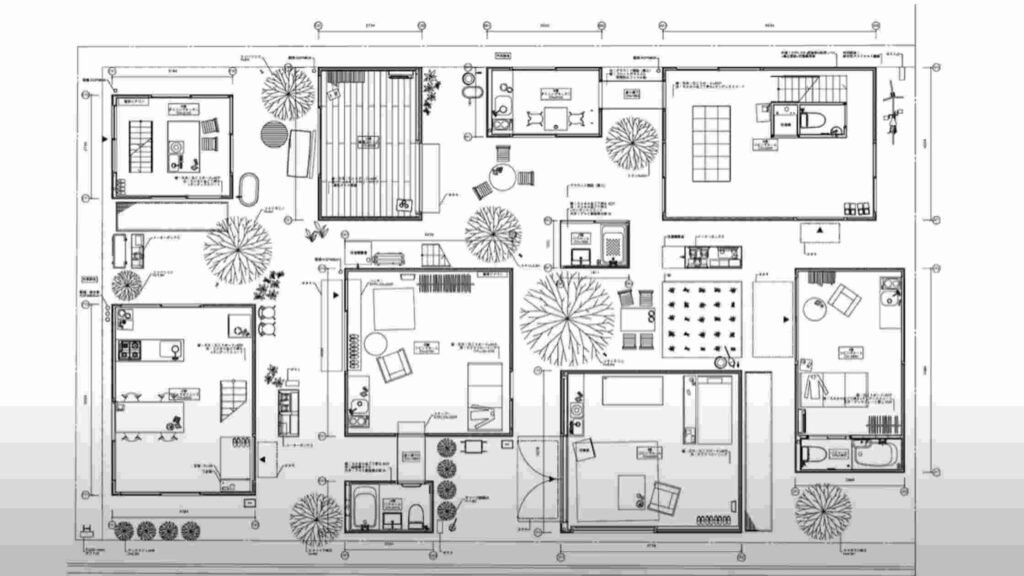
The style name alone does not determine the price. Focus on the buildable details inside the design. The following choices tend to have a more direct effect on cost:
- A compact rectangular footprint generally uses labor and materials more efficiently than a footprint with many offsets and corners.
- Simple roof geometry is generally easier to frame and finish than roofs with many valleys, dormers, intersections, or specialty details.
- Large windows, specialty doors, long structural spans, tall ceilings, and custom millwork can raise both material and installation costs.
- Masonry percentage, exterior transitions, cabinetry, tile coverage, plumbing fixtures, lighting, and appliance selections can move the finish budget substantially.
Custom Versus Predesigned Homes
Choosing a fully custom design generally creates more opportunities for the budget to move than starting with a proven plan. Compare the two approaches by the amount of design work, structural customization, material selection, and change-order risk involved.
| Custom Homes | Predesigned Homes |
|---|---|
| Maximum control over layout, architecture, materials, and special features. | Uses a previously developed plan with fewer design decisions. |
| More design, engineering, detailing, and unique selections can increase costs. | Standardized details can make estimating and construction more predictable. |
| More owner changes can create change orders and schedule effects. | Keeping changes limited can reduce budget and schedule uncertainty. |
If budget certainty matters more than complete personalization, begin with a proven plan and limit structural changes. If customization is the priority, request a detailed allowance schedule before signing so you know which selections can still change the final price.
What Costs Go Into Building a House in Dallas?
A useful Dallas construction budget separates the house itself from land, site work, professional services, permits, utilities, financing, landscaping, and owner-selected upgrades. The exact split varies by builder, so the proposal should state what is included rather than relying only on one price-per-square-foot figure.
Permit Fees And Legal Considerations
New residential construction in Dallas requires the applicable City of Dallas approvals. Permit fees depend on the project rather than one universal flat price. The city publishes a current fee guide and fee-estimate worksheet, and DallasNow is used for residential permitting services.
- Plan review and building permit: confirm the current project-specific charge through the city’s fee resources.
- Trade permits and inspections: electrical, plumbing, mechanical, energy, zoning, and other reviews may apply depending on the project.
- Project-specific requirements: site, tree, landscape, paving, utility, zoning, or other requirements can apply depending on the parcel and scope.
Check the City of Dallas permit fee page and residential permit guidance when preparing the budget. If the property is outside Dallas city limits, use the authority that has jurisdiction over that specific parcel instead.
Labor Costs In Dallas
Labor is a major part of a homebuilding budget, but employee wages are not the same thing as a contractor’s customer rate. Contractor pricing can also cover payroll costs, insurance, supervision, vehicles, tools, equipment, scheduling, overhead, and profit.
| Trade | Best Way To Budget It |
|---|---|
| Carpentry / framing | Compare complete framing or labor-package bids for the same plans and structural specifications. |
| Electrical | Compare bids using the same panel, circuit, lighting, device, service, and equipment specifications. |
| Plumbing | Compare bids using the same fixture count, plumbing layout, water-heating system, and fixture allowances. |
The U.S. Bureau of Labor Statistics reported a mean hourly wage of $26.49 for construction and extraction occupations in the Dallas-Fort Worth-Arlington area in May 2024. That figure is useful as labor-market context, but it should not be treated as the hourly amount a homeowner will be charged. See the BLS Dallas-Fort Worth occupational wage report.
Material Costs: The Cornerstone Of Construction
Materials make up a large part of a new home’s construction budget, but retail unit prices are a poor substitute for a complete builder estimate. Residential bids combine quantities, waste factors, delivery, equipment, installation, subcontractor pricing, and the exact specifications shown on the plans.
The Price Of Quality Lumber
Lumber and engineered framing components affect the structural budget, but the most useful figure is the price of the complete framing package for your plans. Large spans, tall walls, floor systems, roof geometry, engineered beams, and the quantity of openings can matter as much as the retail price of an individual board.
| Framing Input | What To Compare |
|---|---|
| Dimensional lumber | Species/grade, quantity, waste allowance, delivery, and bid date |
| Engineered lumber | Beam, joist, header, and structural requirements shown on the engineered plans |
| Framing labor | Scope, sheathing, hardware, blocking, roof framing, cleanup, and exclusions |
When comparing bids, verify that each builder is pricing the same structural plans. A lower framing number is not a saving if it excludes components included in the competing proposal.
Cost-efficient Materials
Keeping costs under control is less about finding the cheapest material and more about choosing a practical assembly for the design, climate, maintenance plan, and finish target.
- Foundation materials: follow the engineered design rather than reducing structural scope to save money.
- Exterior cladding: compare the installed cost, maintenance, detailing, and appearance of siding, brick, stone, stucco, or mixed assemblies.
- Flooring and interior finishes: use a written allowance by square foot or room so upgrades cannot quietly expand the budget.
The strongest cost-control strategy is to make major selections before the contract is finalized. Late changes can affect material orders, labor sequencing, and completed work.
Interior Finishing Touches That Add Up

Interior selections can move the budget quickly because many choices repeat throughout the house. Flooring, cabinets, countertops, trim, doors, plumbing fixtures, lighting, tile, appliances, and hardware should each have a clear specification or allowance.
Products Worth Considering

New Disinfecting Formula - Kills 99.9% of germs & bacteria, Kills the following bacteria in 1 minutes on hard, non-porous surfaces

NEW DISINFECTING FORMULA: Kills 99.9% of germs & bacteria, Kills bacteria in 10 minutes on hard, non-porous surfaces

Daily Spray Cleaner for Stone Surfaces: Preserve and protect your natural stone; This daily cleaner quickly removes spills and soils, leaving a streak-free finish and a light citrus scent
From Flooring To Fixtures
A finish allowance tells you how much of the contract is reserved for a selection. Before signing, ask whether the allowance covers material only or material plus installation. That distinction is especially important for flooring, tile, lighting, plumbing fixtures, countertops, and appliances.
- Laminate: can fit a value-focused finish package, but compare product quality, water resistance, underlayment, and installation.
- Hardwood: typically occupies a higher finish tier, with cost affected by species, width, grade, installation method, and finishing.
- Tile: material size, pattern, substrate preparation, waterproofing, layout, and labor complexity all affect installed cost.
Lighting and plumbing fixtures should be selected against a room-by-room allowance. Energy or water efficiency may reduce operating costs, but compare the purchase price, performance, warranty, and expected use rather than assuming every premium fixture will pay for itself.
High-end Finishes And Their Impact
High-end finishes can increase both material and installation costs. The biggest budget jumps often occur when a standard allowance is replaced with custom fabrication, premium materials, oversized components, or products that require additional preparation or specialized labor.
| Finish | Why It Can Raise Cost | What To Confirm |
|---|---|---|
| Stone or premium countertops | Material grade, slab quantity, fabrication, edge treatment, cutouts, and installation | Allowance, slab size, backsplash, edge profile, and installation scope |
| Custom Cabinets | Custom sizing, construction method, wood species, hardware, accessories, and finish | Cabinet drawings, door style, hardware, finish, installation, and trim |
| High-end Appliances | Larger or specialty appliances may require additional cabinetry, electrical, gas, ventilation, or plumbing work | Appliance allowance plus required installation and utility changes |
Finalize high-cost selections early enough for the builder to price any related electrical, plumbing, ventilation, cabinetry, and structural requirements. The appliance price itself may be only one part of the upgrade.
What Exterior Costs Should You Budget For?
Exterior spending includes more than the roof and siding. Site drainage, driveway and walks, landscaping, irrigation, fencing, patios, outdoor living areas, exterior lighting, and any retaining or grading work can materially change the final project total.
Landscaping And Outdoor Living
Define how much exterior work is included in the builder’s contract. A house can be construction-complete while fencing, landscaping, irrigation, patios, or other owner-requested outdoor features remain outside the original price.
- Lawn and planting: confirm final grading, soil preparation, sod or seed, planting beds, trees, and irrigation separately.
- Drainage: confirm how roof runoff, lot grading, swales, drains, and any retaining conditions are handled.
- Patio or deck: size, foundation, material, railing, cover, lighting, and access affect the final price.
- Outdoor kitchen: cabinetry, counters, appliances, gas, plumbing, electricity, ventilation, and weather protection should be priced as a complete system.
Roofing And External Materials
The installed cost of roofing and exterior cladding depends on much more than the material label. Roof area, pitch, valleys, flashing details, penetrations, wall area, openings, masonry percentage, scaffolding, and architectural detailing all affect the final bid.
| Material | Main Budget Drivers |
|---|---|
| Asphalt Shingles | Roof area, pitch, number of valleys, underlayment, ventilation, flashing, and shingle grade |
| Metal Roofing | Panel system, roof geometry, trim, flashing, substrate, finish, and specialized installation |
| Brick Siding | Wall area, brick selection, labor, openings, detailing, lintels, foundation support, and transitions |
| Stone Siding | Natural versus manufactured product, coverage, substrate, detailing, cuts, corners, and installation labor |
Insulation and weatherproofing should be priced from the actual wall, roof, window, air-sealing, and energy-code assemblies rather than a generic whole-house dollar allowance. Ask the builder to identify the insulation system and energy specifications included in the bid.
Utility Setup: The Hidden Costs
Utility costs are easy to overlook because they depend heavily on the parcel. A developed lot with services already available at the site can have a very different budget from land that needs utility extensions, new meters, trenching, transformer work, or other infrastructure.
Connecting Water, Gas, And Electricity
Do not assume a generic Dallas connection fee applies to every property. Confirm service availability and the required scope with the utility provider serving the exact parcel before relying on an allowance.
| Utility | Budget Treatment | Additional Factors |
|---|---|---|
| Water / sewer | Site-specific; confirm current tap, meter, connection, and extension requirements | Existing mains, meter/service size, distance, excavation, and site conditions |
| Gas | Site-specific; confirm whether service is available and what the provider includes | Distance, appliances, meter/service requirements, trenching, and availability |
| Electricity | Site-specific; obtain an allowance or utility design for the parcel | Service size, distance, transformer requirements, trenching, and electrical load |
- Permits and inspections: confirm which utility-related permits and inspections are included in the builder’s contract.
- Service installation: identify where the builder’s scope ends and the utility provider’s scope begins.
- Site restoration: trenching or utility work can affect paving, landscaping, drainage, and final grading.
Smart Home Technologies
Smart-home upgrades can be inexpensive when limited to a few standalone devices or much more involved when integrated into lighting, security, access control, networking, audio, climate control, shades, and other systems.
- Choose the systems you want before electrical rough-in when possible.
- Confirm wiring, power, network, hub, controller, and device requirements.
- Separate one-time hardware and installation costs from recurring subscription services.
Ask whether smart-home products are included as devices only or as a fully installed and configured system. Also confirm which functions depend on subscriptions or cloud services after move-in.
How Long Does It Take to Build a House in Dallas?
Construction time depends on the home type and where you start counting. DFW builders commonly describe roughly 6 to 9 months from construction start for more standardized new homes, while a custom home on a prepared lot may take around 9 to 14 months from permit approval to certificate of occupancy. Complex architecture, design changes, permitting, inspections, weather, labor availability, and long-lead products can make the project longer.
For current local examples, see this DFW new-home timeline and this DFW custom-home construction timeline.
Rapid Builds And Their Premium
Trying to compress a construction schedule can raise costs when it requires extra supervision, overtime, expedited freight, substitute products, or additional crews. Before paying to accelerate the schedule, ask which activities are actually on the project’s critical path and whether spending more will shorten the completion date.
- Expedited labor: additional shifts or crews may add cost without helping if another trade or inspection controls the schedule.
- Material lead times: rushed shipping or last-minute substitutions can increase cost or reduce your selection options.
- Coordination risk: an aggressive schedule leaves less room to absorb inspection failures, weather, rework, or delayed selections.
The Cost Of Delays
Delays can increase the project cost even when the construction contract itself does not change. Temporary housing, construction-loan carrying costs, storage, material escalation, remobilization, and owner-requested changes can all affect the total amount spent before move-in.
- Price changes: delayed purchasing can expose later material orders to different supplier pricing.
- Extended temporary housing: rent, storage, or other living costs continue while completion is delayed.
- Change orders: owner revisions can add design, materials, labor, and schedule time.
Seasonal Considerations In Dallas Construction
There is no single Dallas season that guarantees the lowest construction cost or fastest schedule. Milder spring and fall temperatures can help outdoor work, but rain and storms remain a scheduling risk. Summer brings significant heat, while winter can bring occasional freezing conditions.
What Is the Best Season to Build in Dallas?
Spring and fall can offer more comfortable temperatures than peak summer, but they should not be described as reliably dry. National Weather Service Dallas Love Field climate normals show approximately 4.57 inches of precipitation in May and 4.79 inches in October, illustrating why rain planning still matters during those seasons. See the NWS Dallas Love Field climatology.
- Spring: moderate temperatures can be favorable, but thunderstorms and heavy-rain periods can affect earthwork, concrete, roofing, and exterior schedules.
- Summer: long daylight hours can help scheduling, but extreme heat can affect workers, materials, and some construction activities.
- Fall: temperatures usually moderate, but rainfall and storms still need to be considered.
- Winter: generally cooler conditions can be workable, but freezes and cold-weather events can interrupt weather-sensitive work.
Weather Delays And Cost Implications
Weather becomes expensive when it stops critical work, damages unfinished materials, requires temporary protection, or pushes dependent trades into a later period. A realistic schedule should include weather flexibility instead of assuming every planned workday will be productive.
| Season | Potential Weather Delay | Possible Cost Implication |
|---|---|---|
| Spring | Thunderstorms and heavy rain | Site-work, concrete, roofing, and exterior schedule disruption |
| Summer | Extreme heat | Reduced productivity, heat-protection measures, and scheduling changes |
| Fall | Rain and storm variability | Exterior-work delays and schedule reshuffling |
| Winter | Freezing conditions or cold snaps | Weather-sensitive work delays and temporary protection |
Frequently Asked Questions About the Cost to Build a House in Dallas
Is It Cheaper To Build Or Buy A House In Dallas?
Not always. Buying an existing home may have a lower upfront cost in some Dallas neighborhoods because a new build also requires you to account for land, site work, design, permits, utility work, financing and other costs that may sit outside a builder’s headline price. Building can make more sense when you already own suitable land, need a specific design, or value new systems and customization. Compare the all-in new-build budget with recent sale prices for genuinely comparable homes before deciding.
How Much Does It Cost To Build A 2,000 Sq Ft House In Dallas?
Using the 2026 DFW planning bands in this guide, a 2,000-square-foot home is roughly $240,000 to $360,000 for production-style construction, $360,000 to $500,000 for semi-custom construction, and $500,000 to $800,000+ for fully custom construction. These figures should be treated as construction planning ranges rather than guaranteed all-in prices, and land may be separate.
Does the Cost Per Square Foot Include Land?
Usually you should treat land as a separate cost unless the builder’s proposal explicitly says it is included. Also check whether site preparation, demolition, utility work, design and engineering, permits, landscaping, appliances, financing costs, and other soft costs are inside or outside the quoted square-foot price.
How Much Does It Cost To Build A 3,000 Sq Ft House In Dallas?
Using the same 2026 DFW planning bands, a 3,000-square-foot home is roughly $360,000 to $540,000 for production-style construction, $540,000 to $750,000 for semi-custom construction, and $750,000 to $1.2 million+ for fully custom construction. Design complexity and finish level become especially important at this size, and land or other excluded project costs can raise the total further.
How Long Does It Take To Build A House In Dallas?
A more standardized DFW new home may take roughly 6 to 9 months from construction start, while a custom home can take about 9 to 14 months from permit approval to certificate of occupancy. Complex custom homes can take longer. Permitting, design changes, weather, inspections, labor availability, and long-lead materials all affect the schedule.
Conclusion
The cost to build a house in Dallas depends less on finding one perfect price-per-square-foot number and more on defining exactly what you are building and what each quote includes. For 2026 planning, use roughly $120-$180 per square foot for production-style construction, $180-$250 for semi-custom work, and $250-$400+ for fully custom construction, then add any land and project costs excluded from the quote. Before choosing a builder, price the same plans and specifications, compare the allowance and exclusion lists line by line, verify current City of Dallas permit requirements for the property, and obtain site-specific utility information.

92 thoughts on “How Much Does It Cost to Build a House Dallas?”
Pingback: Average Living Cost In Dallas: Monthly Budget, Rent & Essentials
Pingback: Average Living Cost In Tucson: Monthly Budget, Rent & Essentials
Pingback: Average Living Cost In Fresno: Monthly Budget, Rent & Essentials
Pingback: Average Living Cost In Sacramento: Monthly Budget, Rent & Essentials
Pingback: Average Living Cost In Mesa: Monthly Budget, Rent & Essentials
Pingback: Average Living Cost In Kansas City: Monthly Budget, Rent & Essentials
Pingback: Average Living Cost In Atlanta: Monthly Budget, Rent & Essentials
Pingback: Average Living Cost In Omaha: Monthly Budget, Rent & Essentials
Pingback: Average Living Cost In Colorado Springs: Monthly Budget, Rent & Essentials
Pingback: Average Living Cost In Raleigh: Monthly Budget, Rent & Essentials
Pingback: Average Living Cost In Miami: Monthly Budget, Rent & Essentials
Pingback: Average Living Cost In Minneapolis: Monthly Budget, Rent & Essentials
Pingback: Average Living Cost In Tulsa: Monthly Budget, Rent & Essentials
Pingback: Average Living Cost In Tampa: Monthly Budget, Rent & Essentials
Pingback: Average Living Cost In Arlington: Monthly Budget, Rent & Essentials
Pingback: Average Living Cost In New Orleans: Monthly Budget, Rent & Essentials
Pingback: Average Living Cost In Wichita: Monthly Budget, Rent & Essentials
Pingback: Average Living Cost In Cleveland: Monthly Budget, Rent & Essentials
Pingback: Average Living Cost In Bakersfield: Monthly Budget, Rent & Essentials
Pingback: Average Living Cost In Aurora: Monthly Budget, Rent & Essentials
Pingback: Average Living Cost In Anaheim: Monthly Budget, Rent & Essentials
Pingback: Average Living Cost In Honolulu: Monthly Budget, Rent & Essentials
Pingback: Average Living Cost In Santa Ana: Monthly Budget, Rent & Essentials
Pingback: Average Living Cost In Riverside: Monthly Budget, Rent & Essentials
Pingback: Average Living Cost In Corpus Christi: Monthly Budget, Rent & Essentials
Pingback: Average Living Cost In Lexington: Monthly Budget, Rent & Essentials
Pingback: Average Living Cost In Henderson: Monthly Budget, Rent & Essentials
Pingback: Average Living Cost In Stockton: Monthly Budget, Rent & Essentials
Pingback: Average Living Cost In St. Paul: Monthly Budget, Rent & Essentials
Pingback: Average Living Cost In Cincinnati: Monthly Budget, Rent & Essentials
Pingback: Average Living Cost In St. Louis: Monthly Budget, Rent & Essentials
Pingback: Average Living Cost In Pittsburgh: Monthly Budget, Rent & Essentials
Pingback: Average Living Cost In Greensboro: Monthly Budget, Rent & Essentials
Pingback: Average Living Cost In Lincoln: Monthly Budget, Rent & Essentials
Pingback: Average Living Cost In Anchorage: Monthly Budget, Rent & Essentials
Pingback: Average Living Cost In Plano: Monthly Budget, Rent & Essentials
Pingback: Average Living Cost In Orlando: Monthly Budget, Rent & Essentials
Pingback: Average Living Cost In Irvine: Monthly Budget, Rent & Essentials
Pingback: Average Living Cost In Newark: Monthly Budget, Rent & Essentials
Pingback: Average Living Cost In Durham: Monthly Budget, Rent & Essentials
Pingback: Average Living Cost In Chula Vista: Monthly Budget, Rent & Essentials
Pingback: Average Living Cost In Toledo: Monthly Budget, Rent & Essentials
Pingback: Average Living Cost In Fort Wayne: Monthly Budget, Rent & Essentials
Pingback: Average Living Cost In Jersey City: Monthly Budget, Rent & Essentials
Pingback: Average Living Cost In St. Petersburg: Monthly Budget, Rent & Essentials
Pingback: Average Living Cost In Laredo: Monthly Budget, Rent & Essentials
Pingback: Average Living Cost In Madison: Monthly Budget, Rent & Essentials
Pingback: Average Living Cost In Chandler: Monthly Budget, Rent & Essentials
Pingback: Average Living Cost In Buffalo: Monthly Budget, Rent & Essentials
Pingback: Average Living Cost In Lubbock: Monthly Budget, Rent & Essentials
Pingback: Average Living Cost In Scottsdale: Monthly Budget, Rent & Essentials
Pingback: Average Living Cost In Reno: Monthly Budget, Rent & Essentials
Pingback: Average Living Cost In Glendale: Monthly Budget, Rent & Essentials
Pingback: Average Living Cost In Gilbert: Monthly Budget, Rent & Essentials
Pingback: Average Living Cost In Winston-Salem: Monthly Budget, Rent & Essentials
Pingback: Average Living Cost In North Las Vegas: Monthly Budget, Rent & Essentials
Pingback: Average Living Cost In Norfolk: Monthly Budget, Rent & Essentials
Pingback: Average Living Cost In Chesapeake: Monthly Budget, Rent & Essentials
Pingback: Average Living Cost In Garland: Monthly Budget, Rent & Essentials
Pingback: Average Living Cost In Irving: Monthly Budget, Rent & Essentials
Pingback: Average Living Cost In Fremont: Monthly Budget, Rent & Essentials
Pingback: Average Living Cost In Boise: Monthly Budget, Rent & Essentials
Pingback: Average Living Cost In Richmond: Monthly Budget, Rent & Essentials
Pingback: Average Living Cost In Baton Rouge: Monthly Budget, Rent & Essentials
Pingback: Average Living Cost In Spokane: Monthly Budget, Rent & Essentials
Pingback: Average Living Cost In Des Moines: Monthly Budget, Rent & Essentials
Pingback: Average Living Cost In San Bernardino: Monthly Budget, Rent & Essentials
Pingback: Average Living Cost In Modesto: Monthly Budget, Rent & Essentials
Pingback: Average Living Cost In Birmingham: Monthly Budget, Rent & Essentials
Pingback: Average Living Cost In Rochester: Monthly Budget, Rent & Essentials
Pingback: Average Living Cost In London: Monthly Expenses & Rent
Pingback: Average Living Cost In Paris: Prices, Rent & Budget Guide
Pingback: Average Living Cost In Rome: Monthly Expenses & Housing
Pingback: Average Living Cost In Barcelona: Monthly Prices & Rent
Pingback: Average Living Cost In Istanbul: Prices, Rent & Salaries
Pingback: Average Living Cost In Berlin: Monthly Expenses & Housing
Pingback: Average Living Cost In Amsterdam: Rent, Food & Transport
Pingback: Average Living Cost In Vienna: Prices, Rent & Utilities
Pingback: Average Living Cost In Prague: Monthly Expenses & Rent
Pingback: Average Living Cost In Athens: Prices, Rent & Everyday Costs
Pingback: Average Living Cost In Lisbon: Rent, Groceries & Utilities
Pingback: Average Living Cost In Málaga: Prices, Rent & Living Tips
Pingback: Average Living Cost In Zurich: Prices, Rent & Salaries
Pingback: Average Living Cost In Singapore: Monthly Expenses & Rent
Pingback: Average Living Cost In Tokyo: Monthly Expenses & Housing
Pingback: Average Living Cost In Taipei: Prices, Rent & Living Guide
Pingback: Average Living Cost In Abu Dhabi: Prices, Rent & Salary Guide
Pingback: Average Living Cost In York: Monthly Expenses & Rent
Pingback: Average Living Cost In York: Monthly Expenses & Rent
Pingback: Average Living Cost In Oxford: Monthly Expenses & Rent
Pingback: Average Living Cost In Peterborough: Monthly Expenses & Rent
Pingback: Switzerland Vs USA Cost Of Living 2025: Prices & Pay