

The cost of argon gas for MIG welding varies quite a bit based on tank size and local supplier rates. A 125 CF tank typically costs between $350 and $400 upfront, with refills averaging around $70. Smaller tanks can look cheaper at first, but more frequent refills often make them the pricier choice over time. Knowing these numbers before you start helps you budget accurately and avoid surprises.
Quick Answer
- A 125 CF argon tank costs $350–$400 to buy initially, with refills around $70 each.
- First-year total cost (tank + 4 refills) runs about $640; ongoing annual costs drop to roughly $280.
- Larger tanks are more cost-effective long-term because you refill less often.
- Prices vary by region, so always compare at least two local suppliers.
- Pure argon and 75/25 argon-CO2 blends are priced differently; check both options with your supplier.
Understanding Argon Gas Pricing

When planning a MIG welding project, argon gas is one of the ongoing costs that catches people off guard. The initial investment in a 125 cubic foot (CF) argon tank typically runs $350 to $400, depending on your supplier and location.
After that, the refilling process is the main recurring expense, with average refill prices around $70. If you’re using a blend of 75% argon and 25% CO2, pricing can differ from pure argon, so it pays to compare local suppliers before committing.
Regional differences can be significant. Some areas quote as low as $54 for a 330 CF tank, while a standard 300 CF tank may cost around $120 elsewhere. Understanding the full cost of ownership, meaning the initial tank purchase plus ongoing refills, is what really shapes your welding budget.
Tank Costs and Refill Expenses

Tank size has a direct impact on both upfront cost and how much you spend on refills over time. Here’s a quick comparison of common sizes:
| Tank Size | Initial Cost | Refill Cost |
|---|---|---|
| 40 CF | $230 – $260 | Varies (frequent) |
| 80 CF | $350 – $400 | ~$70 |
| 125 CF | $350 – $400 | ~$70 |
Smaller tanks like the 40 CF require more frequent refills, which adds up fast. A larger tank such as the 125 CF tends to be more cost-effective over time, even if the sticker price looks similar to an 80 CF.
Annual refill costs can reach around $360 for an 80 CF tank if you refill every two months. Comparing local suppliers is worth the effort since prices vary noticeably by location.
Products Worth Considering

Comes with a CGA-580 valve for Argon Nitrogen Argon/CO2 service

Welding Gas to Your Door - Get PrimeWeld's industrial grade Argon welding gas delivered right to your door. We offer different mixtures for any application, and you can purchase a tank without worrying about costly rental fees or wasted trips out to your local welding supply shop.

All HP cylinders come with a 10 year hydrotest date stamped.
Calculating the Total Cost of Argon Gas

To get an accurate picture of what argon gas will cost you, factor in both the tank purchase and the recurring refill expenses.
A 125 CF argon tank typically runs $350 to $400 upfront. With average refills at around $70 every three months, your first-year total comes to about $640, combining the tank cost and four refills.
After year one, ongoing costs drop to roughly $280 per year, assuming consistent usage. Regional supplier pricing for argon gas ranges from $54 to $120, so shopping around can make a meaningful difference to that annual figure.
Products Worth Considering
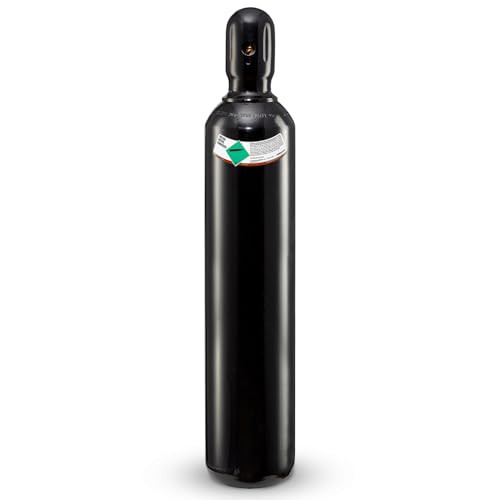
Welding Gas to Your Door - Get PrimeWeld's industrial grade Argon welding gas delivered right to your door. We offer different mixtures for any application, and you can purchase a tank without worrying about costly rental fees or wasted trips out to your local welding supply shop.
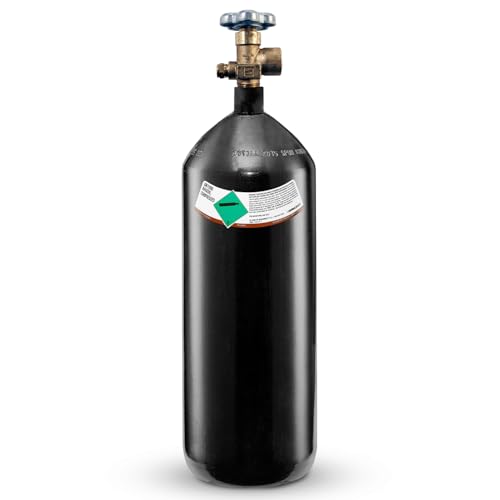
Welding Gas to Your Door - Get PrimeWeld's industrial grade Argon welding gas delivered right to your door. We offer different mixtures for any application, and you can purchase a tank without worrying about costly rental fees or wasted trips out to your local welding supply shop.

Duration and Storage of Argon Gas

Knowing how long your gas will last helps you plan projects and avoid mid-job refills. Tank duration is calculated by dividing the tank volume (in cubic feet) by your flow rate (in CFH). For example, an 80 CF tank at a flow rate of 10 CFH lasts about 8 hours.
Tanks range from 20 CF to 300 CF. Larger tanks give you more run time and generally better value per refill. A pressure gauge shows remaining gas pressure; full tanks read around 2,015 psi.
Argon itself does not expire, but mixed gases (such as 75/25 blends) can separate when left unused for extended periods. Rolling the tank gently recombines the mixture. For safety, always store argon tanks upright and secured to prevent tipping.
Where to Purchase or Refill Argon Gas

Start with local gas dealers like Airgas and Northern Tool, which offer both tank sales and refill services. Many suppliers also offer tank rentals, which can be more economical than buying outright, especially for occasional welders.
Refilling costs generally range from $60 for a 40 CF tank to $70–$80 for a 125 CF tank, though availability and pricing shift based on local supply and demand.
Get quotes from at least two suppliers in your area before committing. Online ordering is convenient, but local dealers sometimes offer better prices or faster access. Weighing both options helps you find the best deal for your situation.
Products Worth Considering

Compatible with CGA-580 tanks: Easily attach this Gas Pressure Regulator/Flowmeter to your Argon, Helium, and CO2 tanks with its CGA-580 inlet connector

All HP cylinders come with a 10 year hydrotest date stamped.
All HP cylinders come with a 10 year hydrotest date stamped.
Frequently Asked Questions
Is Argon Gas Safe to Use for Welding?
Yes, argon gas is safe for welding. It is inert, non-toxic, and does not support combustion. That said, adequate ventilation is important, especially in confined spaces, to prevent asphyxiation. Always follow the safety guidelines provided by the American Welding Society for handling shielding gases.
Can I Rent an Argon Tank Instead of Buying?
Yes, renting is a common option. About 30% of welders choose rentals for cost-effectiveness and flexibility, especially when they do not need a tank long-term.
How Long Does a Tank of Argon Last?
A tank typically lasts between 2 and 10 hours, depending on your flow rate and welding technique. Monitoring your consumption closely helps you get the most out of each fill.
What Are the Environmental Impacts of Argon Gas?
Argon itself is inert and non-toxic. However, its production does contribute to greenhouse gas emissions. Considering the full life cycle, from extraction to transportation, gives a clearer picture of its environmental footprint.
Can I Transport Argon Gas Tanks in My Vehicle?
Yes, but tanks must be secured upright, properly capped, and transported with ventilation. Follow applicable safety regulations and avoid extreme temperatures during transport to reduce any risk of leaks.
Argon gas is a manageable ongoing cost for MIG welding when you plan ahead. A 125 CF tank can provide roughly 8 to 12 hours of welding time depending on your technique, which makes it a solid value for most welders despite the initial outlay. Factor in both the tank purchase and refill frequency, compare local suppliers, and your welding budget will stay on track.
