
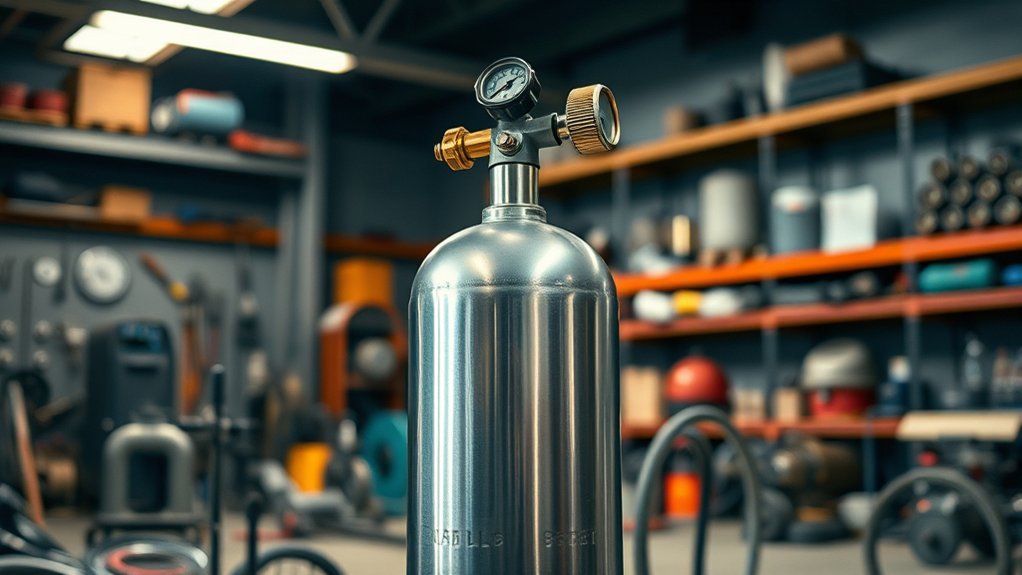
Welding gas cylinder costs vary based on size and type. You can expect to pay between $212 and $260 for a 40 cubic foot tank, while larger options like a 125 cubic foot cylinder run $350 to $400. Keep in mind that the initial purchase is only part of the story—ongoing refill expenses add up too.
Quick Answer
- 40 CF cylinder: $212–$260 to buy, about $60 to refill
- 125 CF cylinder: $350–$400 to buy, about $70 to refill
- Larger tanks save money long-term because you refill less often
- Owning your own cylinder beats renting for regular welding
- Most tanks last 2–8 hours depending on your flow rate
Understanding Welding Gas Types
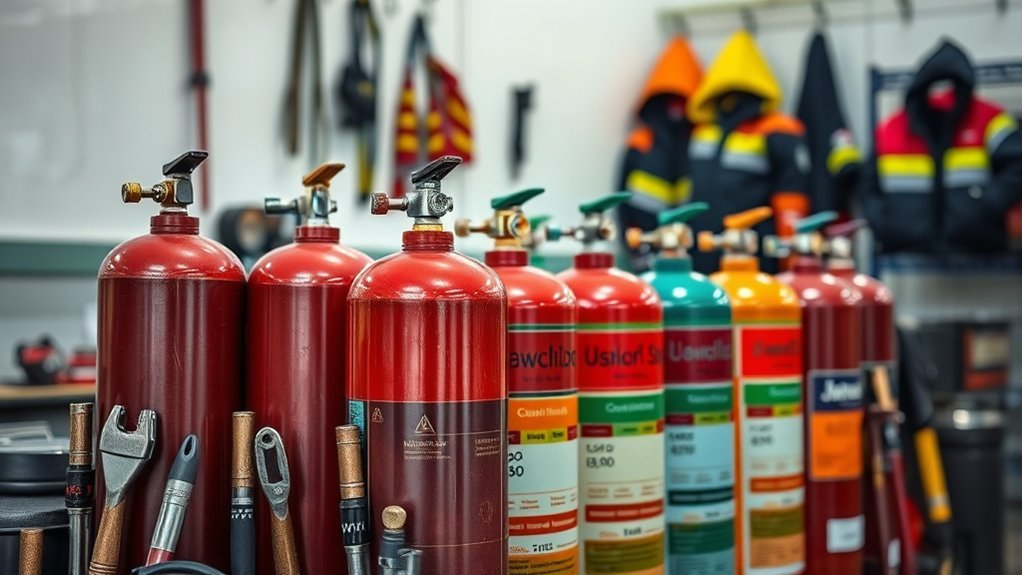
Understanding the different welding gases helps you get high-quality welds every time.
Argon is the go-to gas for TIG welding. It gives a stable arc and good shielding, especially on aluminum and stainless steel. Miller Welding’s TIG shielding gas guide covers this in detail. For deeper penetration in TIG work, many welders mix helium with argon because helium’s thermal conductivity improves the process.
For MIG welding, a blend of 75% argon and 25% CO2 is the standard choice. Miller’s MIG gas recommendations show this mix improves weld quality on mild steel. You can also use straight carbon dioxide for good penetration, but it creates more spatter. Each gas fits specific jobs, so picking the right one matters.
Pricing Breakdown for Different Cylinder Sizes
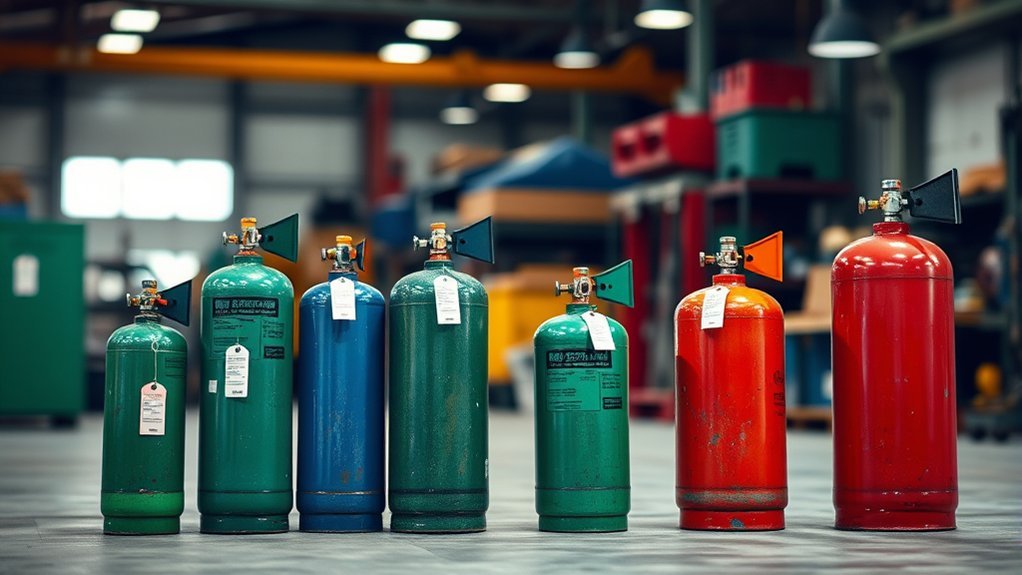
Cylinder size drives the biggest price differences. A 40 cubic foot inert gas cylinder starts around $212. An 80 cubic foot model costs about $253. Larger 125 cubic foot tanks range from $350 to $400. Checking both purchase price and refill costs helps you pick the best value for your work.
Cylinder Size Pricing Comparison
Here’s how the main sizes compare:
- A 40 cubic foot inert gas cylinder costs around $212—the most budget-friendly option.
- A 60 cubic foot cylinder starts at $218 for a bit more capacity.
- An 80 cubic foot inert gas cylinder begins at $253 and offers a good middle ground.
- A 125 cubic foot cylinder runs $350 to $400 when you need more gas on hand.
Match the size to your projects and budget so you don’t overpay or run out mid-job.
Refill Costs Overview
Refills are a regular expense, so it pays to plan ahead. Here’s what you can expect:
| Cylinder Size | Refill Cost |
|---|---|
| 40 CF | $60 |
| 80 CF | $70 |
| 125 CF | $70 |
| Larger Tanks | Varies, generally more economical due to less frequent refills |
The 40 CF tank is the cheapest to top off, but the 80 CF and 125 CF give better value because you visit the supplier less often. Even though the 125 CF refill matches the 80 CF price, its extra capacity stretches your dollars further.
Initial Purchase Costs of Gas Cylinders

Smaller cylinders cost less at first but need more frequent refills. An 80 cubic foot Argon/CO2 cylinder starts around $253, while a 125 CF tank runs $350 to $400. Deciding whether to own or rent also affects your total spend.
Products Worth Considering

60 CU FT ARGON CAPACITY - Mid-size cylinder for welding, metal fabrication, and more. Balances generous capacity with portability at 29 lbs for professional welders, fabrication shops, and mobile repair

Comes with a CGA-580 valve for Argon Nitrogen Argon/CO2 service
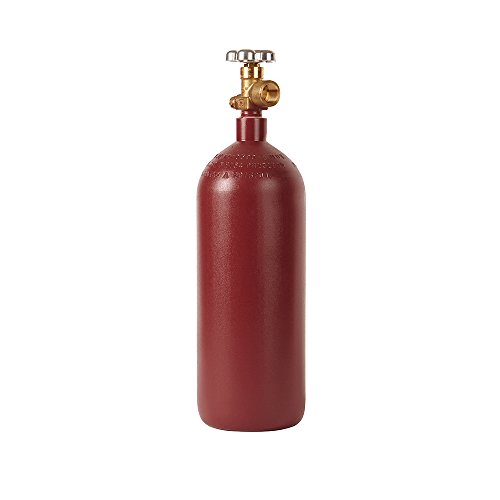
20 CU FT ARGON CYLINDER - Compact steel argon tank perfect for TIG welding, MIG welding, and hobby/small shop fabrication. 2015 PSI service pressure. Ultra-portable with 5.25" diameter x 18" height, 13.67 lb tare weight. Ideal for mobile welders, small shops, automotive repair, and DIY metalworking projects
Cylinder Size Impact
Size directly affects the sticker price. A 40 CF inert gas cylinder ranges from $212 to $260. An 80 CF starts at $253. The 125 CF runs $350 to $400 and gives you longer run times between trips to the shop. Smaller 20 CF tanks look cheap upfront but end up costing more over time because of all the refills.
- 40 CF inert gas cylinder: $212–$260
- 80 CF cylinder: starting at $253
- 125 CF cylinder: $350–$400
- 20 CF cylinder: lower initial cost, higher refill frequency
Ownership vs. Rental
Owning eliminates monthly rental fees and deposits, so most regular welders come out ahead. A 40 cubic foot inert gas cylinder costs $212–$260 to buy outright, while an 80 cubic foot runs $253–$320. Refilling an owned 40 CF tank averages $60; an 80 CF is about $70. Larger owned tanks cut your long-term costs even more, especially for Argon or Argon/CO2 mixes used in TIG and MIG work.
Initial Cost Comparison
Prices vary by size and type, but here are the typical ranges:
- 40 Cubic Foot Inert Gas Cylinder: starts at $212
- 80 Cubic Foot Cylinder: from $253
- 60 Cubic Foot Cylinder: from $218
- 125 Cubic Foot Cylinder: $350–$400
Acetylene 40 CF cylinders start higher at $321 because of their specialized use. Shopping around can save you up to $123 per cylinder.
Ongoing Refill Expenses to Consider
Refills hit your wallet regularly, so track them. A 40 CF tank costs about $60 to refill, while 80 CF and 125 CF run $70 each. If you TIG weld with an 80 CF tank and refill every two months, you’ll spend roughly $360 a year after the first year. MIG welding with a 125 CF tank every three months comes to about $280 annually. Watch your flow rate and usage so you refill only when you need to.
Products Worth Considering

ITEMS INCLUDED – Refillable Empty 1LB Propane Tank, Cap, and 2mm (5/64") Allen Key

All HP cylinders come with a 10 year hydrotest date stamped.

[BRASS NEEDLE VALVE]: Propane gas valve is made of solid brass material, ensure to excellent work, durable to use.
Calculating the Total Cost of Ownership
Total cost of ownership adds the purchase price to all future refills. A bigger cylinder costs more at first but pays off because you refill it less.
Initial Tank Investment
A full 40 CF tank runs $230–$260. An 80 CF costs $290–$320. The 125 CF usually gives the best value per cubic foot once you factor in fewer shop visits.
Ongoing Refill Expenses
After you buy the tank, refills become the main expense. An 80 CF tank for TIG might total $660 in the first year ($300 purchase plus six $60 refills). A 125 CF MIG setup could run $640 first year ($360 purchase plus four $70 refills). Larger tanks almost always win on long-term value.
Factors Affecting Welding Gas Prices

Cylinder size is the biggest factor, but gas type and supplier matter too. A 40 CF cylinder starts around $212 while an 80 CF begins at $253. Refills run $60 for 40 CF and $70 for 80 CF. Pure Argon costs more than mixes, and larger tanks need fewer refills. Local suppliers vary, so compare quotes.
How Long Does a Cylinder Last?
Divide the tank’s cubic feet by your flow rate in cubic feet per hour. An 80 CF tank at 10 CFH lasts about 8 hours. A 40 CF tank at the same rate lasts 4 hours; at 20 CFH it drops to 2 hours. Check the pressure gauge—a full tank shows roughly 2015 psi, and half-full reads about 1000 psi. Gases don’t expire, but mixtures can separate if stored a long time. Just roll the tank gently on its side to remix them.
Where to Purchase or Refill Welding Gas
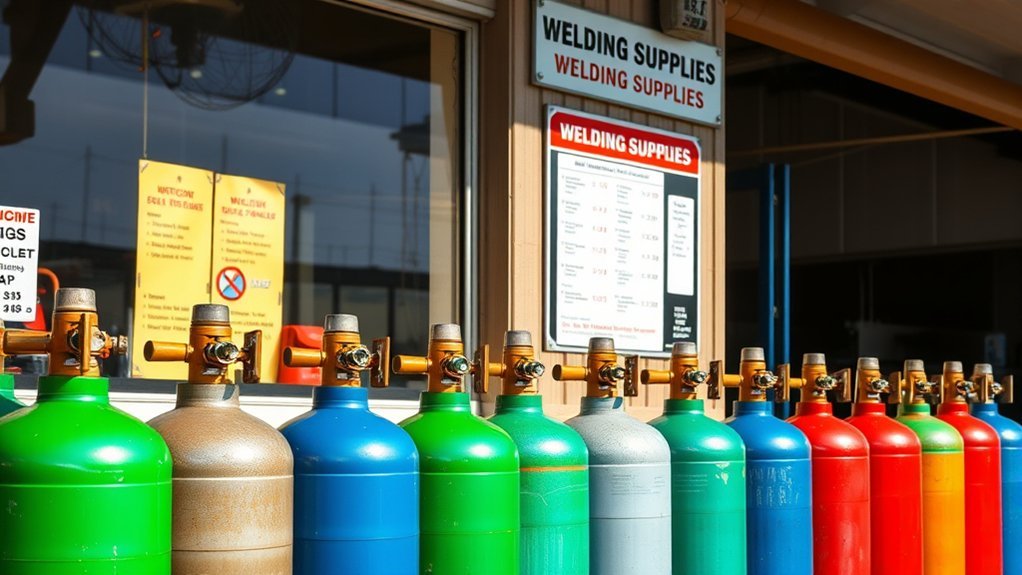
You have solid local and online choices. Many dealers focus on refills and exchanges rather than outright sales. Popular options include Northern Tool for new tanks and refills, AirGas for industrial-grade gases, local welding supply stores for competitive pricing and advice, and online marketplaces for bulk or delivered orders. Bigger tanks usually mean fewer trips and lower costs per cubic foot.
Products Worth Considering
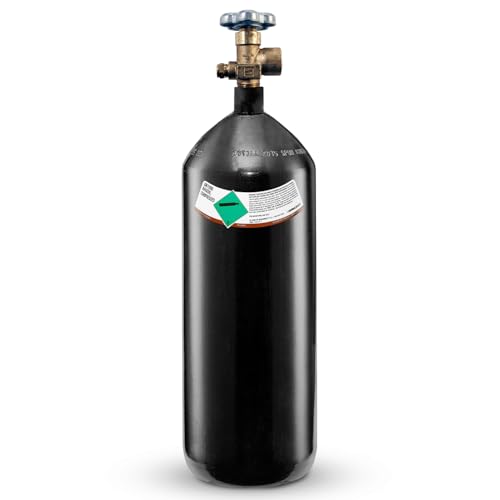
Welding Gas to Your Door - Get PrimeWeld's industrial grade Argon welding gas delivered right to your door. We offer different mixtures for any application, and you can purchase a tank without worrying about costly rental fees or wasted trips out to your local welding supply shop.

All HP cylinders come with a 10 year hydrotest date stamped.

Welding Gas to Your Door - Get PrimeWeld's industrial grade 75 %Argon 25% CO2 gas cylinder delivered right to your door. We offer different mixtures for any application, and you can purchase a tank without worrying about costly rental fees or wasted trips out to your local welding supply shop.
Comparing Rental vs. Ownership Costs
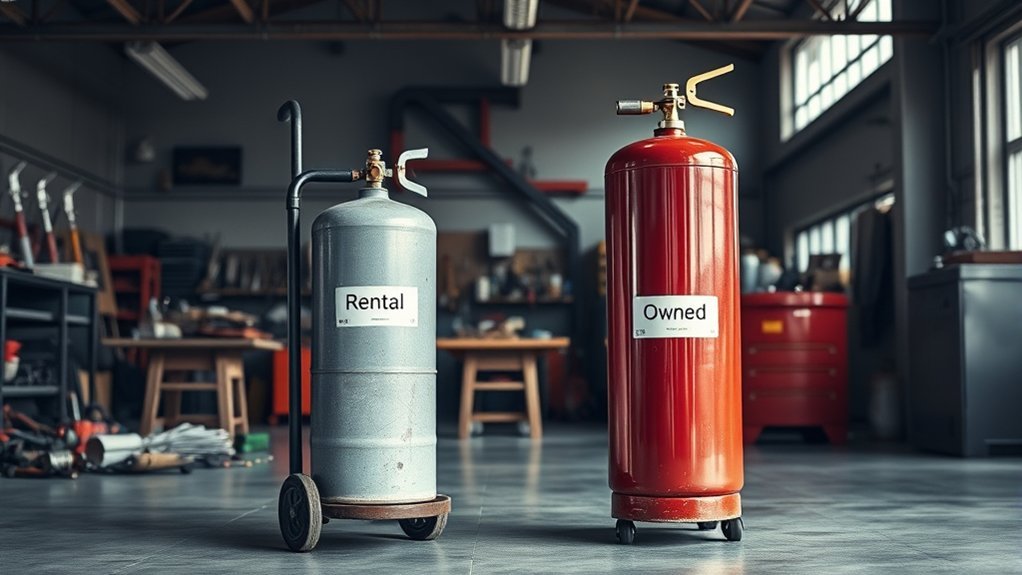
Owning an 80 cubic foot tank for around $253 cuts out rental fees and deposits. Refilling your own 80 CF every two months costs about $660 in the first year. Rentals add up fast and often come with smaller tanks that need more frequent swaps. If you weld often, ownership pays for itself quickly.
Products Worth Considering
All HP cylinders come with a 10 year hydrotest date stamped.

All HP cylinders come with a 10 year hydrotest date stamped.

Welding Gas to Your Door - Get PrimeWeld's industrial grade Argon welding gas delivered right to your door. We offer different mixtures for any application, and you can purchase a tank without worrying about costly rental fees or wasted trips out to your local welding supply shop.
Tips for Saving on Welding Gas Expenses
A few smart habits keep costs down:
- Choose larger cylinders like 125 CF for the same labor cost but far more gas.
- Buy the tank instead of renting to skip ongoing fees.
- Compare prices at several local suppliers before every purchase or refill.
- Try self-shielded flux-cored wire or stick welding when gas isn’t required.
Also keep an eye on your flow rate. A well-set regulator stretches every tank further.
Products Worth Considering

Comes with a CGA-580 valve for Argon, Nitrogen, Argon/CO2, Helium

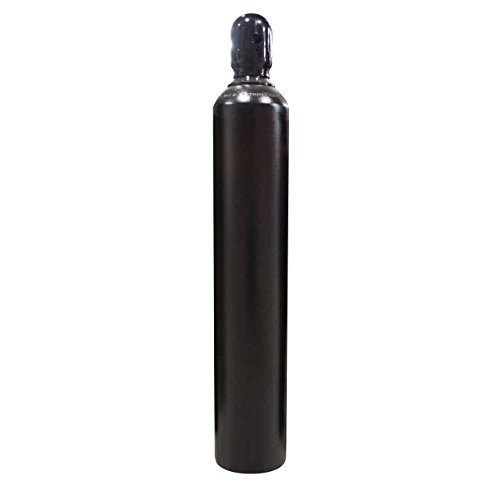
All HP cylinders come with a 10 year hydrotest date stamped.
Frequently Asked Questions
Are There Safety Regulations for Storing Welding Gas Cylinders?
Yes. Store cylinders upright, chained or secured, and away from heat sources. Make sure the area has good ventilation and follow all local fire codes.
How Do I Know When a Cylinder Is Empty?
The pressure gauge drops to zero or near zero, and you’ll notice weaker gas flow while welding.
Can I Transport Welding Gas Cylinders in My Vehicle?
Yes, but secure them upright, keep the vehicle ventilated, and avoid extreme temperatures. Always follow local transport rules.
What Should I Do With Expired or Damaged Cylinders?
Contact your gas supplier or local hazardous waste facility. Never try to dispose of them yourself—they need special handling.
Are There Any Environmental Considerations for Disposing of Gas Cylinders?
Yes. Proper recycling prevents leaks and keeps soil and water clean. Follow all local environmental rules during disposal.
Conclusion
Understanding welding gas cylinder costs helps you stay on budget. Whether you buy or rent, factor in the full picture—purchase price, refills, and how long the tank lasts. With the right size and ownership choice, you keep your projects moving and your wallet happy.
