
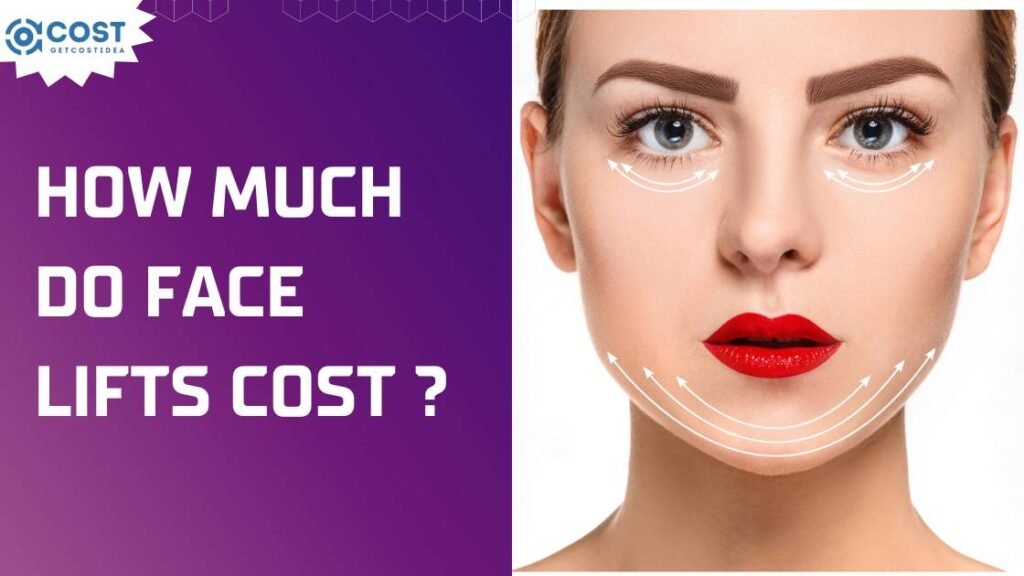
In the U.S., a facelift typically costs between $12,000 and $30,000 or more, depending on the surgeon, technique, and location. The American Society of Plastic Surgeons (ASPS) reported an average surgeon’s fee of $11,395 for a facelift (rhytidectomy) in 2023. When you add anesthesia, facility fees, and aftercare, the all-in total most patients report averages around $18,000.
A facelift, medically known as a rhytidectomy, is a cosmetic procedure designed to give the face a more youthful appearance. It reduces sagging skin and folds on the cheeks and jawline caused by aging.
If you’re considering a facelift, cost is probably one of your first questions. Prices vary because each procedure is customized. The type of facelift, the extent of surgery, and any additional treatments all affect the final number. Anesthesia, facility fees, and post-op care add to the total as well.
Quick Answer
- Total U.S. facelift cost: $12,000 to $30,000+
- Average surgeon’s fee (2023 ASPS data): $11,395
- Average all-in patient-reported cost: ~$18,000
- Key cost drivers: surgeon’s skill, procedure type, geographic location
- Health insurance rarely covers facelifts, but financing options are available
- International options (Thailand, Mexico, South Korea) can cost significantly less
The Basics Of Face Lifts

A facelift, or rhytidectomy, can restore a more youthful appearance. Sagging skin, deep wrinkles, and jowls are the most common reasons people consider one. Before focusing on cost, it helps to understand what the procedure actually involves.
What Is A Face Lift?
A facelift is a cosmetic surgery that rejuvenates facial appearance. The surgeon tightens muscles, removes excess skin, and reduces visible signs of aging. A typical procedure takes several hours and requires a recovery period afterward.
Desired Outcomes And Procedure Types
- Refreshed appearance: The goal is a natural, more rested look.
- Diminished wrinkles: Targeting facial creases brings smoothness back.
- Contoured jawline: Reclaiming the jaw’s definition combats sagging.
Different techniques serve different needs:
- Standard Face Lift: A comprehensive procedure for total facial enhancement.
- Mini Face Lift: Less invasive, targeting early signs of aging.
- Thread Lift: Uses temporary sutures for subtle results and a quick recovery.
The right procedure depends on your aging patterns, skin quality, and goals. A consultation with a qualified surgeon is the best way to determine which option fits you.
Factors Influencing Face Lift Cost
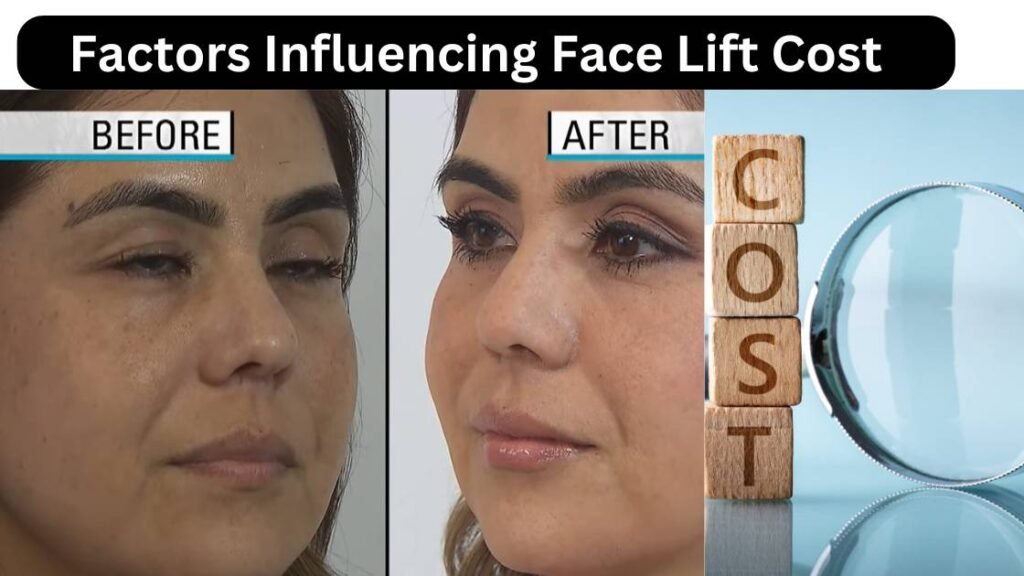
Several factors determine what you’ll pay. According to the ASPS, prices reflect the surgeon’s skill, the complexity of the procedure, and where you live. Here’s a closer look at each.
Surgeon’s Expertise And Geographical Location
Surgeon skill is one of the biggest cost factors. High-demand surgeons charge more. Board-certified plastic surgeons typically cost more because of their training and proven track record. Location plays a significant role too. Facelifts in cities like New York or Los Angeles cost more than the same procedure in smaller towns, partly because overhead and living costs are higher there.
Type Of Face Lift And Complexity Of The Procedure
- Mini Face Lift: Less invasive, targeting wrinkles and sagging around the mouth and jaw. Shorter surgery time means lower cost.
- Standard Face Lift: More comprehensive, working on deeper facial tissues. More complexity means higher cost.
- Extended Face Lift: Addresses both the face and neck. The most involved option, with the highest fees.
More complex cases take longer in the operating room, which drives up the price. The type of anesthesia also matters. General anesthesia tends to cost more than local sedation.
Average Cost Of Face Lifts

Facelift prices vary quite a bit. Your location, surgeon’s experience, and how complex the procedure is all affect what you’ll pay. Here’s a breakdown of the main cost categories.
Initial Consultation Fees
Your consultation is the first step. The surgeon will evaluate your facial structure, review your medical history, and discuss your goals. Some surgeons charge for this visit. Others apply the fee toward your surgery cost if you move forward. Most consultations cover:
- Professional assessment of your facial structure
- Detailed discussion of desired results
- Explanation of procedure options
Surgical Costs Breakdown
The surgical fees are the largest part of the bill. This includes the surgeon’s fee, anesthesia, and facility charges.
| Cost Type | Details |
|---|---|
| Surgeon’s Fee | Usually the highest cost. Varies by experience and reputation. |
| Anesthesia Fees | Anesthesiologists charge based on time and the type of anesthesia used. |
| Facility Cost | The hospital or surgical center’s charge for the operating room and recovery space. |
| Additional Expenses | May include medical tests, post-surgery garments, and follow-up care. |
Each element affects the final price tag. Local market rates and the surgical approach you choose both play a role. Get a full cost breakdown before booking your procedure.
Additional Expenses To Anticipate
The quoted price is rarely the full story. Anesthesia, facility fees, and recovery all carry their own costs. Knowing these in advance helps you budget accurately.
Anesthesia And Operating Facility Fees
Anesthesia is essential for a pain-free facelift. The cost depends on surgery length and the type of anesthesia used. Facilities charge separately for the operating room, staff, and medical devices. Always ask for a detailed breakdown before you commit.
| Anesthesia Type | Estimated Cost Range |
|---|---|
| Local anesthesia | $500 – $2,000 |
| General anesthesia | $1,000 – $3,000 |
Operating facility fees typically range from $1,200 to $3,000, varying by location and how long the facility is used.
Post-surgery Recovery Costs
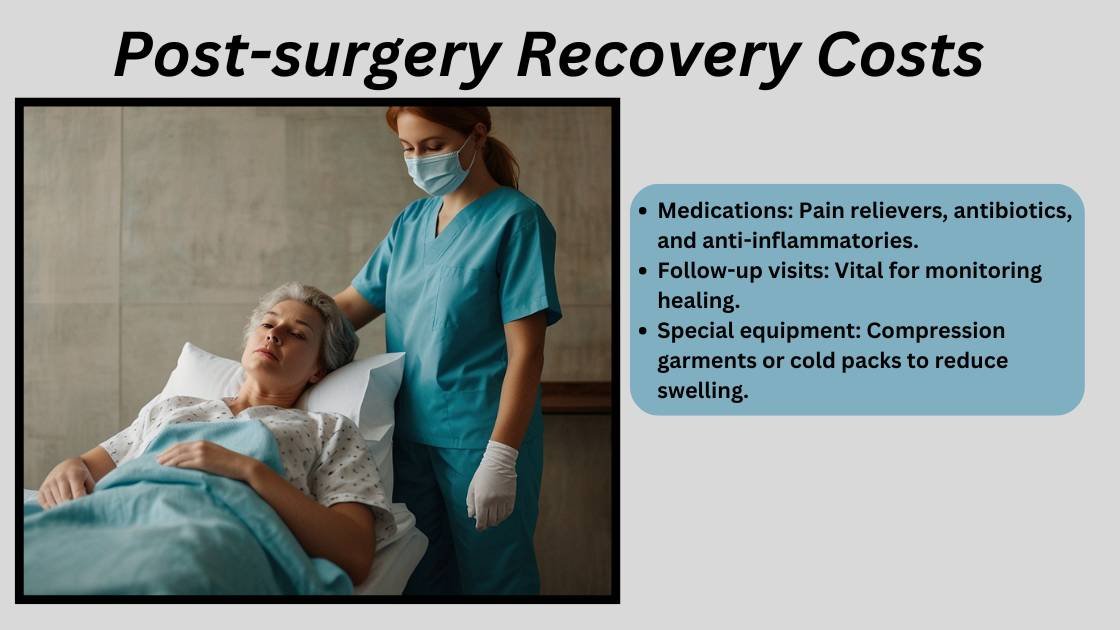
Recovery adds costs that the initial quote may not include. These can cover medications, follow-up visits, and potentially an overnight hospital stay.
- Medications: Pain relievers, antibiotics, and anti-inflammatories.
- Follow-up visits: Essential for monitoring healing.
- Special equipment: Compression garments or cold packs to reduce swelling.
Some patients may also need professional home care, especially those without a support system available. Plan for these costs well before your surgery date.
Insurance And Face Lifts
Understanding the financial side of a facelift is just as important as choosing the right surgeon. Most patients pay entirely out of pocket. Here’s what you need to know.
Health Insurance Coverage Queries
Most health insurance plans classify facelifts as elective cosmetic procedures. Insurance typically does not cover these costs.
Before assuming anything, ask your insurer:
- What are the terms of my policy?
- Does it cover complications from cosmetic surgery?
- What criteria would I need to meet for any coverage?
Financing Options And Payment Plans
Several financing options can help spread the cost of a facelift.
- Medical Credit Cards: Designed specifically for healthcare expenses, including cosmetic surgery.
- Personal Loans: Look for low-interest options to keep the total cost manageable.
- Surgeon Payment Plans: Some practices offer structured payment schedules. Ask directly.
Exploring your financial options before committing helps avoid surprises and lets you focus fully on your recovery.
Price Variations By Region
Where you live has a real impact on what you’ll pay. Local market conditions, cost of living, and the availability of experienced surgeons all influence pricing.
Comparing Costs Coast-to-coast
The east and west coasts generally carry the highest facelift prices. In cities like New York and Los Angeles, high demand keeps costs elevated.
Move toward the south or midwest, and prices tend to drop. A lower overall cost of living is a large part of the reason.
| Location | Average Cost |
|---|---|
| New York City | $12,000 – $25,000 |
| Los Angeles | $15,000 – $30,000 |
| Atlanta | $7,000 – $15,000 |
| Chicago | $7,500 – $17,000 |
International Pricing For Face Lifts
Going abroad for a facelift can mean substantial savings. Countries like Thailand, Mexico, and South Korea offer quality procedures at a fraction of U.S. prices.
- Thailand: $5,100 – $11,800
- Mexico: $6,400 – $13,000
- South Korea: $5,000 – $8,000
The lower price is appealing, but factor in travel costs and the added complexity of recovering abroad. Research facilities and surgeons carefully to confirm they meet international safety and quality standards before committing.
How To Estimate Your Face Lift Cost
Getting an accurate estimate takes some preparation. Surgeon fees, facility costs, anesthesia, and extras all add up. Here’s how to approach the numbers.
Questions To Ask Your Surgeon
Come to your consultation prepared. Key questions to ask:
- What is your fee structure?
- Does the quoted cost include all associated fees?
- Are there potential costs for unforeseen circumstances?
- What payment options are available?
- Are follow-up visits included in the initial cost?
Calculating The Total Investment
A solid cost estimate should cover every stage of the process:
| Expense Category | Typical Cost Range |
|---|---|
| Surgeon’s Fee | $3,000 – $15,000 |
| Anesthetic Fee | $1,000 – $1,500 |
| Facility Cost | $500 – $2,000 |
| Additional Treatments | Vary by procedure |
| Pre-/Post-Op Care | $200 – $500 |
Always budget for unexpected costs. Discuss everything with your surgeon before you sign anything.
Investing In Quality Vs. Searching For Bargains
Cost matters, but it shouldn’t be the only factor. A facelift is a medical procedure. Cutting corners can lead to complications and, often, higher costs down the road.
Assessing Risks Of Low-cost Procedures
Budget options can be tempting, but the risks are real. Some unqualified providers offer steep discounts. Results can include infections, scarring, or outcomes you didn’t want. Before choosing based on price alone, check these:
- Surgeon’s credentials: A board-certified surgeon brings verified training and a safety record.
- Facility standards: Accredited surgical centers maintain strict hygiene and care protocols.
- Aftercare provided: Proper follow-up care is essential for a smooth recovery and good results.
Long-term Benefits Of A Quality Face Lift
A skilled, reputable surgeon is more likely to deliver:
- Natural-looking results
- Minimal scarring
- Results that hold up over time
You’re not just paying for a surgery. You’re paying for expertise, safety, and confidence in the outcome.
| Investment Aspect | Quality Face Lift | Low-Cost Alternative |
|---|---|---|
| Safety Standards | High | Variable |
| Surgeon’s Expertise | Board-Certified | Often Unclear |
| Longevity of Results | Years | Potentially Shorter |
Preparing For The Financial Aspect
A facelift is a significant financial commitment. Good preparation makes the process less stressful and helps you avoid surprises.
Saving And Budgeting For Cosmetic Surgery
Start by researching average costs in your area. Prices vary widely based on location, surgeon experience, and procedure complexity. Once you have a realistic number, build a savings plan around it.
- Assess your finances and find areas where you can reduce spending.
- Set a savings goal with a realistic timeline before your target surgery date.
- Consider opening a dedicated savings account just for the procedure.
Your budget should cover both the surgery itself and any post-op care you’ll need.
Pre-operation Financial Tips
A few steps before surgery can protect you financially:
| Tip | Action |
|---|---|
| Review Your Insurance | Check if your policy covers any part of the procedure or related expenses. |
| Understand All Costs | Ask for a detailed quote including surgeon’s fee, anesthesia, facility fees, and follow-up care. |
| Explore Financing Options | Look into medical loans, payment plans, or credit cards with promotional rates. |
| Prepare for Recovery | Set aside funds for medications and special garments that may not be included in the quote. |
Clarify what’s included in your quote before signing anything. Confirm accepted payment methods with your clinic upfront. The clearer you are on costs now, the easier recovery will be.
Real Stories: Costs Paid By Real Patients
Real patient accounts show just how varied facelift costs can be. These examples offer a more concrete picture of what people actually paid.
Personal Experiences And Testimonials
Every case is different. Here are three examples of what patients reported spending:
- Case 1: Minimal Lifting – Around $5,000 for subtle enhancements with minor work involved.
- Case 2: Full Facelift – About $12,000 for a comprehensive procedure covering the neck and cheeks.
- Case 3: Facelift Plus Other Procedures – Close to $18,000 when combining a facelift with eyelid surgery.
Lessons Learned About Cost And Care
Quality over cost is a theme that comes up consistently. Most patients who prioritized a skilled surgeon were satisfied with their results, even at a higher price.
Common hidden costs patients didn’t anticipate:
- Pre-surgery consultations added to the overall total.
- Post-op necessities like garments and medications weren’t always in the quoted price.
- Time off work is a real cost that’s easy to overlook when planning.
Location matters too. Costs can differ significantly depending on where you have the procedure done and the prestige of the facility.
Many patients also learned to budget for potential follow-up procedures, underscoring the importance of planning for the full scope of care.
Non-Surgical Alternatives And Their Costs
A full facelift isn’t the only option. Many people explore non-surgical treatments first, especially for earlier signs of aging. These come at a lower upfront cost but typically require repeat sessions to maintain results.
- Botox: Targets dynamic wrinkles like forehead lines and crow’s feet. Average cost is $300 to $600 per treatment area, with effects lasting 3 to 4 months.
- Dermal Fillers: Restore volume in the cheeks, lips, and under-eye area. Costs range from $500 to $2,000 per syringe, depending on the filler type and area treated.
- Thread Lift: Uses dissolvable sutures to lift sagging skin. Less invasive than a facelift, with costs typically ranging from $1,500 to $4,500.
- Laser Resurfacing: Improves skin texture and mild laxity. Costs vary widely, from $1,000 to $5,000 depending on the technology and treatment depth.
Non-surgical options work well for mild to moderate aging changes. For more significant sagging or volume loss, a surgical facelift generally produces more noticeable and longer-lasting results. Discussing both paths with your surgeon helps you choose the approach that matches your goals and budget.
Frequently Asked Questions for How Much Do Face Lifts Cost
How Long Does A Face Lift Last?
A facelift typically lasts about 10 years. Results vary based on lifestyle, skin quality, and maintenance with nonsurgical treatments.
What Is The Best Age To Get A Facelift?
Most facelift patients are between 40 and 60 years old, though the right timing depends on your individual skin and how aging has progressed. A qualified surgeon can help you determine the best time for you.
How Much Does Face Lifting Cost Us?
In the U.S., a facelift typically costs between $12,000 and $30,000 or more, depending on location, surgeon, and the scope of the procedure.
What Is A 20 Minute Facelift?
A 20-minute facelift is a non-surgical treatment that uses techniques like injections, micro-currents, or laser to refresh the skin with minimal downtime.
Conclusion
Facelift costs depend on a range of factors, from your surgeon’s fee to where you live. Each patient’s needs are different, and pricing reflects that. Consult with board-certified professionals to explore your options and find a path that aligns with both your goals and your budget.

1 thought on “How Much Does a Facelift Cost? (2026 Price Guide)”
Pingback: How Much Does A Traffic Lawyer Cost? Expert Guideline