
If you’re fishing in Alaska for a week, non-residents aged 16 and older must buy a 7-day license for $45. Residents 18 and older get an annual license for $20. Children don’t need a license if they’re under 18 as residents or under 16 as non-residents. Licenses last seven consecutive days from the day you buy them. You must carry the license with ID. Species-specific rules, like King Salmon stamps, may add extra fees or permits. Buy online, at ADF&G offices, or many sporting stores. Keep reading for details on stamps, formats, and exemptions.
Quick Answer
Non-residents 16 and older need a 7-day fishing license ($45) for a week in Alaska. Residents buy the annual license for $20 instead. No license is required for children under 18 (residents) or under 16 (non-residents). Add the matching King Salmon stamp if you plan to target or keep kings.
- Buy online or in person at ADF&G offices and stores
- Carry a printed copy or show the electronic version on the ADF&G app
- Follow all bag limits, size rules, and area closures
- Get a Harvest Record Card when required for certain species
Who Needs a 7-Day Fishing License in Alaska
Who needs a 7-day fishing license in Alaska?
You need one if your residency and age put you in the required group. Non-residents 16 and older must buy the 7-day license to fish fresh or salt waters. Residents 18 and older purchase the annual license instead.
Non-residents 16 and older must purchase a 7-day Alaska fishing license to fish fresh or salt waters.
Residents buy the annual option for short trips. Children don’t need any license, but adults must follow catch limits and size rules for them.
The 7-day license starts on the purchase date and stays valid for seven straight days. It gives you legal access to Alaska’s regulated fisheries.
Keep proof of residency and age with you while fishing so you can show compliance if asked.
Resident Vs Non‑Resident 7‑Day License Prices
Non-residents can buy a short-term 7-day fishing license for $45. Residents purchase an annual sport fishing license for $20. The resident fee is much lower. This difference comes from residency rules, not from what you can fish. Both options let you fish all fresh and salt waters statewide.
When you buy, you follow the rules for your residency status. Fees stay fixed no matter your experience or exact trip length within the period. You only pay the resident rate if you truly qualify as a resident.
The short-term option works well for quick visits. Use the prices above to budget your trip and compare them with longer licenses when you plan.
Products Worth Considering

Custom Text Alaska State License Plate. Features the iconic and bold yellow background with blue text and accents. Not embossed. All metal with gloss finish. This license...
What the 7‑Day License Covers and Restrictions
With a 7-day license you can fish both fresh and salt waters statewide. It generally covers species including crabbing.
You still must meet species-specific rules. For example, King Salmon often needs a separate stamp. Always follow daily bag and size limits.
Carry your license while fishing and obey local rules to avoid fines.
Covered Waters and Species
If you buy a 7‑day fishing license, it covers freshwater and saltwater fishing statewide for those seven days. You must still follow area-specific regulations and species limits.
You can fish rivers, lakes, estuaries, and coastal waters. Local closures, season dates, and gear rules still apply.
The license lets you target salmon, halibut, trout, and other species. Use correct identification to stay within size and bag limits.
Harvest limits and size restrictions from Alaska Department of Fish and Game rules apply to each waterbody and species.
Some species need extra permits to keep. Check current emergency orders and area rules before you fish.
King Salmon Stamp Requirement
A 7‑day fishing license covers freshwater and saltwater statewide for the seven days. It does not replace the mandatory King Salmon Stamp if you fish for or keep king (Chinook) salmon. Non-residents buy the matching 7-day stamp for $45. Residents need the annual stamp for $10 where required.
You must purchase the right stamp along with your license if you plan to target King Salmon. The stamp is mandatory for anyone fishing for or keeping King Salmon, no matter the license type.
Carry both your fishing license and the stamp. Follow all Alaska Fishing Regulations. Stamps, licenses, and posted rules decide what you can keep.
Daily Bag and Size Limits
Daily bag and size limits change by species and area. Check current local regulations before you fish with a 7-day license.
The 7-day license (non-resident $45) lets you do freshwater and saltwater sport fishing. It does not remove species rules such as the King Salmon Stamp.
Follow posted bag limits and size restrictions for every species and area. Some species also have annual limits that need a Harvest Record Card during your time fishing.
Enforcement is strict. Breaking limits can bring fines or loss of privileges.
Review ADF&G emergency orders and area summaries before you head out.
King Salmon Stamp and Additional Fees
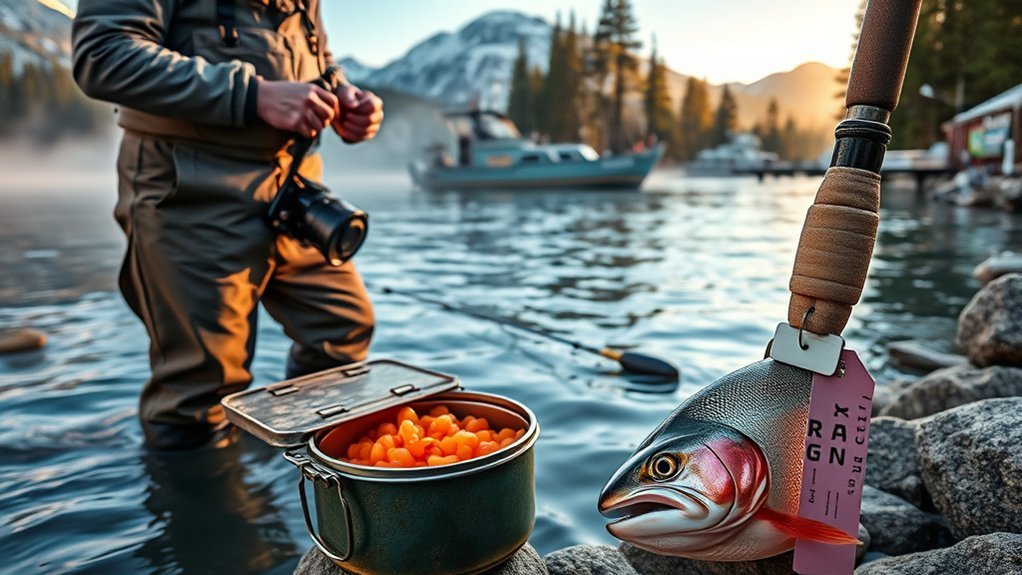
If you plan to fish for or keep King (Chinook) Salmon in Alaska, you must buy a King Salmon Stamp with your fishing license.
Non-residents pay $45 for the 7-day stamp. Residents pay $10 for the annual stamp. The stamp is mandatory whenever you target King Salmon.
Skipping the stamp can lead to fines. Add it when you buy your 7-day license.
King Salmon Stamp Requirement
You must carry the King Salmon Stamp whenever you fish for or keep King Salmon. Enforcement checks happen regularly.
Non-residents pay $45 for the 7-day stamp or $100 for the annual stamp. Residents buy the $10 annual stamp in addition to their license.
The stamp is mandatory no matter how long your license lasts. You record King Salmon on the Harvest Record Card with it.
Failure to have the stamp can mean fines during stops. Get the correct stamp and keep it with you.
Additional Stamp Costs
For a short trip, plan on the 7-day sport fishing license plus any needed King Salmon Stamp. Non-residents pay $45 for the 7-day license plus $45 for the 7-day King Salmon Stamp (or $100 for the annual stamp if you will keep kings). Residents pay $20 for the annual license and $10 for the stamp.
You handle stamp costs beyond the base license. Stamps let you target or keep King Salmon and do not change license dates. Buy them together or before you fish. Keep receipts.
- Confirm required stamps for the species you want
- Match stamp length to your trip
- Annual stamp needed if you keep fish
- Stamps do not extend license time
- Carry proof of purchase on the water
How to Purchase a 7‑Day Fishing License Online

Want to buy a 7-day Alaska fishing license online? Go to the Alaska Department of Fish and Game website and set up an account.
Have a valid ID ready and pick the right residency rate. After you sign in, choose the 7-day option for non-residents ($45), confirm your details, and pay. The system takes credit or debit cards and approves instantly.
Finish payment and print your license right away. Carry the printed copy and your ID while fishing.
Save the transaction number and receipt. If you buy often, keep your account details safe for faster future purchases.
Follow the on-screen steps exactly. The whole process is quick when your information is correct.
Products Worth Considering

Comes with pre-drilled holes for easy installation
Where to Buy a 7‑Day License In Person in Alaska
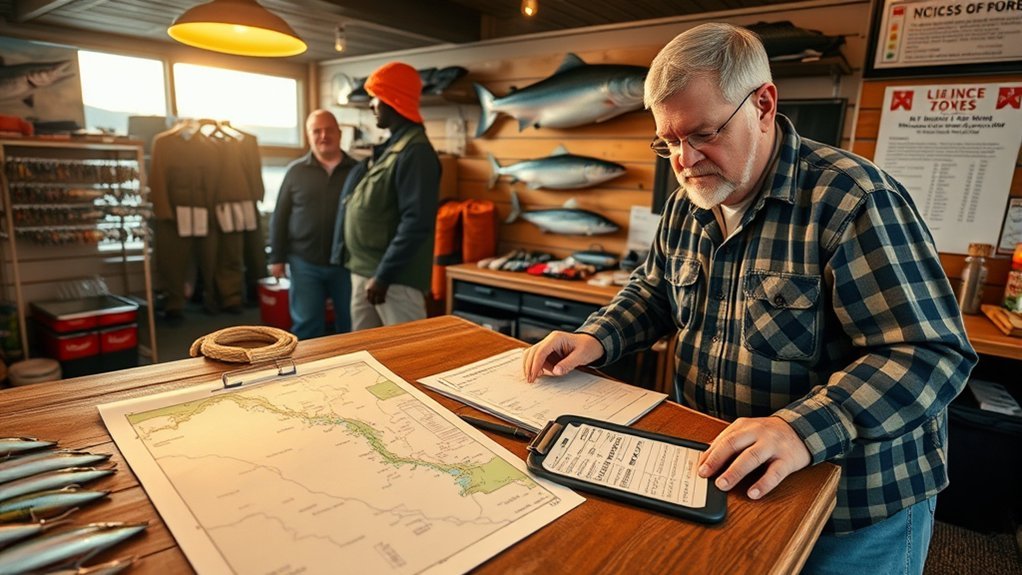
You can buy a 7-day fishing license in person at ADF&G offices, many sporting-goods stores across Alaska, or through some charter operators that include it in packages.
Non-residents pay $45. Residents buy the annual license for $20. ADF&G offices give immediate issuance and answer questions about rules.
Stores and charter services offer convenience while traveling. Make sure they sell the correct sport fishing licenses before you rely on them.
- ADF&G offices: statewide, best for compliance questions
- Sporting-goods stores: easy retail option in cities
- Charter operators: may bundle the license with trips
- Confirm price: $45 for non-residents
- Bring proof of identity
Choose the right option and verify locations before you fish so everything stays legal.
Products Worth Considering

12"x6" metal embossed plate made from aluminum MADE IN U.S.A.

Material: Metal

Printed imaged
License Formats, Printing, and Carrying Requirements
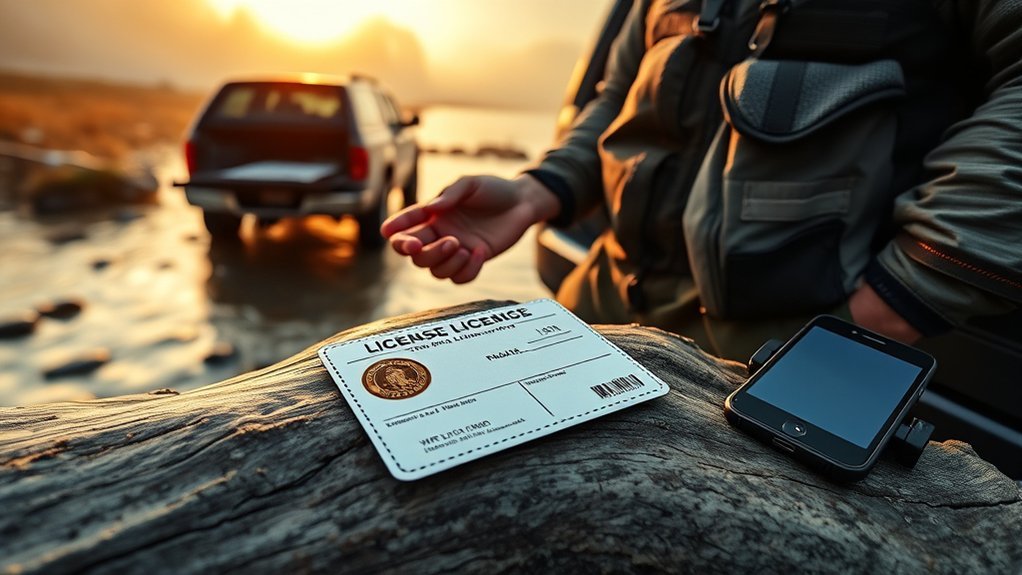
You can get electronic or printed formats for your 7-day license. Resident and non-resident fees apply at purchase.
Buy and have the license ready before you fish. You must carry it while fishing to follow the rules.
If you lose it, request a duplicate for $5 to avoid problems.
Electronic vs. Printed
You can choose electronic or printed formats for Alaska fishing licenses. Carry a printed copy or display the electronic version on the ADF&G app while fishing. Show either to officers when asked.
The electronic version is handy for quick access. Printed copies work even without phone service or battery.
Non-residents pay $45 for the 7-day license. If you lose a printed copy, buy a duplicate for $5.
Both formats are valid. Just have the license and show it when needed.
- Electronic convenience: access anytime online
- Printed durability: no battery or signal needed
- Duplicate printed copy available for $5
- Both formats must be presented on request
Carrying Your License
Carry your Alaska fishing license and any required King Salmon stamp while fishing. You can use a printed copy or the electronic version on the ADF&G app. Officers accept both.
Know which license you hold and keep proof handy. If you lose the paper version, get a duplicate from ADF&G for $5 before you go back out.
The stamp is required when targeting King Salmon. These rules help enforcement. Failure to comply can bring citations, so keep your documents with you at all times.
Exemptions and Special Licenses (Seniors, Low‑Income, Disabled)
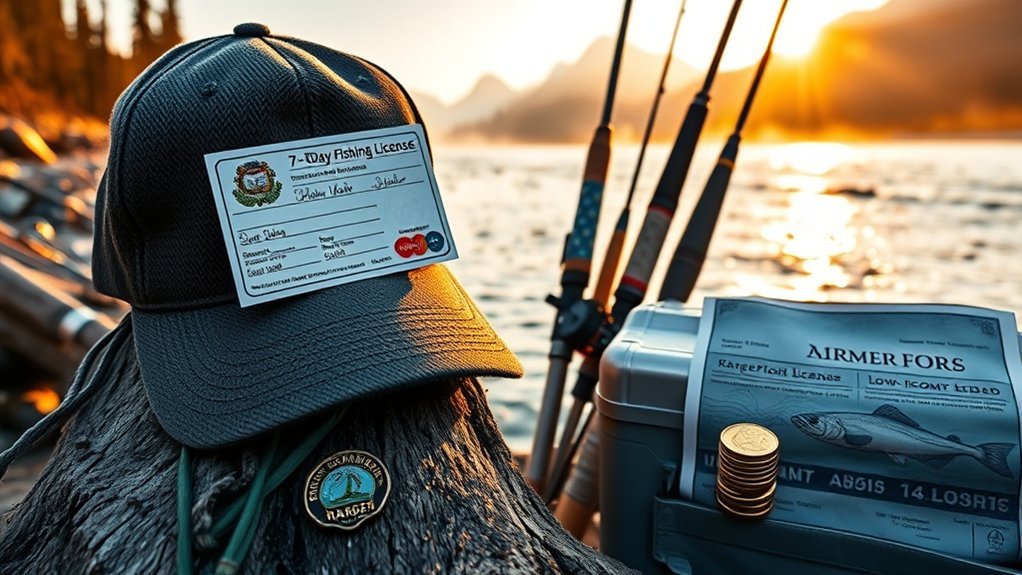
When you qualify by age, income, or disability, Alaska offers fee-reducing or free options for eligible residents.
Senior exemptions give residents 60 and older a free ADF&G Permanent Senior ID Card that replaces a license. Low-income residents can buy a sport fishing license for $5.
Disabled veterans get a free sport fishing license. Residents who are blind pay $0.50.
Special personal-use and subsistence licenses are only for Alaska residents and meet household or cultural needs.
- Free ADF&G Permanent Senior ID Card for residents 60+
- $5 sport fishing license for qualifying low income residents
- Free sport fishing license for disabled veterans
- $0.50 sport fishing license for blind residents
- Personal-use and subsistence licenses exclusive to Alaska residents
Bring your eligibility documents and apply through ADF&G or authorized vendors.
Recordkeeping, Harvest Cards, and Reporting Requirements
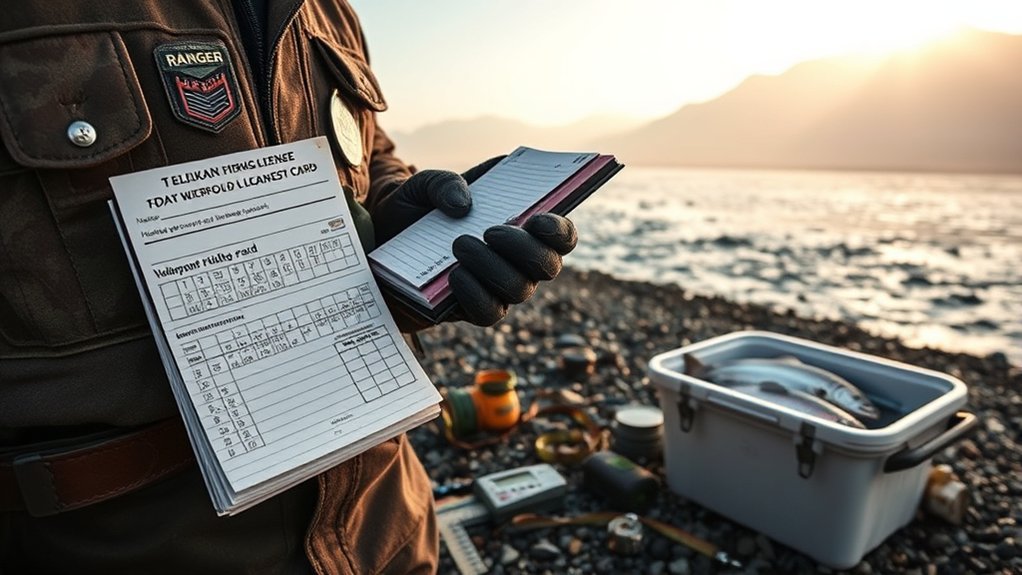
After you get your license or exemption, follow Alaska’s recordkeeping rules. Fill out a Harvest Record Card for sport fish when regulations require it, especially in fisheries with annual limits.
The card tracks each fish you take and helps ADF&G manage the resource. All anglers, including minors, must obey the limits. Details appear in the regulations.
Write clearly and keep the card with you. If you miss entries or go over limits, you risk penalties.
Keep cards handy while fishing and follow ADF&G directions on submission or retention. Do this right to stay legal and help with fishery management.
Tips for Planning a 7‑Day Fishing Trip in Alaska
You can buy the 7-day license for non-residents ($45) or the annual license for residents ($20). Time your trip for peak seasons, such as King Salmon runs from June to mid-July.
Buy a 7-day license (non-residents $45, residents use annual $20) and time your trip for peak runs—King Salmon June–mid-July.
Confirm any needed stamps, and carry a Harvest Record Card when the fishery requires it.
Pick dates, waters, and guides to match the rules and improve your chances.
Check area closures, bag limits, gear rules, and reporting deadlines before you leave. Use official sources for the latest updates.
- Prioritize peak-season windows for target species
- Research best fishing spots and applicable restrictions
- Book local fishing guides for access and compliance
- Secure necessary stamps and Harvest Record Card in advance
- Prepare to log and report catches per fishery rules
Pack safety gear, communications, and backup permits.
When you hire guides, confirm they follow current rules and provide documentation.
Keep records ready for inspections and reporting.
Frequently Asked Questions
Can I Upgrade a 7-Day License to an Annual One Mid-Trip?
Yes — you can usually upgrade mid-trip. Start the process online or at a licensing vendor. Pay the difference and the new annual permit starts right away.
Does the 7-Day License Cover Sportfishing From a Charter Boat?
Yes — your 7-day license covers sportfishing from a charter boat. Follow charter rules and local limits. You stay responsible for your own compliance.
Are There Refunds if Bad Weather Cancels My Trip?
You will usually find no state refunds for weather cancellations. Check the charter or vendor refund policy, because their rules often decide what happens.
Do Youth Under a Certain Age Need Any License at All?
Youth are often exempt. Regulations waive the requirement for children under a specific age, though the exact cutoff varies by residency and species. Always check local rules and carry ID that shows the child’s age.
Is Shore-Based Saltwater Fishing Included in the 7-Day License?
Yes — the 7-day license covers shore-based saltwater fishing. Follow shore rules, report and keep fish within bag, size, and season limits, and carry your permit while fishing.
Conclusion
You’ll want that 7-day license sorted before you hit Alaska’s waters. It is legally required. One mix-up about residency, King Salmon stamps, or harvest cards can ruin the trip fast. Buy online, carry the printed or electronic version, and follow reporting rules to stay out of trouble. Plan the fees, limits, and exemptions early so you can focus on fishing every single day.
