

You’ll pay about $290 per night on average for an Airbnb in California in 2026, with statewide occupancy near 44% and big regional and seasonal swings. Entire homes dominate and often cost more. Coastal and Bay Area listings top $300–$900+, while mountain spots average around $216. Amenities like waterfront access, hot tubs, and pet-friendly policies boost nightly rates. Book about 32 days ahead or consider off-peak months to save money.
Quick Answer
- Average nightly rate statewide: ~$290 (2026 projection)
- Statewide occupancy: ~44%, with June peaking and February dipping
- Coastal spots (Malibu, Santa Monica) often run $700–$950+ per night; mountains average ~$216
- Waterfront access adds ~$100/night; hot tubs add ~$50; pet-friendly policies add ~$30
- Travelers save most by booking ~32 days out and targeting January or February stays
- Top-performing hosts earn $10,700+/month by combining dynamic pricing with high-demand amenities
Average Airbnb Nightly Cost in California (2026)
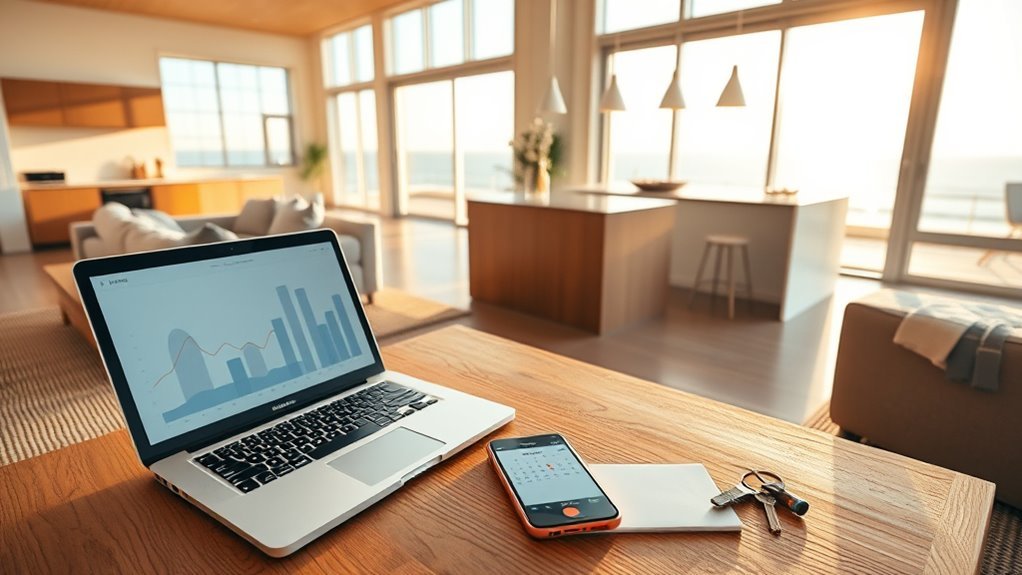
In 2026, expect the average nightly Airbnb rate in California to be about $290. That figure comes from statewide ADR projections and a 44.3% occupancy rate, which signals moderate, steady demand rather than a frenzied market. According to the short-term rental analytics platform AirDNA, seasonal timing plays a bigger role in your per-night return than small rate adjustments.
June typically spikes rates. February dips. Plan around that rhythm.
Median annual revenue sits near $33,293. That tells you most hosts earn steady but not extraordinary returns. High performers push monthly revenue past $10,704 by keeping occupancy above 87%.
Plan around seasonality: June peaks, February drops. Timing wins over tiny nightly adjustments.
How Property Type Affects Nightly Rates (Entire Home, Condo, Cabin, Tiny Home)
Expect to pay a premium for entire homes, which average about $290 per night. Guests pay more for privacy and space, and the market reflects that clearly.
Unique stays like cabins or tiny homes show wider price variance. Cabins average around $290, while tiny homes average about $173. That spread comes down to scarcity and location, not just the novelty factor.
Use these benchmarks to set realistic expectations. Condos and well-amenitized units sit in the mid-to-high range. Beachfront listings can spike into four figures.
Products Worth Considering


Entire Home Premiums
Entire homes make up 83.1% of active California rentals and average about $290 per night in Los Angeles. Travelers consistently choose them for privacy, flexibility, and space.
Top-performing entire homes push ADRs past $588, putting the top 10% of hosts well above market averages. Tiny homes sit lower, around $149 per night, so don’t expect the same yield from compact novelty stays.
Premium cabins and villas can surpass $1,500 per night, especially in luxury markets. That’s where precise positioning on amenities and location really pays off.
Unique Stay Price Variance
Nightly rates vary predictably by property format and location. Entire homes average about $290 in California, while condos and cabins span roughly $173 to $588 depending on market and amenities.
Tiny homes average near $150 nightly but can outperform their size when design and proximity to attractions drive demand. Cabins in high-amenity coastal or forested towns can exceed $290 when luxury fittings and scenery justify the premium.
Segment by property type when forecasting revenue: entire homes for stable higher yields, tiny homes for niche occupancy, and cabins for headline rates tied to location.
Regional Price Differences: LA, Bay Area, Coast, Mountains
Urban and coastal markets command noticeably higher nightly rates than mountain communities. Here’s how the major regions break down for 2026.
Los Angeles averages about $290 per night, with peak months pushing higher. The Bay Area runs above $300 nightly, fueled by proximity to tech hubs and cultural attractions.
Coastal spots are the priciest: Malibu averages around $744 and Santa Monica about $950, reflecting beach access and strong tourist demand. Mountain markets like Lake Tahoe average near $216, with wide swings tied to ski season, summer hiking, and events.
Unique or prime-location listings can break any of these bands, often hitting $588+ per night regardless of region.
Products Worth Considering


Use this Guest Book to gather feedback and comments from your guests, which can be used to improve the overall experience for future visitors.

Elegant Design: Measures 7.5x9 inches with a stylish off-white laminated hardcover, enhanced with debossing and for a luxurious look.
Seasonality and Monthly ADR Trends for California Airbnb
California’s Airbnb market has clear seasonal swings. ADRs typically peak in June and July, then bottom out in February. The projected full-year ADR for 2026 sits at about $290.
Price aggressively in summer to capture peak demand. In winter, especially February, plan for discounts to keep occupancy from dropping too far.
The gap between typical and top performers is wide. Top 10% properties convert seasonal demand into over $10,704 monthly with occupancy above 87%. Typical listings average about $3,066 monthly at around 49% occupancy. That gap is where dynamic pricing, targeted marketing, and good calendar management make the biggest difference.
Amenities That Increase Rates (And Estimated Price Uplift)
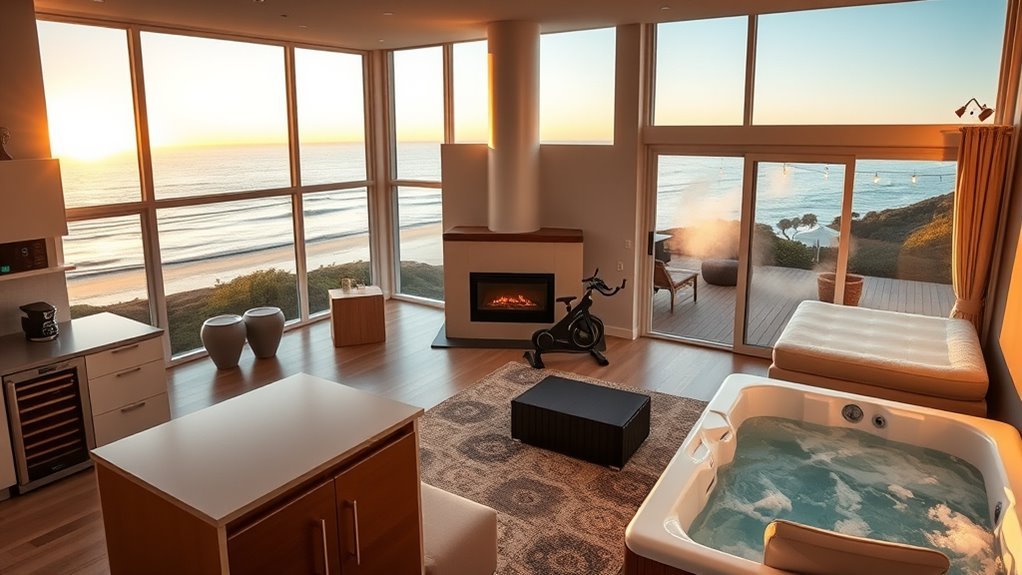
A few key amenities consistently lift nightly rates and bookings. Waterfront locations typically justify about $100 more per night. Private hot tubs add roughly $50. Pet-friendly policies raise ADR by around $30 and expand your potential guest pool.
High-speed internet and self check-in reduce friction. They boost occupancy roughly 10% and bookings up to 15% for remote and flexible travelers.
Technology amenities matter more than many hosts expect. High-speed internet boosts occupancy by about 10%, and self check-in can increase bookings by up to 15%. Both reduce friction for remote workers and flexible travelers.
Luxury features like upgraded bedding, designer finishes, or concierge services can compound appeal. Treat them as selective upgrades, not baseline requirements. Model expected return vs. cost before investing, and run short tests with dynamic pricing to confirm they move the needle in your market.
Products Worth Considering

Relax and unwind in our 6-person hot tub, perfect for outdoor use all year round (even in the coldest of winters with its insulation)

LONG-LASTING CLARITY: Keeps spa water clean, clear, and soft for up to 3 months with a single 16oz bottle treating up to 500 gallons

Heated Air Bubble Technology: Immerse yourself in heated air bubbles that relax your body, melt away stress, and leave you feeling rejuvenated. The heating system adjusts to fit your personal temperate preference, for an optimal spa experience.
Booking Patterns, Lead Times, and How They Change Pricing
Booking lead times shape your pricing windows. The statewide average lead time is 32 days, peaking at 42 days in July and dipping to 28 days in February. Align rate increases and promotions to match that rhythm.
With 51.5% of listings available most of the year and 62.7% requiring 30+ night minimums, there’s a clear split between short-stay inventory and longer-term revenue plays.
About 28.6% of properties fall in the 31 to 90 booked days per year range. Focus marketing and dynamic discounts during those key windows to fill gaps. The best-in-class properties hit 87%+ occupancy and $10,704+ monthly by keeping availability settings, minimum stays, and promotional timing tightly aligned with local booking trends.
Pricing Tiers: Entry-Level to Best-in-Class Benchmarks
Entry-level listings sit at around $105 per night with 23% occupancy. That’s the floor. Typical properties average $173 ADR with 49% occupancy. Top 25% performers hit $322 ADR and 73% occupancy. Best-in-class targets exceed $588 ADR at roughly 87% occupancy.
Entry-Level Pricing Benchmarks
Entry-level Airbnbs in California bring in a median of about $1,299 per month. Occupancy sits at 23% with an ADR of $105. Compare that to top-tier properties exceeding $10,704 monthly at $588+ ADR, and the gap is stark.
Low ADR and weak occupancy mean thin margins and high volatility. The path up is operational efficiency, targeted marketing, and dynamic pricing, not waiting for the right season.
Best-in-Class Revenue Targets
The top-performing California Airbnbs exceed $10,704 in monthly revenue with occupancy above 87% and ADRs of $588+. Here’s how the tiers compare:
- Best-in-class: $10,704+/month, 87%+ occupancy, $588+ ADR
- Strong performing: ~$5,927/month, 73% occupancy, $322 ADR
- Typical: ~$3,066/month, 49% occupancy, $173 ADR
- Entry-level: ~$1,299/month, 23% occupancy, $105 ADR
Use dynamic pricing, demand forecasting, and targeted amenities to push both ADR and fill rates. The market ADR in 2026 sits around $290 for occupied rooms. Use that as your minimum acceptable benchmark, then build systems that compound returns without requiring constant hands-on management.
How Hosts Should Set and Optimize Nightly Rates
Start with California’s occupied-room ADR of $290 as your baseline. Adjust upward in high-demand neighborhoods where top properties push past $588, and downward in slow seasons to maintain occupancy.
Survey nearby listings. Note their amenities, pricing, and booking pace. Slot your property relative to peers, then use Airbnb’s smart pricing tool or a third-party dynamic pricing platform to respond to events, day-of-week patterns, and booking lead times.
Map pricing to competitors. Assess nearby listings, amenities, and pace, then use dynamic pricing for events and demand.
Pair automated adjustments with manual floor rates, minimum stays, and promotional windows to protect margins. Offer short midweek discounts and extended-stay reductions for weekly or monthly guests to smooth out occupancy gaps.
Always factor in local taxes and compliance costs when calculating net yield. Review revenue reports weekly and stay ready to adjust when market signals shift.
Products Worth Considering

Traveler Tactics to Find Cheaper Nights and Better Value

You can use the same signals hosts watch to find cheaper nights. Book about 32 days ahead. That matches the average lead time and often delivers lower ADRs than last-minute pricing. Compare totals across platforms, since cleaning and service fees can significantly inflate the headline rate.
Target off-peak months like January, when occupancy drops to around 23% and hosts are more flexible on price. Search neighborhoods outside tourist cores, where the median ADR tends to run below the $290 statewide average.
| Tactic | Why it works |
|---|---|
| 32-day advance booking | Matches average lead time, often lower rates |
| Extended-stay discount | Lower monthly rates for 30+ nights |
| Multi-platform comparison | Reveals hidden fees and true net price |
| Off-peak timing | Lower occupancy means more host discounts |
| Non-tourist neighborhoods | Generally lower ADRs than hotspot areas |
Filter for extended-stay rates, use flexible date toggles, and move quickly when availability spikes in a target area. That combination delivers the best value without sacrificing flexibility.
Frequently Asked Questions
What Is a Good Price per Night for Airbnb?
Aim for about $200 to $350 per night in California, but adjust based on seasonal demand, property type, and local competition. Test rates, track occupancy, and use peak months to maximize returns.
What Is the 75-55 Rule for Airbnb?
The 75-55 Rule targets 75% occupancy while pricing nightly rates at 55% of the local ADR. It’s a market-based pricing approach designed to steady bookings and income over time.
Is Airbnb Profitable in California?
Yes, with the right setup. Profitability depends on controlling costs, optimizing occupancy, pricing dynamically, and staying compliant with local short-term rental regulations. Data-driven management and strong amenities make a meaningful difference.
What Is the Best Airbnb Market for 2026?
Hollywood and Santa Monica stand out for 2026. Market data shows high ADRs, strong tourist demand, and top listings reaching 87%+ occupancy. Both markets reward well-positioned, well-priced listings.
Conclusion
The numbers, regional spreads, and amenity uplifts all point to the same takeaway: timing and positioning matter more than any single nightly rate. Price to your property type and season. Highlight the amenities that actually move bookings. If you’re a traveler, target midweek and shoulder-season stays, book a month out for popular spots, or bundle longer stays for better value. Hosts, check your ADR against local comps every week and adjust before the market moves past you.
