
You’ll pay about $119 per night on average for an Arizona Airbnb in 2026, though city and seasonal swings matter: Scottsdale runs near $250, Sedona about $181, Phoenix around $119, and Tucson about $100. Summer lows (June ~ $115) and shoulder months lower costs, while March and events spike prices. Studios start near $90 and luxury homes exceed $200; heated pools and outdoor kitchens add the biggest premiums. Keep going to pick the best timing and filters.
What $119/Night in Arizona Actually Means
While $119 a night might sound like a baseline, it actually represents Arizona’s 2026 average daily rate across a mix of entire homes, apartments, and guest suites—so you’re typically paying for a full set of conveniences (Wi‑Fi, kitchens, often pools) rather than a bare-bones room.
That ADR reflects a balance: you’ll get amenities that support independence and comfort, matching guest preferences for self‑catering and reliable connectivity.
Seasonal dips in summer lower that average, so you can time bookings to gain value without sacrificing quality. Urban demand pushes prices up in popular corridors, but rural listings deliver budget-friendly alternatives if you prioritize solitude or authentic local experiences.
Use the $119 figure as a planning anchor: expect value-driven stays with practical amenities, vary choices by season and location, and align selections with your travel freedom—whether you want community buzz or a private retreat tailored to how you actually like to travel.
Arizona Airbnb Prices by City: Phoenix, Scottsdale, Tucson, Sedona
Look at Phoenix first: you’ll see an average nightly rate near $119 with seasonal swings pushing listings between $150 and $250.
Scottsdale skews luxury, often hitting averages around $250 in peak months, while Sedona averages about $181 and Tucson about $100, showing a clear split between high-demand and budget markets.
Use these city-level patterns to plan timing and target neighborhoods for the price point you want.
Phoenix: Price & Trends
1 clear trend stands out in Phoenix’s Airbnb market: nightly rates typically run between $150 and $250, dipping as low as about $115 in June and climbing toward $250 during the January–April high season. You can leverage this seasonality to liberate income streams: target winter travelers and events, optimize listings around local attractions, and tailor messaging to guest demographics favoring couples and remote workers. ADR for occupied rooms sits near $119, showing steady demand; March gives peak revenue, summer drops. High-rated properties (4.9+) consistently command premium rates. Use pricing cadence and reviews to free yourself from vacancy risk.
| Metric | Insight |
|---|---|
| Typical range | $150–$250 |
| Low (June) | ~$115 |
| Peak months | Jan–Apr |
| ADR | ~$119 |
Scottsdale: Luxury & Rates
Shifting north from Phoenix’s midrange market, Scottsdale commands a distinctly higher price point: average nightly rates hover around $250, driven by luxury amenities, private pools and spas, and proximity to golf and upscale shopping.
You’ll pay for curated comfort and strong guest satisfaction—many listings rate above 4.9—so expect premium expectations and returns. March is peak revenue month when demand spikes during spring break.
The market is competitive, favoring larger-group and family-ready homes that maximize occupancy and per-night yield.
- Expect elevated baseline rates due to consistent luxury amenities.
- Targeting March can boost your seasonal revenue considerably.
- High ratings translate to pricing power and booking momentum.
- Compete on experiential touches to capture liberated travelers seeking upscale freedom.
Sedona & Tucson Comparison
While Sedona commands a higher average nightly rate—about $181—thanks to scenic views and relaxation-focused listings, Tucson offers a budget-friendly alternative at roughly $119 per night.
You can choose between nature-focused premium stays and more affordable cultural or history-oriented options; both markets peak in March, aligning demand and revenue opportunities for hosts and investors.
You’ll find Sedona attractions drive higher ADRs—vistas, trails, wellness retreats—so you can price for experience and solitude.
Tucson culture and history attract longer stays that emphasize value and community access, letting you capture steady occupancy without luxury pricing.
If you want liberation from crowded, costly markets, lean into Tucson’s affordability; if you want premium returns tied to scenery, prioritize Sedona.
Average Nightly Rates by Property Type: Studios to Luxury Homes
Because property type drives pricing, you’ll see studios start near $90 per night while luxury homes often top $200, with entire-home listings (72.2% of Arizona’s active inventory) generally commanding higher rates than shared or private-room options.
You’ll use studio pricing as a low-entry point, ideal when you want freedom on a budget, while luxury listings deliver upscale comforts and higher per-night returns.
Best-in-class properties average about $181 nightly; strong performers average $146. Family-friendly, three-plus bedroom homes (44.5% of listings) skew rates upward to serve groups.
Use these figures to pick a listing that aligns with your values and travel goals.
- Studios: low cost, flexible access; starting near $90, good for solo travelers.
- Private rooms/shared: lowest rates but limited privacy and amenities.
- Entire homes: majority of inventory (72.2%); higher nightly rates, more control.
- Luxury listings: premium pricing, often exceeding $200; targeted at experience-seekers.
Best Months to Book and How Seasonality Affects Price
You’ll see clear peak vs. off-peak patterns—March averages about $250/night while June drops to roughly $115, and July–August sit near $150 with lower occupancy.
Event-driven spikes (festivals, spring training) can push rates well above seasonal norms, so checking local calendars is essential.
Aim for mid-week stays or last-minute deals in summer and book 30–90 days ahead for cooler months to capture discounts.
Products Worth Considering


Peak vs Off-Peak Rates
When you plan a trip to Arizona, timing can cut your nightly Airbnb costs by as much as 40%. Peak demand drives average rates up to about $250 in March, while summer lows fall to roughly $150 in June–August.
You’ll use peak travel windows—winter and spring—when comfortable temperatures lure visitors and rates climb. Off-peak savings arrive in hot months, giving you leverage to book cheaper stays or longer trips.
- March averages $250 as the busiest month.
- June–August averages drop to $150 for clear off-peak savings.
- January–February sit midrange near $189–$230 for shoulder-season value.
- December rises toward $196 with holiday demand.
Choose timing deliberately to maximize freedom and lower nightly costs.
Event-Driven Price Spikes
Although seasonality sets a clear baseline—average Airbnb rates in Arizona run between about $115 and $250—event-driven spikes can push prices well above those levels.
So you should plan ahead for major festivals, spring break in March, and other local happenings. You’ll see peak pricing in March (about $250) tied to spring break; conversely, June often offers the lowest nightly rates near $115.
Winter months (Jan–Apr) typically average $189–$197, but event impact can override that band quickly. The overall average daily rate for occupied rentals sits near $119, yet local festivals and major events create sharp, short-term surges in festival pricing.
Track event calendars so you can choose liberation through timing rather than paying premiums.
Booking Windows & Discounts
Because demand and timing drive most savings, booking windows matter: plan about four weeks out on average (27 days) to hit typical rates, but lock in earlier for high-demand March—when prices peak near $250 and occupancy is highest—and you can wait longer for summer deals when rates drop toward $150 (and promotions can push average paid prices as low as $88).
Use booking strategies that match seasonality and your freedom goals. You’ll save by aligning timing, being flexible, and watching tools for discount alerts.
- Book ~27 days ahead for average markets; aim 50 days for November trips.
- Lock March stays earlier; anticipate less availability and higher cost.
- Target January–February for lowest averages (~$102) if you want max savings.
- Seek summer promos and last-minute cuts—July lead times shorten to ~17 days.
Which Amenities Add the Biggest Nightly Premiums
Heated pools, outdoor kitchens, and distinctive design features are the amenities that most consistently drive nightly premiums in Arizona, with heated pools commanding the largest boost—roughly $150–$250 per night in peak seasons—followed by outdoor kitchens and recreational offerings adding about $25–$50, unique architecture or luxe decor contributing $20–$40, high-speed Wi‑Fi and dedicated workspaces tacking on $15–$30 for remote workers, and proximity to attractions like golf courses or trails yielding an extra $10–$30 per night. You’ll see the biggest returns when you prioritize heated pools, standout architectural designs, outdoor kitchens, reliable high speed Wi Fi, and location convenience near attractions. These features target social travelers, remote workers, and experience seekers willing to pay more for freedom and comfort. Use the table below to compare typical nightly premiums and decide which upgrades free you from price competition while boosting revenue.
| Amenity | Typical Premium | Best For |
|---|---|---|
| Heated pool | $150–$250 | Leisure groups |
| Outdoor kitchen | $25–$50 | Entertainers |
| Unique design | $20–$40 | Experience seekers |
| High-speed Wi‑Fi | $15–$30 | Remote workers |
| Location convenience | $10–$30 | Outdoor lovers |
Products Worth Considering
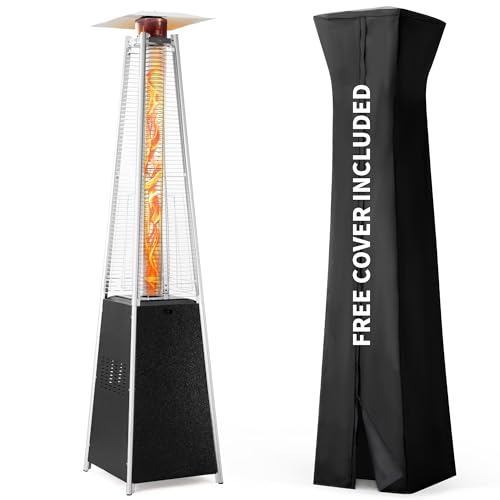
Enhanced Safety Features: The outdoor pyramid heater is equipped with a tip-over protection system. If the heater is tilted, the safety valve will automatically shut it off, ensuring safe operation.

All-Day Comfort & Support: Crafted from lightweight, cushioned EVA material with an ergonomic arch support design to reduce foot fatigue and provide excellent comfort for walking, standing, or relaxing at home, beach, poolside, or spa.

Portable, Easy to Carry- Camplux portable water heater with portable handle,carry bag and solid freestanding stand, you can put all staffs in the supplied waterproof carry bag, makes it's easier for camping, hunting, RV, pets gromming, equestrian, greenhouses or anywhere else that you need instant reliable endless hot water perfectly
Smart Strategies to Find the Lowest Arizona Airbnb Rates
Those premium amenities can boost revenue, but if you’re hunting the lowest Arizona Airbnb rates you’ll want a different playbook.
Focus on data: summer averages drop to about $150 per night, so embrace off-peak months and seasonal booking strategies to cut costs.
Prioritize budget friendly locations like Arizona City, where nightly rates can start near $90, and consider Tempe or Flagstaff for lower averages than Scottsdale or Phoenix.
- Use Airbnb filters to find listings with the lowest nightly rates and only the amenities you need.
- Target shoulder months outside March’s high occupancy to exploit price dips.
- Compare nearby towns—less tourist-heavy spots usually undercut hotspot pricing.
- Monitor listings and set alerts to book when weekly or monthly discounts appear.
You’ll liberate your travel budget by following trends, optimizing filters, and choosing locations strategically; that precision beats chasing premium features when saving matters most.
Sample Budgets: Weekend and Week-Long Arizona Stays
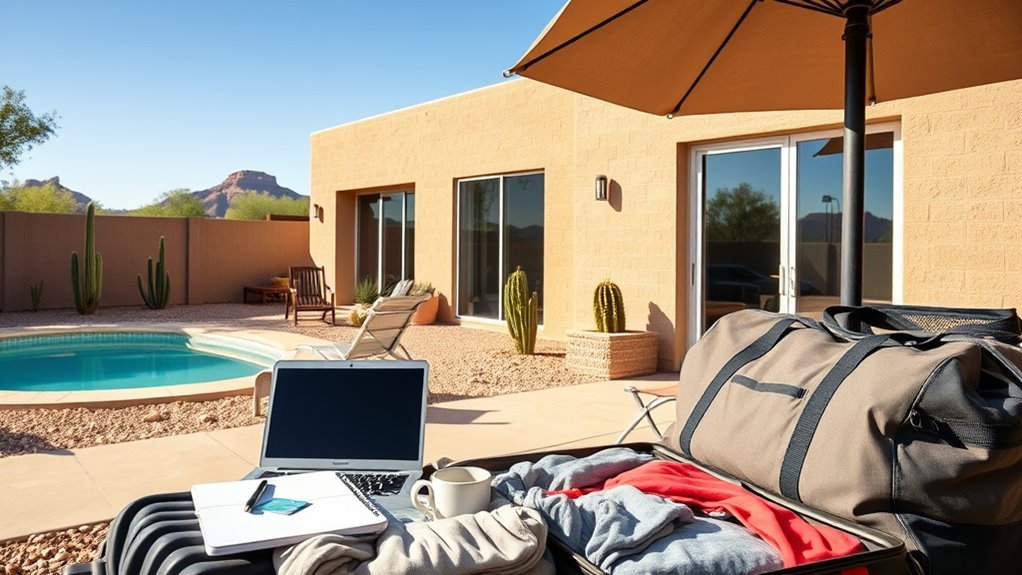
Plan on budgeting differently for a quick weekend versus a week-long Arizona stay: weekend nights typically run $150–$250 depending on season and location, while stretching to seven nights often brings averages down to $100–$200 per night, especially in off-peak months like June or September.
If you’re planning a weekend, allocate $450–$750 for lodging; expect peak-season spikes in winter and spring, and prioritize proximity or unique listings if those matter to you.
For a week, budget $700–$1,400 and seek properties offering weekly discounts or seasonal discounts to lower per-night cost. You can find budget accommodations starting near $90 per night—ideal if you want flexibility and savings.
Higher-rated homes with pools or distinctive design commonly demand $200–$300 nightly; include that in your scenario planning.
Book around the average lead time of 27 days or earlier in March to secure better options. These sample budgets help you choose freedom over excess, matching cost to experience.
Frequently Asked Questions
What Is the Cost of an Average Arizona Airbnb?
You’ll pay about $119 on average for an Arizona Airbnb; average prices shift with seasonal trends — roughly $88 in summer, $102 in winter, with March peaking near $100, so you can time bookings for freedom.
Are Airbnbs Cheaper Than Hotels in Arizona?
Yes — you’ll often save with Airbnb Benefits: average ADR near $119 versus hotels peaking ~$250, with many options from $90; you’ll get more space, kitchens, private pools versus standard Hotel Amenities, freeing travel choices and budgets.
Conclusion
So $119/night in Arizona is a realistic baseline, but city, season, property type and amenities push that number way up—or down—fast. Use off-peak months, midweek stays, and filters (kitchens, free parking) to shave 10–30% off averages; expect premiums for Scottsdale, Sedona, and luxury homes. Book 30–60 days ahead, compare similar listings, and watch cleaning fees. With these tactics you’ll lock in data-backed savings and avoid paying tourist-trap prices.
