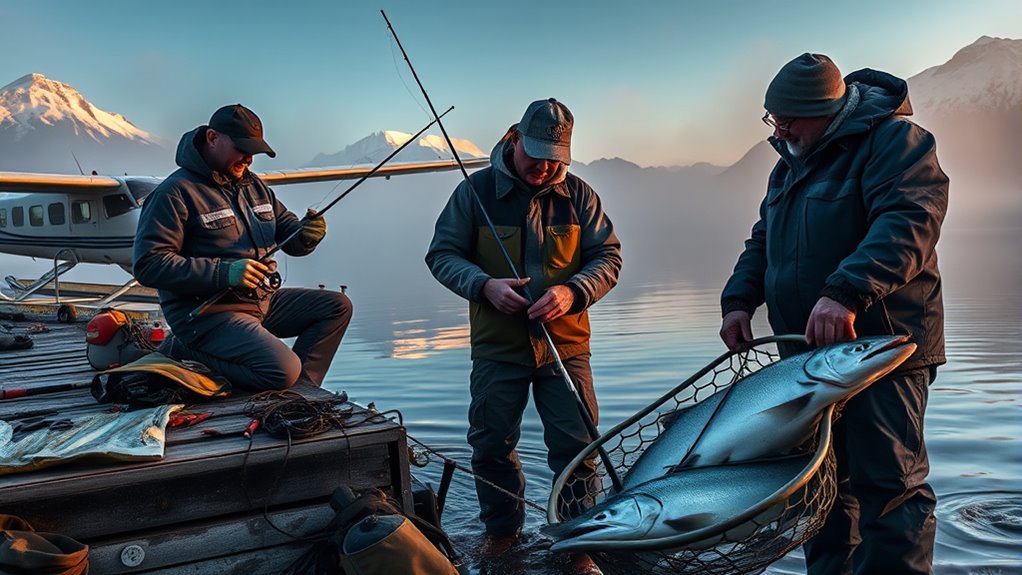
How Much Is an Alaska Fishing License?
Alaska fishing can get expensive fast if you buy the wrong license or forget a required stamp. Your total cost depends on your residency, age, trip length, and whether you plan to fish for king salmon. This guide explains who needs a license, how much common license options cost, where to buy one, and which exemptions may lower your cost.
What’s in This Article
- Who Needs an Alaska Fishing License?
- How Much Does an Alaska Fishing License Cost?
- How Much Is the King Salmon Stamp?
- Where Can You Buy an Alaska Fishing License?
- How Long Does an Alaska Fishing License Last?
- Who Can Fish in Alaska Without a License?
- What License Rules Should Alaska Anglers Know?
- Frequently Asked Questions
Quick Answer
An Alaska resident sport fishing license usually costs $20 per year. A non-resident sport fishing license usually costs $15 for 1 day, $30 for 3 days, $45 for 7 days, $75 for 14 days, or $100 for an annual license. If you fish for king salmon, you may also need a King Salmon Stamp.
Key Takeaways
- Residents age 18 or older usually need an Alaska sport fishing license.
- Non-residents age 16 or older usually need a license to sport fish in Alaska.
- Short-term non-resident licenses work well for trips from 1 to 14 days.
- You may need a King Salmon Stamp if you target king salmon.
- Some seniors, disabled veterans, blind residents, and low-income residents may qualify for free or reduced licenses.
Who Needs an Alaska Fishing License?
In Alaska, who needs a fishing license depends on your age, residency, and eligibility status.
If you’re an Alaska resident age 18 or older, you usually need a sport fishing license for fresh and saltwater fishing. If you’re a resident under 18, you don’t need one.
Non-residents age 16 and older must get a fishing license. Non-residents younger than 16 can usually fish without a sport fishing license.
Senior residents age 60 or older may qualify for an exemption if they carry a Senior Permanent Identification Card.
Disabled veterans who hold a valid disabled veteran license may also qualify for free fishing access.
The Alaska Department of Fish and Game sets these fishing rules to support access, conservation, and fair use of fishing areas.
You can also find specific licenses for low-income and blind residents, which helps more people fish legally.
Check current rules before you fish, because exemptions and local requirements can vary by water, species, and season.
Knowing who needs an Alaska fishing license helps you avoid fines and protect Alaska’s fisheries.
How Much Does an Alaska Fishing License Cost?
Alaska fishing license costs vary by residency, duration, and special status. A resident annual sport fishing license usually costs $20, while a non-resident annual sport fishing license usually costs $100.
You can choose from several fishing licenses based on your schedule and budget. Common short-term fishing licenses for non-residents cost $15 for 1 day, $30 for 3 days, $45 for 7 days, or $75 for 14 days.
Resident fees stay lower to support broad fishing access. Eligible residents age 60 or older, disabled veterans, blind residents, and low-income residents may qualify for a free fishing license or reduced-fee option.
Eligible residents may qualify for free or reduced-cost fishing licenses, but you should confirm the rules before you buy.
If you’re fishing for king salmon, expect a separate King Salmon Stamp requirement unless an exemption applies.
Duplicate licenses usually cost $5 if you lose the original.
These resident and non-resident fees help fund fisheries management while giving you several ways to match the license to your trip.
How Much Is the King Salmon Stamp?
If you plan to target king salmon, also called Chinook salmon, you may need a King Salmon Stamp on top of your Alaska fishing license. Stamp cost depends on residency and license length.
| Angler type | Common stamp cost | Notes |
|---|---|---|
| Resident | $10 | Annual stamp for residents who need one |
| Non-resident 1-day | $15 | Short trip option |
| Non-resident 3-day | $30 | Weekend trip option |
| Non-resident 7-day | $45 | One-week trip option |
| Non-resident 14-day | $75 | Longer visitor trip option |
| Non-resident annual | $100 | Full-year non-resident option |
| Military non-resident | $30 | Discounted annual option if eligible |
| Exempt anglers | $0 | Some residents and youth may qualify |
You should count this cost when planning your Alaska fishing license budget. Residents usually pay less, while non-resident anglers pay more for longer king salmon coverage.
If you qualify for an exemption, you may not need to buy the stamp. Always verify current king salmon rules before you fish, because limits and closures can change by location and season.
Warning: King salmon rules can change fast, so check the exact area you plan to fish before your trip.
Where Can You Buy an Alaska Fishing License?
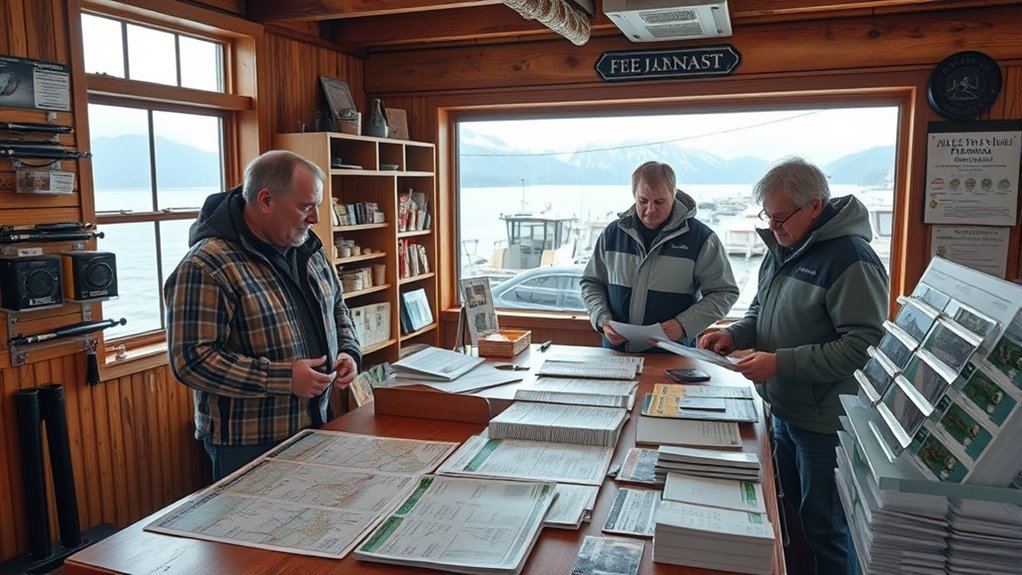
You can buy an Alaska fishing license online through the Alaska Department of Fish and Game website. This is often the fastest option for most anglers.
You can also get fishing licenses at Fish and Game offices statewide and at many sporting goods retailers.
Resident anglers and visitors use the same main purchase channels. That makes it easier to get a license before you reach the water.
Some charter operators may help guests arrange licenses, but you should confirm this before your trip.
In fishing-focused towns such as Valdez, local outfitters and stores often sell licenses for visitors.
If you misplace a license, you can usually request a duplicate for $5.00.
Use the most direct channel for your trip, compare local availability, and secure your license before you fish.
How Long Does an Alaska Fishing License Last?
Short-term licenses, including 1-day, 3-day, 7-day, and 14-day options, end when the chosen duration runs out. The term starts on the date you select or the date listed on the license.
Non-resident licenses follow the same basic rule. You can buy short-term licenses or an annual license, and the expiration date matches the option you select.
If you lose your license, you can request duplicate licenses for a $5.00 fee. The duplicate does not extend the original expiration date.
Because fishing regulations can vary, check local rules before you fish. This matters most when you hold a short-term license and plan to fish in more than one area.
Who Can Fish in Alaska Without a License?
Several groups can fish without paying for a standard Alaska sport fishing license. The exemption depends on age, residency, status, and proper documents.
If you’re asking who can fish in Alaska without a license, start with residents age 60 and older. You may qualify when you carry a valid Senior Permanent Identification Card.
Resident anglers under 18 and non-resident anglers under 16 usually do not need a sport fishing license.
If you’re a disabled veteran with a valid disabled veteran license, you may fish without buying a standard sport fishing license.
Low-income residents and blind residents may qualify for special licenses that lower or remove the normal fee.
Holders of an Alaska Department of Fish and Game Identification Card may also qualify for reduced or waived fees under certain programs.
These rules lower entry costs and protect fishing access for eligible anglers.
You should verify eligibility before you fish and keep your documents ready in case an officer asks to see them.
What License Rules Should Alaska Anglers Know?
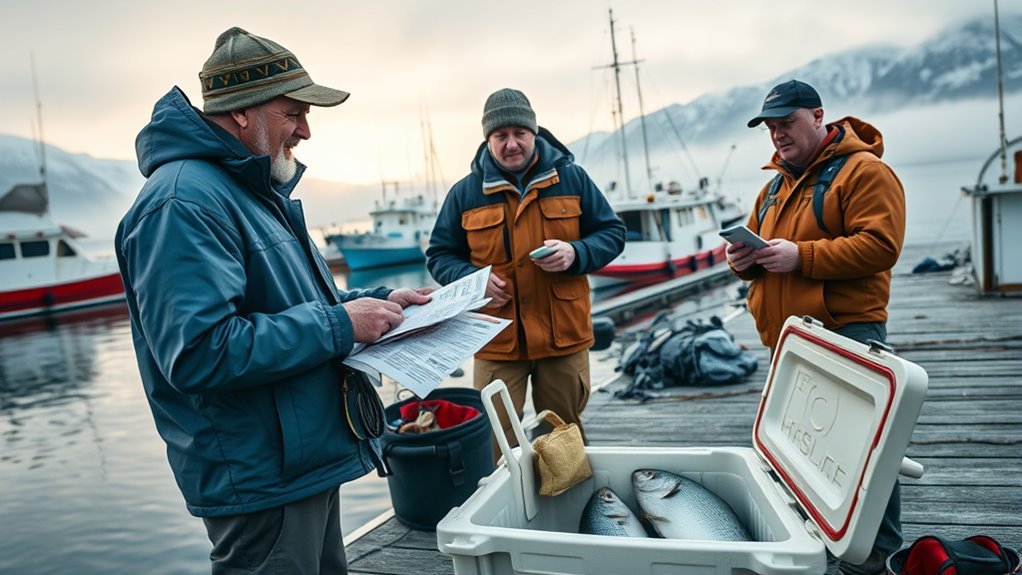
Before you head out, Alaska’s fishing rules depend on age, residency, location, and target species. Resident anglers age 18 and older usually need a license, and non-residents age 16 and older usually need one.
For most anglers, the sport fishing license gives the baseline legal access to fish in Alaska waters. The annual cost usually runs $20 for residents and $100 for non-residents.
Senior residents age 60 or older with a Senior Permanent Identification Card and eligible disabled veterans may not need a standard sport fishing license.
You may also need a King Salmon Stamp if you plan to catch king salmon. The fee depends on residency and trip length.
Check current fishing regulations before you go, because license rules, limits, closures, and stamp rules can change by season, area, and species.
Pro tip: Save a digital copy of your license and carry a backup photo in case cell service drops.
Frequently Asked Questions
How much is a non-resident Alaska fishing license?
A non-resident annual Alaska sport fishing license usually costs $100. Short-term options usually cost $15 for 1 day, $30 for 3 days, $45 for 7 days, and $75 for 14 days.
Do you need a separate license for king salmon in Alaska?
You usually need a King Salmon Stamp if you plan to fish for king salmon. The stamp sits on top of your sport fishing license unless an exemption applies.
How old is a 25-pound king salmon?
A 25-pound king salmon is often about 5 to 7 years old. Age can vary because salmon growth depends on habitat, food, migration, and spawning timing.
Do senior citizens need a fishing license in Alaska?
Alaska residents age 60 or older may qualify for an exemption if they carry a Senior Permanent Identification Card. You should confirm your eligibility before fishing.
How many halibut can you catch in a day in Alaska?
Halibut limits can vary by area, vessel type, season, and current regulations. Check the current Alaska sport fishing rules for the exact location where you plan to fish.
Conclusion
The right Alaska fishing license depends on who you are, how long you’ll fish, and what species you plan to target.
Check your residency status, choose the right license length, and add any required stamps before your trip.
Buy online or from an authorized vendor, then keep proof of your license with you on the water.
A few minutes of planning can help you fish legally, avoid fines, and enjoy Alaska with more confidence.
References
- Alaska Department of Fish and Game License Information — Alaska Department of Fish and Game
- Sport Fishing License and King Salmon Stamp Information — Alaska Department of Fish and Game
- Alaska Sport Fishing Regulations — Alaska Department of Fish and Game