
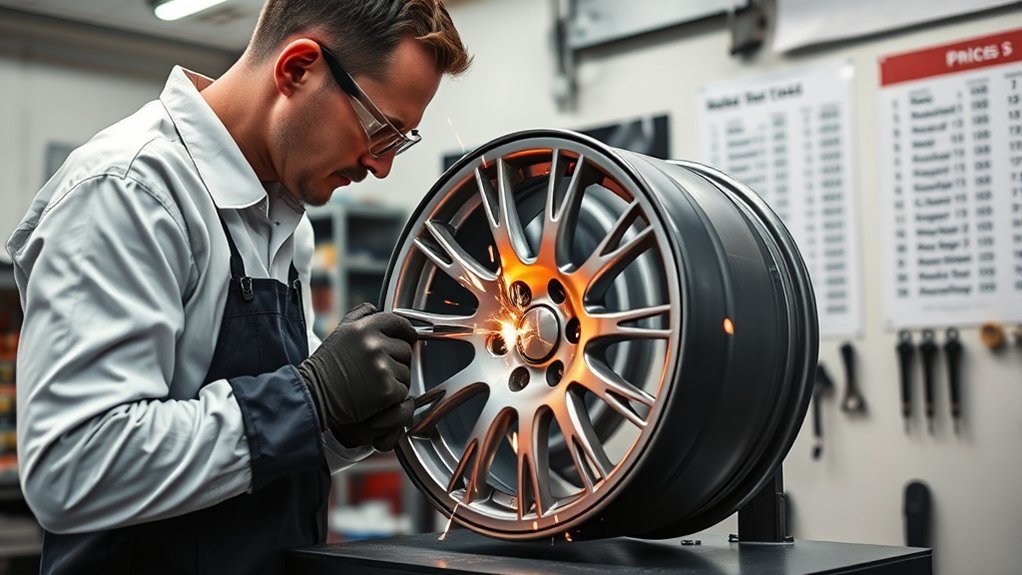
When it comes to alloy wheel welding, knowing the costs upfront helps you make smarter decisions. Prices vary quite a bit based on damage severity and alloy type. Crack repairs are often more affordable, while extensive damage costs more. Technician experience and any add-on services also affect the final bill.
Quick Answer
- Crack repairs typically cost $50–$150 per wheel.
- Full welding jobs range from $50–$400 depending on damage severity.
- Adding wheel straightening costs an extra $75–$150.
- Labor rates reflect the technician’s skill level and can vary between shops.
- Most service providers offer free estimates, so get a few quotes before committing.
Understanding Alloy Wheel Welding
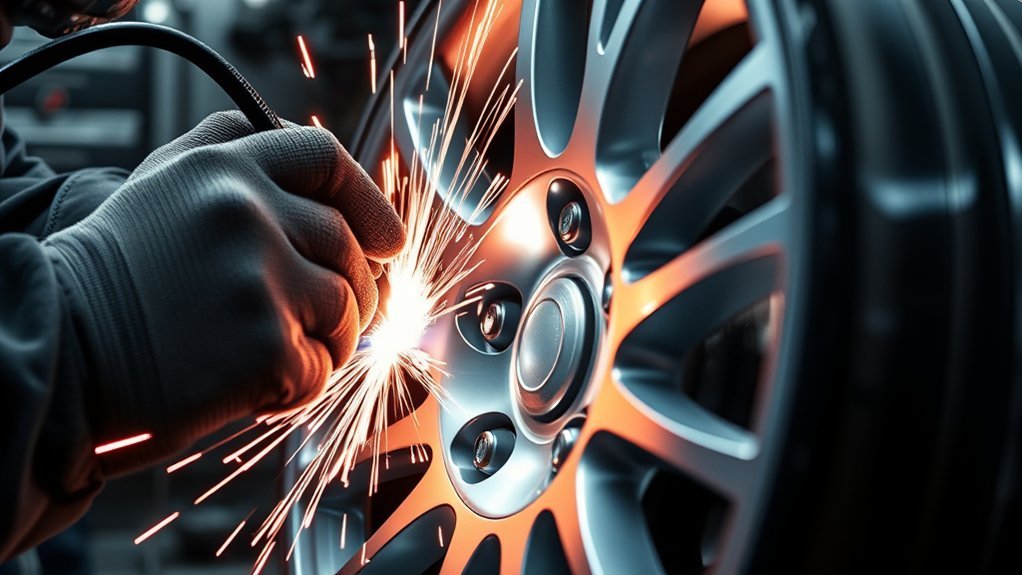
Alloy wheel welding is a specialized repair technique that restores damaged wheels to their original condition. Skilled technicians use welding methods matched to the specific alloy type, which produces a durable, lasting repair. For more context on the different wheel materials and construction styles, see Tire Rack’s wheel repair overview.
Costs for welding typically range from $50 to $150 for crack repairs. The final price depends on damage severity and the alloy type involved. Getting an accurate damage assessment is the first step to finding the most cost-effective solution. Many shops offer free estimates, so take advantage of those before choosing a provider.
Factors Affecting the Cost of Alloy Wheel Welding

Several factors push the cost of alloy wheel welding up or down.
The extent of damage matters most. More severe damage means more repair time and higher costs. Different alloy types also require different welding techniques, and some are more complex to work with than others.
Labor rates vary based on a technician’s skill and experience. More experienced welders often charge more, but the quality of the repair reflects that. If your wheel also needs refinishing or straightening, those services add to the total.
A proper damage assessment keeps surprises off the final invoice. Most shops offer free estimates, so you can compare costs before making a decision.
Products Worth Considering

REPAIRS SCRATCHES AND CURB RASH: Helps repair scratches, scuffs, abrasions and small chips on silver alloy and steel wheels for a cleaner and more even appearance.

Return to Like New - Restores Damaged Metal Wheel Surfaces to a LIKE NEW Appearance

REPAIRS DEEPER DAMAGE & CURB RASH: Designed for advanced rim restoration, this premium kit fills, smooths, and paints over scratches, gouges, and flaked paint for flawless, long-lasting results.
Average Cost of Alloy Wheel Welding

Most alloy wheel welding jobs fall between $50 and $400, depending on how badly the wheel is damaged and what material it’s made from.
A simple crack repair usually runs $50 to $150. If the wheel also needs straightening, add another $75 to $150 on top of that. Labor costs vary by shop and reflect the skill level of whoever does the work.
Free estimates are widely available, and competitive pricing is common among quality shops. Getting two or three quotes gives you a clear picture of fair market rates for your specific repair.
Products Worth Considering
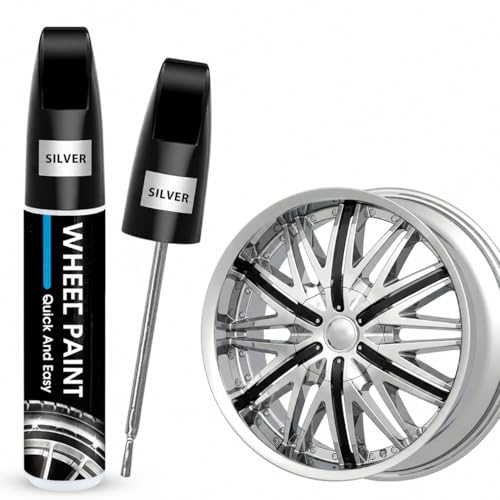
Silver Rim Touch Up Paint – Curb Rash Repair Kit: Quickly fix curb rash and scratches with a rim scratch repair kit. Rim repair kit curb rash restores your wheels' mirror shine and makes them look brand new

Curb Rash & Rim Scratch Repair Solution: Designed as an effective rim repair kit curb rash, this touch up paint repairs curb rash, scuffs, and scratches caused by parking or road contact for quick wheel curb rash repair and everyday wheel maintenance

EASY 3-STEP CURB RASH REPAIR KIT: Sand, clean and apply. This wheel scratch repair kit includes the prep tools and gloss black rim touch up paint needed to cover scratches, scuffs and chips at home without removing the wheel
Repair or Replace? How to Decide
Welding makes sense for most cracks and minor structural damage, but not every damaged wheel is a good candidate for repair.
If the damage is limited to a crack or small fracture and the wheel’s core structure is sound, welding is usually the more cost-effective path. A new replacement alloy wheel often costs $150 to $500 or more per wheel, making repair the better value in most cases.
Consider replacement when the damage is extensive, the wheel is severely bent in multiple areas, or a technician confirms the alloy has weakened beyond safe repair. Safety should always be the deciding factor, since a wheel failure at speed carries serious risk. Ask your technician directly whether the repair will restore full structural integrity.
Products Worth Considering

Direct Fit Replacement Wheel - All Factory Specs: Size - 18x8", Bolt pattern - 5x4.5in / 5x114.3mm, Offset - 55mm, Hub bore - 64.1mm. Factory matching Machined and Gray Painted with Clearcoat finish. Suitable for the following tire sizes: 235/45-18.

COMPLETE ALL-IN-ONE KIT: Contains everything you need—4 replacement wheels, two bolt sizes, spacers, washers, and specialized tools. No need to buy anything else. Start the repair immediately and bring your favorite luggage back to life.

Smooth cam action lever. Durable deep color 5 micron finish in a wide color range. Extruded CNC machined alloy hub nut with large flange.
Choosing a Reliable Alloy Wheel Welding Service
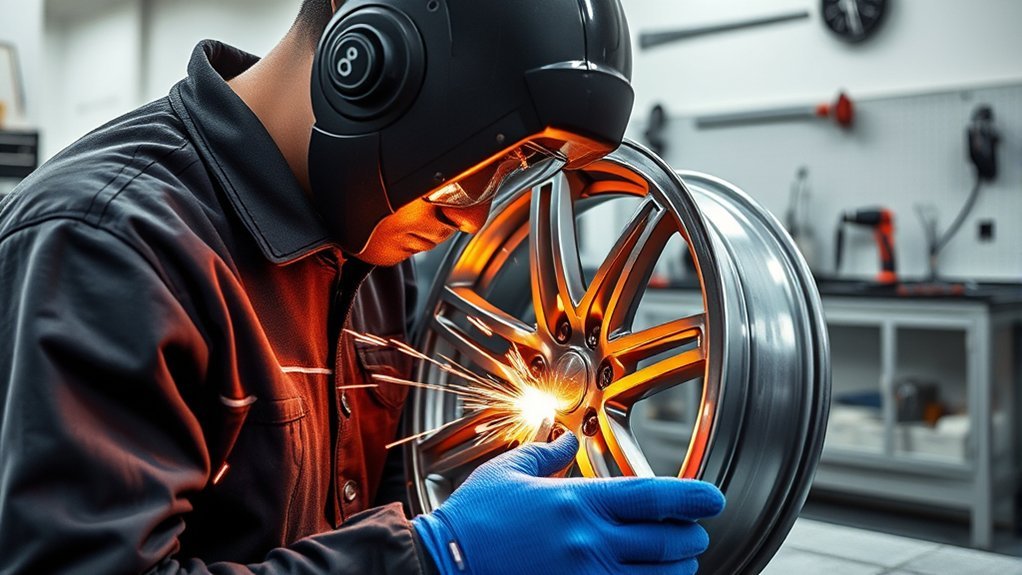
Start by looking at the technician’s experience. Skilled welders produce better, safer repairs. Customer reviews also tell you a lot about whether a shop delivers on its promises. For general guidance on vetting auto repair providers, AAA’s guide to auto repair shops is a helpful reference.
Evaluate the technician’s expertise and customer reviews to ensure you choose a reliable alloy wheel welding service.
A few other things worth checking before you commit:
- Warranty: A solid warranty on the repair gives you peace of mind if something goes wrong.
- Quotes: Ask for itemized quotes based on the specific damage. Vague estimates lead to surprise charges.
- Turnaround Time: Good shops give clear timelines and process work efficiently.
- Expertise: Verify the technician has real experience with alloy wheel welding, not just general metalwork.
Common Questions About Alloy Wheel Welding
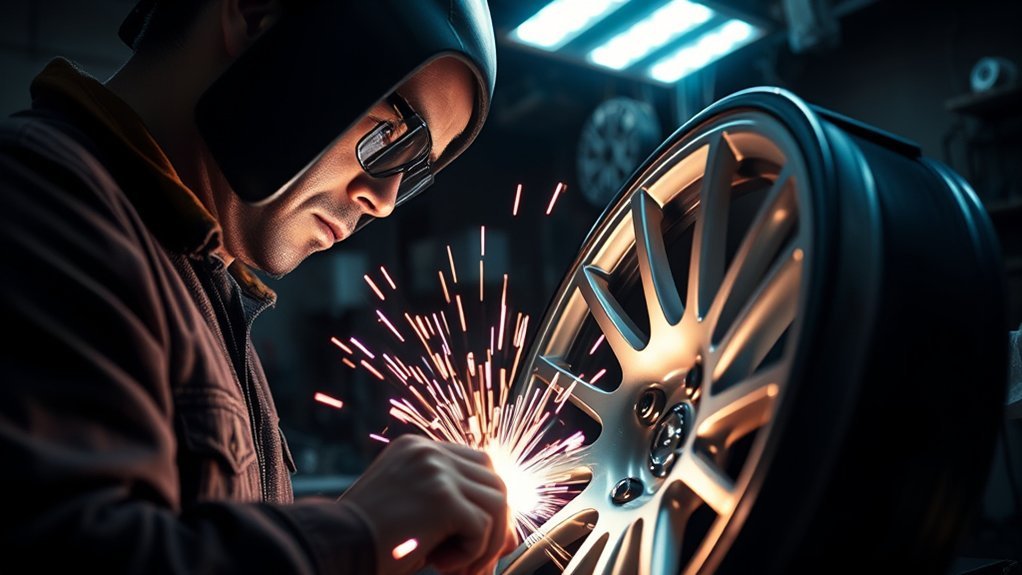
Before you take your wheels in, here’s a quick breakdown of what to expect. Welding costs typically run $50 to $200 per wheel, shaped by damage extent, the technician’s skill, and the welding method used. Free estimates help you plan before spending anything.
| Factor | Details |
|---|---|
| Cost Range | $50 – $200 per wheel |
| Repair Time | A few hours to several days |
| Technician Skill Level | Affects quality and cost |
| Warranty Availability | Guarantees peace of mind on repairs |
Always check customer feedback and ask about warranties before booking. They reflect the quality and longevity of the workmanship. A skilled technician is what stands between a safe, fully restored wheel and one that fails down the road.
Frequently Asked Questions
Can I Weld My Alloy Wheel Myself?
You can weld your alloy wheel yourself, but it requires proper equipment and skills. Mistakes can lead to further damage or safety issues, so consider consulting a professional if you’re unsure about the process.
How Long Does the Welding Process Take?
Welding an alloy wheel typically takes about 1 to 2 hours. Factors like damage severity and preparation can affect the total time, so expect some variability during the process.
Will Welding Affect My Wheel’s Balance?
Yes, welding can affect your wheel’s balance. Proper alignment and rebalancing after the repair are essential. That step helps maintain performance and prevents vibrations that could affect handling.
Is Alloy Wheel Welding Permanent?
Yes, alloy wheel welding can be permanent, with studies showing over 90% effectiveness in restoring structural integrity. The extent of damage and the welding technique both influence how long the repair lasts, so ongoing maintenance matters.
Can All Types of Alloy Wheels Be Welded?
Not all alloy wheels can be welded. Material composition, design, and damage severity all affect weldability. A professional inspection is the only reliable way to know whether your specific wheels are good candidates for repair.
Conclusion
Alloy wheel welding costs vary widely based on damage extent and the type of service needed. Getting free damage assessments from a few shops helps you compare prices and find real value. Choosing a reliable service provider is the most important step, since quality work protects both your vehicle’s performance and your safety over the long run.
