The cost of a welding oxygen bottle varies quite a bit depending on size and material. A new 20 cuft steel cylinder runs around $73.80, while aluminum cylinders start higher. But the purchase price is only part of the picture. Refill costs and where you buy your gas can make a real difference to your long-term budget.
Quick Answer
- New steel oxygen cylinders range from about $73.80 (20 cuft) to $189.80, depending on size.
- Aluminum cylinders run from $84.80 (15 cuft) up to $309.80 (122 cuft).
- Refills typically cost $60 to $70, depending on tank size and local supplier pricing.
- Larger tanks refill less often, making them more cost-effective over time.
Common Welding Gasses and Their Uses
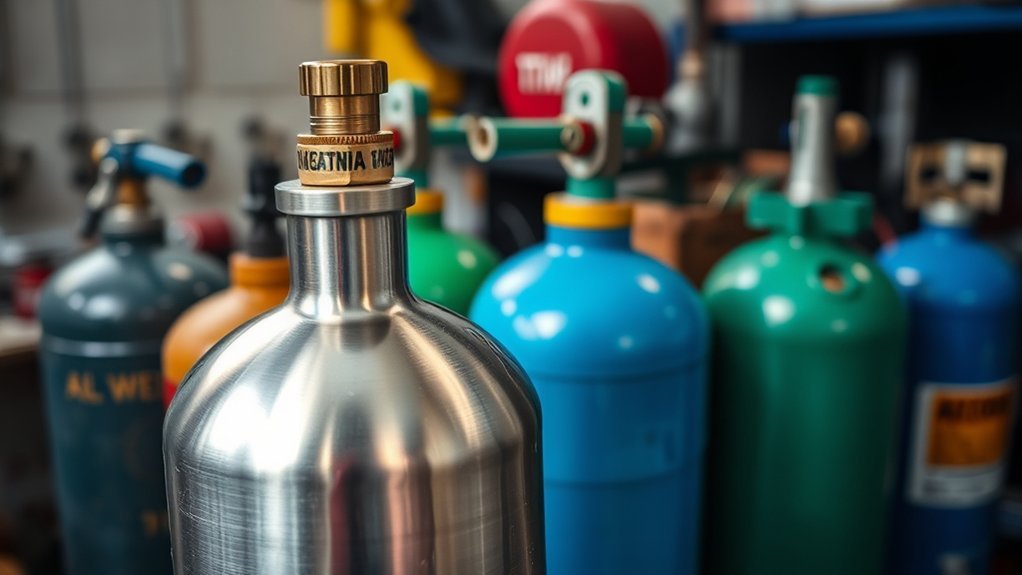
Knowing which gas does what is key to getting good welds. Oxygen (O2) is central to oxy-fuel welding. It boosts flame heat and works alongside acetylene (C2H2), which burns at a very high temperature and handles jobs that need intense, focused heat.
Argon (Ar) is an inert gas used mainly in TIG welding, especially for aluminum. It stabilizes the arc and produces clean, smooth welds. For MIG welding on mild steel, carbon dioxide (CO2) is often blended with argon. This mix improves penetration while keeping the cost down.
Helium (He) is sometimes added to argon in TIG welding. That combination gives deeper penetration, which helps when welding thicker materials. You can find a detailed breakdown of these applications in Lincoln Electric’s shielding gas guide.
Tank Cost
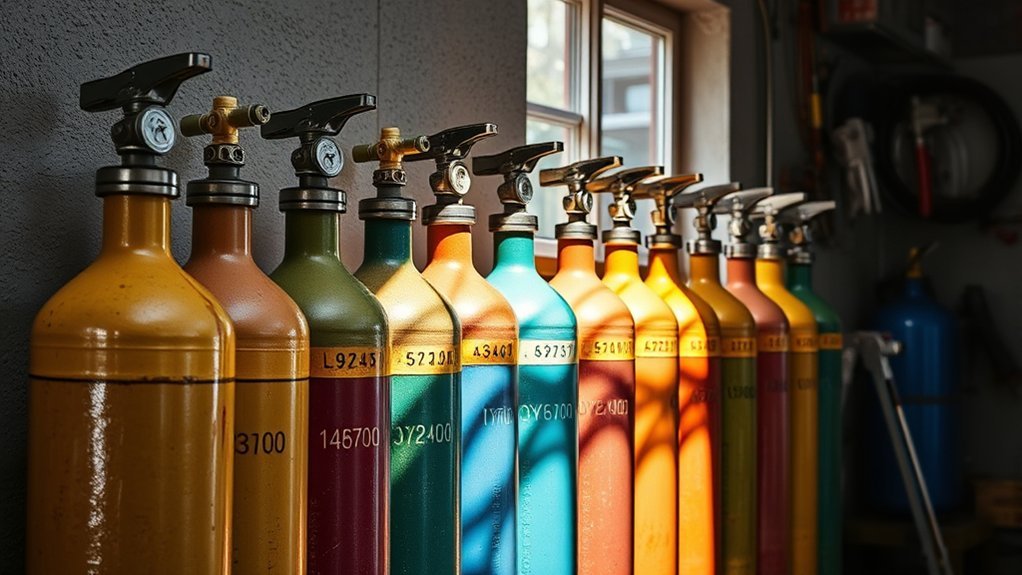
Oxygen tank prices depend on size and material. A new 20 cuft steel cylinder currently retails for $73.80, and a 40 cuft version goes for $114.40. Steel cylinders top out around $189.80 depending on size and type.
Aluminum cylinders cost a bit more. A 15 cuft model starts at $84.80, and a 122 cuft cylinder runs $309.80. A 60 cuft aluminum option was priced at $130.80 but is currently out of stock.
All tanks sold by reputable suppliers come with a valid DOT cylinder regulations stamp and a current hydrostatic test stamp, both of which confirm the tank is safe and ready to use.
Refill Expense
Refills are the ongoing cost that most people underestimate. An 80 CF oxygen tank refill costs around $70, and a 40 CF tank runs about $60. Larger tanks like the 125 CF also cost around $70 per refill, but you fill them less often, which saves money over time.
Keep in mind that refill prices vary by supplier and by your gas agreement. Plan these costs carefully before starting a project. They add up faster than the tank purchase itself.
How to Calculate the Real Cost
To get the full picture, add the purchase price to your expected annual refill costs. The table below shows a simple way to compare options:
| Cylinder Size | Initial Cost | Refill Cost (per year) |
|---|---|---|
| 15 cuft | $84.80 | $420 (6 refills) |
| 40 cuft | $150.00 | $420 (6 refills) |
| 80 cuft | $290.00 | $420 (6 refills) |
| M122 cuft | $309.80 | $420 (6 refills) |
| Total | Varies | $420 |
Your actual refill frequency will depend on how often you weld. Tracking usage from the start helps you avoid surprise expenses down the road.
How Long Will Welding Gas Last?
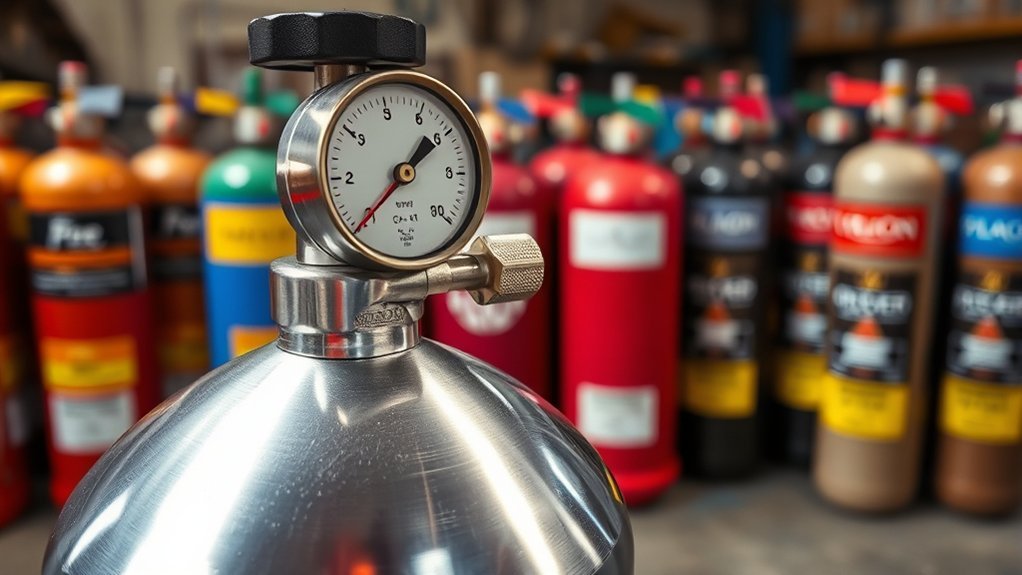
Gas duration comes down to two things: tank size and flow rate. A larger tank at a lower flow rate will last much longer. Getting this right means fewer interruptions and better project planning.
Flow Rate Impact
To estimate how long your gas will last, divide the tank volume (in cubic feet) by your flow rate (in CFH). Flow rates typically range from 10 CFH to 40 CFH. An 80 CF tank at 10 CFH lasts about 8 hours (80 ÷ 10 = 8).
Watch your pressure gauge to track remaining gas. A full tank reads around 2,015 psi. Welding gases don’t expire, but mixed gases can separate if stored for a long time. Gently rolling the tank can help remix them.
Tank Size Considerations
Bigger tanks are generally more economical per hour of use. Here’s a quick comparison at a 10 CFH flow rate:
| Tank Size (cu/ft) | Estimated Duration (hours) | Cost-Effectiveness |
|---|---|---|
| 20 | 2 | Low |
| 40 | 4 | Moderate |
| 80 | 8 | High |
| 125 | 12 | Very High |
Keep an eye on your pressure gauge to stay ahead of running low mid-job.
Where to Buy or Refill Your Gas
You can buy welding oxygen bottles from local gas suppliers or online retailers. Prices vary by cylinder type. Many suppliers also offer refill or exchange services for cylinders you already own. Always confirm the cylinder has a valid DOT stamp and current hydrostatic test stamp before purchasing.
Local Gas Suppliers
Search for local welding gas suppliers in your area. Most carry a range of oxygen cylinders, from around $84.80 for a 15 cuft aluminum cylinder to about $187.60 for a 125 cuft steel cylinder. Refill services are common, with costs around $60 for 40 cuft tanks and $70 for 80 cuft tanks.
Ask about exchange and refill policies before buying. Some suppliers only accept their own cylinders for exchange. Rental options may also be available if you don’t want to commit to a purchase.
Online Purchasing Options
Online suppliers offer a wide range of aluminum cylinders, from $84.80 for a 15 cuft up to $309.80 for a 122 cuft. Retailers like Gas Cylinder Source offer both purchase and lease options, with exchanges done at designated locations. Refill services are available too, typically around $70 for an 80 CF tank.
Always confirm the supplier provides valid DOT and hydrostatic test stamps with any cylinder they sell.
| Cylinder Size | Purchase Price | Refill Fee |
|---|---|---|
| 15 cuft | $84.80 | N/A |
| 30 cuft | $149.80 | N/A |
| 80 cuft | N/A | $70 |
| 122 cuft | $309.80 | N/A |
| Lease Option | Varies | N/A |
Alternatives to Shielding Gas
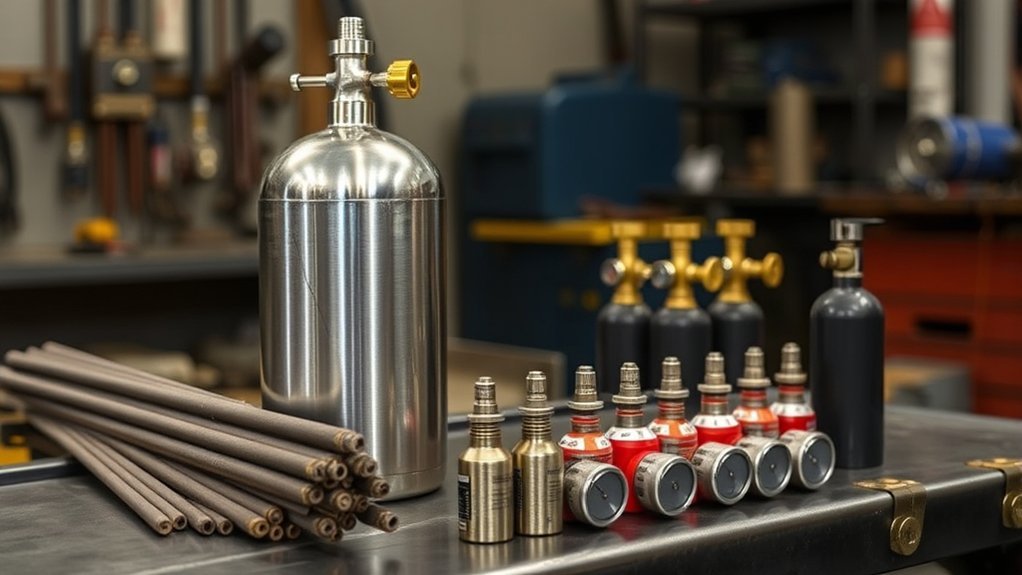
Not every welding job needs a gas cylinder. Self-shielded flux-cored wire works with MIG welders and cuts out the need for gas entirely. Stick welding (SMAW) is another option that requires no shielding gas, which keeps costs low for many basic projects.
For TIG welding, a mix of argon and helium can outperform pure argon when deeper penetration is needed. MIG welding with flux-cored wire also provides good protection from atmospheric contamination, especially outdoors.
In some setups, solid wire combined with shielding flux can replace external gas entirely, simplifying your equipment and cutting costs. These alternatives are worth considering depending on the material and environment you’re working in.
Frequently Asked Questions
Can I Rent a Welding Oxygen Bottle Instead of Buying One?
Yes. Many suppliers offer rental options, which lowers your upfront cost while still giving you the equipment you need for your projects.
What Safety Equipment Is Needed When Using a Welding Oxygen Bottle?
You’ll need safety goggles, gloves, flame-resistant clothing, and a face shield. Make sure the area is well-ventilated, and keep a fire extinguisher within reach. Follow all posted safety protocols to reduce risk.
How Do I Properly Store a Welding Oxygen Bottle?
Store the bottle upright in a cool, well-ventilated space, away from flammable materials. Secure it so it can’t tip over, and keep the valve cap on when the bottle isn’t in use.
Are There Regulations for Transporting Welding Oxygen Bottles?
Yes. Cylinders must be transported upright with caps secured and in appropriate vehicles. Follow OSHA and DOT guidelines to stay compliant and safe during transport.
Can I Use a Welding Oxygen Bottle for Other Purposes?
No. These bottles are designed specifically for welding use. Using them for other purposes creates safety hazards, risks equipment damage, and can lead to regulatory violations.
Conclusion
Budgeting for a welding oxygen bottle means looking at both the purchase price and the ongoing refill costs. Comparing cylinder sizes, local suppliers, and refill frequency gives you a clearer total cost. The right tank for your workload will keep your projects running without unnecessary expense.