
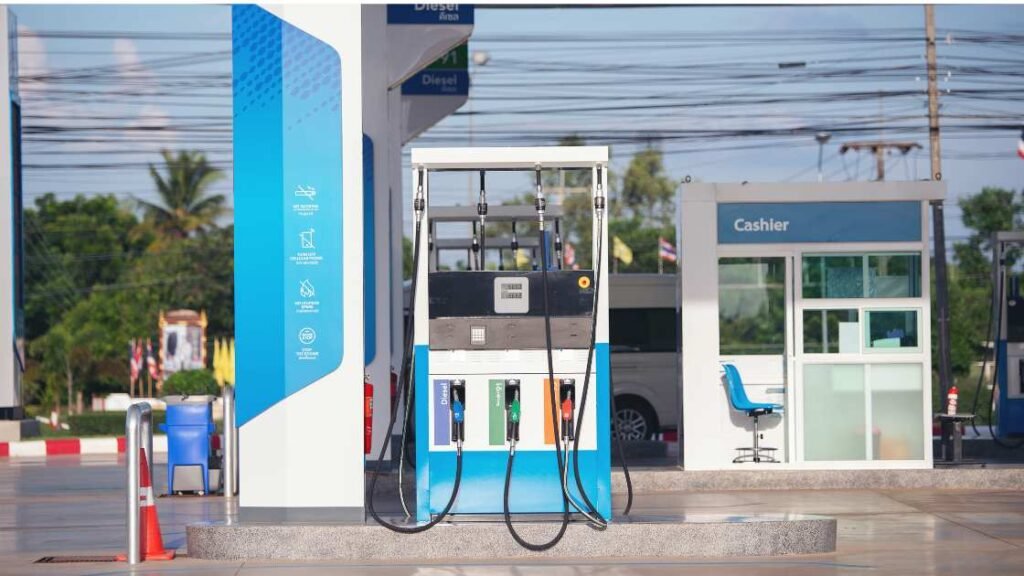
The cost to build a gas station in 2026 is roughly $2.2 million to $3.2 million for a standard U.S. site with a convenience store. Fuel-only or kiosk formats can cost about $1 million to $2 million, while larger foodservice sites and travel centers run from about $3.5 million to $14 million or more. Land, difficult site work, contamination, and local permitting can push the total much higher.
Those figures are planning benchmarks, not bids. Current contractor guides place a typical 3,000- to 3,500-square-foot convenience store with fuel in the low-to-mid $2 million range, but the exact scope matters: some estimates include site work and fuel infrastructure but exclude the land purchase itself. Before buying property, separate land, site development, building, fuel system, permits, environmental work, equipment, inventory, and contingency in your budget.
Figures checked: October 25, 2026. This guide was refreshed using current 2026 construction benchmarks, U.S. EPA underground-storage-tank requirements, NACS fuel-margin data, and recent public project filings.
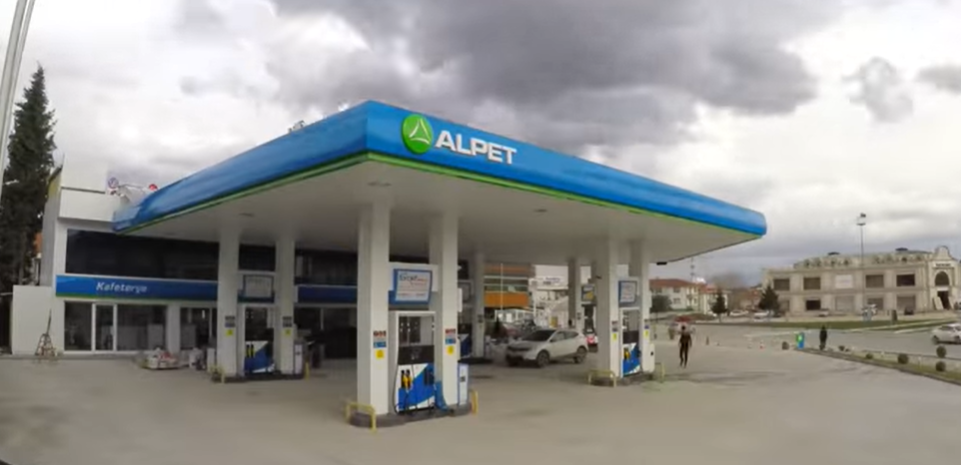
The biggest cost swings usually come from the property, civil work and utilities, underground storage tanks (USTs), dispensers and canopy, store size, foodservice, and environmental conditions. Fuel branding can also change equipment and image requirements, but a branded fuel agreement is not always the same thing as a convenience-store franchise.
How Much Does It Cost to Build a Gas Station in 2026?
A realistic starting point is to budget by station format rather than rely on one national average. Current 2026 contractor benchmarks put small fuel/kiosk projects around $1 million to $2 million, standard convenience-store-and-fuel builds around $2.2 million to $3.2 million, and larger c-store or travel-center projects at roughly $3.5 million to $14 million or more, depending on scope. Treat these as planning ranges and obtain local bids before financing or buying land.
| Gas Station Format | 2026 Planning Range | What Changes the Cost |
|---|---|---|
| Fuel-only or kiosk | About $1.0M-$2.0M | Small building or no full c-store; tanks, dispensers, canopy, concrete, controls, and site work still make the forecourt expensive. |
| Standard c-store + fuel | About $2.2M-$3.2M | Typical retail building, restrooms, coolers, parking, fuel infrastructure, utilities, permits, and commissioning. |
| Large c-store + foodservice | About $3.5M-$5.5M | Larger footprint, kitchen equipment, more HVAC/electrical capacity, more parking, and a larger forecourt. |
| Travel center / major format | About $4.8M-$14M+ | More fueling positions, diesel lanes, large store, restaurant/QSR, showers, car wash, truck circulation, and heavier civil work. |
Planning note: These ranges synthesize current 2026 contractor benchmarks. Land acquisition, unusual utility extensions, remediation, financing costs, and local impact fees may sit outside a quoted construction scope.
What Does a Typical Gas Station Build Include?
A ground-up project is more than a retail building. It usually combines a convenience-store shell and interior, parking and access drives, drainage, utilities, a fuel canopy, dispensers, USTs and piping, leak-detection equipment, point-of-sale systems, security, signage, testing, and final inspections. Adding a car wash or quick-service restaurant should be budgeted as a separate revenue center because it can materially increase both construction and operating costs.
Key Factors Influencing Costs
Five variables drive most budget differences:
- Location and land: High-traffic sites can cost more and may require road, drainage, or utility improvements.
- Station size: More square footage, parking, fueling positions, and storage capacity increase both building and site costs.
- Fuel infrastructure: USTs, piping, dispensers, monitoring, under-dispenser containment, canopy, and concrete are specialized systems.
- Regulatory compliance: Federal UST rules apply, while state and local zoning, fire, environmental, building, and weights-and-measures requirements vary.
- Additional amenities: Foodservice, car washes, EV charging, larger cooler walls, or truck fueling can change the project from a standard c-store into a much larger development.
Use these categories to compare contractor bids on the same scope. A low headline estimate is not useful if it excludes land, utility work, tanks, store equipment, or environmental risk.
Breaking Down the Gas Station Development Budget
Build the budget in the same order you would de-risk the project: confirm the site first, then approvals, then construction and fuel equipment. Buying land before checking zoning, access, utilities, and environmental history can turn a cheap parcel into an expensive mistake.
Choosing the Right Location

A strong site needs more than traffic. Check whether vehicles can enter, circulate, fuel, park, and exit safely without creating a queue on the road.
- Visibility: Drivers should see the station and price sign early enough to enter safely.
- Access: Confirm curb cuts, turn restrictions, road-median effects, delivery access, and room for tanker trucks.
- Competition: Compare nearby fuel prices, c-store offers, foodservice, and traffic patterns.
- Utilities and drainage: Extending power, water, sewer, or stormwater systems can add major site costs.
- Environmental history: Prior fuel, automotive, industrial, or dry-cleaning uses can trigger more due diligence and possible remediation.
Land price alone is therefore a poor site-selection metric. Compare total development cost and operating potential, not just the purchase price.
Understand Local Regulations
Federal UST rules are only one layer of compliance. State, county, and city requirements determine much of the actual approval path. Before finalizing the site, confirm:
- Zoning or conditional-use approval for motor-fuel sales.
- Building, fire, electrical, plumbing, signage, driveway, and stormwater requirements.
- UST notification, installation, inspection, and operator requirements with the state implementing agency.
- Weights-and-measures certification for dispensers and any local fuel-retail licensing.
- Health or food-service approvals if the store will prepare food.
Do not assume one national permit checklist applies everywhere. The U.S. Small Business Administration notes that state and local licenses and fees depend on the business activity and location.
Securing Permits and Licenses
Permitting affects both cost and schedule. A gas station may need land-use approval, building permits, fire review, UST approvals or notifications, dispenser certification, stormwater approvals, and operating licenses. Some jurisdictions add traffic studies, impact fees, landscaping standards, or environmental review.
Because the permit stack varies by location, ask the local planning department and state UST agency for a written list before closing on the property. This also helps contractors price the same scope and reduces change orders later.
Primary Gas Station Construction Costs
The building is only one part of the budget. Fuel infrastructure and heavy site work can rival the store itself. The table below shows an illustrative 2026 budget for a standard ground-up c-store project based on a current contractor benchmark; local bids can differ substantially.
| Cost Component | Illustrative Range | Budget Note |
|---|---|---|
| Site work, utilities, parking | $150,000-$250,000 | Grading, access, drainage, utility connections, paving, and parking. |
| Building shell | $700,000-$950,000 | Foundation, frame, roof, and exterior envelope. |
| HVAC, plumbing, and mechanical | $320,000-$500,000 | Restrooms, hot water, ventilation, cooling, and foodservice loads where applicable. |
| Electrical and lighting | $150,000-$250,000 | Building power, canopy/site lighting, controls, and service capacity. |
| Fuel dispensers | $180,000-$240,000 | Example range for a larger standard forecourt; count, brand, payment hardware, and installation change the number. |
| USTs and fuel piping | $200,000-$350,000 | Tank system, piping, monitoring, excavation, and related installation work. |
| Store fixtures and equipment | $50,000-$150,000+ | Coolers, shelving, registers, and basic store equipment; foodservice can add much more. |
| Permits, testing, environmental work | $100,000-$150,000 | Illustrative clean-site allowance; remediation can increase this sharply. |
| General conditions and contingency | $200,000-$350,000 | Project management and reserve for unknowns and scope changes. |
Important: This is not a universal estimating template. It is a planning example from a 2026 contractor cost breakdown and should be replaced by site-specific bids before you commit capital.
Building the Store and Amenities
The convenience store affects cost through its size and operating model. A basic grab-and-go store needs a shell, restrooms, coolers, shelving, POS, HVAC, electrical, plumbing, and security. A serious foodservice program adds kitchen equipment, grease handling, ventilation, fire suppression, extra plumbing, and more electrical capacity.
- Basic retail: Lower mechanical load and simpler interior build-out.
- Large cooler wall: More refrigeration equipment and electrical demand.
- Prepared food: More kitchen, fire-suppression, plumbing, and ventilation costs.
- Car wash or QSR: Treat as a separate project scope rather than a small add-on.
Design the revenue model before finalizing the building. Changing from a simple store to hot food late in design can force expensive mechanical and electrical revisions.
Installing Fuel Tanks and Pumps
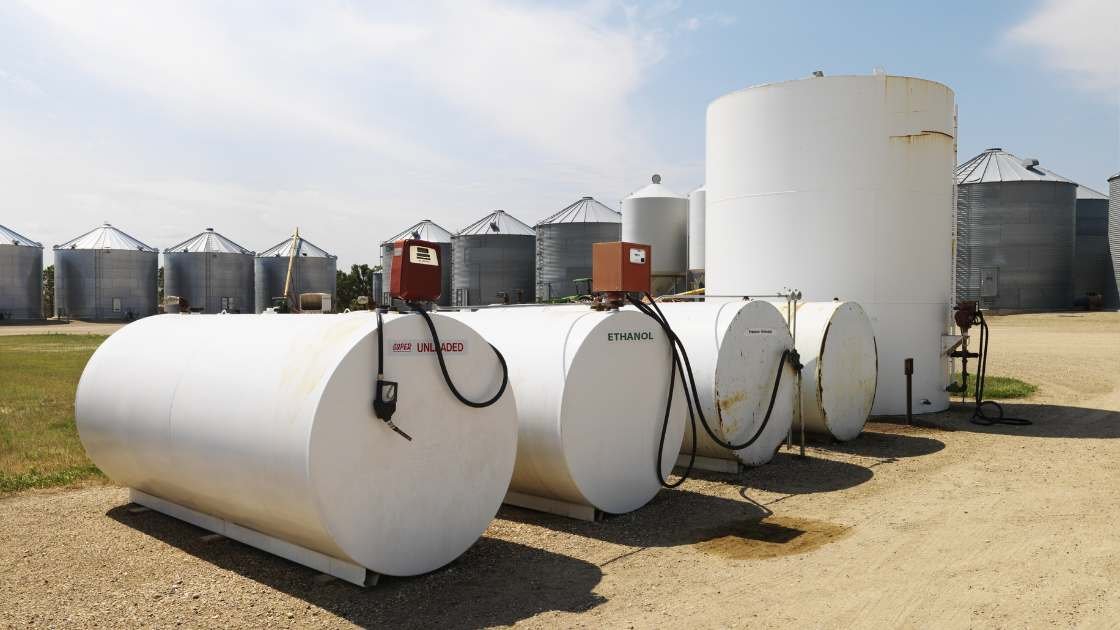
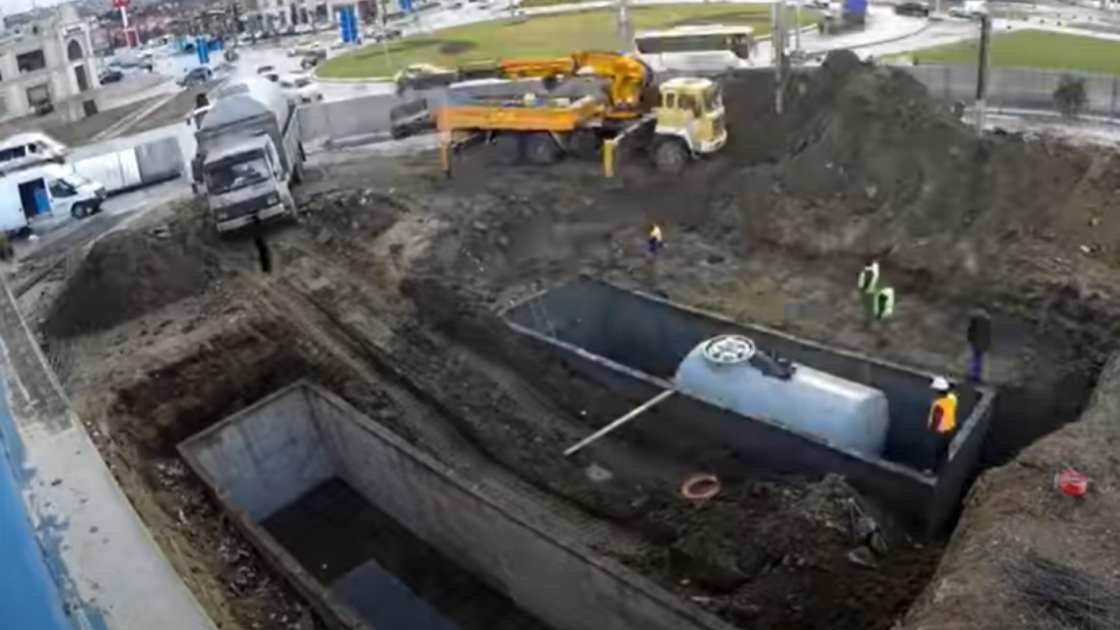
Fuel storage and dispensing are specialized, regulated systems. Under current federal U.S. rules, owners and operators installing or replacing tanks and piping generally must use secondary containment and interstitial monitoring. New dispenser systems also require under-dispenser containment. State rules can be more stringent, so confirm the implementing agency’s requirements for the project location.
| Tank Installation | Pump Installation |
|---|---|
|
|
Price the entire forecourt as one coordinated package. Tanks, piping, dispensers, electrical work, monitoring, concrete, canopy, and controls interact, so omissions in one trade can create expensive change orders in another.
Technology and Security Systems
A modern station also needs payment, inventory, monitoring, and security systems. Budget for both hardware and recurring software/service costs:
- Point of Sale (POS): Store checkout, pump authorization, payment processing, and reporting.
- Fuel and inventory management: Tank monitoring, reconciliation, pricing, and store inventory controls.
- Security cameras and alarms: Coverage for the store, forecourt, cash-handling areas, and exterior approaches.
- Network and backup: Reliable internet, segmented networks, cybersecurity controls, and backup procedures for payment operations.
Choose technology early enough to coordinate power, data cabling, camera locations, dispenser interfaces, and back-office space with the construction drawings.
Additional Financial Considerations

Construction is not the full capital requirement. Environmental due diligence, insurance, financing, initial inventory, fuel inventory, franchise or branding obligations, and working capital can sit outside a contractor’s build price. Separate these items before deciding whether a site is financially viable.
Environmental Due Diligence
A Phase I Environmental Site Assessment (ESA) is commonly used during commercial real-estate due diligence to identify recognized environmental conditions. It is not automatically a construction permit in every jurisdiction. If the Phase I identifies concerns, additional Phase II sampling may be recommended. Costs vary with property size, history, location, records access, sampling scope, and contamination findings, so obtain a site-specific environmental proposal instead of relying on one national price.
For a former or existing fuel site, environmental risk deserves special attention because older releases may be discovered during tank removal or redevelopment. The U.S. EPA’s UST resources note that releases can be identified during closure and removal even when no active leak is known.
Insurance and UST Financial Responsibility
Insurance may include property, general liability, workers’ compensation, crime, cyber, and pollution-related coverage. Separately, federal UST rules require financial responsibility for covered petroleum USTs. EPA lists $1 million per occurrence for petroleum producers, refiners, or marketers; certain nonmarketers with throughput of 10,000 gallons per month or less may qualify for a $500,000 per-occurrence amount. State programs and lenders can impose additional requirements.
Confirm the exact insurance and financial-assurance structure before opening because coverage is not just an operating expense; it can be a condition of regulatory compliance and financing.
Brand Affiliation and Fees
Do not treat every branded gas station as a franchise. Fuel branding is often structured through a supply, image, or dealer agreement, while a convenience-store or foodservice banner may use a franchise model. The cost structure therefore depends on the agreement you sign.
| Operating Model | Typical Cost Structure | What to Verify |
|---|---|---|
| Branded fuel dealer | Fuel-supply terms, image requirements, equipment standards, and possible brand-related charges. | Contract term, fuel pricing formula, image upgrades, required vendors, rebates, and termination terms. |
| C-store franchise | May include an initial fee, royalties, advertising contributions, required systems, and store standards. | Current franchise disclosure document and total required investment. |
| Independent station | No franchise royalty, but the owner carries more responsibility for sourcing, marketing, systems, and brand development. | Fuel supply, card processing, signage, loyalty, purchasing power, and marketing costs. |
Compare agreements on total economics, not just the upfront fee. A lower entry cost can be offset by required upgrades, supply terms, royalties, or operating restrictions.
Operational Expenses After Construction
Opening day does not end the cash requirement. A station needs working capital for payroll, utilities, card fees, maintenance, insurance, fuel deliveries, store inventory, software, waste service, and repairs. Build an operating model with local quotes instead of carrying generic national maintenance numbers into the pro forma.
Staffing and Training
Labor depends on store hours, foodservice, local self-service rules, security needs, and management structure. Budget for:
- Wages and payroll taxes: Use local wage data and the actual staffing schedule.
- Benefits: Health, retirement, paid leave, or other benefits offered by the business.
- Training: POS, safety, age-restricted sales, food handling where applicable, emergency response, and UST operator duties required by the implementing agency.
Maintenance and Upkeep

Maintenance costs vary too much by equipment age, service contract, climate, traffic, and store size to use one fixed monthly number. Budget by system and obtain recurring-service quotes before opening.
| Area | Recurring Work | How to Budget |
|---|---|---|
| Fuel system | Dispenser service, filters, leak-detection equipment, sumps, spill prevention, testing, and emergency repairs. | Get a petroleum-equipment service agreement and separate required regulatory testing from normal repairs. |
| Store | Cleaning, refrigeration, HVAC, plumbing, doors, POS, pest control, and food equipment where applicable. | Use vendor contracts plus a repair reserve based on equipment age and warranty coverage. |
| Forecourt and site | Concrete/asphalt repair, striping, lighting, landscaping, snow/ice service where relevant, trash, and drainage maintenance. | Price seasonal services locally and reserve for larger pavement and lighting repairs. |
Utilities, Payment Costs, and Services
A gas station has higher electrical and network demands than a simple retail box, especially with large cooler walls, exterior lighting, foodservice, or car washes. Common recurring costs include:
- Electricity for refrigeration, HVAC, canopy/site lighting, pumps, and store equipment.
- Water and sewer for restrooms, cleaning, foodservice, and car-wash operations where applicable.
- Waste, grease, recycling, pest-control, and landscaping services.
- Internet, POS software, tank-monitoring services, alarm monitoring, and cybersecurity tools.
- Card-processing costs. NACS reports that card fees averaged 8.4 cents per gallon in 2024, showing why payment expense belongs in the fuel-margin model.
Model these costs against projected gallons and inside sales. A station can show a healthy fuel markup while producing much less net profit after card fees, distribution, labor, utilities, and other operating expenses.
Real-World Gas Station Project Examples
Public project filings show why a single national average can mislead. Permit or filing values are useful reference points, but they are not automatically the same as an all-in development budget. A filing may exclude land, financing, inventory, off-site work, owner-supplied equipment, or other soft costs.
Recent 2026 Project Filings
| Project | Reported Project Value | Scope |
|---|---|---|
| Murphy USA, McPherson Road, Laredo, Texas | About $1.1 million | Reported 2,817-square-foot convenience store and gas station project. Use this as a permit/project reference, not a universal all-in benchmark. |
| Stripes gas station, Guadalupe Street, Laredo, Texas | About $1.2 million | Reported 4,889-square-foot building and fuel station project, including grading work in the filing. |
| Nuevo Truck Stop, Mines Road, Laredo, Texas | About $8 million | Reported 9,923-square-foot c-store plus an eight-pump fuel canopy and a separate nine-pump high-speed diesel canopy. |
These examples are intentionally shown with scope because the number alone is easy to misuse. A $1.1 million permit value for a compact store is not evidence that a complete modern station, including land and every fuel-system cost, can always be built for that amount.
Why Budgets Vary So Much
| Factor | Description | Cost Impact |
|---|---|---|
| Land and site conditions | Purchase price, demolition, soil, groundwater, drainage, utilities, and road access differ by parcel. | Can move the project by hundreds of thousands or millions of dollars. |
| Fueling capacity | More tanks, grades, dispensers, diesel lanes, canopy area, and monitoring equipment increase specialized work. | Raises equipment, electrical, concrete, piping, and commissioning costs. |
| Store and foodservice | A basic c-store is very different from a large foodservice operation. | Larger kitchens and cooler walls increase building, HVAC, electrical, plumbing, and fire-suppression costs. |
| Environmental condition | Prior contamination or older fuel infrastructure can require sampling, removal, and remediation. | Can create major unplanned cost and schedule risk. |
| Local approvals | Zoning, traffic, stormwater, fire, signage, UST, and utility requirements vary. | Changes soft costs, off-site improvements, fees, and timeline. |
For feasibility, compare your site against projects with a similar store size, fueling layout, jurisdiction, and environmental condition. National averages are useful only for the first pass.
Frequently Asked Questions
How Much Does It Cost to Build a Gas Station in 2026?
For a standard new U.S. convenience store with fuel, a practical 2026 planning range is about $2.2 million to $3.2 million. Smaller fuel-only or kiosk formats can be closer to $1 million to $2 million, while larger c-stores, foodservice sites, and travel centers can run from roughly $3.5 million to $14 million or more. Confirm whether land, remediation, off-site work, inventory, and financing are included in any quote.
What Is the Most Expensive Part of Building a Gas Station?
There is no single cost category that is always the largest. The building, fuel forecourt, underground tanks and piping, site work, utilities, and land can each dominate depending on the project. Environmental remediation can also become a major cost if contamination is found. Compare bids by scope instead of assuming the store building is the whole project.
How Long Does It Take to Build a Gas Station?
A complete development can take roughly 6 to 24 months or more from planning through opening. Straightforward construction may take only several months, but zoning, permits, UST approvals, utility coordination, environmental remediation, equipment lead times, inspections, and weather can extend the schedule.
What Permits Do You Need to Build a Gas Station?
Requirements vary by state and municipality, but a project commonly needs zoning or land-use approval, building and fire permits, UST notifications or permits, stormwater or environmental approvals where applicable, dispenser or weights-and-measures certification, signage approval, and business or fuel-retail licenses. Foodservice adds health-department requirements. Confirm the exact list with the local planning department and state UST agency.
How Profitable Is Owning a Gas Station?
Profitability depends on fuel volume, wholesale pricing, card costs, labor, rent or debt service, and higher-margin inside sales. NACS reports that the 2025 gasoline gross margin was 39.7 cents per gallon before expenses, while retailer expenses to sell fuel are about 20-25 cents per gallon. That is why fuel markup should not be confused with take-home profit.
Related guides: compare with the cost to build a tunnel car wash, the cost to build 100 storage units, and the cost to build a hotel for other commercial site budgets.
Sources and Method
The cost ranges in this guide are planning benchmarks, not contractor bids. They were cross-checked against current construction-industry estimates, federal UST requirements, fuel-retailing data, and recent public project reports:
- Terrapin Construction Group: Convenience Store & Gas Station Construction Cost (2026)
- Buildermuse: Gas Station Construction Cost (2026)
- U.S. EPA: Secondary Containment and Under-Dispenser Containment Requirements
- U.S. EPA: Resources for UST Owners and Operators
- NACS: Key Facts About Fueling
- CommTank: Gas Station Construction Timeline
- Laredo Morning Times: Murphy USA project filing
- Laredo Morning Times: Guadalupe Street gas station project
- Laredo Morning Times: Nuevo Truck Stop project filing
Conclusion
For a standard new U.S. gas station with a convenience store, start feasibility work around a $2.2 million to $3.2 million 2026 construction benchmark, then adjust for land, site work, store size, fuel capacity, foodservice, local permitting, and environmental conditions. Do not approve a project from a national average alone. Before buying the site, confirm zoning and access, complete environmental due diligence, get the state UST requirements, and collect comparable bids that clearly state what is included and excluded.

4 thoughts on “How Much Does It Cost to Build a Gas Station?”
Pingback: How Much Does It Cost To Make A Rolex | Expert Guide Unveiling The 24-Karat Secrets: The Golden Essence Of Crafting A Rolex Timepiece
Pingback: How Much Does It Cost To Build A House Colorado? Expert Tips
Pingback: How Much Does It Cost To Replace A Furnace?
Pingback: How Much Does It Cost To Build A Digital Billboard? Expert