

Last updated: July 8, 2026
In 2026, the cost to install solar panels on a U.S. home commonly ranges from about $12,000 to $37,000 before local incentives, depending on system size, roof conditions, equipment, labor, and your utility rules. A typical 8kW residential system averages around $24,800, while smaller systems can cost much less and larger systems can cost more.
The biggest cost drivers are system size, cost per watt, roof complexity, inverter choice, permitting, and whether you add battery storage. The federal Residential Clean Energy Credit is not available for property placed in service after December 31, 2025, according to the IRS, so 2026 buyers should confirm state, local, and utility incentives before signing a solar contract.
What’s in This Article
- Quick Answer
- Introduction To Solar Panel Installation
- Solar Panel Cost By System Size
- Factors Influencing Solar Panel Costs
- Average Cost Breakdown
- Geographical Impact
- Financing Options
- Government Incentives And Rebates
- Cost-saving Tips
- Long-term Financial Benefits
- Common Misconceptions
- Frequently Asked Questions
Quick Answer
Most U.S. homeowners should budget roughly $12,000 to $37,000 for a solar panel installation before local incentives. The cost depends mainly on system size: a 4kW system may cost about $11,000 to $14,000, while a 10kW system may cost about $27,000 to $31,500 before incentives. Always compare at least three quotes and ask each installer to show the price per watt, equipment brand, warranty, permitting fees, interconnection fees, and battery cost separately.
| System Size | Typical Annual Output | Average Cost Range Before Local Incentives | Best Fit |
|---|---|---|---|
| 4kW | About 6,000 kWh | $10,960 – $13,560 | Low-usage homes or partial bill offset |
| 5kW | About 7,500 kWh | $13,700 – $16,950 | Small to mid-size homes |
| 6kW | About 9,000 kWh | $16,440 – $20,340 | Moderate electricity use |
| 8kW | About 12,000 kWh | $21,920 – $25,200 | Average U.S. household planning range |
| 10kW | About 15,000 kWh | $27,400 – $31,500 | High-usage homes |
| 12kW | About 18,000 kWh | $32,880 – $37,800 | Large homes or heavy electric use |
Planning note: Output depends on your roof direction, shade, climate, panel efficiency, and local sun hours. Use this table as a starting point, not a final quote.
Introduction To Solar Panel Installation

Installing solar panels can lower your electric bill, reduce your use of grid power, and help protect you from future utility-rate increases. But the upfront price is high enough that you should understand the full cost before you request quotes.
A solar quote should show more than one total number. It should break down the system size, price per watt, panel brand, inverter type, roof work, permits, utility interconnection, monitoring, warranties, and any optional battery storage.
Products Worth Considering

【Efficient Performance】This Starter Kit can generate an average of 500Wh of electricity per day (varies with sunlight). The solar panel boasts a 22.5% cell efficiency, 1.3% higher than other counterparts. Each panel dispatched from our facility undergoes 100% EL testing, ensuring that your panel is completely free from any hidden cracks.
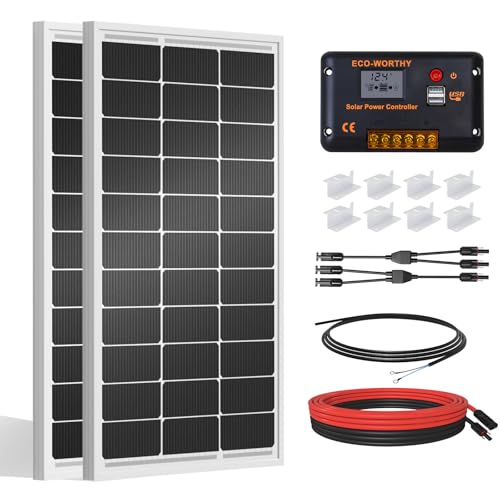
[Wide Application]: Daily Output 800wh/day under 4 hours full sunshine condition. Perfect for RV, Caravan, Marine, Camper, Electric scooter, Golf Carts, Power wheels, Trolling motor, Tool trailer, Backup power supply for cabin shed home etc.
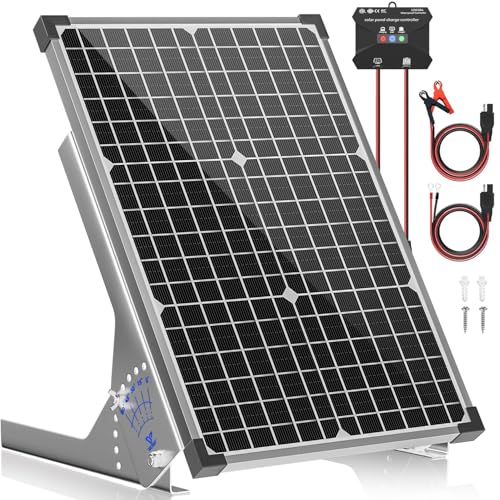
Robust & Durable:Our solar panel charger is meticulously crafted from high-quality aluminum alloy, tempered solar glass surface and corrosion-resistant aluminum alloy frame, make this solar panel well built for 25 years.IP67 waterproof and rust-proof solar panel battery charger with mounting brackets can withstand all severe weather conditions such as sandstorm, strong wind, thunderstorm, blizzard, hail, and can withstand up to 2400Pa wind pressure and 5400Pa snow load.
Why Choose Solar?
Solar can make sense when your roof gets strong sunlight, your electricity rates are high, and your utility offers fair credit for excess power. It can be less attractive if your roof is shaded, your roof needs replacement soon, or your financing terms erase most of the savings.
Benefits Of Solar Energy
Solar energy can offer several practical benefits:
- Lower monthly bills: A properly sized system can offset part or most of your electricity use.
- Cleaner energy: Solar panels generate electricity without fuel combustion at your home.
- Low routine maintenance: Most systems need basic monitoring and occasional cleaning.
- Potential resale appeal: Owned systems may help in some markets, while leased systems can complicate a sale.
Here is a practical cost breakdown for a typical residential solar project:
| Component | Typical Cost Role |
|---|---|
| Solar Panels | Major hardware cost; varies by brand, efficiency, and wattage |
| Inverter | Converts solar power into usable home electricity |
| Racking And Mounting | Secures the panels to your roof or ground mount |
| Labor | Covers design, installation, electrical work, and project management |
| Permits And Interconnection | Covers local approval, inspection, and utility connection |
| Battery Storage | Optional add-on that can increase the total project cost significantly |
Ask each installer to separate solar-only pricing from battery pricing. This makes quotes easier to compare and helps you avoid paying for storage you may not need.
Solar Panel Cost By System Size
System size has the biggest impact on your solar installation cost. A larger system costs more upfront because it uses more panels, more mounting hardware, and more electrical equipment. It may also save more over time if your home uses enough electricity to justify the added capacity.
| Home Energy Use | Likely System Size | Budget Before Local Incentives | What To Check |
|---|---|---|---|
| Low use | 4kW – 5kW | About $11,000 – $17,000 | Will it offset enough of your bill? |
| Average use | 6kW – 8kW | About $16,000 – $25,000 | Does your roof have enough sunny space? |
| High use | 10kW – 12kW | About $27,000 – $38,000 | Will your utility approve the system size? |
To estimate your own size, review 12 months of electric bills and add up your annual kWh use. Then ask installers to show how much of that use the proposed system will cover in a normal weather year.
Products Worth Considering
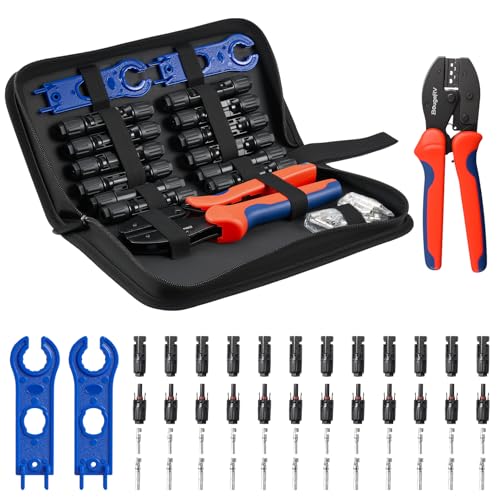
Complete Tool Kit: BougeRV compact and affordable solar crimper tool kit includes a wire crimper, a pair of spanner wrenches, and 12 pairs of solar connectors. The kit is for both beginners and experienced DIY solar installers

Reliable & Multi-Functional: Torsion-resistant and corrosion-resistant, these solar panel mounting brackets provide high stability and precise manufacturing, making them ideal for secure attachment of photovoltaic and solar modules. The tilt angle can be adjusted from 0-90° without tools

Robustness: The ECO-WORTHY Z solar panel mounting brackets are made of aluminum alloy bracket and stainless steel M6 screws, which are strong enough to support any size solar panel
Factors Influencing Solar Panel Costs
Several factors influence your final solar quote. The most important are panel type, system size, roof layout, labor rates, local permitting, and financing terms.
Products Worth Considering

Practical Design & Easy to Install: End clamps and T-shaped middle clamps ensure a secure and easy grip during the solar panel installation. It also reduces the impact of the weight of the PV system on the suction of the roof covering. The grooved strips of the rails allow for a more secure connection to the solar panels
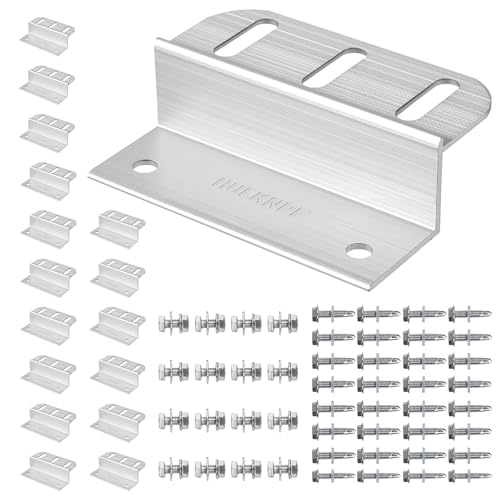
Durable & Wind-Resistant Build: Crafted from corrosion-resistant aluminum alloy, these heavy-duty Z brackets provide long-lasting, stable performance and withstand high winds for outdoor solar installations.
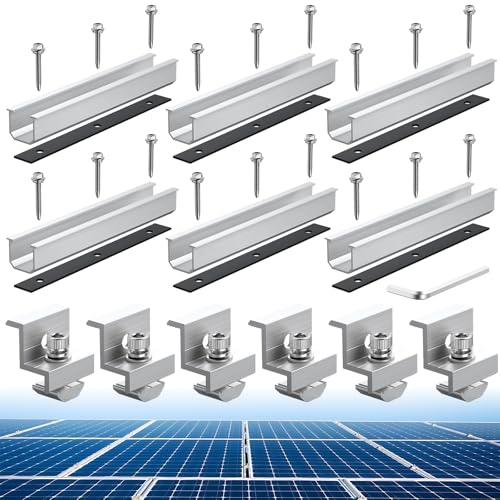
Easy to Install: Z-type, easy to install, save time and effort. This solar panel roof mounting kit create a strong connection between the panels. This type of installation reduces the impact of the weight of the PV system on the suction of the roof covering
Panel Types
Different solar panels come with different costs and output levels. The three main types are:
- Monocrystalline Panels: These panels usually offer higher efficiency and work well when roof space is limited.
- Polycrystalline Panels: These panels are often less expensive but may need more roof area for the same output.
- Thin-Film Panels: These panels are lightweight and flexible, but they are less common for standard residential rooftops.
Your best choice depends on your roof space, budget, design preference, and electricity offset goal. Do not choose by panel type alone. Compare the full installed price per watt and the warranty terms.
System Size
The size of your solar system impacts the total cost. Larger systems generate more power but cost more upfront. System size is measured in kilowatts (kW).
| System Size (kW) | Average Cost Range | Energy Output Planning Range |
|---|---|---|
| 4 kW | $10,960 – $13,560 | About 6,000 kWh/year |
| 6 kW | $16,440 – $20,340 | About 9,000 kWh/year |
| 8 kW | $21,920 – $25,200 | About 12,000 kWh/year |
| 10 kW | $27,400 – $31,500 | About 15,000 kWh/year |
Smaller systems cost less but may only offset part of your bill. Larger systems cost more, but they can make sense if your electricity use is high and your utility credits excess production fairly.
Roof Condition And Layout
Your roof can raise or lower the installation cost. A simple, sunny, south-facing roof is usually easier to work with than a steep, shaded, multi-level roof with vents, dormers, skylights, or fragile roofing material.
If your roof has fewer than 10 years of life left, consider replacing it before installing solar. Removing and reinstalling panels later can add avoidable cost.
Average Cost Breakdown
Understanding the cost of installing solar panels helps you compare bids. The total price includes equipment, labor, design, permits, inspection, interconnection, and installer overhead.
Equipment Costs
The main equipment in a solar-only system includes panels, inverters, racking, wiring, monitoring hardware, and safety shutoff equipment. Battery storage is optional and should be shown as a separate line item.
| Equipment | What It Does | Cost Impact |
|---|---|---|
| Solar Panels | Convert sunlight into electricity | High |
| Inverter | Converts solar electricity into usable household power | Medium to high |
| Racking | Mounts panels securely to the roof or ground | Medium |
| Monitoring | Tracks system production and alerts you to issues | Low to medium |
| Battery Storage | Stores energy for later use or backup | Optional high-cost add-on |
Solar panels are only one part of the bill. In many U.S. residential projects, permitting, sales, design, financing, labor, and installer overhead can represent a large share of the installed price.
Installation Fees
Installation fees cover labor and project administration. These costs vary by location, roof type, utility rules, and the complexity of the electrical work.
- Labor: Crew time for mounting panels, wiring, inverter installation, and system setup.
- Permits: Local approvals required before installation.
- Inspection: Local inspection and utility approval before the system is turned on.
- Interconnection: Utility paperwork and connection requirements.
Ask each installer whether the quote includes permits, inspection, interconnection, monitoring, and final utility approval. If one quote is far cheaper than the others, check what it excludes.
Extra Costs That Can Change Your Quote
Some solar projects need extra work before installation. These items can raise the final cost:
- Electrical panel upgrade: Older homes may need a larger or safer service panel.
- Roof repair or replacement: Solar should not go on a failing roof.
- Tree trimming: Shade can lower output and may need to be fixed first.
- Battery backup: Batteries add resilience but increase upfront cost.
- Ground mounting: Ground systems can cost more because they need extra racking and site work.
Geographical Impact
Where you live affects both the cost and value of solar panels. Labor rates, permitting rules, utility interconnection requirements, roof designs, weather, and sunlight all influence your final price.
Regional Price Variations
Solar prices vary by state and local market. Areas with more installer competition may offer better prices. Areas with complex permitting or higher labor costs may cost more.
Here is a simple planning view:
| Market Type | Cost Pattern | Why It Happens |
|---|---|---|
| Lower-cost solar markets | Lower price per watt | More competition, simpler permitting, lower labor cost |
| Average markets | Middle price per watt | Typical labor, permitting, and equipment costs |
| Higher-cost solar markets | Higher price per watt | Higher labor cost, complex codes, roof complexity, or stricter utility rules |
Note: Do not rely on state averages alone. Two homes in the same city can receive very different quotes because of roof shape, shade, electrical work, and equipment choices.
How Sunlight Affects Value
A sunny roof can produce more electricity from the same system size. A shaded roof may need more panels to reach the same output, or it may not be a good solar candidate. Ask your installer for a shade report and annual production estimate before you compare payback periods.
Financing Options

Solar financing can make the upfront cost easier to handle, but it also changes the real savings. Always compare the cash price against the financed price.
Cash Purchase
A cash purchase usually gives you the clearest return because you avoid loan fees and interest. You own the system, receive eligible incentives, and keep the long-term bill savings.
Loans And Leases
With a solar loan, you own the system but pay over time. Check the interest rate, dealer fee, monthly payment, total repayment amount, and whether early payoff changes the cost.
With a solar lease, the solar company owns the system and you pay a fixed monthly amount. This can reduce upfront cost, but you may not receive the same incentive benefits as an owner. Leases can also complicate a home sale because the buyer may need to assume the agreement.
Power Purchase Agreements
A Power Purchase Agreement, or PPA, lets a company install panels on your roof and sell you the electricity they produce. The rate may be lower than your utility rate, but the company owns the system. Read the escalator clause, contract length, roof access terms, and transfer rules before signing.
| Financing Option | Ownership | Maintenance | Best For |
|---|---|---|---|
| Cash | Homeowner | Homeowner or warranty provider | Highest long-term savings potential |
| Loan | Homeowner | Homeowner or warranty provider | Owners who want solar with lower upfront cash |
| Lease | Solar Company | Solar Company | Low-upfront-cost access with less ownership control |
| PPA | Solar Company | Solar Company | Paying for solar power without owning the system |
Ask every installer for a cash price, a loan price, and total repayment cost. A low monthly payment can hide a higher total system price.
Government Incentives And Rebates
Incentives can reduce your solar cost, but the rules change often. Before you sign a contract, confirm current federal, state, local, and utility programs.
Federal Tax Credit Status
The federal Residential Clean Energy Credit previously helped many homeowners reduce solar costs. For 2026 buyers, the key update is that the IRS says the credit is not available for qualifying property placed in service after December 31, 2025.
That makes local incentives, utility rebates, net metering rules, and the cash price even more important. Do not let a salesperson apply an expired federal credit to your 2026 quote.
State And Local Programs
States, cities, and utilities may offer rebates, property tax exclusions, sales tax exemptions, net metering, or solar renewable energy credits. Programs vary by location and can change quickly.
Useful places to check include:
- IRS Residential Clean Energy Credit guidance
- DSIRE state incentive database
- Berkeley Lab U.S. Distributed Solar and Storage Data
- Your utility’s solar interconnection and net metering page
| Incentive Type | What It Can Do | What To Verify |
|---|---|---|
| Utility rebate | May reduce upfront cost | Eligibility, funding availability, and deadline |
| Net metering or export credit | Credits excess solar production | Credit rate, monthly fees, and policy changes |
| Property tax exclusion | May limit tax impact from added home value | State and local rules |
| Sales tax exemption | May reduce equipment cost | Eligible equipment and installer paperwork |
Combining local incentives with a competitive cash quote can improve the payback period. But incentives should never replace careful quote comparison.
Cost-saving Tips
Solar panels can be expensive, but smart shopping can reduce your total cost. The best savings usually come from comparing quotes, avoiding unnecessary add-ons, and choosing the right system size.
Choosing The Right Installer
Get at least three quotes from licensed installers. Ask each company for the same details: system size, price per watt, panel model, inverter model, estimated annual output, warranty terms, timeline, and total cash price.
Do not compare only monthly payments. Financing can add fees and interest, so the lowest payment is not always the lowest cost.
Maximizing Efficiency
A more efficient system is not always the cheapest system. The goal is the best value for your roof and energy use. Start with shade reduction, good panel placement, and a right-sized design.
| Cost-Saving Tip | Details |
|---|---|
| Compare Quotes | Use at least three quotes with the same system size and equipment level. |
| Check Price Per Watt | Divide total solar-only cost by system watts to compare bids. |
| Separate Battery Cost | Review solar-only and solar-plus-storage prices separately. |
| Review Roof Condition | Fix an aging roof before solar to avoid panel removal later. |
| Use Energy Efficient Appliances | Lowering usage may let you install a smaller system. |
Follow these steps before you sign. A clean, itemized quote is easier to compare and easier to negotiate.
Long-term Financial Benefits
Installing solar panels can be a strong long-term investment, but the return depends on your actual numbers. Your system cost, utility rate, export credit, financing terms, local incentives, and roof sunlight all matter.
Return On Investment
Solar ROI is strongest when your system is priced fairly, your roof has good sun exposure, and your electricity rate is high. It is weaker when your roof is shaded, the system is oversized, or financing fees are high.
Before you approve a project, ask for:
- Total cash price
- Financed price and total repayment amount
- Estimated first-year production in kWh
- Expected annual degradation
- Utility export-credit assumptions
- Warranty coverage for panels, inverter, roof penetrations, and workmanship
Energy Savings
Solar panels reduce the amount of electricity you buy from the grid. Your bill may not drop to zero because many utilities still charge fixed monthly fees, minimum bills, or non-bypassable charges.
| Monthly Bill Before Solar | Possible Bill After Solar | Possible Annual Savings |
|---|---|---|
| $150 | $40 – $80 | $840 – $1,320 |
| $200 | $50 – $100 | $1,200 – $1,800 |
| $250 | $60 – $125 | $1,500 – $2,280 |
These examples are simple estimates. Your savings can be higher or lower based on your utility rate, system output, export credits, and energy habits.
How To Estimate Your Payback
Use this simple formula as a starting point:
Net system cost ÷ estimated annual savings = estimated payback period.
For example, if your net cost is $24,000 and your estimated annual savings are $2,000, the simple payback is about 12 years. This does not include financing costs, utility-rate changes, maintenance, or inverter replacement.
Common Misconceptions
Many homeowners misunderstand solar pricing. Clearing up these myths can help you avoid a bad contract.
Initial Cost Myths
Solar panels are not automatically too expensive, but they are not automatically a bargain either. The value depends on your roof, electricity use, local rates, quote quality, and financing terms.
- Myth: Every home gets the same savings.
- Reality: Shade, roof direction, utility policy, and system size change the savings.
- Myth: A lower monthly payment means a better deal.
- Reality: Loan fees and interest can raise the total cost.
Maintenance Concerns

Solar panels usually require limited routine maintenance, but they are not completely hands-off. You should monitor production, keep panels reasonably clean, and respond quickly if the system reports a fault.
- Panels: Review production through your monitoring app.
- Inverters: Check warranty length because inverters may not last as long as panels.
- Roof penetrations: Confirm the installer covers workmanship and roof leaks.
| Myth | Reality |
|---|---|
| Solar always eliminates your electric bill | Many utilities still charge fixed fees or minimum monthly charges |
| Maintenance is expensive every year | Routine maintenance is usually limited, but monitoring still matters |
| Batteries are required | Batteries are optional unless you want backup power or time-of-use savings |
Frequently Asked Questions for Cost to Install Solar Panels
How Much Do Solar Panels Cost On Average?
Solar panels for a U.S. home commonly cost about $12,000 to $37,000 before local incentives. A typical 8kW system averages around $24,800, but your quote can be higher or lower based on system size, roof work, equipment, and location.
How Much Does Solar Cost For A 2,000-Square-Foot Home?
A 2,000-square-foot home often needs a 6kW to 10kW system, but square footage alone is not enough. Your annual electricity use, roof shade, local sun hours, and utility rules matter more than home size.
What Factors Affect Solar Panel Installation Cost?
The biggest factors are system size, price per watt, panel and inverter type, roof complexity, local labor, permits, interconnection rules, financing, and optional battery storage.
Is The Federal Solar Tax Credit Still Available In 2026?
No. The IRS says the Residential Clean Energy Credit is not available for qualifying property placed in service after December 31, 2025. Check state, local, and utility incentives instead.
How Long Does It Take To Install Solar Panels?
The physical rooftop installation often takes one to three days. The full process can take longer because design, permitting, inspection, and utility approval happen before the system is turned on.
Do Solar Batteries Come With Every Solar Installation?
No. Batteries are optional. They can provide backup power or help with time-of-use electricity rates, but they also raise the total project cost. Ask for solar-only and solar-plus-battery pricing separately.
How Many Solar Quotes Should I Get?
Get at least three quotes. Compare the cash price, price per watt, system size, equipment, warranty, estimated production, financing cost, and battery pricing before choosing an installer.
Conclusion
The cost to install solar panels depends on your home, roof, electricity use, and local market. For many U.S. homeowners in 2026, a realistic planning range is about $12,000 to $37,000 before local incentives, with an average 8kW system near $24,800.
Start with your last 12 electric bills, then request at least three itemized quotes. Compare the solar-only cash price, price per watt, estimated annual output, equipment, warranty, and financing cost. That approach gives you a clearer view of whether solar is worth it for your home.
