

You rely on responsive steering for safety and confidence behind the wheel, and a leaking hydraulic power steering system can quickly become more than an inconvenience. Addressing minor seal seepage early may reduce fluid loss and help protect the pump while you determine whether a mechanical repair is needed.
This guide compares power steering stop leak products for worn or hardened seals, explains where they can help, and shows the compatibility checks you should make before adding anything to your vehicle.
Affiliate Disclosure: This roundup is reader-supported. If you purchase through an Amazon link, we may earn a commission from qualifying purchases at no extra cost to you.
Quick Verdict
Prestone is the strongest all-around choice when you want power steering fluid and stop-leak additives in one conventional formula. BlueDevil is geared toward conditioning worn seals, while Lucas stands out when you specifically want a larger-volume treatment. STP is a straightforward maintenance-oriented option, and Bar’s Leaks is worth considering for seal seepage involving rack-and-pinion systems. None of these products should be treated as a substitute for repairing a cracked hose, damaged line, failed pump, or other major mechanical problem.
Before You Buy
- Confirm that your vehicle actually uses hydraulic power steering fluid. Pure electric power steering systems do not have a fluid reservoir to treat.
- Check the owner’s manual for the required power steering fluid specification before adding any stop-leak product.
- Stop-leak treatments are most appropriate for compatible seal seepage, not cracked hoses, broken fittings, damaged housings, or major fluid loss.
- If steering becomes unusually heavy, noisy, inconsistent, or the reservoir is rapidly losing fluid, have the system inspected rather than relying on repeated additive treatments.
Top Picks
|
Category |
Product |
Why It Stands Out |
|---|---|---|
|
🏆 Best Overall |
Fluid plus stop-leak additives and anti-wear protection |
|
|
🔰 Best Seal Restorer |
Focused on conditioning hardened or shrunken seals |
|
|
🚀 Best Large-Volume Option |
One-quart format aimed at seal leaks and worn steering systems |
|
|
💰 Best Simple Maintenance Pick |
Straightforward fluid-loss treatment for aging seals |
|
|
⭐ Best For Rack & Pinion |
Targeted power steering stop-leak concentrate |

This hardcover cookbook offers fast, approachable recipes designed for busy days and low-energy nights. Caroline Chambers focuses on simple, flavorful meals that help you get dinner on the table without overthinking it. It's a practical pick for home cooks who want quick weeknight inspiration and minimal-fuss cooking.

Drop Stop provides complete coverage for the gap around your seat belt catch, helping keep keys, phones, and other small items from slipping into hard-to-reach spaces. Designed to move with your seat, it installs easily and stays in place without constant readjustment. This original, patented seat gap filler comes with bonus accessories for added convenience and a cleaner, safer driving experience.

OGX Extra Strength Damage Remedy + Coconut Miracle Hair Oil helps hydrate dry, coarse hair while smoothing frizz and flyaways for a silky finish. This nourishing leave-in treatment blends coconut oil, vanilla bean extract, and tiare essence to add softness, shine, and a pleasant scent. It is paraben-free and designed to support a restorative hair care routine for medium to coarse hair types.
How We Chose
We focused on products specifically intended for hydraulic power steering leaks rather than general-purpose automotive additives. Important comparison points included seal-conditioning purpose, manufacturer-described application, product format, compatibility guidance, ease of use, and whether the formula addresses common symptoms such as seal seepage, pump noise, or worn rack-and-pinion operation.
We also gave extra weight to clear manufacturer instructions and honest limitations. Marketplace ratings, review totals, sales ranks, and changing prices were not used as fixed scoring criteria because those figures can change over time.
BlueDevil PSF

BlueDevil PSF is aimed at power steering leaks associated with dried, hardened, or shrunken seals. That makes it more relevant for gradual seal seepage than for a split hose, broken fitting, cracked housing, or other physical failure.
It is a useful option when you want a pour-in seal-conditioning treatment while continuing to monitor the system. Confirm that the exact product on the Amazon listing is compatible with the fluid specification required by your vehicle before adding it.
What People Say
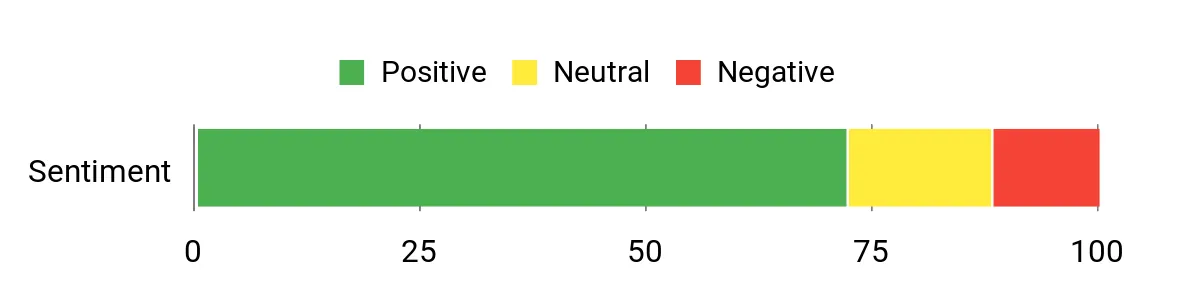
The source article’s earlier feedback summary described generally positive experiences with minor seepage, steering noise, and ease of use. Treat this as a historical summary rather than current Amazon review data because ratings and review totals change over time.
Overall Sentiment: Positive in the source article’s prior analysis
How To Use
First confirm that your vehicle uses hydraulic power steering and check the owner’s manual for the required fluid specification. Follow the dosage and installation directions printed on the BlueDevil bottle, avoid overfilling the reservoir, and monitor the fluid level after treatment. If the level continues to drop quickly or steering performance changes, arrange a mechanical inspection instead of repeatedly adding stop leak.
Ease Of Use
|
Feature |
Ease Level |
|---|---|
|
Pouring Into Reservoir |
Easy |
|
Checking Fluid Compatibility |
Moderate |
|
Measuring Dosage |
Moderate |
|
Monitoring Results |
Easy |
Key Benefits
- Designed to condition worn or hardened power steering seals
- Aimed at reducing fluid loss caused by compatible seal leaks
- Pour-in format is straightforward for DIY maintenance
- Useful when you want to try a seal treatment before deciding on a larger repair
Buyer Note: Check the current Amazon listing for package size, rating, review count, and availability.
Check Current Amazon Availability
Prestone PSF

Prestone Power Steering Fluid + Stop Leak combines conventional power steering fluid with additives intended to renew and condition aging seals. It also includes anti-wear protection, making it the most complete all-around choice in this group when the formula matches the vehicle’s requirements.
Prestone describes the formula as suitable across vehicle manufacturers, but the owner’s manual should still take priority. Some vehicles specify a particular hydraulic fluid, ATF, or manufacturer-specific fluid, so confirm the requirement before topping off or treating the system.
What People Say
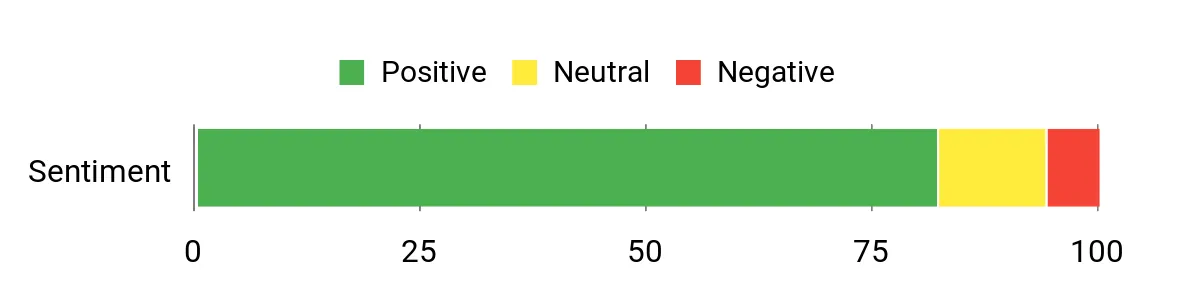
The source article’s earlier feedback summary emphasized ease of use, quieter steering, and reduced seepage. Because marketplace feedback changes continuously, the chart below should be viewed only as a legacy snapshot from the original article rather than live Amazon review data.
Overall Sentiment: Positive in the source article’s prior analysis
How To Use
Confirm the required power steering fluid in your owner’s manual and follow the directions on the Prestone bottle. Work carefully around the reservoir, add only the amount appropriate for the system, and do not overfill. Recheck the fluid level and the leak after driving. Rapid fluid loss, a visible damaged line, or worsening steering effort calls for mechanical repair.
Ease Of Use
|
Feature |
Ease Level |
|---|---|
|
Pouring Into Reservoir |
Easy |
|
Checking Vehicle Fluid Specification |
Moderate |
|
Measuring Dosage |
Moderate |
|
Monitoring Results |
Easy |
Key Benefits
- Combines power steering fluid with stop-leak additives
- Conditions seals that may harden or shrink with age
- Includes anti-wear protection for the power steering system
- Available as a practical all-around maintenance formula
Buyer Note: The linked product is presented as a 12-ounce Prestone Power Steering Fluid + Stop Leak option; check the current Amazon listing for live package and availability details.
Check Current Amazon Availability
Lucas Stop Leak

Lucas Power Steering Stop Leak is the large-volume option in this roundup. The linked 10011 product is a one-quart treatment designed for power steering seal leaks and is also marketed for symptoms associated with worn rack-and-pinion systems, including squeals and hard spots.
The larger package can be useful when the product directions and your system capacity call for more fluid, but bottle size should not be confused with leak severity. A rapidly emptying reservoir or visible mechanical damage should be repaired rather than treated with additional stop leak.
What People Say
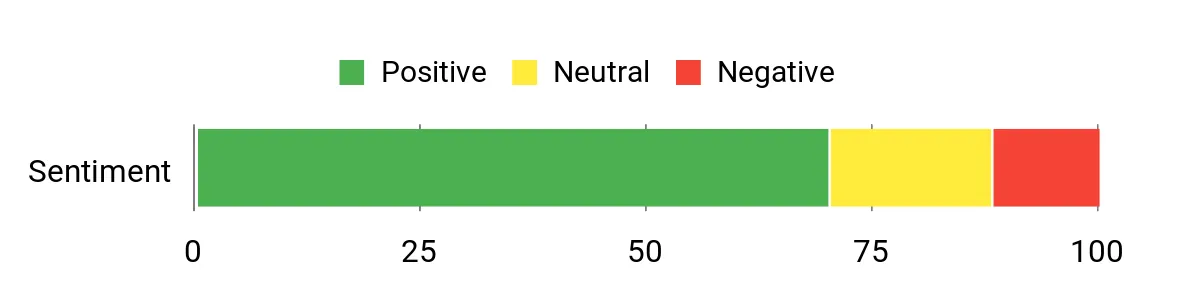
The original article’s feedback summary described reduced fluid loss and steering noise for some users. Results depend on the source of the leak, so treat the chart as a historical sentiment snapshot rather than evidence that every leak will respond the same way.
Overall Sentiment: Positive in the source article’s prior analysis
How To Use
Check your vehicle’s power steering fluid requirement and the Lucas bottle directions before adding product. Use the amount appropriate for the system rather than assuming the entire quart belongs in the reservoir. Avoid overfilling, monitor fluid level after treatment, and seek repair if fluid loss remains rapid or steering becomes difficult.
Ease Of Use
|
Feature |
Ease Level |
|---|---|
|
Handling The Larger Bottle |
Moderate |
|
Measuring The Correct Amount |
Moderate |
|
Adding To A Compatible System |
Easy |
|
Monitoring Results |
Easy |
Key Benefits
- One-quart package provides more product than small treatment bottles
- Designed for power steering seal leaks
- Aimed at reducing squeals and hard spots in worn steering systems
- Relevant to rack-and-pinion symptoms when the underlying problem involves compatible seals
Buyer Note: Package volume does not make this a substitute for repairing a major mechanical leak.
Check Current Amazon Availability
STP PSF

STP Power Steering Fluid with Stop Leak is a straightforward option for hydraulic systems losing fluid through worn or shrunken seals. It is better positioned as maintenance support for an aging system than as a cure for a cracked component or badly damaged seal surface.
Its appeal is simplicity: identify the correct fluid requirement, follow the bottle directions, add the proper amount, and monitor whether the leak rate changes. If the loss persists or increases, move to mechanical diagnosis instead of continuing treatment indefinitely.

This retractable car window shade helps block UVA and UVB rays to make rides more comfortable and protected for passengers. It includes a White Hot heat alert that turns white when the car is too hot, plus dual installation options for a secure fit in many vehicles. The safe-view mesh supports visibility while helping reduce glare, and the easy one-push retraction makes it simple to use when needed.

LIQUI MOLY Cera Tec is a ceramic-based engine oil additive designed to reduce friction and wear in petrol and diesel engines. It mixes easily with compatible motor oils, helps protect against metal-to-metal contact, and can improve smoother engine performance while supporting lower fuel consumption. Suitable for engines, transmissions, pumps, and compressors, it is built to handle extreme temperatures and long service intervals.

This DEWALT 20V MAX combo kit delivers reliable drilling and fastening power in a compact, jobsite-ready package. The lightweight drill/driver and impact driver are built to fit into tight spaces, while integrated LED work lights help improve visibility in dim areas. With two batteries, a charger, and a storage bag included, it is a convenient solution for professionals and DIY users alike.
What People Say
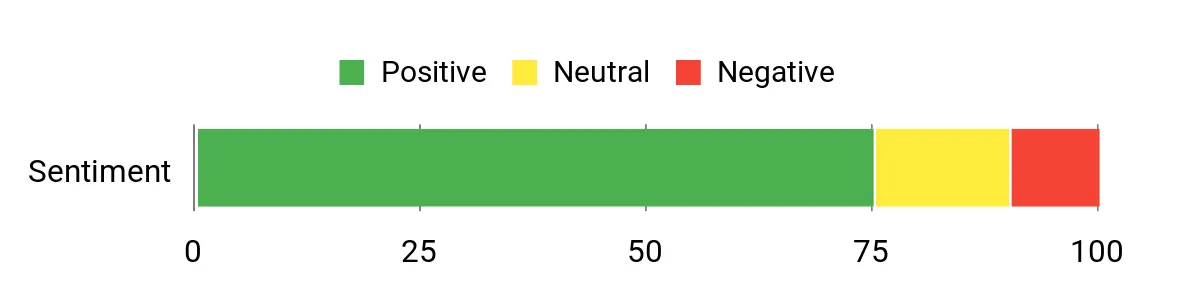
The original article’s feedback summary described STP as an easy maintenance-oriented treatment for smaller leaks. Because the underlying marketplace data is not live, the chart should be treated as a historical visualization rather than a current rating measurement.
Overall Sentiment: Positive in the source article’s prior analysis
How To Use
With the engine off, confirm the fluid specification and reservoir level before adding anything. Follow the STP bottle directions, do not overfill, and recheck the reservoir after driving. If the system continues losing fluid or the steering becomes noisy or difficult, have the vehicle inspected.
Ease Of Use
|
Feature |
Ease Level |
|---|---|
|
Pouring Into Reservoir |
Easy |
|
Checking Fluid Specification |
Moderate |
|
Measuring Dosage |
Moderate |
|
Monitoring Results |
Easy |
Key Benefits
- Designed for fluid loss associated with aging power steering seals
- Simple pour-in maintenance format
- Can support preventive maintenance where the product and vehicle specifications allow it
- Clear choice for readers who want a straightforward stop-leak fluid rather than a specialized repair kit
Buyer Note: Check the current Amazon listing for the exact package size, product labeling, rating, and availability.
Check Current Amazon Availability
Bar’s Leaks

Bar’s Leaks 1630 is a power steering stop-leak concentrate referenced for steering-system seal leaks. It is particularly relevant to shoppers dealing with older rack-and-pinion systems where seal or O-ring deterioration is suspected.
Use it only when the product label and your vehicle’s required fluid specification are compatible. A stop-leak concentrate cannot repair a split pressure hose, damaged fitting, cracked component, or other mechanical failure.
What People Say
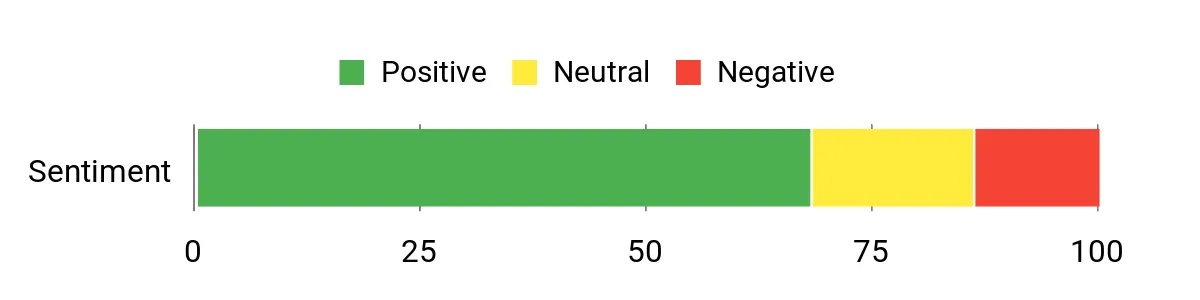
The source article’s earlier sentiment summary described positive experiences with minor leaks and steering noise. The chart remains here as part of the original article’s analysis, but it should not be interpreted as a live Amazon review score or current review count.
Overall Sentiment: Positive in the source article’s prior analysis
How To Use
Confirm the vehicle’s required power steering fluid and read the Bar’s Leaks label before installation. Add only the directed amount to a compatible hydraulic system, avoid overfilling, and monitor the reservoir and steering behavior afterward. Persistent or rapid fluid loss should be diagnosed mechanically.
Ease Of Use
|
Feature |
Ease Level |
|---|---|
|
Pouring Into Reservoir |
Easy |
|
Checking Compatibility |
Moderate |
|
Measuring Dosage |
Moderate |
|
Monitoring Results |
Easy |
Key Benefits
- Designed for power steering seal and O-ring leaks
- Relevant to aging rack-and-pinion systems
- Concentrated pour-in treatment
- Offers a DIY option for compatible minor seal seepage before mechanical repair is considered
Buyer Note: Check the current Amazon listing and bottle label for package size, compatibility, and current availability.
Check Current Amazon Availability
FAQ
Do Stop Leak Products Actually Work?
Power steering stop-leak products are mainly intended for compatible leaks involving seals that have hardened, dried, or shrunk with age. A seal-conditioning additive may reduce that type of seepage, but it cannot physically repair every possible source of fluid loss.
If the problem is a cracked hose, damaged pressure line, broken fitting, scored component, failed pump, or another mechanical defect, the correct solution is repair or replacement.
Are They Safe For My Steering System?
Use only a product specifically labeled for power steering and only after confirming that it matches the fluid requirements in your owner’s manual. This is especially important because hydraulic systems can call for different power steering fluids, ATF formulations, or manufacturer-specific hydraulic fluids.
Also confirm that your vehicle actually has hydraulic power steering. A pure electric power steering system has no power steering fluid reservoir to treat.
How Do You Use Them And When Should You See A Mechanic?
Follow the product’s own dosage directions and your vehicle’s fluid-level procedure instead of assuming every stop-leak product is used the same way. Avoid overfilling the reservoir and monitor the level after treatment.
Arrange an inspection if the reservoir drops rapidly, fluid forms a significant puddle, a hose or fitting is visibly damaged, the pump becomes very noisy, or steering effort changes noticeably. Driving with inadequate hydraulic fluid can damage components and may make the vehicle harder to steer.
Can You Use Power Steering Stop Leak In A Car With Electric Power Steering?
Not if the vehicle uses a purely electric power steering system with no hydraulic fluid circuit. Stop-leak products belong only in a compatible hydraulic power steering system. Check the owner’s manual if you are unsure which steering system your vehicle uses.
Is A Bigger Bottle Better For A Bigger Leak?
No. Bottle size mainly affects how much product you have available; it does not determine whether a mechanical leak can be repaired chemically. A severe or rapid leak should be diagnosed before additional stop-leak product is added.
Customer Preferences
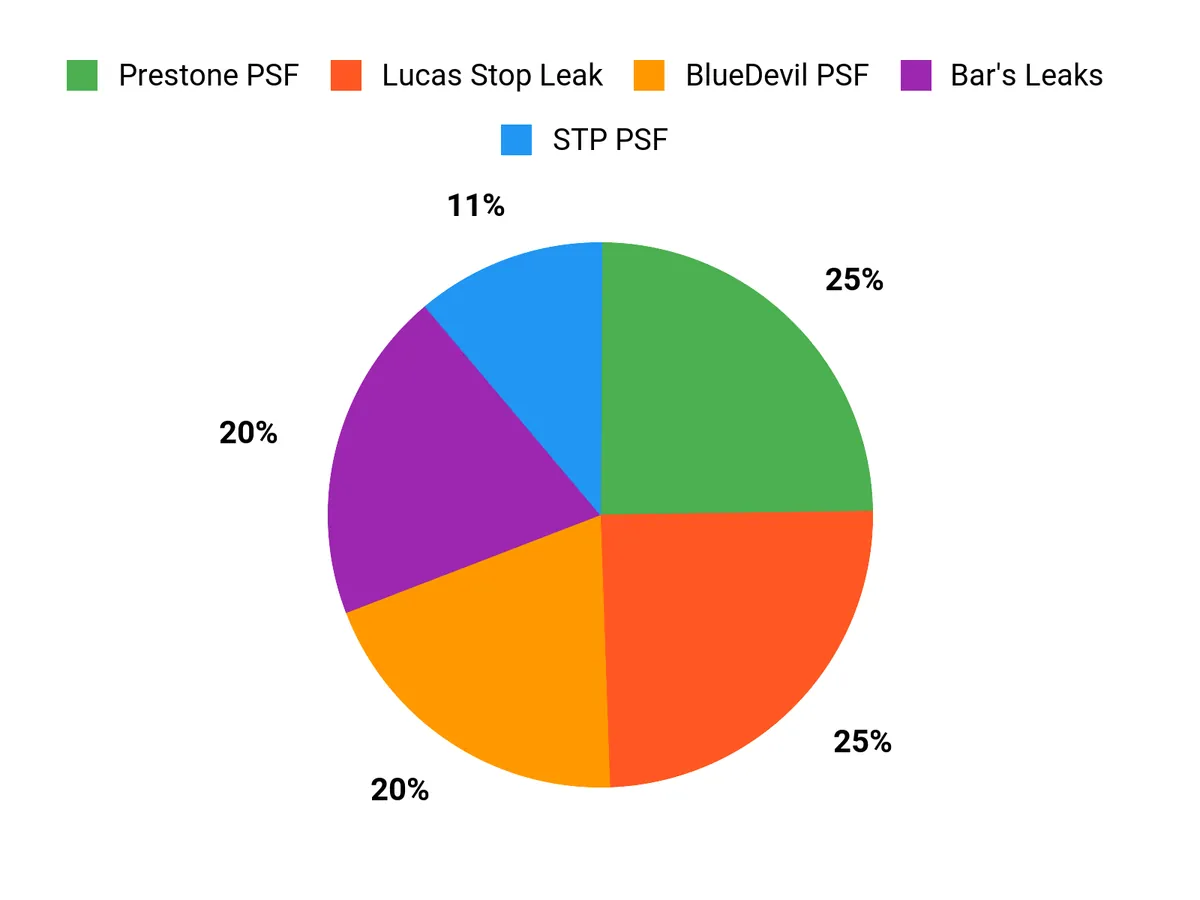
Most buyers can narrow the decision by starting with the type of treatment they want. Prestone is the strongest all-around fluid-plus-stop-leak option, BlueDevil focuses on seal conditioning, Lucas offers a larger one-quart format, STP keeps the approach simple, and Bar’s Leaks is particularly relevant to rack-and-pinion seal concerns.
The chart below is retained from the source article’s earlier preference analysis. It is not a live customer survey or current Amazon marketplace measurement.
Wrapping Up
If you want the most balanced all-around option, Prestone combines conventional power steering fluid, stop-leak additives, and anti-wear protection in one product. BlueDevil is a more focused choice for conditioning aging seals, while Lucas makes sense when you specifically want the larger one-quart format for a compatible hydraulic system.
STP is a simple maintenance-oriented pick for fluid loss related to worn or shrunken seals, and Bar’s Leaks remains a relevant option for rack-and-pinion seal seepage. Whichever product you choose, verify the vehicle’s fluid specification first and treat stop leak as a targeted solution for compatible seal problems—not a substitute for fixing cracked lines, damaged components, or rapidly worsening leaks.
| Product Name | Image | Product Type | Package Detail | Best For | Important Check |
|---|---|---|---|---|---|
| BlueDevil Products Power Steering Fluid + Stop Leak |
|
Seal-conditioning power steering stop leak | Check current Amazon listing | Minor leakage associated with aging seals | Confirm vehicle fluid compatibility |
| Prestone AS262 Power Steering Fluid with Stop Leak |
|
Conventional power steering fluid + stop leak | 12 fl oz linked version | All-around fluid and seal conditioning | Owner’s manual fluid specification |
| Lucas Oil LUC10011 |
|
Power steering stop leak | 1 quart | Large-volume treatment and worn rack symptoms | Do not use bottle size to judge leak severity |
| STP Power Steering Fluid & Stop Leak |
|
Power steering fluid with stop leak | Check current Amazon listing | Aging or shrunken seals | Confirm required fluid before use |
| Bar’s Leaks 1630 Power Steering Stop Leak |
|
Power steering stop-leak concentrate | Check current Amazon listing | Rack-and-pinion seal seepage | Not a repair for broken mechanical parts |
This Roundup is reader-supported. When you click through links we may earn a referral commission on qualifying purchases.

The ANCEL AD310 is a compact OBD II scanner designed to quickly diagnose check engine light issues by reading and clearing emission-related trouble codes. It also provides live data, freeze frame, I/M readiness, and vehicle information, making it a practical tool for drivers and home mechanics. With broad compatibility across many 1996 and newer OBD2 vehicles, it is a simple, fast, and portable way to check engine problems.

The Veepeak OBDCheck BLE is a Bluetooth OBD-II scanner designed for iOS and Android users who want an easy way to read and clear check engine light codes. It supports generic diagnostics such as freeze frame data, I/M readiness, and live sensor readings through compatible third-party apps. Built for most 1996+ vehicles in the US, it connects over Bluetooth LE and works with popular apps for everyday vehicle troubleshooting and monitoring.

Tend Skin Solution helps reduce the appearance of ingrown hairs, razor bumps, and razor burn for smoother-looking skin after shaving or waxing. It can be used on areas like the legs, underarms, bikini line, chin, neck, and face, and may also work as a facial cleanser or toner with regular use. Made in the USA with a minimalist formula, it is designed for effective post-shave care with simple application.

1 thought on “Power Steering Stop Leak: 5 Best Picks for 2026”
Pingback: Best Transmission Additive: Top Picks For 2026