

Cheyenne hotel prices in 2026 vary sharply by travel date, hotel class, and local demand. A basic motel can sometimes appear below $70 before taxes, while a comfortable midrange or three-star stay often needs a budget closer to $120–$180. July is the highest-demand period, especially around Cheyenne Frontier Days, so exact-date comparison matters more than any single citywide average.
Quick Answer
For an ordinary 2026 date, plan about $120–$160 per night before taxes and fees. Source snapshots checked August 10 show a $126 overall average from Budget Your Trip and a $166 August trend from Expedia. Budget rooms can fall below $100, while July and Frontier Days dates can exceed $200–$300.
Key Takeaways
- A practical ordinary-date hotel budget is about $120–$160 per night before taxes and fees.
- Economy rooms may start near $65–$70, but the lowest advertised price may be limited, nonrefundable, or exclude added charges.
- July is Cheyenne’s clearest high-demand month in current booking data; Expedia lists a July trend of $203 and KAYAK currently lists July as its most expensive month.
- Cheyenne Frontier Days ran July 17–26, 2026. The official 2027 schedule is July 23–August 1, 2027, so future event travelers should book early.
- At the article’s ordinary-date planning range of $120–$160, seven nights equals about $840–$1,120 before taxes and optional fees.
- Compare the final checkout total, cancellation policy, parking, breakfast, and pet fees rather than choosing by the headline rate alone.
Note: Hotel prices in this guide are planning estimates, not guaranteed quotes. Rates change by travel date, room type, number of guests, cancellation terms, inventory, and booking platform. Most advertised base rates exclude taxes and fees.
Cheyenne Hotel Prices in 2026
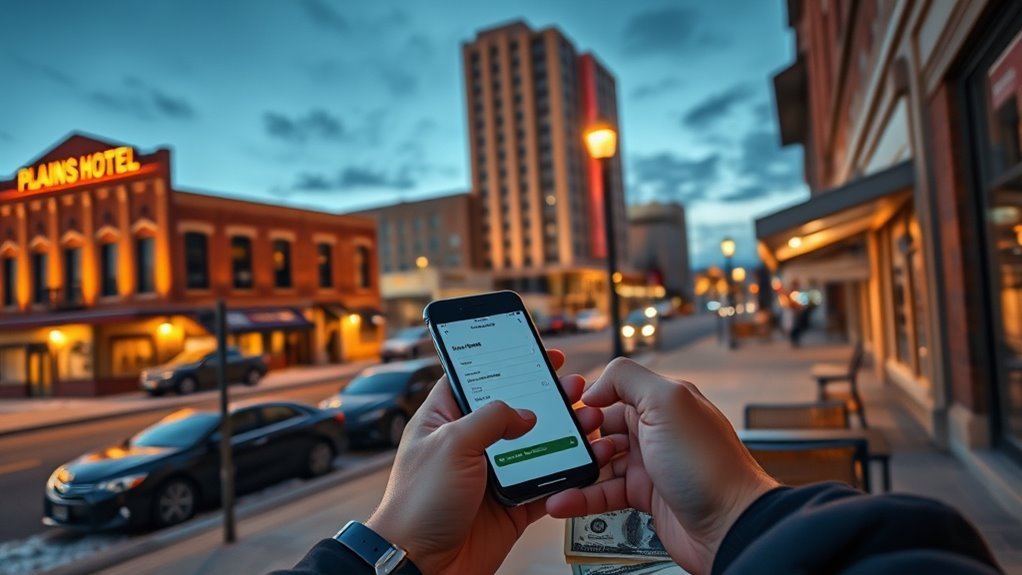
There is no single fixed average that applies to every Cheyenne stay. Travel-price sources use different hotel samples, search dates, room types, and calculation methods. Budget Your Trip, checked August 10, 2026, reports an overall Cheyenne hotel average of $126 before taxes, while live booking pages still show a much wider range for exact dates.
Current market snapshot: Budget Your Trip lists averages of $89 for budget hotels, $132 for midrange hotels, $146 for three-star hotels, and $176 for luxury hotels. Expedia shows a $166 August trend and $203 for July, while KAYAK currently identifies July as the high season. These are snapshots, not guaranteed quotes.
For realistic trip planning, the following ranges are more useful than one citywide average:
| Hotel Type | Ordinary-Date Planning Range | What to Expect |
|---|---|---|
| Basic motel or economy hotel | About $65–$110 | Simple room, limited services, exterior corridors at some properties, and fewer included amenities. |
| Midrange or three-star hotel | About $120–$180 | More consistent furnishings and possible breakfast, pool, fitness center, or business facilities. |
| Higher-end hotel, resort, or suite | About $175–$250+ | Larger rooms or suites, upgraded public areas, dining, meeting facilities, or resort-style amenities. |
| Frontier Days or sold-out event date | Often $200–$300+; limited rooms may cost more | Reduced availability, stricter cancellation terms, minimum stays, and fewer low-cost choices. |
These ranges describe base-room planning costs. A low advertised rate may apply only to a nonrefundable room, one guest, a membership discount, or a room with limited availability.
The best measure of a hotel’s value is the final cost for your exact dates, not a citywide average or the first price shown in search results.

This daily devotional helps parents pray purposefully for their children through a full year of Scripture readings, reflections, and guided prayer prompts. Written to encourage faithful family discipleship, it offers practical, biblically grounded support for parents who want to shape their prayers around God's Word. A foreword by Sinclair B. Ferguson adds trusted theological insight and encouragement.

These colorful answer buzzers turn lessons, review games, and family activities into lively game-show style challenges that boost participation and make learning more interactive. Each buzzer has a distinct sound to clearly identify who buzzed in first, while the durable, palm-sized design makes them easy for kids and adults to use in classrooms, homeschools, and group settings.

Come Eat offers 100 approachable recipes designed to make everyday cooking more enjoyable, nourishing, and sustainable. With a focus on flavorful meals and practical preparation, this hardcover cookbook is ideal for home cooks looking for inspiration for salads, sides, and main dishes. Author Melissa Ben-Ishay shares recipes that encourage consistent, feel-good eating without sacrificing taste.
How Prices Change by Month and Day
Cheyenne hotel prices normally rise during summer and soften during parts of late fall, winter, and early spring. However, the cheapest month can change as booking sites refresh their data. Current sources variously identify January, March, November, or December as lower-demand periods.
Monthly Price Changes
July is the most consistently expensive month because it combines summer road-trip demand with Cheyenne Frontier Days. Current booking sources show substantially higher July averages than most other months, although the exact figure varies by source and search date.
Expedia’s Cheyenne trend data, checked August 10, 2026, showed the following average base rates for commonly viewed hotels. Expedia states that these figures exclude taxes and fees and are based on rates found on its site, so use them as directional benchmarks rather than fixed market prices.
| Month | Expedia 2026 Trend | Planning Note |
|---|---|---|
| January | $102 | Lower-demand benchmark |
| February | $110 | Usually below summer levels |
| March | $110 | Potential value period |
| April | $116 | Spring demand begins rising |
| May | $131 | Moderate spring benchmark |
| June | $145 | Summer demand strengthens |
| July | $203 | Highest month in Expedia snapshot |
| August | $166 | Rates ease after July peak |
| September | $137 | Shoulder-season benchmark |
| October | $134 | Often below summer levels |
| November | $118 | Potential value period |
| December | $105 | Lower outside holiday peaks |
For flexible trips, compare dates in January through March and October through December. These periods may offer lower prices, but holidays, conventions, sports events, and state-government activity can still create temporary increases.
- January through March: Often a lower-demand period, excluding special events and severe-weather disruptions.
- April through June: Prices can rise as road-trip and outdoor travel increases.
- July: Usually the highest-demand month, particularly during Frontier Days.
- August and September: Rates may ease after Frontier Days but can remain elevated on busy weekends.
- October through December: Potential value period outside holidays, conferences, and major local events.
Weekday Price Differences
There is no permanent rule that Sunday is always cheapest or Thursday is always most expensive. Recent booking data has identified different low- and high-cost days as demand changed.
Instead of planning around one supposed bargain weekday, search the same hotel for dates one or two days before and after your preferred stay. Moving a trip by a single night can reveal a lower room category or avoid a busy event.
Pro Tip: Use a calendar or flexible-date search and compare at least three arrival dates. A cheaper night is most valuable when changing dates does not add an extra hotel night, rental-car day, or missed event.
Why Hotel Price Sources Disagree
Two reputable booking sites can display different Cheyenne averages without either one being deliberately misleading. Differences commonly result from:
- The dates searched and how far in advance the search was made
- The number and type of hotels included
- Whether sold-out hotels are excluded
- Refundable versus nonrefundable rooms
- Member, mobile-app, or loyalty discounts
- Room occupancy and number of guests
- Whether taxes and property fees are included
- How often the booking site refreshes its trend data
For this reason, monthly averages should be treated as directional information. They can show that July is expensive, but they cannot predict the exact price for a specific room on a specific night.
Price Differences by Hotel Type and Star Rating
Star ratings can help describe a property’s facilities, but they do not guarantee a particular price or quality level. A well-reviewed two-star hotel can cost more than a three-star property when it has better availability, a newer renovation, or a more convenient location.
Budget and Economy Hotels
Basic motels and economy hotels are the most likely places to find base rates below $100. Current live listings sometimes show rooms near $50–$70, but those prices may be limited to slower dates, nonrefundable bookings, or a small number of rooms.
A safer ordinary-date planning range is approximately $65–$110 before taxes. Budget Your Trip currently reports an $89 average and $93 median for its budget-hotel sample, while KAYAK has recently shown some basic options below $70. Common economy choices in the Cheyenne market include Motel 6, Super 8, Microtel, Travelodge, Cheyenne Guest Inn, and similar limited-service properties. Availability, maintenance standards, breakfast, and cancellation rules vary by location, so recent guest reviews should be checked before booking.
Midrange Hotels and Standard Amenities
A midrange or three-star hotel commonly costs about $120–$180 on ordinary dates. Budget Your Trip currently lists a $132 average for its midrange sample and a $146 average for three-star hotels. This category may include properties such as SpringHill Suites, Fairfield Inn & Suites, Comfort Inn & Suites, Home2 Suites, Staybridge Suites, and other national brands.
Possible amenities include:
- Complimentary breakfast
- Indoor pool or fitness center
- Business center or meeting space
- In-room refrigerator or microwave
- Free parking
- Pet-friendly rooms
- Kitchenette or extended-stay facilities
Not every midrange hotel includes all these features. Confirm each amenity on the property’s official page and check whether it carries an additional charge.
Higher-End Hotels, Resorts, and Suites
Cheyenne has a smaller high-end hotel market than a major metropolitan area, but travelers can find boutique rooms, suites, historic lodging, and resort-style properties. Budget Your Trip currently reports a $176 average for its luxury-hotel sample, while premium suites and event dates can run much higher. A practical higher-end planning range is about $175–$250 or more on ordinary dates.
Little America Hotel & Resort is one of the city’s best-known full-service properties. Its official amenities page lists on-site dining, a seasonal heated outdoor pool, a 24-hour fitness center, business services, outdoor recreation, and other resort amenities; the property also has a nine-hole golf course.
Higher prices may reflect room size, grounds, dining, location, meeting facilities, or service level. They do not automatically mean that breakfast, parking, or pet accommodation is included.
Best-Value Areas and Hotels in Cheyenne

Cheyenne does not have one universally cheapest neighborhood. The best area depends on whether you prioritize downtown attractions, highway access, Frontier Park, the airport, or a quieter property with more on-site facilities.
| Area | Best For | Price and Convenience Notes |
|---|---|---|
| Downtown Cheyenne | Depot Plaza, museums, restaurants, and travelers who prefer a central base | Convenient for sightseeing, but the limited central inventory can become expensive during events. |
| West Cheyenne and Lincolnway | I-25 and I-80 access, road trips, and a broader mix of motel and full-service options | Often provides more parking and easier highway access than the downtown core. |
| East Cheyenne | Travelers continuing east on I-80 and those seeking newer roadside lodging | May offer competitive rates, but driving is usually required for downtown attractions. |
| Frontier Park vicinity | Cheyenne Frontier Days visitors | Convenient during the event, but nearby rooms can sell out early and carry substantial premiums. |
Visit Cheyenne’s lodging directory reports more than 2,375 guest rooms across the area, along with motels, vacation rentals, cabins, campgrounds, and other accommodations.
How Amenities and Fees Affect the Total Cost
A $110 room is not always cheaper than a $125 room after breakfast, parking, pet charges, and cancellation terms are considered. Compare the complete stay cost before booking.
Breakfast
A complimentary breakfast can provide meaningful value for a family or a multi-night stay. Check whether breakfast is available every day, whether hot items are included, and whether service starts early enough for your schedule.
Parking
Many Cheyenne hotels offer free self-parking, but this should still be confirmed. During major events, transportation and parking near Frontier Park may add to the trip cost even when hotel parking is free.
Pet Fees
A pet-friendly label does not mean that pets stay free. Hotels may charge per night, per stay, or per animal, and they may limit weight, breed, or the number of pets. Ask for the complete pet policy before selecting a room.
Refundable and Nonrefundable Rates
The lowest displayed rate is often nonrefundable. A flexible rate may cost more but can be valuable when weather, road conditions, event schedules, or travel plans are uncertain.
Other Costs to Check
- Taxes and government assessments
- Incidental deposit or credit-card hold
- Extra-person charges
- Rollaway bed or crib fees
- Early check-in or late checkout
- Wi-Fi charges at properties where it is not included
- Minimum-stay requirements during events
Warning: Before paying, open the price details and verify the final total, cancellation deadline, deposit requirement, and whether the reservation is refundable. A deeply discounted rate can become costly if your plans change.
When to Book Cheyenne Hotels for the Best Rate
There is no dependable rule that one exact booking window will always produce the lowest Cheyenne rate. KAYAK’s current Cheyenne page, checked August 10, 2026, suggests booking at least 29 days ahead, but this guidance is dynamic and can change as demand and inventory move.
A practical strategy is:
- For ordinary dates: Begin comparing prices one to three months before arrival.
- For a flexible trip: Check nearby weekdays and more than one month.
- For Frontier Days: Search as soon as your dates are known because central and lower-cost rooms can fill early. The next official event is July 23–August 1, 2027.
- Choose a refundable reservation: Lock in an acceptable rate, then check periodically for a lower comparable rate.
- Compare identical terms: Use the same room type, occupancy, breakfast, parking, and cancellation policy.
- Check the hotel directly: A direct rate may include loyalty benefits or more flexible service, although it is not always cheaper.
Pro Tip: Take a screenshot or save the confirmation page showing the room type, included amenities, cancellation deadline, and final total. This makes later comparisons much easier.
Sample Cheyenne Hotel Budgets
The following estimates cover the room’s base price before taxes and optional fees. They are planning ranges, not guaranteed quotes:
| Stay Length | Budget Hotel | Midrange Hotel | Higher-End Stay |
|---|---|---|---|
| One night | $65–$110 | $120–$180 | $175–$250+ |
| Two nights | $130–$220 | $240–$360 | $350–$500+ |
| Three nights | $195–$330 | $360–$540 | $525–$750+ |
| Seven nights | $455–$770 | $840–$1,260 | $1,225–$1,750+ |
At the article’s broader ordinary-date planning range of $120–$160 per night, seven nights would be about $840–$1,120 before taxes and optional fees. Frontier Days, sold-out weekends, premium suites, and last-minute reservations can exceed these estimates.

This kid-friendly cookbook helps young chefs build confidence in the kitchen with more than 100 recipes designed for fun, learning, and delicious results. Created by America's Test Kitchen Kids, it offers approachable instructions, helpful guidance, and a wide range of dishes that make cooking and eating an engaging family activity.

Kanoodle Head-to-Head turns the popular brain teaser into a fast-paced puzzle race for two players. Using challenge cards, puzzle pieces, and a two-sided board, players compete to complete the puzzle first while building problem-solving, spatial reasoning, and critical thinking skills. It offers screen-free fun for kids, teens, and adults, making it a great choice for family game nights, classroom breaks, and travel.

See You Later, Alligator is a charming children's picture book that blends playful rhyme with colorful animal storytelling. Written by Sally Hopgood and illustrated by Emma Levey, it makes read-aloud time fun and engaging while helping young readers enjoy rhythm, repetition, and early language development.
Event and Seasonal Price Spikes

Cheyenne Frontier Days
The largest predictable hotel-demand period in 2026 was Cheyenne Frontier Days, which ran from July 17 through July 26, 2026. The event featured ten consecutive days of professional rodeo along with concerts, parades, a carnival, exhibits, and other activities.
The event’s official trip-planning guidance says many Cheyenne accommodations fill early in the year. Visitors who need a particular room type, central location, pet policy, or accessible room should reserve as early as practical.
Freshness note: The 2026 event ended July 26. The official 2027 schedule is July 23–August 1, 2027. Travelers planning the next Frontier Days should treat those dates as high-demand lodging dates.
- Expect fewer low-cost choices as the event approaches.
- Check for minimum-stay rules and stricter cancellation terms.
- Compare hotels with event transportation and parking costs in mind.
- Consider lodging outside the immediate event area if central rates are too high.
- Do not assume a last-minute cancellation will produce an affordable room.
Other High-Demand Dates
Rates can also increase during conventions, government sessions, graduations, youth tournaments, holiday weekends, concerts, and large regional events. These increases may be shorter than the Frontier Days surge but can still affect a limited part of the hotel market.
Is Cheyenne Cheaper Than Denver?
Cheyenne is often cheaper than Denver on ordinary dates. Budget Your Trip currently lists an overall hotel average of about $126 for Cheyenne and $187 for Denver, both before taxes.
However, the comparison can reverse during Cheyenne Frontier Days or another sold-out local event. Denver also has a much larger hotel market, which means individual Denver neighborhoods or airport hotels may occasionally offer lower rates than limited Cheyenne inventory.
For a fair comparison, search both cities for:
- The same arrival and departure dates
- The same number of guests
- A similar hotel class and review score
- Equivalent parking and breakfast terms
- The same refundable or nonrefundable policy
- The final price after taxes and fees
Cheyenne Hotel Booking Checklist
- Search the exact travel dates rather than relying on an annual average.
- Check whether the displayed price includes taxes and fees.
- Compare refundable and nonrefundable rates.
- Confirm parking, breakfast, Wi-Fi, and pet charges.
- Review the room’s occupancy limit and bed configuration.
- Check the hotel’s distance from downtown, Frontier Park, I-25, or I-80.
- Read recent reviews for cleanliness, noise, maintenance, and service.
- Check for a deposit or incidental hold.
- Save the cancellation deadline and reservation terms.
- Book Frontier Days accommodations as early as possible.
Frequently Asked Questions
How much does a Cheyenne hotel cost per night in 2026?
For an ordinary date, a useful planning budget is about $120–$160 per night before taxes. Basic motels may cost approximately $65–$110, while higher-end rooms and suites often cost $175–$250 or more.
Are there budget-friendly hotels in Cheyenne?
Yes. Cheyenne has economy motels and limited-service hotels, and occasional base rates may fall near $50–$70. A safer budget is $65–$110 before taxes because the very lowest rates may be limited, nonrefundable, or unavailable for busy dates.
What is the cheapest month for Cheyenne hotels?
The answer changes as booking data is refreshed. January through March and parts of late fall often provide lower prices, but holidays, conventions, weather, and local events can change the result for specific dates.
Why are Cheyenne hotels expensive in July?
July combines summer travel with Cheyenne Frontier Days, the city’s largest annual event. In 2026, Frontier Days ran from July 17 through July 26. Strong demand reduced availability, and event-period rooms could rise well above ordinary-date prices.
How early should I book a Cheyenne hotel?
For ordinary dates, start comparing rates one to three months before arrival. KAYAK currently suggests at least 29 days ahead, but booking-window guidance changes. For Frontier Days, reserve as soon as your schedule is firm because affordable room types can disappear early.
Do Cheyenne hotel prices include tax?
Usually not when a search page first displays the nightly base rate. Open the price breakdown before paying to see taxes, property charges, deposits, pet fees, parking, and other costs.
Is Cheyenne cheaper than Denver for hotels?
Cheyenne is often cheaper on ordinary dates, but not always. Current Budget Your Trip analyses list about $126 for Cheyenne and $187 for Denver before taxes. During Frontier Days or other high-demand dates, limited Cheyenne inventory can cost more than some Denver hotels.
What should I budget for seven nights in Cheyenne?
Using the ordinary-date planning range of $120–$160 per night, seven nights comes to about $840–$1,120 before taxes and optional fees. A budget hotel may total about $455–$770, while higher-end stays can exceed $1,750.
When is Cheyenne Frontier Days in 2027?
The official 2027 Cheyenne Frontier Days schedule runs from July 23 through August 1, 2027. Those dates should be treated as a high-demand hotel period, so booking early is sensible.
Conclusion
For most ordinary 2026 dates, budgeting about $120–$160 per night before taxes gives you a realistic starting point for a Cheyenne hotel. Economy rooms may cost less, while suites, full-service properties, and event-period stays can cost considerably more.
July requires the most caution. The 2026 Cheyenne Frontier Days event ran July 17–26, and the official 2027 event is scheduled for July 23–August 1. For the best value, compare flexible dates, examine the complete checkout total, confirm all fees and cancellation terms, and reserve high-demand stays early.
Sources
- Budget Your Trip: Cheyenne Hotel Prices — current overall, budget, midrange, luxury, and star-rating benchmarks; checked August 10, 2026.
- Expedia: Cheyenne Hotels — monthly price-trend snapshot and live hotel-market context; checked August 10, 2026.
- KAYAK: Cheyenne Hotels — current seasonal, booking-window, weekday, and live-rate insights; checked August 10, 2026.
- Visit Cheyenne Lodging Directory — official local lodging inventory and accommodation categories.
- Cheyenne Frontier Days: 2026 Rodeo Schedule — official July 17–26, 2026 dates and ten-day rodeo format.
- Cheyenne Frontier Days Events & Schedule — official July 23–August 1, 2027 event schedule.

This heartfelt memoir blends laugh-out-loud honesty with tender reflections on love, loneliness, and the unexpected healing power of rescue dogs. Isabel Klee shares her journey fostering pups in the city while navigating dating and self-discovery, offering an intimate, relatable story for readers who enjoy emotional, character-driven narratives. It is a warm, engaging read about opening your heart and finding connection in surprising places.

This portable travel crib provides a safe, comfortable sleep and play space for babies and toddlers wherever family life takes you. It folds compactly for airport travel, sets up quickly, and includes a cozy mattress plus a breathable mesh design for visibility and airflow. Certified low-VOC construction and a washable cover help make it a convenient choice for everyday use and overnight stays.

The Little Tikes First Slide is a beginner-friendly playset designed for toddlers and young children to enjoy safe sliding fun indoors or outdoors. Its compact, foldable design makes setup, storage, and moving simple, while the sturdy build supports active play that helps promote balance and coordination.
