
You’ll typically pay about $150 per night for an Airbnb in Kentucky in 2026, though urban stays like Louisville average around $216 and premium cabins or unique builds can push $175–$300. Expect 20–30% surges for holidays and events (Derby rates can hit $500). Amenities like hot tubs and top reviews justify higher fees, and taxes plus cleaning fees add to your total. Keep dates flexible and book early to secure the best rates.
Quick Answer
- The statewide average nightly rate is about $150 in 2026.
- Louisville and Lexington average around $216/night; rural cabins run $84–$149.
- Expect rates to jump 20–50% during the Kentucky Derby, Bourbon Festival, and major holidays.
- Hot tubs, high ratings, and proximity to attractions like Red River Gorge push prices higher.
- Add roughly $30 in cleaning fees and a ~$150 security deposit to most bookings.
- Book 6–8 weeks ahead for peak dates; target weekdays and shoulder seasons for savings.
Average Nightly Price in Kentucky (2026): $150 Explained
The average nightly price for Airbnb listings in Kentucky is projected at about $150 in 2026. That figure reflects a competitive vacation-rental market shaped by property type, location, and seasonality.
Urban listings push rates above $150, while rural spots trend lower unless unique amenities lift them. Listings with 4+ stars attract more bookings and support modest price premiums.
Guest preferences lean toward convenience, cleanliness, and proximity to attractions. Properties with hot tubs or easy access to parks and trails regularly command higher fees.
Guests prefer convenience, cleanliness, and nearby experiences. Listings with hot tubs or park access consistently earn higher rates.
Seasonality creates predictable swings, so pricing during peak months can boost revenue without hurting occupancy. Track booking trends and adjust when the market shifts.
Airbnb Nightly Ranges by Property Type (Hotels, Cabins, Treehouses, B&Bs)
Nightly rates vary clearly by property type. Hotels typically run $100–$250 (luxury Louisville hotels push higher). Cabins average $150–$300, especially near Red River Gorge. Treehouses command $175–$300 for their niche appeal. B&Bs sit around $120–$180, often with breakfast and personalized service included.
These ranges sit against a statewide average of about $137 per night. Use them to match your budget to the right property type, whether you’re looking for adventure or indulgence.
Cabins and treehouses hold premium pricing during peak outdoor seasons. Hotels stay stable year-round in urban corridors. B&Bs offer consistent mid-tier value, and the added service can offset their slightly higher cost.
Watch weekday versus weekend spreads, amenity differences, and seasonal occupancy to find deals that deliver the most value.
Products Worth Considering

City and Region Price Comparisons: Louisville, Lexington, Bourbon Trail, Rural Cabins
There’s a clear gap between urban and rural pricing: Louisville averages about $216/night while rural cabins sit near $149/night.
The Bourbon Trail commands a premium, typically $150–$250 depending on how close you are to distilleries.
Cabin and trail-area rates also see seasonal bumps as festival and peak tourism months drive up demand.
Products Worth Considering

Urban vs Rural Pricing
Kentucky’s Airbnb market splits along a clear urban-rural line. Louisville and Lexington average about $216 per night. The Bourbon Trail lists around $150–$180. Rural cabins fall between $84 and $149, reflecting lower demand and fewer nearby attractions.
You’ll pay more where urban amenities are concentrated: dining, concerts, sports. You’ll pay less for rural privacy and outdoor access. Urban rates stay elevated year-round and spike around festivals. Rural listings show seasonal variability tied to hiking, hunting, and cabin demand.
Bourbon Trail Premiums
The Bourbon Trail draws steady tourist traffic, so expect a regional premium compared to other parts of the state. 2026 averages span roughly $137–$216 per night, with Louisville and Lexington frequently topping $200. Bourbon Trail rural cabins typically fall in the $100–$180 range.
Urban properties command higher rates because of their proximity to distilleries and events. Rural cabins on the Trail offer seclusion at lower cost, but listings with standout features such as hot tubs, panoramic views, or private docks narrow that price gap.
Seasonal Cabin Rates
When summer and fall demand spikes, cabin rates climb. Urban listings in Louisville and Lexington commonly average $150–$300 per night. Rural Bourbon Trail and mountain cabins typically range $100–$200.
Festivals, bourbon releases, and hiking seasons push both occupancy and rates up. Premium cabins with hot tubs and views command top-tier pricing even in rural areas, though rural options still offer lower baseline costs for outdoor travelers.
To avoid last-minute premiums, book early, target shoulder seasons, and compare listings by guest capacity and amenities.
When Prices Spike: Holidays, Festivals, and Peak Weekends
Rates jump sharply around holiday weekends, local festivals, and school breaks. Kentucky Derby weekends and Bourbon Festival dates can push prices up 30–50% in Louisville, Lexington, and Bardstown.
Summer school breaks and peak weekends near lakes or college campuses often push average nightly rates above $250. Last-minute searches can top $300 for in-demand listings.
Book early or target off-peak dates to avoid these predictable surges.
Holiday Weekend Demand
Traveling to Kentucky over a holiday weekend? Plan for rates that often run 20–30% above the usual nightly average. Event-goers and family groups push demand, and dynamic pricing follows. Memorial Day, Labor Day, and Derby weekends spike occupancy the most.
| Factor | Impact |
|---|---|
| Holiday weekends | +20–30% |
| Derby/prime locations | Up to $500/night |
| Peak availability | Limited listings |
| Attractions (Bourbon/Mammoth) | Local demand surge |
| Booking lead time | Book early to save |
Hosts raise rates when availability tightens. If you want to choose freely, book weeks ahead, prioritize flexible cancellation, and consider staying outside the prime zone for better value.
Local Festival Surges
Local festivals drive some of the largest short-term price jumps in Kentucky’s Airbnb market. Average nightly rates can jump 30–50% during events like the Kentucky Bourbon Festival and Forecastle. Peak spring and fall weekends typically push rates about 20% higher.
Occupancy often tops 90% on major festival weekends, which forces the remaining available listings to command premium pricing. Hosts who adjust rates proactively ahead of confirmed demand spikes capture the upside; those who don’t tend to under-earn during these windows.
School Break Crowds
School breaks, especially summer vacation and spring weekends, drive Airbnb demand up sharply. Average nightly rates rise 20–30% on peak June-July weekends, and occupancy on family-friendly listings pushes toward 90%.
You’ll see similar surges during the Kentucky Derby, Bourbon Festival, Bluegrass Music Festival, and fall foliage weekends, with typical price lifts of 10–25%. A few tactics help keep costs down:
- Book at least 6–8 weeks ahead for peak school breaks.
- Prioritize family-friendly options near attractions to reduce transport costs.
- Monitor festival calendars and set price alerts.
- Consider midweek stays to avoid weekend spikes.
- Choose rural cabins in fall for value during foliage season.
Amenities and Features That Drive Higher Nightly Rates
Adding standout amenities such as hot tubs, fireplaces, private trails, or unique builds like treehouses directly boosts nightly rates and occupancy. Cabins with top-rated reviews (around 4.98/5) and couple-focused luxury setups frequently command well over $200/night.
Listings that promote luxury amenities and unique features outperform basic properties in both average daily rate and occupancy. Hot-tub cabins and high-end romantic suites attract premium-seeking travelers willing to pay 20–50% more. Access to fishing ponds, private trails, or proximity to the Bourbon Trail and Red River Gorge creates measurable demand spikes on weekends and during peak seasons.
At the same time, core comforts matter too. Reliable Wi-Fi, a full kitchen, and parking expand your potential guest pool and convert casual browsing into booked nights. Investing in distinctive offerings alongside solid basics lets you price with confidence and stabilize revenue across seasonal cycles without relying on heavy discounts.
Products Worth Considering

Attachable Cup Holder: Convenient and good-looking beverage tray keeps refreshments within reach as you enjoy the warm, relaxing comfort of your spa

Creative Design: our hot tub sign is mainly designed as a bathtub theme, printed with classic bathroom elements, such as soap, foam, sponge, etc., and interesting words to attract guests' attention
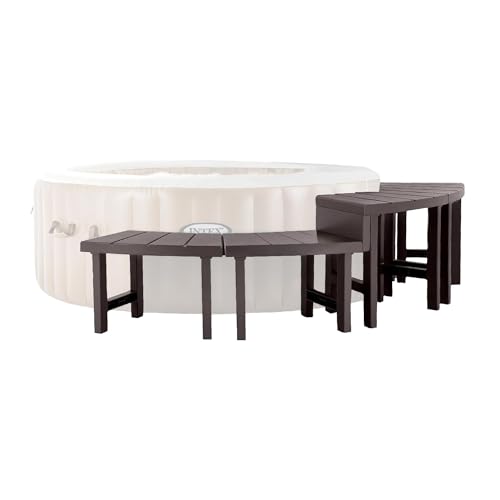
BENCH SET: Set of 2 Medium and 2 Tall curved PureSpa Accessory Benches provide convenient seating and storage to your hot tub setup
Pricing Strategies for Hosts: Dynamic Tools, Discounts, and Minimum Stays
Premium amenities let you charge more, but pricing intelligently makes that extra revenue repeatable. Dynamic pricing tools automate rate adjustments based on market data, local events, demand spikes, and seasonal trends, helping you hit better occupancy without over-discounting.
Pair those tools with a clear discount strategy. Weekly or monthly rate reductions convert longer stays and reduce vacancy. Set minimum stays during peak windows to stabilize bookings and lift your average nightly revenue, but tune those rules with data so you’re not blocking profitable short stays.
Review bookings, local event calendars, and competitor rates weekly to refine your fee structure. The goal is higher occupancy with a sustainable increase in average nightly rate.
- Deploy dynamic pricing tied to market data and competitor rates.
- Offer discounts for extended stays.
- Enforce minimum stays during high-demand dates.
- Monitor seasonal trends and local events.
- Balance cleaning and service fees with perceived value.
Taxes, Fees, and Local Rules That Add to Your Per-Night Cost
Fees and local regulations can shift your total cost quickly. Factor them in before you book. Kentucky listings show a clear pattern: about 97% add a cleaning fee averaging $30, and roughly 95% require a security deposit near $150.
On top of that, Airbnb charges hosts a standard 3% service fee on booked stays, which affects overall pricing. Local tax rules vary by county and city; some jurisdictions layer short-term rental taxes that can noticeably increase the effective per-night cost.
Model the full picture before booking: base rate, cleaning fee, refundable security deposit, platform fee, and local taxes. Hosts who price transparently build guest trust, and guests who understand the fee structure avoid unpleasant surprises at checkout.
How Guests Find the Best Nightly Deals (Search Tips and Booking Timing)
Looking for the lowest per-night rate in Kentucky? Timing and search tactics matter more than most guests realize.
Local events and seasonal trends drive most price variance. Weekdays and off-peak windows consistently offer lower rates. Combine price alerts with flexible cancellation policies to stay nimble and catch last-minute drops.
- Set price alerts across platforms to catch promotions and market shifts.
- Target weekday stays and shoulder seasons when demand falls.
- Filter for listings with flexible cancellation so you can rebook if a better rate appears.
- Compare recent reviews and amenity lists to confirm real value, not just a low price.
- Use local event calendars and occupancy trends to time your booking.
Comparing similar listings and watching real-time signals helps you make smarter decisions and avoid overpaying.
Frequently Asked Questions
What’s a Good Price per Night for Airbnb?
Aim for about $80–$200 nightly depending on location and property size. Do a price comparison across similar listings, track seasonal trends, and factor in fees to identify a fair rate.
What Is the 75-55 Rule for Airbnb?
The 75-55 rule is an Airbnb pricing guideline that targets 75% occupancy over 55 days. Hosts use it alongside seasonal adjustments and market data to set rates that balance bookings and revenue.
What Are the Average Nightly Rates for Airbnbs in Louisville?
Louisville averages about $216 per night. Larger listings with four or more bedrooms near popular neighborhoods and attractions average around $365. Rates climb further during major events and for listings with strong ratings and key amenities like Wi-Fi, A/C, and a full kitchen.
Conclusion
Kentucky’s $150 average nightly rate is your starting point for 2026. It shifts with city, season, and property type. Louisville and Lexington trend higher; rural cabins and treehouses come in lower; festivals spike rates sharply. Use dynamic pricing tools if you’re a host, watch fees and taxes as a guest, and book off-peak when you can. Compare nightly ranges, amenities, and cancellation policies to lock in the best deal.
