
In the U.S., welding costs per inch depend on the metal type and welding method. Prices generally run from $0.50 to $4.00 per inch for typical shop and mobile work. Mild steel falls between $0.50 and $2.00 per inch, while aluminum ranges from $1.25 to $4.00. Labor rates typically run from $50 to $125 per hour, depending on the technique used. Project complexity can push costs higher, so it pays to understand what drives pricing before you request a quote.
Quick Answer
- Welding costs range from $0.50 to $4.00 per inch, depending on metal type and method.
- Mild steel is the most affordable option ($0.50–$2.00/inch); aluminum is the most expensive ($1.25–$4.00/inch).
- Labor typically makes up 60%–70% of your total project cost.
- TIG welding carries the highest hourly rate ($75–$125/hr); stick welding is the lowest ($50–$75/hr).
- Get multiple quotes, simplify your design, and handle prep work yourself to keep costs down.
Factors Influencing Welding Costs per Inch
Several factors shape your welding cost per inch, and knowing them helps you budget more accurately.
The type of metal matters most. Mild steel, stainless steel, and aluminum each fall in different price ranges. The welding technique also plays a big role. Stick, MIG, and TIG welding carry different labor rates, and those differences add up fast.
The choice of metal and welding technique significantly influences the overall costs of your welding project.
TIG welding carries the highest labor cost of the three common methods. Thicker or more complex materials require more skill and time, which raises the hourly rate further.
Keep in mind that labor and overhead typically make up about 60% to 70% of your total project budget. That single factor often determines whether a project is affordable or not.
Cost Breakdown by Welding Method
Each welding method has its strengths, but the cost per inch varies widely. The table below shows typical ranges for common materials and techniques.
| Welding Technique | Cost per Inch |
|---|---|
| Mild Steel | $0.50 – $2.00 |
| Stainless Steel | $1.00 – $3.50 |
| Aluminum | $1.25 – $4.00 |
| Stick Welding | $50 – $75/hour |
| MIG Welding | $65 – $90/hour |
| TIG Welding | $75 – $125/hour |
Thicker materials and complex joints can push hourly rates beyond these ranges. Use this table as a starting point, not a final figure.
Products Worth Considering

MULTI PROCESS: Experience the convenience of a high-quality, budget-friendly 3-in-1 welding machine that masterfully handles Gasless Flux Core MIG/Stick/Lift TIG(additional 10-25 lift TIG torch required). This unit caters to a wide range of welding applications and meets your various welding needs.

【4-in-1 Multifunctionality & Superior Welding Performance】The BESTMIG MIG145 supports dual voltage of 110/220V and combines Gas/Gasless MIG,Stick and Lift TIG in one unit.Compatible with solid steel wire and stainless steel wire from .030"~0.03" diameter (MIG welding,“GMAW”), with .030"~.040" flux-cored wire and with .030"~.040" Silicon. Offering a 30% increase in work efficiency compared to traditional MIG welders.Featuring a smooth arc, excellent penetration, and minimal spatter, easily handles stainless steel, carbon steel, and mild steel up to 3mm (2/5") thick, meeting diverse welding needs.

Material Type and Its Impact on Pricing
The material you choose directly affects what you pay per inch. Each metal presents its own challenges:
Material selection is crucial for managing welding costs, as each type presents distinct challenges and requirements.
- Mild Steel: Costs range from $0.50 to $2.00 per inch, making it the most budget-friendly choice for most projects.
- Stainless Steel: Prices vary from $1.00 to $3.50 per inch. Its corrosion resistance requires specialized techniques that add to the cost.
- Aluminum Welding: The priciest option, from $1.25 to $4.00 per inch. It demands careful handling and advanced methods to weld correctly.
- Filler Metals: These consumables typically add about 10% to total costs. The exact amount depends on the base material being welded.
Picking the right material is not just a cost decision. It also determines which welding technique will produce a strong, lasting joint.
Products Worth Considering

ER4043 TIG WELDING ROD: ER4043 is a 5% silicon -containing aluminum and silicon alloy welding rod. It has high silicon content, good liquidity, and strong heat resistance

ER4043 TIG WELDING ROD: This TIG welding rod has 5% added silicon, This can improve the liquidity of the melt pool.

ER4043 TIG WELDING ROD: This TIG welding rod has 5% added silicon, This can improve the liquidity of the melt pool.
Mobile Welding vs. Shop Welding
Where the work happens affects what you pay. Shop welding, done at the welder’s facility, is usually less expensive because the welder has all equipment on hand and no travel time to recover.
Mobile welding, where the welder comes to your site, typically adds a travel or service call fee. Expect to pay an extra $50 to $150 or more on top of the standard rate, depending on distance and your location. For large or immovable projects like structural repairs or farm equipment, mobile service is often the only option, so factor that into your budget early.
Products Worth Considering
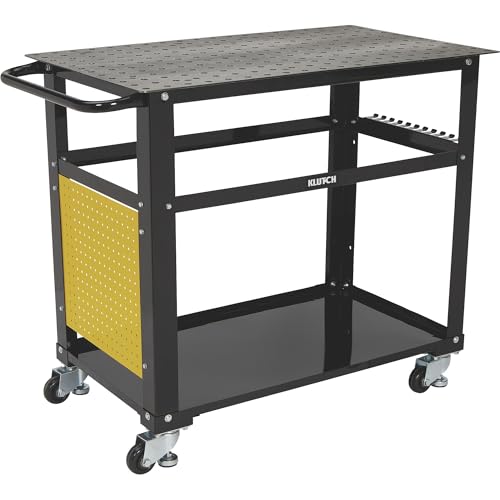
SPACE-EFFICIENT: Experience the convenience of a work table that features a 4mm thick table top with fixed position steel top boards, divided into four separate 20in. x 12in. sections. This work bench table promotes easy organization and efficient use of space, making your welding tasks smoother and more manageable, while allowing you to work on multiple projects simultaneously.

【A Super Versatile Tool Cart】AUTOOL automotive service tool cart adopts high-quality materials, advanced technology, simple layered design, beautiful and stylish! It is a multi-purpose diagnostic vehicle that combines the laptop computer storage layer, the programming power storage layer, the spare parts storage layer and the battery storage layer, which changes the singleness of the traditional tool cart and creates a comfortable, clean and orderly working environment for you.

【Dedicated Specifications, High-Efficiency Transmission】The 4/0-4/0-2/0-4 aluminum mobile home feeder cable is a main power feeder cable designed specifically for manufactured homes. It uses the standard 4/0-4/0-2/0-4 AWG configuration to ensure stable, high-power transmission from the connection point to the main distribution panel
Estimating Project Costs Effectively
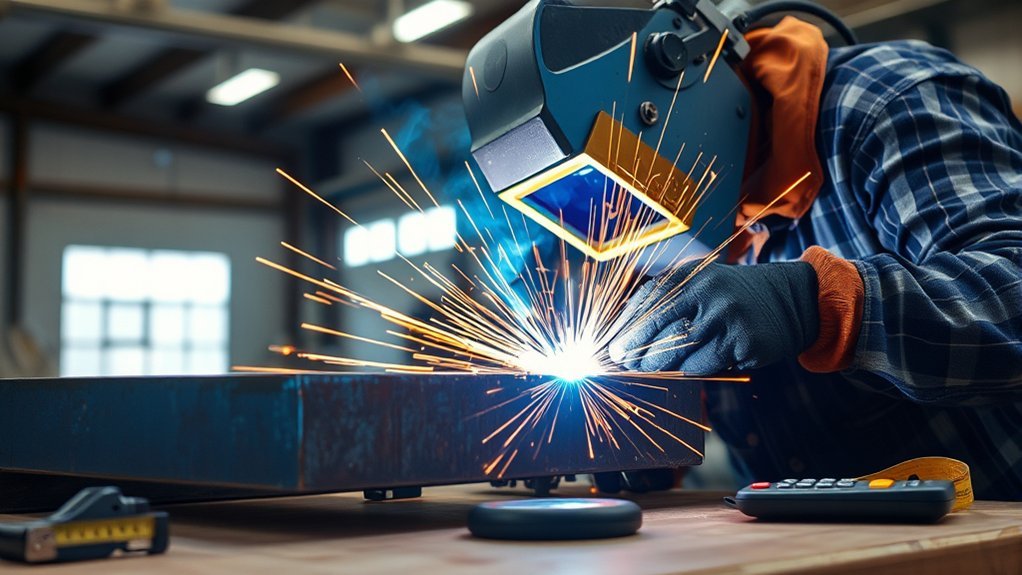
Start with the welding technique and material. Prices run from $0.50 to $4.00 per inch depending on those two factors alone.
Mild steel averages $0.50 to $2.00 per inch. Stainless steel falls between $1.00 and $3.50 per inch.
Labor costs average $50 to $125 per hour and typically account for 60% to 70% of total expenses.
To get an accurate cost estimate, gather quotes from at least two or three welders. This gives you a realistic picture of local market rates. You can also review a step-by-step welding cost guide to understand the math behind each line item.
Always account for project complexity and additional materials. A job that looks straightforward on paper can get more expensive once cutting, grinding, or multiple passes are involved. Detailed job specs lead to more accurate quotes.
Products Worth Considering

🧲 Sticks to Toolboxes & Welders – Heavy-duty magnetic welding chart adheres to metal surfaces like your welding table, toolbox, or wall for instant reference while working.

Richard Finch, Welder's Handbook: A Complete Guide to MIG, TIG, Arc & Oxyacetylene Welding, "Completely Revised and Updated Edition!" paperback

Used Book in Good Condition
Tips for Saving on Welding Expenses

Simplifying your project design is one of the fastest ways to cut costs. Complex shapes take more time and require more skill, both of which raise your bill.
Choosing cost-effective materials like mild steel instead of aluminum or stainless steel also makes a real difference. And handling some prep work yourself can trim labor hours significantly.
Products Worth Considering

MODEL: E6013 is a mild-steel general purpose rod. It operates on AC or DC welding current and works well on low voltage AC machines.

Upgrade Packaging: These welding rods are packed in sturdy plastic packaging that is very waterproof and the welding wire will not get damp even if placed in water. This packaging can be reused

ER70S-6 TIG WELDING ROD: The main alloying elements of ER70S - 6 welding wire are C, Mn, Si, etc. Moderate carbon content ensures weld strength. Mn and Si, as deoxidizers and alloying elements, enhance weld's mechanical properties, crack resistance, toughness and strength
Simplify Project Designs
Simpler designs take less time to weld and cost less to complete. A few practical steps:
- Combine parts to reduce the number of joints and total weld length.
- Plan the design upfront to avoid changes that add complexity later.
- Handle prep tasks like cleaning and assembly yourself to reduce billable labor hours.
- Stick to straightforward shapes that maintain structural strength without extra welds.
Choose Cost-Effective Materials
Mild steel is the most affordable material for most welding jobs. At $0.50 to $2.00 per inch, it costs significantly less than aluminum ($1.25 to $4.00 per inch).
Using mild steel also simplifies the welding process, which can reduce labor costs on top of material savings. Before committing to a material, assess whether your project actually needs the added properties of stainless or aluminum. Often, mild steel gets the job done just as well at a fraction of the price.
Handle Preparatory Tasks
Taking care of prep work before the welder arrives cuts down billable time. Four tasks worth handling yourself:
- Clean and Align Materials: Remove rust, paint, and grease so the welder can start immediately.
- Simplify Designs: Finalize the design before work begins to avoid mid-job changes.
- Plan Ahead: Schedule during slower periods when welders may offer better rates.
- Provide Clear Specifications: A detailed project description leads to accurate quotes and fewer surprises.
Key Questions to Ask Your Welder
Before you hire, ask about the hourly rate upfront. Most welders charge $50 to $125 per hour depending on their experience and the method required.
Ask whether there are minimum charges for small jobs. Many welders require a minimum of one to two labor hours, often $100 or more, even for quick repairs.
Find out how they calculate cost per inch for your specific material. Prices range from $0.50 to $4.00 per inch, so the answer matters.
Inquire about minimum charges for small projects and how costs per inch are calculated, as prices can vary significantly.
Ask about additional costs for consumables like filler metals and shielding gas. These typically add around 10% to your total.
Finally, verify their welding certifications and confirm they have experience with your specific material and application. Certified welders follow tested standards, which reduces the risk of weld failures on structural or load-bearing projects.
Frequently Asked Questions
What Additional Fees Should I Expect Beyond Welding Costs per Inch?
Expect additional fees for setup, labor, and equipment use, plus material costs for the metals being welded. These can add up quickly beyond the base per-inch rate.
How Can I Ensure Quality While Managing Costs?
Use quality materials and hire skilled welders. Paying a bit more upfront for an experienced welder reduces the risk of repairs later, which often costs more than getting it right the first time.
Are There Minimum Charge Requirements for Small Projects?
Most welders charge a minimum equal to one or two hours of labor, often $100 or more, regardless of how small the job is. Always ask before you commit so there are no surprises.
Does the Complexity of the Design Affect the Cost?
Yes, complex designs take more time and skill, which raises both labor and material costs. Factor this in when setting your budget.
Can I Negotiate the Price With My Welder?
Yes, negotiation is reasonable. Be clear about your budget and project details. A straightforward conversation often leads to a fair agreement that works for both sides.
Conclusion
Understanding what drives welding costs per inch puts you in a stronger position to budget and negotiate. The welding method, material type, and a few smart planning choices can all lower your final cost. Take the time to ask your welder the right questions, get more than one quote, and handle what prep work you can. With the right approach, you can get quality results without overspending.
