Starting an indoor playground typically costs between $50,000 and $500,000. This depends on size, equipment, and location; many full-scale centers commonly average $150,000–$300,000 in startup costs.
Launching an indoor playground is a genuine opportunity for entrepreneurs who want to serve the family market. But the financial side needs careful attention before you sign a lease or buy equipment.
The core costs come down to space (rented or owned), playground equipment, safety features, and business licensing. Getting these numbers right from the start, and backing them with a solid business plan, makes the difference between a smooth launch and an expensive surprise. A detailed plan also helps attract funding and keeps spending on track.
Quick Answer
- Total startup cost: $50,000–$500,000, with most full-scale centers spending $150,000–$300,000.
- Play equipment: $30,000–$150,000, the single biggest variable cost.
- Rent: $2,000–$10,000/month; renovations can add $20,000–$200,000 upfront.
- Licensing and insurance: $3,000–$10,000/year.
- Extra revenue streams (parties, food, retail) can significantly boost margins once you’re open.
Family entertainment is a growing market. A well-run indoor playground can be both profitable and rewarding for owners who plan carefully and understand their numbers.
Setting The Scene For Indoor Playgrounds
An indoor playground gives families a safe, engaging place to spend time together. Children get room to be active and creative, and parents get a break from weather-dependent plans. Demand for these spaces keeps growing as families look for structured, secure environments for their kids. Here, we explore the costs of bringing one to life.
The Rise Of Indoor Play Spaces
Indoor playgrounds have grown steadily in popularity. They offer year-round fun regardless of weather and have become a regular destination for birthday parties, playdates, and family outings. Key reasons for their appeal:
- Weather-proof fun
- Safe and controlled play areas
- Diverse activities for all ages
- Increasing focus on active lifestyles for kids
Benefits For Children And Families
It’s more than just play. Indoor playgrounds support real child development. They deliver physical, mental, and social benefits that families genuinely value.
| For Children | For Families |
|---|---|
|
|
Knowing what it costs to set up one of these spaces is step one for any aspiring owner. Keep reading for the full financial picture.
Initial Considerations
Before the fun begins, the planning work comes first. A few early decisions will shape your entire budget.
Choosing The Right Location

Location can make or break an indoor playground. The best spots have high visibility and easy access for families. Look near schools or family-friendly neighborhoods. Strong foot traffic from the right demographics gives you a real head start.
- Busy family areas drive more walk-in visitors.
- Ample parking matters more than many owners expect.
- Proximity to complementary businesses helps.
Space Requirements
Size shapes both the experience and the cost. You need enough room for play areas and comfortable seating for parents. The square footage you choose directly affects rent and required staffing.
| Play Area Size | Seating Area | Cost Impact |
|---|---|---|
| Large | Adequate | Higher |
| Medium | Cozy | Moderate |
| Small | Limited | Lower |
Local Regulations
Rules differ by location and can have a real impact on your budget. Get familiar with safety codes and accessibility requirements early. Discovering compliance gaps after construction means costly fixes.
- Check with local authorities for specific playground codes.
- Make accessibility a priority for all visiting children.
- Factor safety feature costs into your budget from the start.
Note: safety and testing standards evolve — for example ASTM’s public playground equipment specification was revised in 2025 — so plan around current ASTM, CPSC, and local building/safety codes when budgeting and installing equipment.
Breaking Down The Costs
Here’s where the numbers get concrete. These are the main cost categories to budget for before opening day.
Leasing Versus Ownership Expenses
You’ll either lease or buy your space. Leasing means monthly rent, potential utility fees, and a security deposit. Owning requires a larger upfront investment but can lower long-term costs. Run the numbers for both options before committing.
Equipment And Play Structures
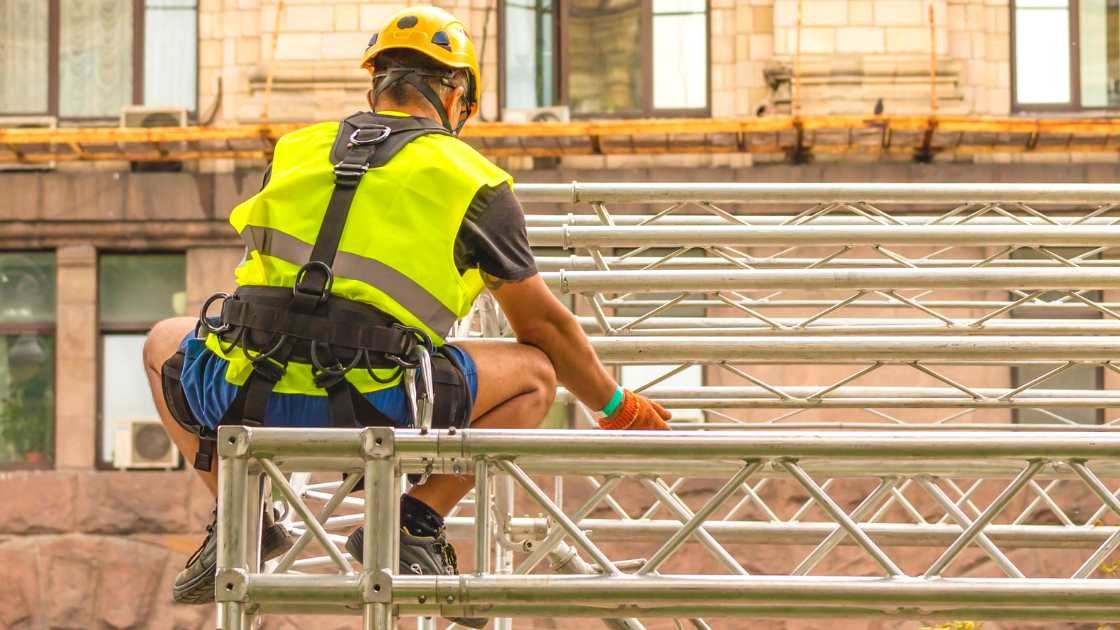
Play equipment is the heart of an indoor playground. Quality structures keep kids safe and give families a reason to return. Costs vary widely based on complexity and size. Commercial-grade playsets range from a few thousand dollars for small soft-play setups to well over six figures for large, multi-level attractions.
Interior Design And Theming
Your theme shapes the first impression. A cohesive design sets your space apart from competitors. Budget for painting, murals, furniture, and decor. DIY design saves money but may not deliver the polished look that draws repeat visitors.
Safety Measures And Insurance
Safety is not a place to cut corners. High-standard safety equipment and comprehensive insurance are non-negotiable. Flooring, padding, and emergency exits protect both children and your business. The CPSC Public Playground Safety Handbook is a useful free reference for understanding baseline safety requirements. Insurance costs vary, but plan for several thousand dollars annually for solid coverage.
| Cost Category | Leasing | Ownership |
|---|---|---|
| Space | Monthly Rent + Utilities | Property Purchase |
| Play Equipment | Varies by selection | |
| Design | Varies by complexity | |
| Safety/Insurance | Yearly premiums + equipment | |
- Lease negotiations might include tenant improvement allowances.
- Purchasing pre-owned play equipment can reduce costs.
- Contracting local artists for theming may support community relations.
- Liability insurance addresses potential accidents on-site.
Operational Expenditures
Once your playground is open, ongoing costs keep it running safely and smoothly. These cover everything from your team to your electricity bill.
Staffing And Training
Your team sets the tone. Employees manage daily operations, maintain safety, and deliver the customer experience that brings families back. Main staffing costs include:
- Hiring: sourcing and interviews
- Salaries: competitive wages to retain staff
- Training: proper onboarding and safety protocols
Maintenance And Cleaning
Regular maintenance keeps the playground safe and appealing. That means inspecting equipment, fixing damage, and refreshing worn features. A clean environment is non-negotiable for health and reputation. Typical costs include:
- Supplies: cleaning products and tools
- Services: professional deep clean scheduling
- Repairs: parts replacement and handyman services
Utilities And Ongoing Costs
Utilities are a steady monthly expense. Lighting, heating, and cooling all add up. Ongoing costs like insurance and marketing need consistent attention. Key utility expenses include:
- Electricity: lighting and electronic equipment
- Water: restrooms and cleaning tasks
- Internet: office admin and booking systems
Smart planning saves real money here. Shop suppliers for the best rates, invest in energy-efficient equipment where you can, and always keep a buffer for unexpected costs.
Additional Revenue Streams
Entry fees are just the starting point. A well-run playground can earn from several directions at once, which helps offset startup costs faster.
Party Packages And Events
Birthday parties and group events bring reliable, advance-booked income. Large groups guarantee revenue and fill your space on weekends. Consider offering:
- Custom party themes – From princess castles to pirate adventures.
- Group discounts – More guests, more playtime.
- Event hosting – For school trips or holiday fun days.
Food And Beverage Services
Kids play hard and get hungry fast. A simple food and drink setup keeps families on-site longer and adds revenue with relatively low overhead. A basic menu might include:
- Healthy snacks – Fruit cups or yogurt parfaits.
- Meals for kids – Pizza slices or chicken nuggets.
- Drinks – Juices, water, and kid-friendly smoothies.
Ancillary Services And Retail
A small retail corner or scheduled classes add another income layer without major investment. Popular options include:
| Service/Retail Item | Description | Price Range |
|---|---|---|
| Toy Shop | Popular playthings and branded items | $5-$20 |
| Craft Classes | Weekly themed craft activities | $10-$15 per class |
| Photography | Professional photos of the fun times | $20-$50 per session |
Financial Planning And Support
Good financial planning is what turns an exciting idea into a sustainable business. Here’s what to focus on before you open.
Creating A Robust Business Plan
A business plan is your roadmap. It keeps you focused and helps convince lenders or investors that you know what you’re doing. The SBA’s free business plan guide is a solid starting point for first-time owners. Your plan should cover:
- Startup costs. All one-time costs to open your playground.
- Operational expenses. What it costs to keep the doors open each month.
- Revenue estimates. A realistic projection of income.
- Financing needs. How much you need to raise and from where.
Funding Options
There are several ways to fund a playground startup:
- Personal savings: The simplest option if you have the capital.
- Bank loans: Available if your plan shows a credible business case.
- Investors: Some individuals will back a business in exchange for a share of returns.
- Government grants: Occasionally available, particularly for community-focused ventures.
Each option has trade-offs. Match the funding approach to your business structure and risk tolerance.
Navigating Financial Uncertainties
Things don’t always go to plan. An emergency fund matters. It’s money you keep in reserve for when costs exceed projections or revenue dips unexpectedly. To stay prepared:
- Set aside an emergency fund before you open.
- Get the right insurance. It protects against large, unexpected costs.
- Track cash flow closely. Know what’s coming in and going out at all times.
Having a backup plan keeps your playground running even through rough patches.
Real Cost Examples
Real-world numbers give a better picture than estimates alone. Here’s what some indoor playground owners actually spent to get started.
Case Studies Of Successful Indoor Playgrounds
- Happy Playland: Opened with an initial investment of $250,000. Features include play structures, a café, and party rooms.
- Jumping Jack’s Funhouse: Started with $500,000. The playground boasts state-of-the-art equipment and interactive games.
- Adventure Kids Zone: Required a starting capital of $75,000 for a smaller-scale operation, focusing on creative play areas.
Cost Analysis From Industry Insiders
| Item | Average Cost |
|---|---|
| Play Equipment | $30,000 – $150,000 |
| Rent | $2,000 – $10,000/month |
| Renovations | $20,000 – $200,000 |
| Licensing and Insurance | $3,000 – $10,000/year |
| Marketing | $1,000 – $5,000/month |
Frequently Asked Questions For How Much Does It Cost To Start An Indoor Playground
Are Indoor Playgrounds Profitable?
Indoor playgrounds can be profitable, especially in areas with high demand for children’s entertainment and limited outdoor options. Success depends on sound management and consistent marketing.
How To Start Up An Indoor Playground Business?
Start by researching local demand. Then write a detailed business plan, find a suitable location, get the necessary permits, buy safe equipment, and launch with a marketing strategy aimed at local families.
How Much Does It Cost To Build A Playground At Home?
A home playground can cost anywhere from $500 for basic equipment to $10,000 or more for a high-end setup. Size, materials, and complexity are the main cost drivers.
How Big Should An Indoor Playground Be?
Size varies by concept. A small soft-play café might run around 1,000 square feet, while most full-scale indoor playgrounds range from 3,000 to 10,000-plus square feet depending on capacity and activity mix.
How Do I Write A Business Plan For An Indoor Playground?
Cover your vision, target market, and competitive landscape. Include your facility layout, safety measures, marketing strategy, and financial projections. A clear plan builds investor confidence and keeps your launch on track.
Conclusion
Starting an indoor playground involves real costs that vary widely by location, size, and equipment choices. Plan carefully, get the right insurance, and build in a financial buffer. With solid preparation and realistic expectations, it’s a business worth pursuing.