
Taipei in 2026 is affordable by major Asian-city standards, but you still need to budget carefully. If you’re single, plan on about NT$55,000 to NT$80,000 a month, with frugal living possible near NT$30,000 to NT$45,000. A one-bedroom in central districts often runs NT$24,000 to NT$36,000, while food, transit, utilities, and health insurance stay relatively manageable. Families should budget more, especially for housing and schooling, and the details matter further.
How Much Does Taipei Cost in 2026?
Your baseline covers rent, food, and transit, with room for modest control through budgeting tips. A one-bedroom in central Taipei is projected at $800 to $1,200, and outside the center it’s $500 to $800.
Your baseline covers rent, food, and transit, with room for modest budgeting flexibility.
Groceries should run $200 to $350 a month, and dining out adds another $150 to $250. Public transportation stays accessible: one-way rides cost about NT$25, and a monthly pass is around NT$1,200.
Compared with Tokyo and Singapore, Taipei’s overall cost is about 30% to 40% lower, which makes it a practical choice for expat experiences that prioritize freedom, mobility, and lower fixed costs without sacrificing urban access.
Taipei Rent by District
Taipei’s rent varies sharply by district, so location has a big impact on your monthly budget. In 2026, rental trends show clear premiums in central, high-amenity neighborhoods, while outer districts stay more affordable. You can use district choice to align housing with your freedom, commute, and social life.
- Daan: one-bedroom units run $900-$1,300; expat preferences favor its active, central setting.
- Xinyi: one-bedrooms cost $1,100-$1,600, reflecting modern amenities and nightlife demand.
- Zhongshan and Songshan: expect $800-$1,200 for one-bedroom apartments with food and transit access.
- Shilin, Tianmu, Neihu, and Nangang: two-bedrooms range from $1,300-$2,200 in family and tech corridors.
If you want liberation from long commutes, district selection matters as much as apartment size. Expat preferences often cluster where lifestyle, schools, or work access justify higher rent.
Monthly Taipei Budget for Singles and Families
For a single expat, a monthly Taipei budget typically falls between $1,800 and $2,500, though frugal living can bring it down to about $1,000 to $1,400.
You can keep control by tracking essential expenses first: rent, utilities, internet, transport, and basic household needs. In central districts, a one-bedroom apartment often costs $800 to $1,200; outside the core, expect $500 to $800.
Utilities usually add $60 to $120, and internet runs about $20 to $30. Families should plan for $3,000 to $4,500 a month, with housing and schooling driving most of the total.
Your budgeting strategies work best when you separate fixed costs from flexible ones and review them monthly. If you want more freedom, choose lower-rent areas and keep recurring costs lean.
Dining out and groceries can still raise your total, so monitor them closely to avoid drift.
Taipei Food Costs: Street Food to Restaurants
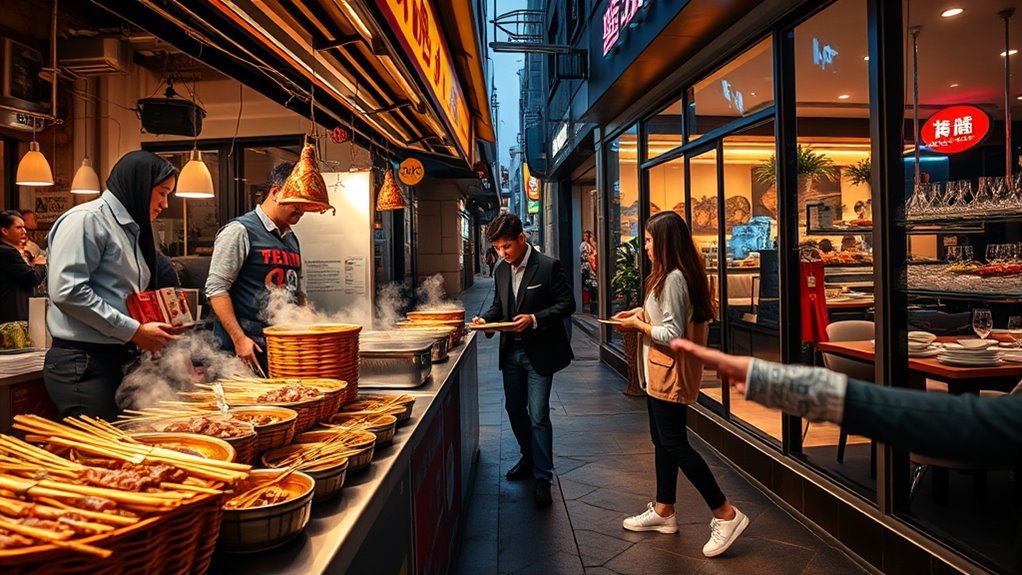
When you eat in Taipei, street food can keep costs low, with Pearl Milk Tea typically priced at NT$49–NT$59 and many night market meals available for under $5.
If you choose restaurants, an inexpensive meal averages about NT$197, while a mid-range meal for two can reach around NT$200.
These prices make it easy for you to compare budget-friendly snacks with sit-down dining options.
Street Food Prices
Street food in Taipei is particularly inexpensive, with a classic pearl milk tea typically costing NT$49–NT$59 (about $1.55–$1.86) at street vendors. You can eat well without stretching your budget, and popular vendors often set the pace for food trends.
- Pearl milk tea: NT$49–NT$59
- Night market meals: under NT$160
- Snacks like bao or dumplings: low-cost, filling
- Seasonal items: priced for easy access
These prices let you move freely through the city’s food scene and spend less time calculating every bite.
If you’re tracking Taipei food costs, street stalls deliver strong value, variety, and convenience. You’ll find that modest spending still gets you real flavor, quick service, and broad choice.
Restaurant Meal Costs
After Taipei’s low-cost street food, restaurant meals still stay relatively affordable. You can eat at an inexpensive restaurant for about $6.19, or NT$197, with dishes like beef noodles.
If you want a fuller sit-down meal, a three-course dinner for two at a mid-range spot can run near NT$200, which keeps shared dining within reach. Night market dinners often stay under $5, so you can choose freedom over expense without sacrificing variety.
Taipei’s fine dining scene also costs less than comparable options in many Western cities, making Michelin-recognized meals less exclusive than you might expect.
As food trends shift, Taipei lets you explore quality dining, local flavors, and budget control in the same city.
Transportation Costs in Taipei
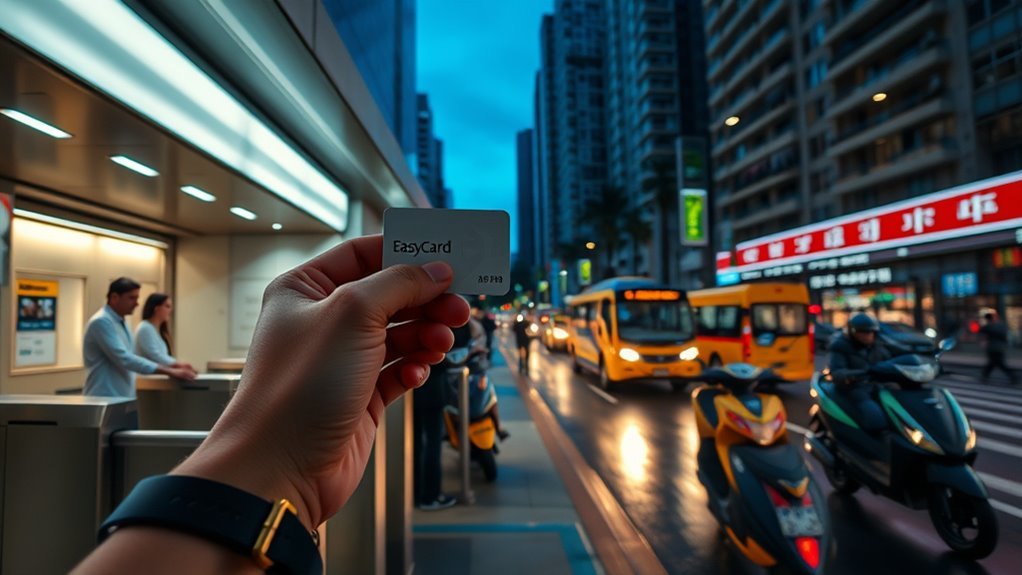
- Single local ride: NT$25
- Monthly pass: about NT$1,200
- Taxi start fare: NT$85
- Longer taxi trips: metered rates apply
Use taxis when you need door-to-door flexibility, but expect to pay more than transit.
Compared with Taipei’s utilities at about NT$2,418.58 and home internet near NT$791.13, transport remains a manageable line item.
For your budget, public transit lets you move freely without locking up cash in a car.
Best Taipei Districts for Expats
If you’re choosing where to live in Taipei, your best district depends on budget and lifestyle:
Daan offers rents around $900 to $1,300 and suits those who want cafes and quick access to National Taiwan University, while Xinyi runs higher at $1,100 to $1,600 for a modern business setting with nightlife and amenities.
Zhongshan and Songshan are solid middle options, with rents from $800 to $1,200, strong food culture, and easy downtown access.
If you’re raising a family or want more space, Shilin and Tianmu cost more, with two-bedroom units from $1,300 to $2,200, but they’re close to international schools.
For newer buildings and tech-focused lifestyles, Neihu and Nangang also fall near $800 to $1,200 and attract expat communities tied to the industry.
Your housing preferences should guide the tradeoff between price, convenience, and lifestyle. Choose the district that matches how freely you want to live.
Taipei Visa Options and Health Insurance
Once you’ve picked a Taipei district that fits your budget and lifestyle, the next step is sorting out the legal and practical side of the move: visas and health coverage.
You can enter visa-free if you hold a passport from one of 60+ eligible countries, usually for 90 days, and sometimes extend for another 90. For longer stays, your visa requirements change: work visas need a Taiwanese employer’s sponsorship, and student visas require enrollment at an accredited school.
Taiwan still doesn’t offer a digital-nomad visa, so remote work plans need careful checking.
- ARC holders can join NHI after six months.
- NHI costs about $60-$80 per month.
- Newcomers should budget for private health insurance first.
- Expat plans often start near $100 monthly.
This structure gives you a clear path to stay legal, protected, and mobile while you settle in Taipei.
Taipei vs Other Asian Cities
Compared with other major Asian cities, Taipei offers a strong balance of affordability and quality of life: it’s roughly 30% to 40% cheaper than Tokyo or Singapore, while still delivering safety, efficient public transport, and relatively low food costs compared with Seoul.
In this Taipei affordability comparison, you’ll likely spend less on daily life without giving up urban freedom. Rent is also far below New York, about 77.6% lower, which keeps housing pressure manageable.
Taipei costs more than Bangkok or Ho Chi Minh City by 30% to 50%, but you get stronger healthcare and public services in return. Average monthly family expenses sit near NT$47,936.5, placing you in a mid-range position among Asian capitals.
Taipei costs more than Bangkok or Ho Chi Minh City, but offers stronger healthcare and public services in return.
Cultural lifestyle differences also matter: Taipei feels more balanced, less frantic, and easier to navigate than denser regional hubs. For you, that means more room to choose a sustainable pace, not just the lowest price.
Frequently Asked Questions
How Much Do You Need to Live Comfortably in Taipei?
You’ll need about $1,800–$2,500 monthly to live comfortably in Taipei as a single expat; families usually need $3,000–$4,500. Your housing options, groceries, transport, and other daily expenses drive the total.
How Much to Live in Taipei for a Month?
You’ll need about $1,800–$2,500 monthly. Like a lantern guiding your path, that covers housing options, grocery prices, transportation costs, and entertainment expenses; frugal living can drop it to $1,000–$1,400.
Is It Cheaper to Live in Taiwan Than the US?
Yes—Taiwan’s generally cheaper than the US. You’ll usually spend less on Taiwan housing, Taipei transportation, local cuisine, and cultural experiences, with Taipei costs roughly 45% below New York and meals far more affordable.
How Far Does the US Dollar Go in Taiwan?
You’ll stretch dollars quite far—Taiwan won’t demand a second mortgage for lunch. With currency exchange near 30.5 NTD per USD, your local purchasing power covers meals, transit, groceries, and moderate rent efficiently.
Conclusion
So, if you came to Taipei expecting a cheap surprise, you’ll find a more interesting one: it’s affordable only if you know exactly where your money goes. You can eat well, ride cheaply, and rent smartly, but “budget-friendly” still has rules. In 2026, Taipei rewards planning, not guesswork. When you track rent, food, transport, and insurance, you’ll see the city isn’t expensive at all—unless, of course, you stop budgeting.
