

In Portland, you should budget about $4,500 to $6,000 a month in 2026 for a comfortable single-person lifestyle. Rent for a one-bedroom often runs $1,500 to $1,800, while utilities, transit, groceries, and insurance can add another $1,100 or more. Oregon’s income tax, Arts Tax, and housing choice also shape your total. If you’re comparing neighborhoods, renting, or buying, the numbers can shift fast and the details matter.
How Much Does It Cost to Live in Portland?

So, how much does it cost to live in Portland? You’ll face a cost of living that asks you to budget carefully, but not blindly.
The average cost of living rises most sharply through housing: monthly rent for a one-bedroom runs about $1,800, and the median home price sits near $700,956.
Housing drives Portland’s cost of living, with one-bedroom rent around $1,800 and median home prices near $700,956.
Add utilities around $250 a month, and your baseline grows fast.
Transportation costs can stay manageable if you use transit, since fares cap at $100 monthly.
Grocery costs for one adult average about $400 a month, with staples like milk and eggs adding up.
To live with room to breathe, aim for a pre-tax income of roughly $65,000 to $75,000 a year. That range helps you cover essentials, keep choices open, and resist financial strain.
Portland Housing Costs: Renting vs. Buying
When you compare Portland housing costs, you’ll see that rent varies by neighborhood, with one-bedroom apartments averaging about $1,500 to $1,800 and studios around $1,250.
If you’re thinking about buying, the median home price sits near $515,000 to $530,000, and you’ll likely need a household income of $120,000 to $140,000 to manage it comfortably.
Your choice comes down to tradeoffs: renting usually means lower upfront costs and more flexibility, while buying can make sense if you plan to stay long enough to absorb the higher monthly commitment.
Renting Costs by Neighborhood
Where you rent in Portland can make a big difference in your monthly budget. In 2026, your renting costs depend heavily on neighborhoods.
The average rent for a one-bedroom apartment is about $1,800, and that sets a clear baseline for your monthly rent. If you want affordable options, look at Portland Heights or Parkrose, where one-bedrooms run near $1,235 and $1,238.
Premium areas like The Pearl and Madison South push average rent above $2,100, so expect less room in your budget. Studios average about $1,250, while two-bedroom apartments usually land near $1,800.
Median Home Prices
Portland’s median home price is projected to reach about $700,956 in 2026, which puts it well below Seattle’s $800,000-plus market but still well out of reach for many households.
If you’re tracking median home prices, you’ll see how the Portland Cost of Living still demands serious planning. A typical monthly mortgage on that price can stretch a budget, especially once taxes, insurance, and maintenance expenses include more than just principal and interest.
For most home buyers, a median household income around $120,000 to $140,000 gives you the room to afford ownership without constant strain. If you earn less, you may need a little extra savings or flexibility.
Because inventory is projected at 3.4 months, you’ll face less competition, but you should still budget carefully.
Rent vs. Buy Tradeoffs
Once you weigh Portland’s median home price against monthly rent, the rent vs. buy decision gets clearer.
At a Median Home Cost of about $585,000, you’ll need strong income to buy comfortably, usually $120,000 to $140,000. Renting a one-bedroom for about $1,800 monthly keeps your housing expenses lighter and your options open.
Portland’s rental market runs about 20% cheaper than Seattle’s, and buyers can save roughly $250,000 on a home here. With inventory at 3.4 months, bidding wars aren’t as fierce, so buying feels less punishing.
- Renting can free your cash flow.
- Buying can build equity and stability.
- Your best choice depends on your freedom goals.
Portland Taxes and Your Budget
Although Oregon’s tax structure can make budgeting feel a bit different, it also gives you a clearer picture of what you’ll actually pay on everyday purchases because the state has a 0% sales tax. That means your costs won’t jump at checkout, but your state income tax is higher than the national average, so your take-home pay matters more in budget planning.
In Oregon’s tax system, rates rise from 4.75% to 9.9%, and the top bracket hits single filers earning over $125,000. If your income moves around, your expenses depend on how much you earn that year, so plan for swings.
If you buy a home, Multnomah County’s property tax rate of about 1.08% affects ownership costs. Don’t overlook the $35 Arts Tax for each income-earning adult.
When you compare median prices in Portland, these taxes can change what feels affordable and where your money stays free.
Products Worth Considering

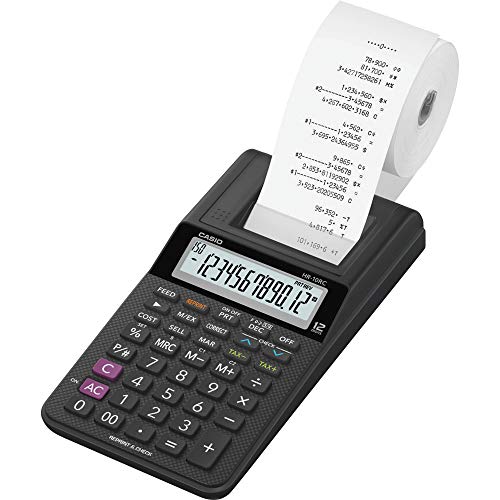
Easy paper Loading: we have made Loading paper easier than ever by moving the paper slot higher up on the printer; No more jamming your fingers to load paper
COMPACT & PORTABLE- Mini desktop size with rubberized keys for fast, comfortable input in office or on-the-go environments.
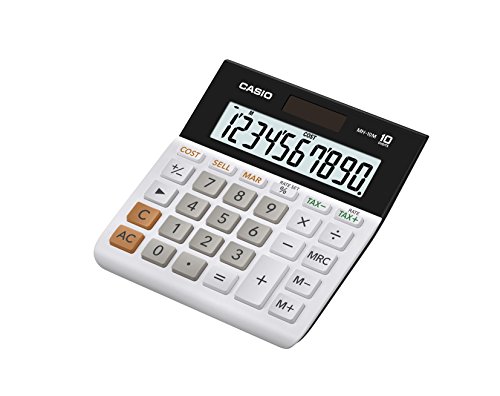
EXTRA-LARGE 10-DIGIT DISPLAY – Clear, oversized screen allows for easy viewing of multi-digit numbers, reducing input and reading errors.
Portland Utility, Transit, and Grocery Costs

When you budget for daily life in Portland, utilities, transit, and groceries can take a bigger bite out of your monthly costs than you might expect. Your utility costs for a standard apartment average about $250 a month for electricity, water, and internet, so plan ahead.
Utilities, transit, and groceries can take a bigger bite out of your Portland budget than expected.
Public transit helps you stay mobile and free, with monthly transit fares capped at $100 and wide city coverage, while high gas prices near $4.00 a gallon can push driving costs higher.
- You may feel relief when your commute stays predictable.
- You may feel pressure when grocery prices climb above the national average.
- You may feel empowered when you track each dollar.
For a single adult, monthly food budgets often reach $400, and food costs rise fast if you eat out, with mid-range meals at $15 to $20.
On average, these living costs demand discipline, but they also give you room to choose the path that fits your freedom.
Portland Healthcare and Lifestyle Costs
Healthcare and lifestyle costs in Portland can add up quickly, especially if you’re budgeting without subsidies. You’ll likely pay about $450 a month for individual health insurance, which pushes your monthly expenses above the national average.
Routine doctor visits also aren’t cheap: expect around $264 for a typical family visit and about $122 for a dentist appointment.
Your food budget matters too. A single adult usually spends roughly $400 a month, and grocery prices tend to run higher than elsewhere. If you eat out, mid-range dining out often costs $15 to $20 per person, so restaurant habits can raise lifestyle costs fast.
Portland’s fitness culture gives you options, but gym memberships range from $40 to $150 each month. That spread shows the city’s average costs depend on how intentionally you choose.
If you want more freedom, plan carefully, compare providers, and decide which services truly serve your life.
Is Portland Cheaper Than Seattle?
Yes—if you’re comparing Portland and Seattle, Portland usually comes out cheaper, especially on housing. You’ll see it in the prices: median home prices sit around $585,000 in Portland, while Seattle homes often top $800,000. That gap lowers the income you need to buy, and it can make moving to Portland feel more realistic if you want more freedom from crushing housing costs.
- Rent relief: A one-bedroom averages about $1,800, so your monthly costs around shelter stay more manageable.
- Everyday savings: No sales tax means routine purchases don’t quietly raise your bill.
- Better balance: Portland’s overall cost of living is about 21% above the national average, but it still beats Seattle on utilities, transportation, and overall pressure.
Portland can still be expensive to live in, but the math usually favors you if you’re choosing between the two cities.
Frequently Asked Questions
What Salary Do You Need to Live Comfortably in Portland, Oregon?
You’ll need about $65,000–$75,000 as a single renter, or $120,000–$140,000 for a family, to cover housing market rental prices, transportation costs, grocery expenses, utility bills, healthcare rates, entertainment options, childcare expenses, and savings strategies.
What Is the Cost of Living Expense for 2026?
You’ll face housing market, transportation costs, and utility expenses first; add grocery prices, healthcare rates, childcare costs, dining out, entertainment budget, and taxes overview, and you’re looking at about 21% above national averages.
Could I Live in Portland if I Made $45 an Hour?
Yes, you could live comfortably in Portland at $45 an hour. Your Housing Market, Transportation Costs, Grocery Prices, Utility Expenses, Healthcare Access, Entertainment Options, Tax Implications, Neighborhood Differences, and Lifestyle Choices should all fit.
What Is the Most Expensive State to Live in 2026?
California’s the most expensive state in 2026. You’ll feel it in expensive cities, the housing market, income taxes, utility expenses, food prices, and transportation costs; your cost comparison should track economic trends and lifestyle choices.
Conclusion
In Portland, you’ll need to budget carefully for housing, taxes, utilities, groceries, healthcare, and everyday lifestyle costs. Rent can eat a big slice of your income, while buying often demands even more upfront. Still, with smart planning, you can keep your finances steady and avoid a wallet-draining surprise. Compared with Seattle, Portland may feel a little easier, but it’s still no budget picnic. Know your numbers, and you’ll move here with confidence.
