

If you’re planning life in Dallas, you’ll want a clear, numbers-first view of what monthly living actually costs—housing, utilities, food, transport and more—and how those add up against median incomes. Rent and housing dominate expenses, but utilities, groceries and childcare can quickly change your budget. I’ll break down typical monthly and annual costs so you can see what salary and tradeoffs make sense and where to prioritize.
Quick Answer
- A single person needs about $2,649 monthly, while a family of four requires around $5,834 (1% above U.S. average).
- Average rent is $1,576; one-bedroom averages $1,343, two-bedroom $1,719.
- Median home value is $302,000.
- Utilities average $227 for a 915 sq ft unit; groceries $450 for singles, $989 for families.
- Transportation: $9,418 annually for a single adult driving; DART pass $126 monthly.
- Comfortable salary: $96,506 for a single adult, $218,000 for a family of four.
Monthly Budget Breakdown for a Single Person and Family

Although Dallas is generally more affordable than the national average, you’ll still want to plan precisely. A single person can expect an average monthly budget of about $2,649 (roughly 1% above the U.S. average), while a family of four typically needs about $5,834 per month (about 1% above the national average).
You’ll see major portions go to housing costs: one-bedroom rent averages $1,343 and two-bedrooms about $1,719, so rent costs dominate the monthly budget for singles and families.
Add utility bills around $227 for a typical 915-square-foot unit. Factor in transportation costs—roughly $9,418 annually per single adult for fuel, insurance, and maintenance.
When you tally expenses in Dallas, allocate roughly a third to housing and a tenth to utilities. Transportation varies by commute.
Look for affordable options like smaller units, bundled services, or carpooling to trim that overall average monthly spend.
Current Rent and Housing Market Trends in Dallas
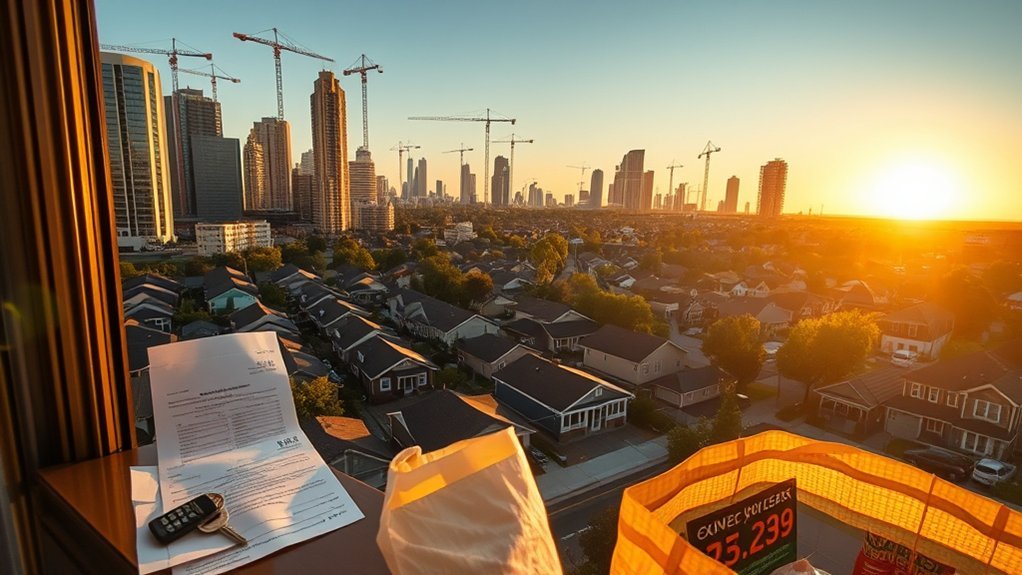
You’ll see average rents in Dallas at about $1,576 across all unit sizes as of February 2026, down from $1,907 a year earlier.
Studio, one‑bedroom, and two‑bedroom averages are roughly $1,224, $1,343, and $1,719 respectively. Low vacancy rates are keeping the rental market competitive.
At the same time, a median home value near $302,000 makes buying more affordable here than in cities like Denver or San Francisco, so weigh rising rents against relatively attractive homebuying options. Additionally, building a house can often be more expensive than buying an existing home, which is an important factor to consider.
Products Worth Considering

Dimensions: rocker recliner: 41"W x 40"D x 39"H

Used Book in Good Condition
Average Rent Prices
Right now the average rent in Dallas is $1,576 (February 2026), down from $1,907 a year ago. That shift tells you rents are falling but still sit below the national average of $1,626.
You’ll find average rent prices vary by unit: studio apartment averages about $1,224 and a one-bedroom apartment runs near $1,343. Two-bedroom units average $1,719 and three-bedrooms about $2,173.
Those figures matter when you budget monthly expenses and compare rental prices in Dallas to home prices—the median home price is $302,000, making homeownership relatively attainable versus other metros.
If you’re weighing affordable housing options, use these data points to project costs and decide whether renting or buying better fits your average living cost plan. Check Zillow housing market trends for more details.
Rental Market Trends
Dallas’s rental market is tightening: average rents fell from $1,907 to $1,576 year-over-year (February 2025–2026), with one-bedrooms around $1,343 and two-bedrooms about $1,719.
Low vacancy rates and pockets of luxury units above $2,500 are pushing competition for affordable listings. You’ll see rental prices climb across neighborhoods, so track the average rent and act fast when you find a fit.
In the competitive rental market, affordable neighborhoods like Vickery and West Kleberg offer relief, but inventory moves quickly. Luxury apartments concentrate in desirable areas and can skew local listings.
Compare rent for a two-bedroom against median home prices near $302,000 to understand wider housing pressure, then prioritize location, lease terms, and timing to secure the best deal.
Homebuying Affordability
If rising rents have you reconsidering long-term housing, look at how buying stacks up: with one-bedrooms averaging $1,343 and two-bedrooms $1,719 (February 2026), and a median home value near $302,000, many renters can find buying more cost-effective over time—provided they meet mortgage and down-payment requirements. You should weigh average rent against mortgage estimates, property taxes, and HOA fees when adjusting your monthly budget. With homeownership rates at 45.2% and a competitive housing market with low vacancy, neighborhood options like Highland Park push prices higher. To afford median rent of $1,576 you’d need about $63,040 annual salary, so use financial planning to compare scenarios for renters and homeowners.
| Factor | Consideration |
|---|---|
| average rent | $1,343–$1,719 |
| median home value | $302,000 |
| annual salary | ~$63,040 needed |
| homeownership rates | 45.2% |
Transportation Costs: Driving vs. Public Transit

When you compare driving versus public transit in Dallas, you’ll weigh ownership costs—insurance, maintenance and an average annual transportation bill of about $9,418 per adult—against DART’s monthly pass of roughly $126.
With gas around $3.20 per gallon and typical monthly gasoline spending near $150, owning a car often still makes sense given the city’s walk score (46) and transit score (39).
If you rely on DART to save money, plan for longer or less predictable commutes due to limited coverage and traffic congestion.
Driving: Ownership Expenses
Owning a car in Dallas can quickly add up: you’re looking at roughly $9,418 per year for a single adult and about $15,798 for a family of four, driven by monthly gas bills near $150 and basic insurance rates of $120–$180.
If you drive regularly in this car-dependent city, factor in maintenance, parking and depreciation alongside gasoline expense and car insurance. Your commute time averages 25.1 minutes, so vehicle use stays high.
- Monthly gasoline expense: about $150 (≈$3.20/gal).
- Car insurance: $120–$180/month for basic coverage.
- Additional ownership expenses: maintenance, parking, depreciation.
- Compare to public transportation: DART monthly pass ≈ $126 when weighing costs.
Public Transit: Cost & Access
Public transit in Dallas can be a cost-effective alternative to driving for some people: DART’s local three-hour pass is $3 and a 31-day pass runs $126, which is far cheaper than monthly driving costs driven by gas, insurance and maintenance. If you’re weighing personal vehicle ownership against the public transit system, note the city is largely car-dependent (walk score 46, transit score 39). Monthly transportation costs reflect that: high fuel spend from an average gas price of $3.20 per gallon and insurance ($120–$180/month) push totals up. Public transportation users save on monthly utility-style expenses tied to vehicles. Use the table below to compare typical costs and decide whether a 31-day pass or owning a car fits your budget.
| Cost item | Transit | Car |
|---|---|---|
| Monthly pass | $126 | — |
| Three-hour pass | $3 | — |
| Fuel (avg) | — | $3.20/gal |
| Insurance | — | $120–$180/mo |
| Convenience | Limited | Higher |
Utilities, Internet, and Mobile Expenses

Although Dallas’ mild winters keep heating costs moderate, you’ll see utility bills rise in summer as air conditioning drives up electricity use; for a 915-square-foot apartment the average monthly utility bill (electricity, water, gas) is about $227.
You should plan utilities, internet, and mobile expenses into your overall monthly expenses so bills don’t catch you off guard. Internet runs about $72.61 per month and mobile plans average $69.09, adding nearly $142 to your budget.
You can reduce strain on monthly expenses by using energy-efficient appliances and improving insulation to curb peak electricity use.
- Utilities: average monthly utility bill (electricity, water, gas) ≈ $227; expect higher summer electricity.
- Internet: typical cost ≈ $72.61/month; factor into housing-related bills.
- Mobile expenses: typical plan ≈ $69.09/month; compare carriers for savings.
- Savings tips: energy-efficient appliances, seal drafts, programmable thermostats to lower overall monthly expenses.
Products Worth Considering
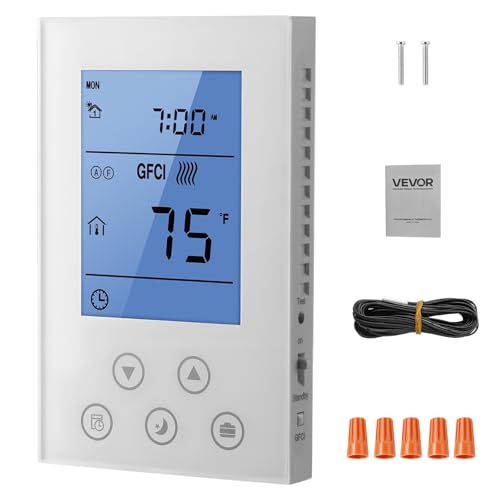
7-Day Programming Feature: This programmable thermostat supports flexible temperature scheduling, reducing the need for manual adjustments. Set different temperatures for various time periods to minimize energy waste

Product Overview The FocusPRO P200 Programmable Thermostat offers your customers optimized functionality that’s easy to use

Smart upgrade - Amazon Smart Thermostat is an easy way to switch from a traditional thermostat and help reduce energy usage.
Groceries, Dining Out, and Entertainment

With utilities and connectivity accounted for, you can next plan food and leisure costs so monthly budgeting stays realistic. For groceries, expect $450 monthly for a single person and $989 for families; include these figures alongside rent when you model your monthly budget.
If you eat out, an inexpensive restaurant meal runs about $15, while a three-course meal for two at a mid-range spot averages $60, so track frequency to avoid surprises.
Entertainment costs are modest: movie tickets average roughly $12, and fitness club memberships run near $50 per month, both easy to plug into recurring expenses.
Dallas also offers free events and low-cost seasonal attractions like the State Fair of Texas and Klyde Warren Park, which reduce discretionary spending.
Use these data points to adjust your budget scenarios—balancing groceries, dining out, and entertainment against rent—so you get a realistic, actionable view of monthly living costs. See Numbeo cost of living data for more on groceries.
Products Worth Considering


Child Care, Healthcare, and Insurance Costs

Child care, healthcare, and insurance are among the biggest non-housing expenses you’ll face in Dallas, so plan for roughly $10,000 per year for one child and about $20,000 for two.
Child care, healthcare, and insurance are major non-housing costs—expect about $10,000/year for one child, $20,000 for two.
While healthcare totals average about $3,058 annually for a single adult and $22,392 for a family of four. You should treat these figures as baseline inputs for budgeting and financial planning.
- Child care: average annual costs drive family budgets; compare center vs. in-home care and factor inflation.
- Healthcare: routine doctor visits cost $100–$200 without insurance; specialist visits are higher—budget for co-pays and deductibles.
- Insurance costs: monthly health insurance premiums for a single person run $314–$453; family premiums average about $1,200/month.
- Actionable planning: use these averages to model monthly cash flow, emergency savings, and tax-advantaged accounts to reduce net out-of-pocket for families of four.
Products Worth Considering

Used Book in Good Condition

Building Strong Parent Relationships: Tips for Success

How Much Salary You Need to Live Comfortably in Dallas

If you want to live comfortably in Dallas, plan your salary around key benchmarks: to afford the median rent of $1,576 you’d need about $63,040 per year, while meeting only basic needs requires roughly $96,506 for a single adult and about $218,000 for a family of four—figures that put the city’s median household income of $78,910 below the comfortable threshold for many households.
Use cost of living data to set targets: a comfortable living wage for a single person is about $22.06 per hour, roughly $45,849 annually, which aligns closely with the basic-needs estimate.
When evaluating salary offers, compare annual income to your essential expenses: rent, utilities, food, transport, healthcare, and childcare.
If your salary won’t comfortably afford median rent, adjust by budgeting tightly, seeking roommates, or targeting higher pay. Aim for an income above the minimum household income benchmarks so you can cover basic needs and save, rather than just survive.
Frequently Asked Questions
What Is the Average Cost of Living in Dallas, Texas With Rent?
You’ll pay about $2,649 monthly including Dallas housing (rent), plus Transportation costs, Grocery prices, Utility expenses, Healthcare rates, Entertainment budget, Dining out, Education fees, Childcare costs, and Insurance premiums—data-driven estimate to plan budget realistically.
How Much Money Do You Need to Live Comfortably in Dallas, TX?
You’ll need about $2,649 monthly to live comfortably in Dallas; that figure reflects housing market trends. Compare affordable neighborhoods, utility expenses, grocery prices, transportation costs, healthcare expenses, entertainment options, lifestyle choices, job market, and saving strategies.
Is $80,000 a Good Salary in Dallas?
Yes — at $80,000 you’ll enjoy strong salary satisfaction: cost comparison favors Dallas, housing market fits, job opportunities exist, and with salary negotiation, tax considerations, financial planning, savings potential, lifestyle choices and quality of life improve.
What Is the Average Cost of Living per Month in Texas?
About $4,500 monthly statewide on average. You’ll use cost comparison for regional differences, track housing expenses, grocery prices, transportation costs, utility bills, healthcare expenses, entertainment budget, education costs, dining out, and community services.
Conclusion
You can live affordably in Dallas — rent averages $1,576, utilities $227, groceries $450–$989 — but comfort demands more. Contrast a $78,910 median household income with $2,649 monthly living costs: doable if you budget tightly, but tight if you’re supporting a family. Use data to decide: prioritize housing, limit discretionary spending, and plan for transportation and childcare. With disciplined budgeting or a higher salary, you’ll move from surviving to comfortable.
