

Last updated: September 8, 2026
The cost of living in Milton Keynes in 2026 is about £835 per month for one person and £2,787 for a family of four, excluding rent, based on current cost-of-living estimates. A one-bedroom apartment is estimated at about £1,235 in the city centre and £930.50 outside the centre. Basic utilities for an 85 m² apartment are roughly £262 a month, internet is about £31, and a typical local monthly transport pass is around £54. Average estimated take-home pay is about £2,543 per month. These are benchmarks rather than a personal budget, and official housing data can differ because it measures the whole Milton Keynes rental market rather than only city-centre locations.
Cost of Living in Milton Keynes: Quick Answer
| Cost | 2026 benchmark | What it represents |
|---|---|---|
| Single person, excluding rent | About £835/month | Estimated everyday living costs |
| Family of four, excluding rent | About £2,787/month | Estimated everyday living costs |
| One-bedroom, city-centre estimate | About £1,235/month | Central-location rental estimate |
| One-bedroom, outside-centre estimate | About £930.50/month | Rental estimate outside the centre |
| One-bedroom, Milton Keynes-wide ONS average | £977/month | Official July 2026 private-rent data |
| Basic utilities, 85 m² apartment | About £262/month | Electricity, heating, cooling, water and waste estimate |
| Internet | About £31/month | 60 Mbps+ unlimited plan estimate |
| Local monthly transport pass | About £54 | Typical local transport estimate |
| Estimated net monthly salary | About £2,543 | Cost-of-living database estimate |
Source note: everyday-cost estimates are based on current Milton Keynes cost-of-living data, including Numbeo. Official housing figures are from the Office for National Statistics. Prices vary by household, property, supplier and lifestyle.

This heartfelt memoir blends laugh-out-loud honesty with tender reflections on love, loneliness, and the unexpected healing power of rescue dogs. Isabel Klee shares her journey fostering pups in the city while navigating dating and self-discovery, offering an intimate, relatable story for readers who enjoy emotional, character-driven narratives. It is a warm, engaging read about opening your heart and finding connection in surprising places.

This daily devotional helps parents pray purposefully for their children through a full year of Scripture readings, reflections, and guided prayer prompts. Written to encourage faithful family discipleship, it offers practical, biblically grounded support for parents who want to shape their prayers around God's Word. A foreword by Sinclair B. Ferguson adds trusted theological insight and encouragement.

This bestselling Christian devotional by Rick Warren helps readers explore life’s meaning through practical, faith-centered guidance. With thoughtful daily reflections and scripture-based insights, it encourages spiritual growth, purpose, and a deeper relationship with God. Its approachable format makes it a trusted choice for personal devotion or group study.
How Much Does It Cost Per Month for a Single Person or Family?

A single person should use about £835 a month excluding rent as a starting benchmark. For a family of four, the comparable estimate is about £2,787 excluding rent.
A practical 2026 starting point is about £835 a month for one person or £2,787 for a family of four before rent.
These totals should not be treated as fixed household budgets. Your actual spending changes with housing size, childcare, commuting, car ownership, eating out and energy use.
Housing is especially important for families. Official ONS data for July 2026 puts average Milton Keynes rent at £1,216 for a two-bedroom property and £1,450 for a three-bedroom property. Four-or-more-bedroom homes averaged £2,087.
Keep rent separate when comparing budgets. Utilities, council tax, internet, mobile service, groceries and transport all continue after you choose a property, and a London rail commute or private childcare can add substantially more.
How Much Is Rent in Milton Keynes?

A one-bedroom apartment is estimated at about £1,235 a month in central Milton Keynes and £930.50 outside the centre. That is a difference of roughly £304.50 a month, or about 25% of the city-centre figure.
However, those location-based estimates should not be confused with the official Milton Keynes-wide rental average. ONS data for July 2026 shows an average of £977 a month for a one-bedroom property across the local authority. The different numbers are not necessarily contradictory: the city-centre estimate focuses on a more expensive location, while the ONS figure covers the wider rental market.
| Property size | Milton Keynes average rent |
|---|---|
| 1 bedroom | £977/month |
| 2 bedrooms | £1,216/month |
| 3 bedrooms | £1,450/month |
| 4 or more bedrooms | £2,087/month |
ONS reported an average private rent of £1,343 across all property sizes in Milton Keynes in July 2026. Use the bedroom-specific figure that matches your housing need rather than relying on one citywide headline number.
For current city-centre cost estimates, see Numbeo.
How Much Are Utilities, Internet, and Mobile?

For an 85 m² apartment, basic utilities are currently estimated at about £262 per month. Internet with 60 Mbps or faster service and unlimited data is roughly £31, while a mobile plan with calls and at least 10 GB of data is around £11.
- Basic utilities for an 85 m² apartment: about £262/month
- Internet, 60 Mbps+ unlimited: about £31/month
- Mobile plan: about £11/month
Together, that is roughly £304 a month before council tax. Energy consumption, property efficiency, household size and your chosen broadband or mobile provider can move the real total significantly.
How Much Is Council Tax in Milton Keynes?
Council tax is a major cost that should be added separately to rent and utilities. For the 2026/27 financial year, a useful Milton Keynes-wide Band D benchmark is about £2,372 per year, or roughly £198 a month if you spread the annual amount evenly over 12 months.
Your actual bill can be higher or lower because Milton Keynes City Council charges vary by property band and parish or town area. Discounts, exemptions and Council Tax Reduction can also change what a household pays.
When comparing two rental properties, check the council tax band as well as the rent. A cheaper flat can lose part of its monthly advantage if it sits in a higher council tax band or has higher energy costs.
How Much Do Groceries Cost in Milton Keynes?

Recent local price estimates put a litre of milk at about £1.32, a 500 g loaf of fresh white bread at around £1.12, 12 eggs at about £2.90 and a kilogram of white rice at roughly £2.09. Chicken fillets are around the mid-£6 range per kilogram in recent datasets.
Use individual prices as a guide rather than assuming every supermarket will match them. Aldi, Lidl, Tesco, Sainsbury’s, Morrisons and other retailers can differ materially, especially when loyalty prices or promotions apply.
For a realistic monthly food budget, start with how many meals you cook at home, then add lunches away from home, takeaways, drinks and household items. Those categories often explain why two single-person grocery budgets can differ even when they shop in the same city.
How Much Does Eating Out and Entertainment Cost?

An inexpensive restaurant meal is around £15, while a three-course mid-range meal for two is about £65. Recent observations put the range for that two-person meal at roughly £50 to £100 depending on the restaurant.
- Inexpensive restaurant meal: about £15 per person
- Mid-range three-course meal for two: about £65
- Domestic draught beer, 0.5 L: about £5
- Cappuccino: about £3.56
- Cinema ticket: about £17.50
A weekly dinner for two at roughly £65 would be about £260 over four outings before drinks or transport. Cutting restaurant visits from weekly to twice monthly can therefore make a noticeable difference to discretionary spending.

This combo kit helps women trying to conceive track fertile days and check for pregnancy with convenient at-home testing. The ovulation strips help monitor LH surge progression and are easy to read, while the pregnancy strips provide quick results with simple line interpretation. Designed for ease of use and dependable family planning support, it offers a practical way to stay on top of your fertility journey.

These colorful answer buzzers turn lessons, review games, and family activities into lively game-show style challenges that boost participation and make learning more interactive. Each buzzer has a distinct sound to clearly identify who buzzed in first, while the durable, palm-sized design makes them easy for kids and adults to use in classrooms, homeschools, and group settings.

This hardcover cookbook offers fast, approachable recipes designed for busy days and low-energy nights. Caroline Chambers focuses on simple, flavorful meals that help you get dinner on the table without overthinking it. It's a practical pick for home cooks who want quick weeknight inspiration and minimal-fuss cooking.
How Much Does Transport Cost in Milton Keynes?
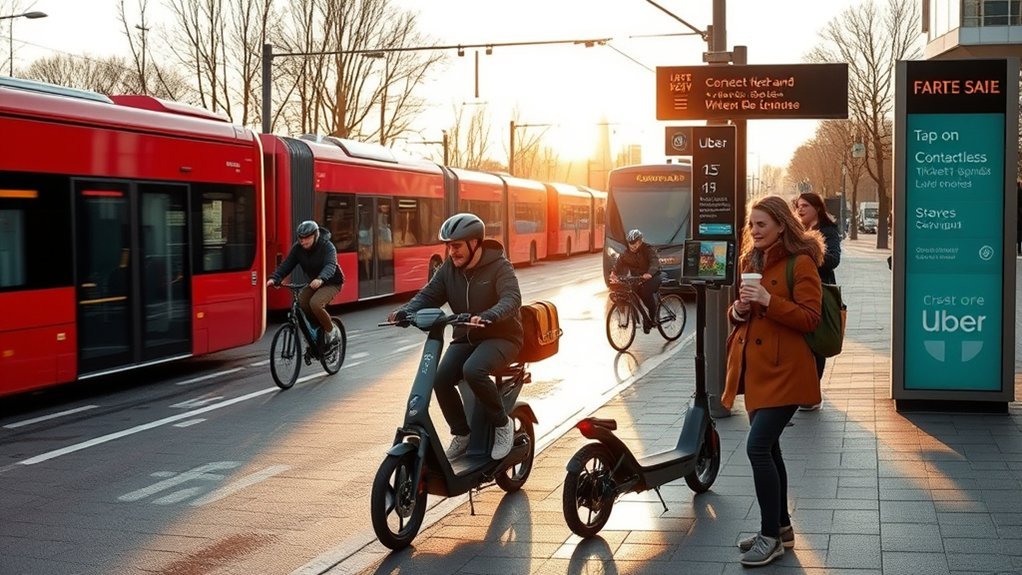
A typical local one-way public-transport fare is estimated at about £3, while a monthly pass is around £54. At those benchmark prices, £54 equals about 18 one-way journeys.
| Option | Cost | Notes |
|---|---|---|
| One-way ticket | About £3 | Typical local transport estimate |
| Monthly pass | About £54 | Useful benchmark for regular local travel |
If you make fewer than about 18 comparable one-way journeys in a month, paying individually may cost less at these benchmark prices. Check the operator and ticket product available for your actual route before buying a pass.
These figures cover local transport, not a rail commute to London or another city. Long-distance commuting can materially increase your monthly budget even if your Milton Keynes rent is lower than housing closer to London.
What Salary Do You Need to Live in Milton Keynes?

Current cost-of-living estimates put average net monthly salary at about £2,543. Separately, ONS-based 2025 data puts median annual gross pay for full-time Milton Keynes residents at about £41,389. Gross and net figures measure different things, so do not compare them as though they are interchangeable.
With estimated take-home pay of £2,543 a month, housing location can determine whether the rest of your budget feels comfortable or tight.
As an illustration, a £1,235 city-centre one-bedroom rent equals about 49% of £2,543 monthly take-home pay before council tax, utilities, food or transport. A £930.50 outside-centre estimate is about 37% of the same take-home figure.
This does not mean either rent is automatically affordable or unaffordable. Your household income, debt, pension contributions, childcare, car costs and savings goals matter. Couples and shared households can also divide housing costs across more than one income.
For additional cost-of-living context, see ERI.
How Much Does It Cost to Buy a Home in Milton Keynes?
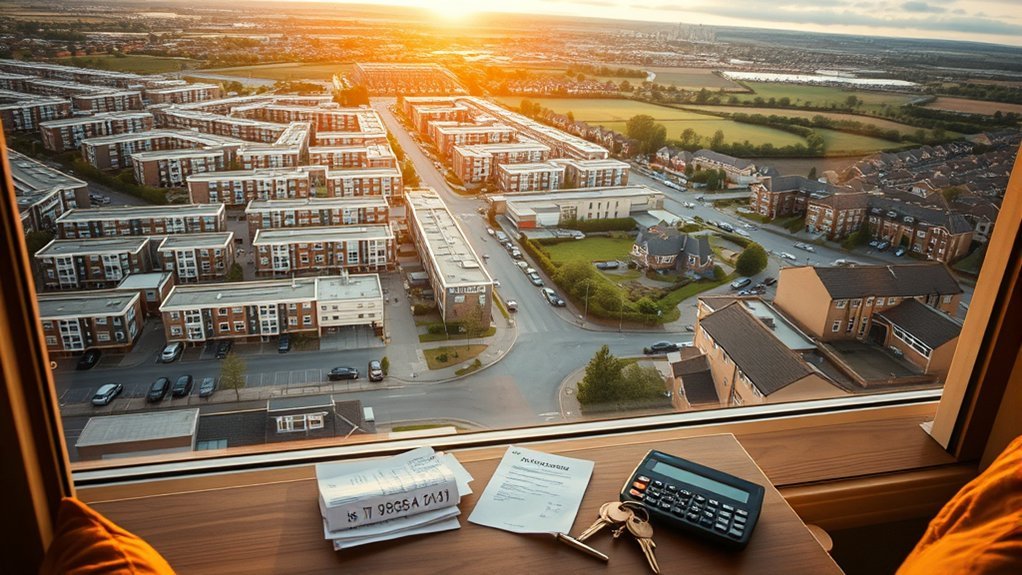
The average Milton Keynes house price was about £325,000 in June 2026, according to ONS and HM Land Registry data. Prices vary sharply by property type.
- Flat or maisonette: about £166,000
- Terraced property: about £271,000
- Semi-detached property: about £329,000
- Detached property: about £551,000
First-time buyers paid about £272,000 on average in June 2026. These figures give a stronger starting point for a buying decision than a single price-per-square-metre estimate because they are based on actual housing-market data.
Your mortgage payment still depends on your deposit, loan term, interest rate and lender. Because mortgage rates change far more quickly than local house-price statistics, use a current lender quote or mortgage calculator rather than assuming one fixed rate from this article.
Is Milton Keynes Expensive Compared With the Rest of the UK?

Milton Keynes is not uniformly cheap or expensive. Housing data gives a more useful answer than a global city ranking.
In July 2026, average private rent in Milton Keynes was about £1,343 per month, compared with roughly £1,393 across the UK. That makes the local average rent slightly lower than the UK figure. Buying tells a different story: the Milton Keynes average house price was about £325,000 in June 2026, compared with roughly £272,000 across the UK.
- Rent: slightly below the UK-wide average when all Milton Keynes private rentals are considered.
- Buying: average local house prices are higher than the UK average.
- Central living: a one-bedroom city-centre estimate of about £1,235 is substantially higher than the Milton Keynes-wide one-bedroom average.
- Recurring bills: council tax, utilities and transport can materially change the apparent saving from cheaper rent.
For most movers, the best comparison is therefore not “Is Milton Keynes expensive?” but “What does my preferred property and commute cost relative to my take-home income?”
Frequently Asked Questions
How Much Does It Cost to Live in Milton Keynes?
A single person currently needs about £835 per month excluding rent as a general benchmark. A family of four is about £2,787 excluding rent. Housing must then be added separately.
What Is the Average Rent in Milton Keynes?
ONS data for July 2026 shows average private rent of £1,343 across Milton Keynes. By size, a one-bedroom property averaged £977, a two-bedroom £1,216 and a three-bedroom £1,450.
How Much Is Council Tax in Milton Keynes?
A useful 2026/27 Band D benchmark is about £2,372 per year, or roughly £198 per month when spread over 12 months. Your actual charge depends on the property’s council tax band, parish and any discounts or reductions.
What Is a Good Salary in Milton Keynes?
There is no single salary that works for everyone. Median annual gross pay for full-time Milton Keynes residents was about £41,389 in 2025, while current cost-of-living estimates put average net pay near £2,543 per month. Compare your own take-home pay with rent, council tax, utilities and commuting costs.
Is Milton Keynes an Expensive Area?
It depends on whether you rent or buy. Average private rent in Milton Keynes was slightly below the UK average in July 2026, while the average local house price was above the UK average in June 2026. Central apartments can also cost substantially more than the Milton Keynes-wide one-bedroom average.
Is Public Transport Expensive in Milton Keynes?
A typical local one-way fare is around £3 and a monthly pass is about £54 based on current cost estimates. Rail travel to London or other cities is separate and can add substantially more to a commuter’s monthly budget.
Conclusion
The cost of living in Milton Keynes depends most heavily on housing. A single person can use about £835 per month excluding rent as a starting benchmark, while a family of four can use about £2,787. For housing, check the figure that actually matches your situation: city-centre one-bedroom estimates are around £1,235, while the official Milton Keynes-wide one-bedroom average was £977 in July 2026.
Add council tax, roughly £262 in basic utilities for an 85 m² apartment, internet, food and your real commuting costs before deciding whether a property is affordable. If you are buying, use the current Milton Keynes average house price of about £325,000 as a market benchmark and get a current mortgage quote rather than relying on an old fixed-rate assumption.
The practical next step is to total your expected rent or mortgage, council tax, utilities and transport first. Then compare what remains from your take-home income with your food, childcare, leisure and savings needs.

Stay organized with a durable 1-subject notebook set designed for school, note-taking, and digital study support. The college ruled pages resist ink bleed, tear out cleanly, and work with the Five Star Study App to create flashcards and sync notes to Google Drive. Tough pockets, a water-resistant cover, and Spiral Lock wire help protect your work throughout the year.

New Morning Mercies offers daily gospel-centered reflections designed to encourage, challenge, and renew your faith each day. Written by Paul David Tripp, this devotional helps readers stay focused on grace, Scripture, and practical Christian living through concise and meaningful entries. It is a thoughtful companion for personal devotion, spiritual growth, and everyday encouragement.

Kanoodle is a portable brain teaser game that challenges players to solve colorful 2D and 3D puzzles using spatial reasoning and critical thinking. With hundreds of puzzle challenges and a compact case that doubles as the game board, it is ideal for travel, classroom breaks, and screen-free fun at home. Designed for one player, it offers engaging logic-based entertainment for kids, teens, and adults.
