
In 2026, you’ll typically pay NT$15,000 to NT$30,000 a month for a 1-bed flat in Taipei. Your rent depends most on MRT access, neighborhood, building age, and whether the unit is new or older. Central areas like Da’an and Xinyi usually sit at the top end, while Songshan, Wanhua, and Tamsui can be cheaper. Taipei’s market is Taiwan’s priciest, and your budget can change fast once utilities and deposits enter the picture.
Average Rent for a 1-Bed Flat in Taipei
For a 1-bed flat in Taipei, you can generally expect to pay between NT$15,000 and NT$30,000 per month, with the exact rent driven by location, building quality, and nearby transport access.
You’ll usually see higher prices near MRT stations, where mobility cuts commute time and expands your options. Newer buildings with modern facilities also push rents up, while older units can offer lower entry costs if you’re willing to trade polish for savings.
Track rental trends month by month, because seasonal demand and local economic conditions can shift prices fast. If you want more freedom from housing pressure, compare listings carefully and set clear limits on must-have features.
Shared accommodations can cut your monthly outlay sharply, so they’re one of the strongest budget tips for renters who prioritize flexibility over space.
In practice, your best value comes from balancing convenience, condition, and total cost—not just the advertised rent.
How Taipei Rent Compares Across Taiwan
If you compare cities across Taiwan, you’ll see Taipei’s one-bedroom rents at about NT$15,000 to NT$30,000 sit well above most markets.
New Taipei, Taichung, Kaohsiung, and Tainan all offer lower entry points, which shows how sharply prices drop outside the capital.
You can trace the gap to stronger demand, tighter supply, and higher urban costs in Taipei.
Taipei vs Other Cities
Taipei’s one-bedroom rents, at roughly NT$15,000 to NT$30,000 a month, are clearly the highest among major Taiwanese cities.
You’ll see a sharp gap when you compare rental trends across the island, and that gap matters if you want room to live freely.
- New Taipei City: NT$10,000–NT$20,000
- Taichung: NT$8,000–NT$18,000
- Kaohsiung: NT$7,000–NT$15,000
- Tainan: NT$5,000–NT$12,000
If you’re weighing neighborhood amenities against cost, Taipei commands the premium, while other cities give you more flexibility and lower monthly pressure.
New Taipei stays closest, but Taichung, Kaohsiung, and Tainan increasingly offer stronger value.
In short, Taipei leads on price, while the rest of Taiwan lets you stretch your budget further.
Rent Drivers Across Taiwan
Taipei sits at the top of Taiwan’s rental market, with one-bedroom apartments averaging NT$15,000 to NT$30,000 a month, well above other major cities. You pay for concentrated jobs, transit, and urban demand that keeps the rent market tight.
In New Taipei, studios land around NT$10,000 to NT$20,000, and larger units run NT$20,000 to NT$40,000, so you can trade proximity for relief.
Taichung drops to NT$8,000 to NT$18,000 for a one-bedroom, while Kaohsiung’s studios sit near NT$7,000 to NT$15,000. Tainan is cheapest, at NT$5,000 to NT$12,000.
If you want more freedom, look beyond Taipei and use these gaps to stretch your budget, reduce pressure, and choose housing on your terms.
What Affects 1-Bed Flat Prices in Taipei?
You’ll usually see 1-bed flat rents in Taipei land between NT$15,000 and NT$30,000, and location is the biggest driver, especially if you’re near an MRT station.
You’ll also pay more for larger units, newer buildings, and better-maintained properties, while older or smaller flats usually cost less.
If you’re trying to cut costs, shared flats can reduce your monthly rent, but you’ll trade off privacy and space.
Location And Transit Access
Across Taipei, location and transit access are key drivers of 1-bed flat rents, with typical prices ranging from NT$15,000 to NT$30,000 and the highest rates concentrated near MRT stations and central transit hubs.
You’ll pay more when commuting convenience cuts travel time and widens your freedom. Central districts also lift rents because they pair mobility with stronger neighborhood vibes and easier daily routines.
- Near MRT stations: premium pricing
- Transit hubs: faster access, higher demand
- Less connected districts: lower rents
- Seasonal spikes: visitor and student demand
If you want affordability, look beyond the core and compare routes, not just addresses.
The best deal often balances access, flexibility, and budget.
Space, Age, And Condition
You’ll usually pay more when a layout supports space optimization, especially if the flat feels open despite a central address.
Older buildings can lower rent, but they often raise maintenance costs through repairs, worn fixtures, or outdated systems.
Newer units, by contrast, tend to price higher because they deliver cleaner finishes, better furnishings, and fewer hidden expenses.
If you want more room for less, suburban options often stretch your budget further.
You’re not just renting walls; you’re choosing how much autonomy, comfort, and long-term value your money buys.
Shared Flats And Costs
Shared flats can cut your housing bill fast in Taipei, where a one-bedroom apartment typically costs NT$15,000 to NT$30,000.
However, location and access to public transport still drive most of the price difference. If you choose shared living, you can often slash your share of rent by nearly 50% in a two-bedroom setup.
- Compare rent against MRT access.
- Check building age and condition.
- Review amenities like gyms or pools.
- Time your search around softer demand.
You’ll get the strongest cost benefits when you balance lower rent with practical trade-offs.
Inspect common areas, discuss cleaning rules, and test compatibility before you sign.
Seasonal shifts can move prices, so act when demand cools. That way, you keep more freedom in your budget without sacrificing livability.
Best Taipei Neighborhoods for 1-Bed Flats
If you’re comparing Taipei neighborhoods for a 1-bed flat, the biggest price differences come down to location and lifestyle: average monthly rents generally fall between NT$15,000 and NT$30,000.
You’ll pay more for Da’an amenities, where parks and convenience push rents up, and for Xinyi nightlife, where shopping and after-hours energy lift prices further.
Zhongshan expatriates often accept higher rents because the mix of housing, offices, and dining feels practical and open.
Zhongshan’s higher rents often feel worthwhile, thanks to its practical mix of homes, offices, and dining.
If you want more room to breathe, Songshan affordability stands out, with many one-bed units near NT$15,000.
For lower-cost neighborhood comparisons, Wanhua charm and Tamsui history offer calmer streets, older character, and rents closer to NT$12,000–NT$20,000.
Track rental trends by asking what each area gives back: access, pace, and a community vibe.
Local markets in these districts can cut daily costs, so your housing choice shapes your wider freedom, not just your monthly bill.
Taipei MRT Access or Bigger Space?
If you prioritize MRT access, expect a 1-bedroom near a station to run about NT$15,000 to NT$30,000, but you’ll usually give up space and accept older buildings.
If you move farther out, you can often get a larger unit with better amenities for less rent, though your commute will lengthen.
You’ll need to weigh daily transit convenience against long-term comfort and whether location or usable space matters more for your stay.
MRT Access Tradeoffs
Taipei’s MRT network gives you a real tradeoff: you can live farther from the core and still reach it easily, or pay more for a central address near a station.
For MRT convenience, you’re often paying a premium; central 1-bed rents run about NT$15,000 to NT$30,000. That makes budget balancing critical if you want flexibility without overcommitting.
- Near-station units cost more.
- Outlying districts keep rents lower.
- Longer commutes can stay manageable.
- Taipei’s rail coverage widens your options.
If you value mobility over a premium zip code, the network lets you choose freedom on your terms.
Bigger Space Priority
Choosing bigger space in Taipei usually means trading off MRT convenience for value, especially since a one-bedroom near transit already averages NT$15,000 to NT$30,000.
If you prioritize room over rail, you’ll often find better square footage in suburban areas or older stock, where rents stretch further. That can fit family needs or support a calmer urban living setup without crowding.
Central districts rarely reward you with both size and affordability; larger units there usually push your budget up fast. You may also face maintenance issues in older buildings, so inspect condition as closely as price.
If space gives you freedom, let the numbers lead: compare rent per ping, commute savings, and how much room you truly need before committing.
Location Versus Comfort
MRT access in Taipei usually costs more, with one-bedroom apartments near transit commonly ranging from NT$15,000 to NT$30,000.
More spacious units are often found in suburban or older buildings. If you value an urban lifestyle, you’ll pay for speed and convenience; if you want room to breathe, you can trade the center for space.
Taipei’s MRT keeps outlying commutes practical, so you don’t have to accept cramped living to stay connected. Your rental preferences should weigh daily time, budget, and long-term comfort.
- Central flats cut commute stress.
- Larger units improve daily comfort.
- MRT access supports flexible mobility.
- Suburban rents often free up cash.
For longer stays, bigger space usually wins, because liberation starts at home.
New vs Older 1-Bed Flats in Taipei
New 1-bedroom flats in Taipei typically rent for NT$20,000 to NT$30,000, while older units usually fall in the NT$15,000 to NT$20,000 range.
You pay more for modern amenities, stronger building quality, and newer appliances that reduce day-to-day friction. Many newer buildings also include gyms and security, which can justify the premium if you value convenience and autonomy.
Older flats can free up cash, but you should inspect them closely. Their condition varies, and renovation costs or maintenance bills can narrow the apparent savings fast. If you choose an older unit, factor in repair risk before you sign.
In central Taipei, newer developments can exceed NT$30,000, while older nearby flats often stay more competitive. That gap gives you leverage: compare not just rent, but the real cost of living on your own terms.
Are Shared Apartments in Taipei Worth It?
- You cut monthly housing pressure fast.
- You gain access to bigger common areas.
- You can compare listings on Facebook Marketplace and Craigslist.
- You should inspect the layout and condition before signing.
Still, shared space only works when the fit is right. You’ll need clear agreements on utilities and housekeeping, because friction in daily routines can erode satisfaction.
If you want financial flexibility without sacrificing comfort, shared living often makes sense. If you need full control over your environment, you may prefer your own flat.
Products Worth Considering

Easy to Maintain: The mat has splash-proof fabric that wipes clean easily. The tabletop is crafted from high-quality tempered glass for simple cleaning. Spiral foot pads on...
Hidden Costs of Renting in Taipei
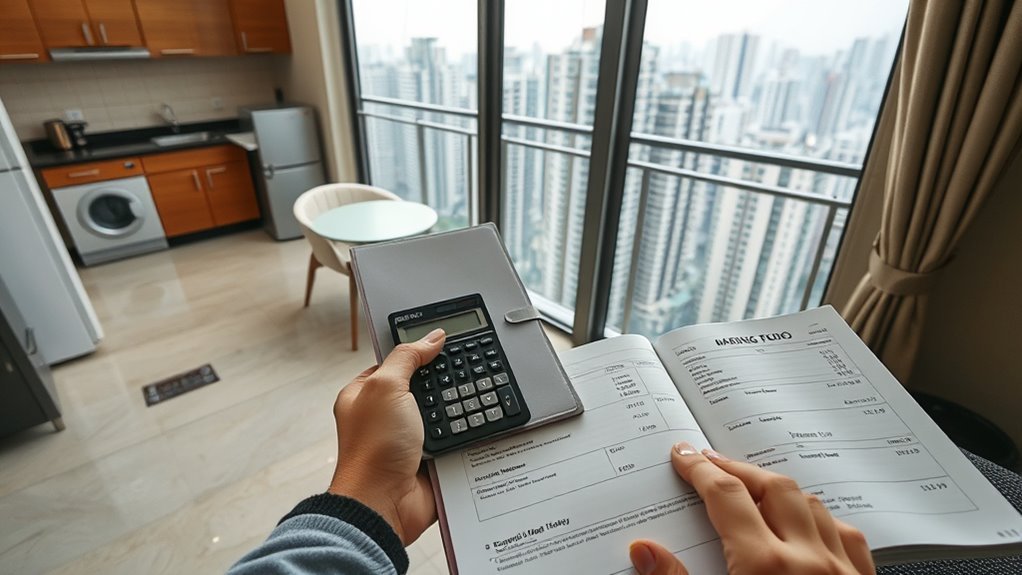
Beyond the base rent, Taipei leases often carry extra monthly and upfront costs that can change your budget fast.
You’ll often pay electricity, water, gas, and internet separately, which can add NT$2,000 to NT$5,000 each month. A security deposit usually equals one to three months’ rent, and you only get it back if you leave the place undamaged.
In apartment complexes, maintenance fees may also apply, especially for shared amenities. If you use an agent, expect a fee near one month’s rent.
That means your move-in cash need can exceed your quoted rent by a wide margin. Before you sign, ask exactly which utilities are included and put the answer in writing.
Use lease negotiations to cut unclear charges and protect your freedom. Consider rental insurance as a low-cost buffer against damage claims and surprise losses.
Know the full price first, then decide whether the flat truly fits your budget and mobility.
Do You Need a Real Estate Agent in Taipei?
- Agent benefits: faster screening, clearer communication, and local market access
- Rental pitfalls: scams, unclear contracts, and missed legal details
- Direct search: more control, more listings, lower upfront cost
- Community networks: useful leads that traditional portals may miss
If you’re new to Taipei’s rental norms, an agent can reduce friction and give you peace of mind.
If you’re confident reading listings, negotiating, and checking terms, you may not need one.
Your choice should reflect your market knowledge, risk tolerance, and how much autonomy you want.
Products Worth Considering

Premium 100-Pack Realtor Cards Kit - 5 Vibrant Colors! Introducing our premium Bulk 50-Pack cardstock real estate cards, perfect for establishing a professional first impression. The set contains 5 colors, pink, white, orange, light purple, light blue, 20 pieces of each color. Ideal for real estate office supplies, these cards enhance your branding efforts.This sufficient quantity caters to your needs

STOP LOSING DEALS TO "I'LL THINK ABOUT IT" — REAL ESTATE SCRIPTS THAT WORK. Every card gives you the exact trigger, the word-for-word realtor script, and the psychology behind it — so you know what to say, when to say it, and why it works. No more freezing up when a buyer goes cold or a seller pushes back on your commission. This is your arsenal of real estate agent supplies, not a book you'll forget on a shelf.

*Size* These A5 spiral notebooks are 5.9" x 8", with 160 pages/87 sheets. They are just the right size. Ideal for office workers.
How to Budget for a Taipei 1-Bed Flat
A practical budget for a Taipei 1-bed flat starts with rent, which typically falls between NT$15,000 and NT$30,000 depending on the neighborhood and amenities.
You should cap housing at 30% of your before-tax income; that rule keeps you flexible and less trapped by fixed costs.
Build budgeting strategies around your essential expenses: rent, utilities, internet, transport, and food.
Utilities can add NT$2,000 to NT$5,000 a month, so don’t treat them as optional.
Also set aside cash for the security deposit, usually one to three months’ rent, before you sign.
Compare districts carefully; a slightly farther neighborhood can cut rent without sacrificing comfort or safety.
Track total monthly outflow, not just the headline rent, because liberation comes from knowing your real cost of living.
If a flat seems cheap but inflates your essentials, it’s not affordable.
Choose the option that preserves margin, mobility, and control.
Frequently Asked Questions
How Much Is a 1 Bedroom Apartment in Taipei?
You’ll usually pay NT$15,000–NT$30,000 monthly for a 1-bedroom apartment in Taipei, depending on Taipei neighborhoods and rental amenities. Central, transit-rich spots cost more, while shared housing or suburban areas can cut your rent considerably.
Is Rent Going to Go up or Down in 2026?
It’ll likely go up, not down. You should expect Taipei rents to edge higher in 2026 as market trends, economic factors, transit access, and demand growth keep pressure on prices, especially for newer flats.
What Is a Livable Salary in Taiwan?
At a minimum, you’ll want NT$30,000–40,000 monthly for a livable salary in Taiwan; in Taipei, salary expectations rise to about NT$50,000 to keep housing under 30% and match cost of living.
Is It Cheaper to Live in Taiwan Than the US?
Yes, Taiwan’s usually cheaper than the U.S. in your cost comparison: rent, food, and transit often run lower, and lifestyle differences matter. You can stretch your income further, especially outside elite U.S. cities.
Conclusion
In 2026, you can expect a 1-bed flat in Taipei to command a premium, especially near MRT lines and in central districts. Your monthly rent will usually be higher than in most Taiwan cities, but location, building age, and size can shift the price sharply. If you want convenience, you’ll pay for it; if you want savings, you’ll trade distance or space. With full budgeting, you can avoid surprises and rent smarter.
